
Welcome to visit AIMA International Group
 Spain
Spain

Your browser version is too low, in order to ensure a better browsing experience,Please click to update to a higher version browser.
Talk about it later.XWelcome to visit AIMA International Group
Spain


.jpg)
Home > News > Industry Trends > Medical Aesthetics Wholesale: The Definitive Guide to Sourcing Compliant, Clinic-Grade Supplies for Practices & Distributors
Industry TrendsLast year, we got a call from Lena, an operations manager at a high-end anti-aging clinic in Miami. She’d spent 18 months building her client base to 1,200 regulars, focusing on natural-looking lip and cheek augmentation for professional women in the area. Three months prior, she’d switched to a random medical aesthetics wholesale supplier she found on a social media group, lured by prices 30% lower than her previous vendor. Within six weeks, three of her clients developed persistent late-onset redness and nodule formation at injection sites. She settled the resulting claims for $118,000, and spent three months fighting a state medical board investigation that nearly cost her her clinic license.
Lena’s story isn’t an anomaly. Every week, we talk to clinic owners and distributors who’ve lost tens of thousands of dollars to unvetted wholesale suppliers selling untested, gray market, or outright counterfeit aesthetic products. Many of these buyers go into the search focused solely on per-unit price, without asking the questions that actually protect their business, their clients, and their professional license.
Raj, a Canada-based aesthetic distributor who’d run his business serving clinics across British Columbia for three years, reached out to us in 2021 with a similar horror story. He found a supplier offering HA fillers at 18% below the average market rate, and placed a $42,000 order to stock up for his annual spring promotion. When the shipment hit the Port of Vancouver, customs agents seized it. The supplier couldn’t produce valid ISO 13485 certifications, product traceability records, or a Canadian Free Sale Certificate. Raj paid $23,000 in port storage fees over 47 days before the shipment was ultimately destroyed. He lost three of his largest chain clinic accounts when he couldn’t fulfill their orders on time, and spent six months rebuilding his pipeline.
What do these two stories have in common? Both buyers treated medical aesthetics wholesale as a commodity transaction, rather than a long-term partnership that directly impacts regulatory risk, client outcomes, and brand reputation.
When you’re sourcing injectables, skin boosters, collagen stimulators, or topical aesthetic supplies, the lowest sticker price almost never translates to the lowest total cost. You need a supplier that shows up for you after the payment clears, not one that ghosts you the second a shipment hits a customs delay or a client has an adverse reaction. You need consistent batch-to-batch quality, so you never inject a product that behaves differently than the last batch you ordered. You need full access to compliance paperwork, so you don’t lie awake at night worrying about an audit. You need clear resolution policies when something goes wrong, instead of automated email responses that go nowhere.
You don’t need a chemistry degree to vet aesthetic products, but you do need to know the non-negotiable technical benchmarks that separate Class III medical grade supplies from cosmetics-grade knockoffs sold as wholesale medical aesthetics products.
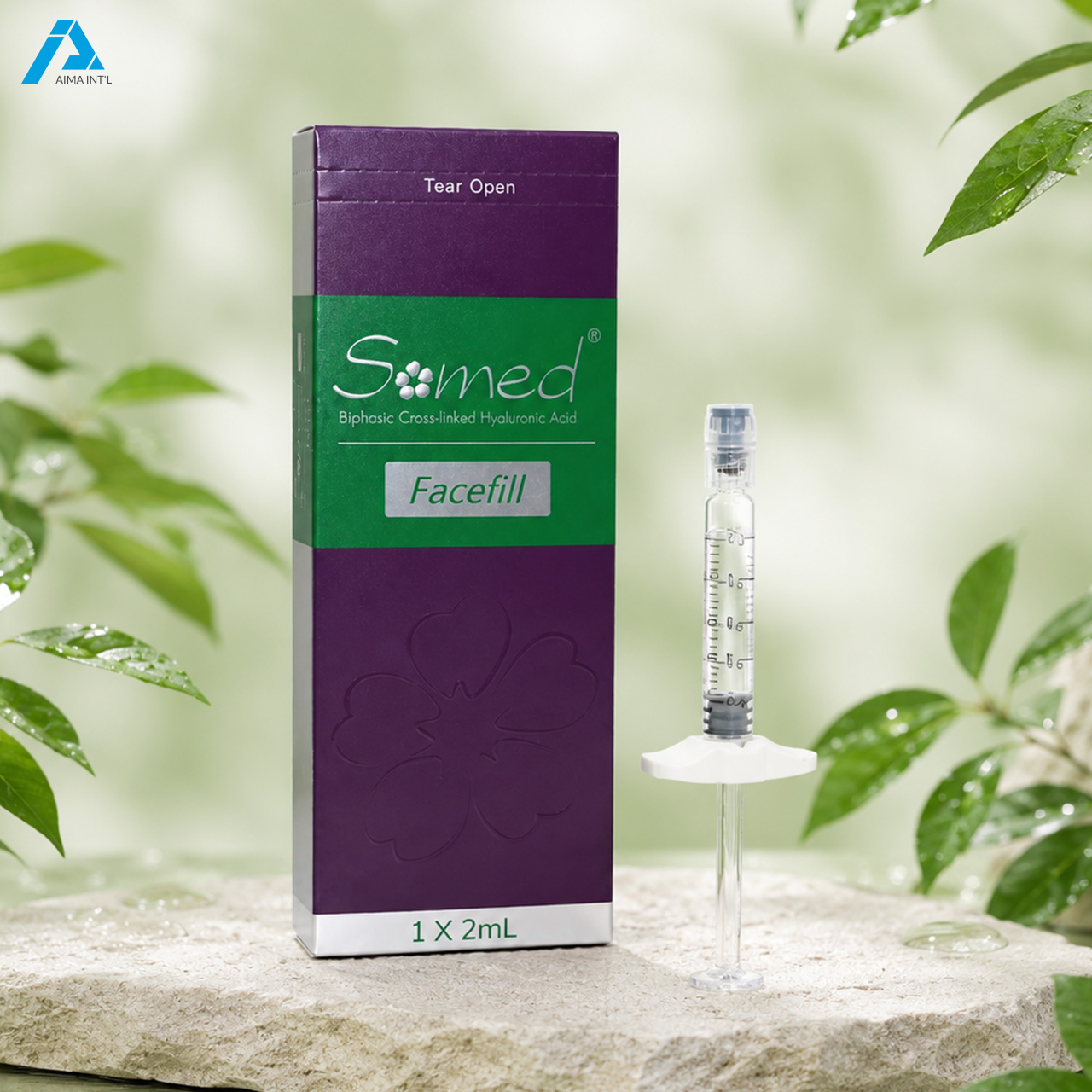
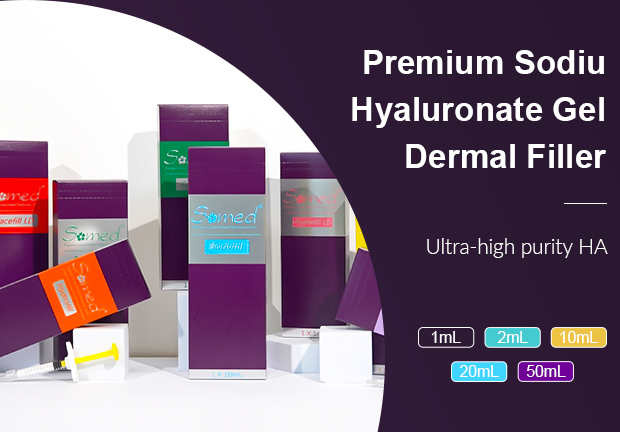
Take dermal fillers, for example. Legitimate fillers made with NASHA (Non-Animal Stabilized Hyaluronic Acid) technology go through a proprietary cross-linking process that binds HA molecules without using excessive amounts of BDDE (1,4-butanediol diglycidyl ether), the most common cross-linking agent. Properly manufactured NASHA fillers have a BDDE residual level below 0.02ppm, a pH level matched to human dermal tissue (5.5–7.0), and cross-linking density calibrated to hold shape for 6–18 months depending on the product’s indication. Knockoff fillers often cut corners on the cross-linking purification step, leaving BDDE residuals as high as 2ppm — a level known to trigger granulomas, chronic inflammation, and tissue necrosis in patients. These knockoffs also have inconsistent HA molecular weight, meaning some areas of the filler will break down in two weeks while others stay lumpy under the skin for years.
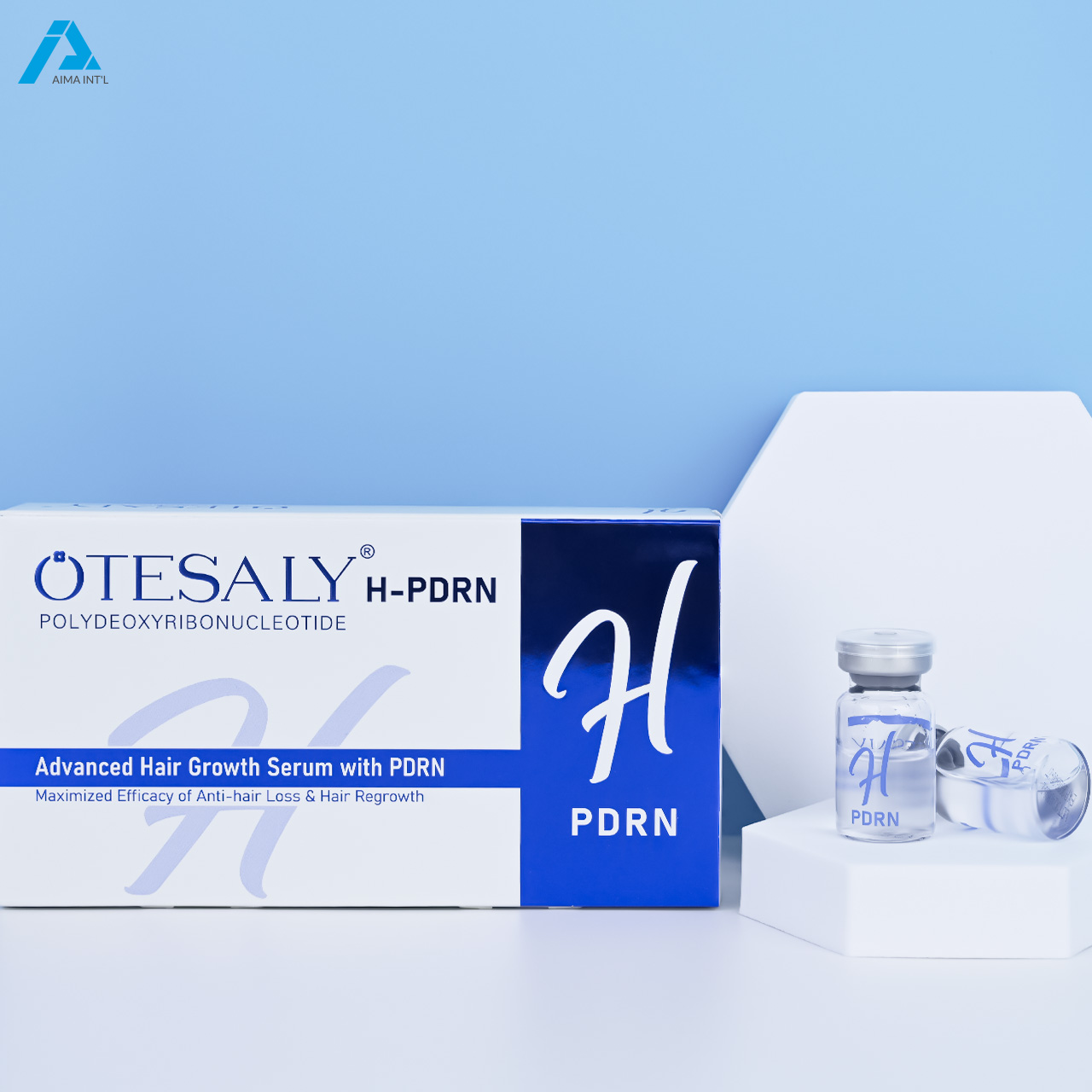
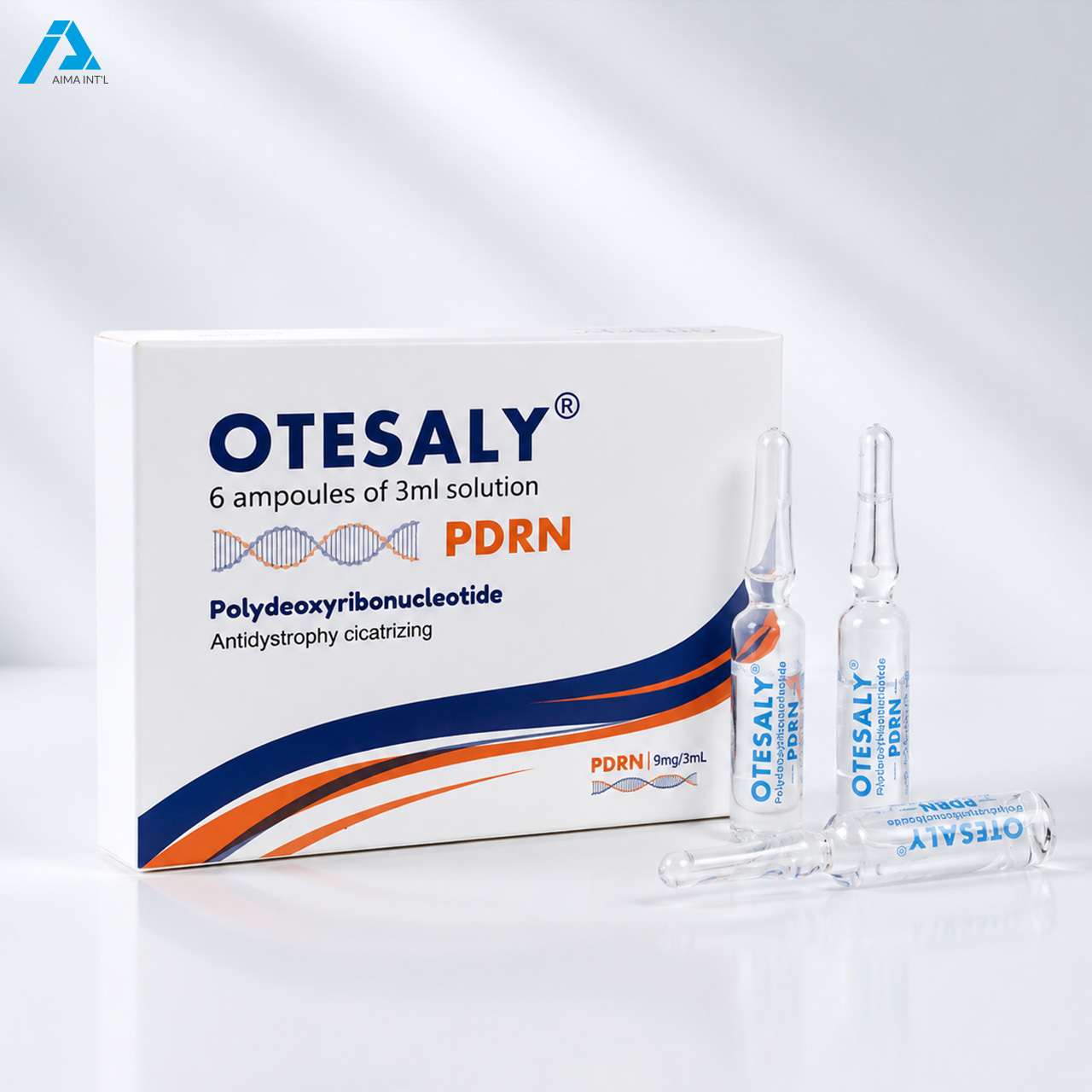
Another fast-growing product category in medical aesthetics wholesale is PDRN (Polydeoxyribonucleotide) skin boosters. Real medical-grade PDRN is extracted from salmon testes, purified to a molecular weight range of 50–2000kDa, and formulated to work by binding to adenosine A2A receptors on dermal fibroblasts. This binding triggers increased production of Type I and Type III collagen, while suppressing pro-inflammatory cytokine IL-6 to reduce post-procedure redness and speed tissue repair. For PDRN to be classified as a Class III medical device, it must go through multi-stage purification to remove 99.9% of residual proteins, with an endotoxin level below 0.5EU/mL. Cheap PDRN knockoffs often use unpurified salmon DNA extracts with high protein residue, which can trigger severe allergic reactions and offer no measurable collagen-boosting effect.
All Class III Medical Device Manufacturer standards require mandatory biocompatibility testing for every product batch, including three core assessments: cytotoxicity screening to ensure materials do not damage human cells, skin sensitization testing to rule out allergic response, and intracutaneous reactivity testing to check for local tissue irritation. Products must also pass accelerated aging testing to prove performance and sterility hold up across the full labeled shelf life, with full traceability from raw material source to end user. Any legitimate medical aesthetics wholesale supplier will be able to walk you through these specs without hesitation, and provide batch-specific test data to back up their claims. If a sales rep can’t explain the difference between NASHA and non-crosslinked HA, or stumbles when you ask about PDRN molecular weight, you’re not talking to a specialist — you’re talking to a reseller moving whatever cheap stock they can get their hands on.
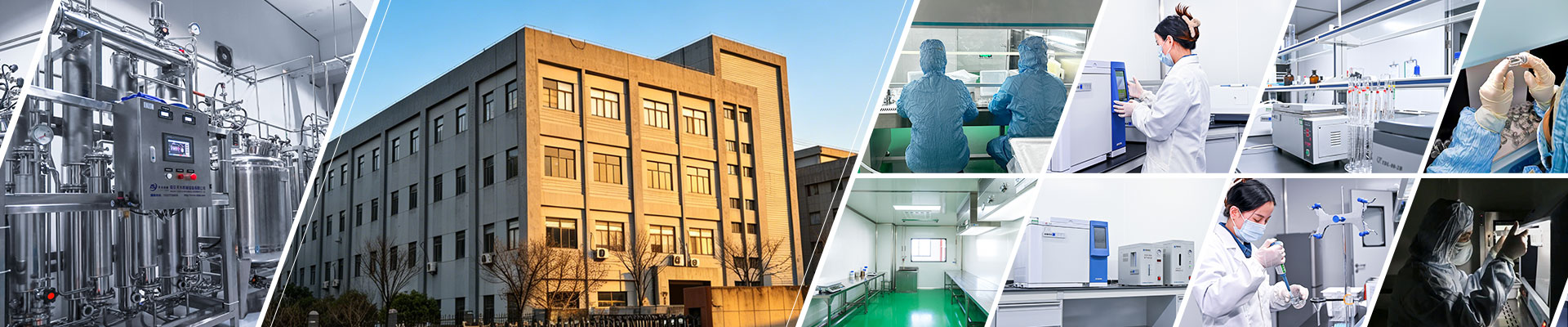
Plenty of wholesale websites slap “GMP certified” and “ISO approved” badges on their homepage, but few can walk you through the actual quality control processes that back those claims up. As a leading China Aesthetic Supplier serving 800+ clinics and distributors across 42 countries, Supplierfiller.com operates a GMP-certified factory built to meet the strictest Class III Medical Device Manufacturer standards, with quality control checks baked into every step of production:
These aren’t arbitrary hoops. Our certifications are issued by third-party auditors with no financial stake in our sales: we hold CE 2764 certification via TÜV Rheinland (not the self-declared CE marks sold online for a few hundred dollars), U.S. FDA facility registration, and Canadian MDEL licensing. For every wholesale order, we provide a full document pack including a Free Sale Certificate, product technical file, and batch-specific COA to smooth customs clearance and help buyers meet local regulatory requirements. Remember Raj, the Canadian distributor who lost thousands to a seized shipment? He’s now our exclusive distributor for British Columbia, with 2024 annual order volume hitting $780,000 CAD. He hasn’t had a single customs delay in three years working with us, because every document he needs is ready before his shipment leaves the factory.
Industry veterans have a saying: A $3 syringe of filler will cost you $3,000 in chargebacks. Most new buyers don’t see these costs coming until it’s too late.
First, there’s inventory risk. Cheap suppliers often ship product with 3–6 months of remaining shelf life, or pack orders with damaged syringes and mislabeled products, then refuse to accept returns or send replacements. We offer a 7-day damage and shelf-life guarantee: if your order arrives with broken packaging, missing units, or product with less than 12 months of remaining shelf life, we ship replacements for free and cover all associated shipping costs.
Second, there’s regulatory risk. If your local health board shows up to audit your clinic or distribution warehouse, and you can’t produce valid traceability documents, test reports, or device registration papers for the products you sell or use, you could face five- to six-figure fines, license suspension, or even criminal charges for distributing unapproved medical devices. We provide ongoing compliance support for all our wholesale clients, including updated documentation when regulations change — like the 2024 EU MDR updates that left hundreds of smaller suppliers scrambling to update their technical files.
Third, there’s reputational risk. Think about it: How much do you spend to acquire one new anti-aging client? For most U.S. clinics, that number lands between $250 and $400 in ad spend, consultation time, and follow-up. If a client gets lumpy, uneven results or an adverse reaction from a cheap filler, they won’t just ask for a refund. They’ll leave negative reviews across Google, Yelp, and local social media groups, and tell every friend who asks about aesthetic treatments to avoid your practice. That’s not a savings. That’s a liability.
Lena, the Miami clinic owner who lost six figures to bad filler, started ordering from us two years ago. She uses our NASHA line of fillers for 90% of her injection cases, and has logged more than 1,200 patient treatments with zero reports of cross-linker related inflammation or nodule formation. Her client retention rate jumped 28% in the first year of switching, and she opened her second clinic location in Fort Lauderdale last quarter.
We don’t run a one-size-fits-all wholesale program. We work with solo injectors, small medical spas, regional distributors, and multi-location clinic chains, and adjust our terms and support to match each buyer’s needs:
You don’t have to take our word for it that we’re a reliable partner. Use this checklist any time you evaluate a new medical aesthetics wholesale supplier, and walk away if they can’t give you clear, verifiable answers:
Right now, roughly 30% of aesthetic products sold through unvetted online wholesale channels are either counterfeit, gray market (diverted from authorized distribution channels with no temperature control during shipping), or manufactured in unlicensed facilities with no quality testing. These products often look nearly identical to legitimate brands, right down to the packaging and hologram stickers. The difference only shows up when a patient has an adverse reaction, or a customs agent seizes your shipment.
We don’t claim to be the cheapest medical aesthetics wholesale supplier on the market. We can’t match the rock-bottom prices of sellers moving untested, unregulated stock with no support and no accountability. What we do offer is consistent, clinic-grade products, full compliance documentation to protect your license, and direct support from a team that’s worked in the medical aesthetics industry for more than 12 years — not call center reps reading off a script.
If you’re tired of chasing unreliable suppliers, dealing with customs delays, or worrying about the products you’re injecting into your clients, you can browse our full product catalog on Supplierfiller.com, or reach out to our team to request a wholesale price list and sample pack. We don’t use high-pressure sales tactics, and we’re happy to answer every question you have about our manufacturing processes, certifications, or order terms before you spend a dollar.
Copyright @ 2026 AIMA International Group Co., Ltd.