
Welcome to visit AIMA International Group
 Spain
Spain

Your browser version is too low, in order to ensure a better browsing experience,Please click to update to a higher version browser.
Talk about it later.XWelcome to visit AIMA International Group
Spain


.jpg)
Home > News > Industry Trends > Injectable Fillers Wholesale: Sourcing Compliant, High-Performance Products for Clinics, Medspas & Aesthetic Distributors
Industry TrendsSearch for injectable fillers wholesale online, and you will see page after page of listings promising rock-bottom prices, fast shipping, and “medical-grade” formulas. How many of these sellers can produce batch-specific lab reports, traceability records, or proof of medical device compliance? Few will volunteer those details upfront. For medspa owners, plastic surgery clinics, and aesthetic distributors, picking the wrong wholesale partner cuts into profit margins. It can put patient safety at risk, trigger regulatory penalties, and permanently damage a reputation built over years.
The American Med Spa Association reports that 22% of non-hospital affiliated medspas have unknowingly purchased counterfeit or diverted injectable fillers from unauthorized resellers at some point in their operation. Of those practices, 61% reported at least one patient adverse event linked to those unvetted products, with average settlement costs exceeding $100,000 per incident.
Take the 2024 case of a Miami-based medspa owner we worked with at supplierfiller.com. She initially sourced cross-linked hyaluronic acid fillers from an unvetted online reseller offering 40% below market average pricing, skipping verification of device classification and batch traceability. Within 8 weeks, 3 of her clients developed persistent delayed inflammatory reactions 2-3cm from the injection site, requiring hyaluronidase reversal, ongoing dermatology follow-up, and a total of $118,000 in settlement costs. The Florida Board of Medicine also placed her practice on 6 months of probation after she could not produce valid 510(k) clearance documents or chain-of-custody records for the implicated product batches.
The global injectable filler market is projected to hit $11.3 billion by 2030, per Grand View Research, but supply chain gaps remain a persistent pain point for practices of all sizes. Unregulated grey market sellers now make up an estimated 18% of global filler sales, with products often diverted from authorized channels, counterfeited, or stored at incorrect temperatures that break down cross-linked HA gel before it even reaches a clinic.
Many practice owners and distributors shop for wholesale fillers based on per-syringe cost alone, without digging into the formulation details that determine patient outcomes. Take the Toronto-based aesthetic distributor who contacted the supplierfiller.com team in early 2024. He had built a network of 27 clinic accounts across Ontario by undercutting competing distributors on price, sourcing a no-name HA filler line from an online marketplace that offered no technical data sheets beyond “100% pure hyaluronic acid.”
Within 4 months of launching the line, 11 of his clinic accounts reported patients developing firm, tender nodules at injection sites, some persisting for 3 months even after hyaluronidase treatment. When he reached out to his original supplier to request biocompatibility test reports, the seller had disappeared from the platform entirely. Independent lab testing of leftover syringes from the implicated batches showed BDDE residual levels of 12ppm—three times the 2ppm global regulatory limit for dermal fillers, with uneven cross-linking that created pockets of dense, non-integrated gel under the skin.
That scenario plays out repeatedly because few wholesale buyers know exactly what to ask for when reviewing product specs. Two of the most common filler technology platforms on the market have very different performance profiles, and verifying their manufacturing quality takes more than a quick glance at a marketing flyer:
All legitimate injectable fillers fall into the Class III Medical Device Manufacturer regulatory category in most major markets, meaning they require clinical trial data proving safety and efficacy before they can be legally sold. Any wholesale seller that cannot provide clinical data supporting their product’s safety profile is cutting corners. Full stop.
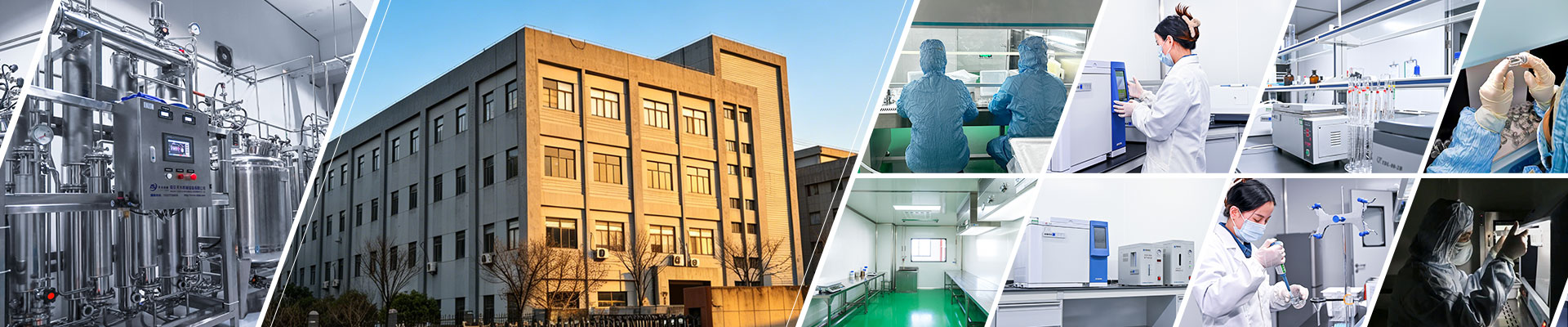
It is easy for a reseller to slap a “medical grade” label on a cheap filler listing, but GMP certified factory operations follow non-negotiable quality processes that eliminate most of the risks associated with grey market products. As a China Aesthetic Supplier that has supplied wholesale fillers to 1,200+ partners across 47 countries since 2016, supplierfiller.com operates an ISO 13485:2016 certified production facility that adheres to the same quality standards used by global top-tier aesthetic brands.
Every batch of filler produced at our facility goes through a 7-step quality verification process before it leaves the warehouse, with full digital records stored for 5 years per regulatory requirements:
Unlike trading companies that source random products from dozens of unvetted factories, we control the entire production process from raw material intake to final shipping, which means we can trace every single unit back to the exact production line and quality technician responsible for its testing.
After working with hundreds of medspas, clinics, and distributors over the years, we see the same costly mistakes pop up again and again when teams source Medical Aesthetics Wholesale products.
First, many buyers assume the lowest per-syringe price delivers the highest profit margin. The Miami medspa owner we referenced earlier saved $35 per syringe by buying from an unvetted reseller, for a total savings of $7,000 on her initial 200-unit order. That savings vanished quickly when she paid $118,000 in patient settlements and legal fees, plus lost an estimated $240,000 in annual repeat business from clients who left after hearing about the adverse events. Compare that to the 30-50% margins our wholesale clients earn on our filler lines, with less than 0.2% of patients reporting mild, transient side effects (swelling, redness at the injection site that resolves within 72 hours) and zero reported cases of permanent adverse events linked to our products since 2016.
Second, many buyers assume all HA fillers are interchangeable. A $19 per-syringe filler from an unknown factory might look identical to a $45 per-syringe NASHA filler in the syringe, but performance differences show up immediately in patient outcomes. Cheap, poorly cross-linked fillers break down in 2-3 months, leading patients to assume the clinic overcharged for results that did not last. Our 2024 client survey found that practices switching from budget unvetted fillers to our NASHA and PDRN lines saw a 42% drop in patient follow-up complaints, and a 38% increase in repeat filler bookings over 12 months, as patients returned for touch-ups and additional treatment areas.
Third, many buyers assume wholesale transactions end once the product is delivered. Grey market sellers offer zero post-purchase support—if a shipment is seized by customs, if a product causes a reaction, if a client needs documentation for an audit, the seller is nowhere to be found. Our team assigns a dedicated account manager to every wholesale client, with access to:
We do not claim our products are the cheapest on the market, nor do we claim we have never made missteps in 8 years of operation. Twice, our stability testing identified small inconsistencies in gel cross-linking in batches that had already shipped to clients, before any patient adverse events were reported. We notified every client who received units from those batches within 48 hours, sent full replacement shipments at no cost, and added an extra mid-production cross-linking test step to our quality process to prevent repeat issues. We do claim our products are among the most rigorously tested, fully compliant, and best supported in the wholesale aesthetic space, with transparent pricing that does not hide hidden fees for documentation or support.
The Toronto distributor who lost accounts due to high-BDDE fillers did not shut down his business. He reached out to our team, walked through our quality documentation, tested sample units with a small group of trusted clinic owners, and slowly rebuilt his product lineup. We worked with him to curate a 5-SKU range covering fine-line correction, lip augmentation, deep volumizing, and PDRN skin boosters, provided full Health Canada import documentation, and hosted two free virtual training sessions for his clinic network on proper injection technique and adverse event management. Within 6 months, he won back 9 of the 11 accounts he had lost, and grew his total filler sales by 68% compared to the same period the prior year.
Any practice or distributor can build that same level of trust with their clients by following a few simple steps when sourcing wholesale injectable fillers:
The injectable filler space will continue to grow as more patients seek out minimally invasive aesthetic treatments, but that growth also attracts bad actors looking to make a quick sale with untested, non-compliant products. Picking a wholesale partner that controls its manufacturing, stands behind its products with transparent testing, and supports clients long after delivery is the difference between building a sustainable, profitable aesthetic business and facing costly, preventable setbacks.
You can browse our full range of injectable filler SKUs, access batch verification tools, and connect with an account manager to request samples directly at supplierfiller.com.
Copyright @ 2026 AIMA International Group Co., Ltd.