
Welcome to visit AIMA International Group
 Spain
Spain

Your browser version is too low, in order to ensure a better browsing experience,Please click to update to a higher version browser.
Talk about it later.XWelcome to visit AIMA International Group
Spain


.jpg)
Home > News > Industry Trends > Aesthetic Products Supplier: How to Vet Partners for Safe, High-Performing Dermal Fillers, Biostimulators, and Clinic Supply Lines
Industry TrendsLila Mendez runs a boutique medspa in Miami’s Brickell neighborhood, and she still keeps a crumpled lab report in her desk drawer from 2022. That year, she sourced 200 syringes of hyaluronic acid lip filler from an Instagram-based trader offering prices 32% below established wholesale rates. Three weeks after launching the product, four patients returned with hard, tender nodules and persistent redness at injection sites, unresponsive to oral antibiotics. Third-party testing on leftover stock found BDDE crosslinker residue hit 0.82ppm—8 times the CE regulatory limit—with no valid Class III medical device registration for the product. She paid $118,000 in patient settlements and legal fees, and spent six months responding to a Florida Medical Board investigation. When she reached out to the SupplierFiller team in early 2023, she didn’t open with a question about per-unit pricing. “Send me every BDDE test report from your last 12 months of production,” she said. “I’m going through every single line.”
Type “aesthetic products supplier” into Google, and you’ll get pages of results: trading companies posting stock photos of filler syringes, freelance resellers offering bulk discounts on social media, small factories promising private label service for pennies on the dollar. Most of these operations share a common trait: they can talk at length about pricing and shipping times, but go quiet when you ask for granular technical data or regulatory paperwork.
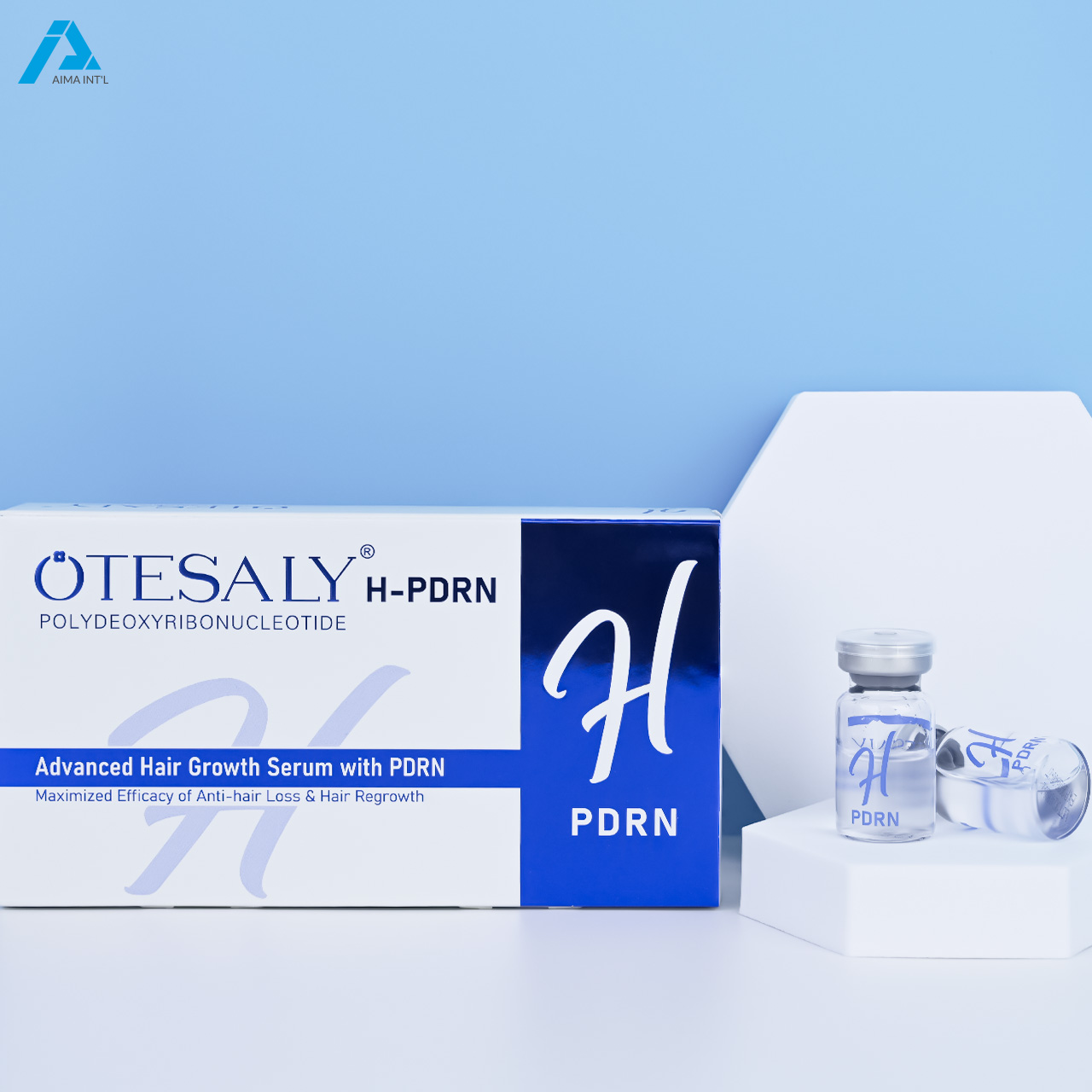
Jake Hale, founder of a small independent aesthetic brand in London, learned this the hard way in 2022. He planned to launch a private label PDRN injectable line, and picked a contract manufacturer offering the lowest production quote he could find. Two months after launch, 11 customers reported firm granulomas forming at injection sites. Lab analysis revealed the PDRN used was a crude extract from fishery waste, with molecular weights ranging from 10kDa to 15,000kDa. Fragments under 50kDa made up 38% of the formula—those small fragments carry high immunogenic risk, the exact trigger for the chronic inflammation causing his patients’ granulomas.
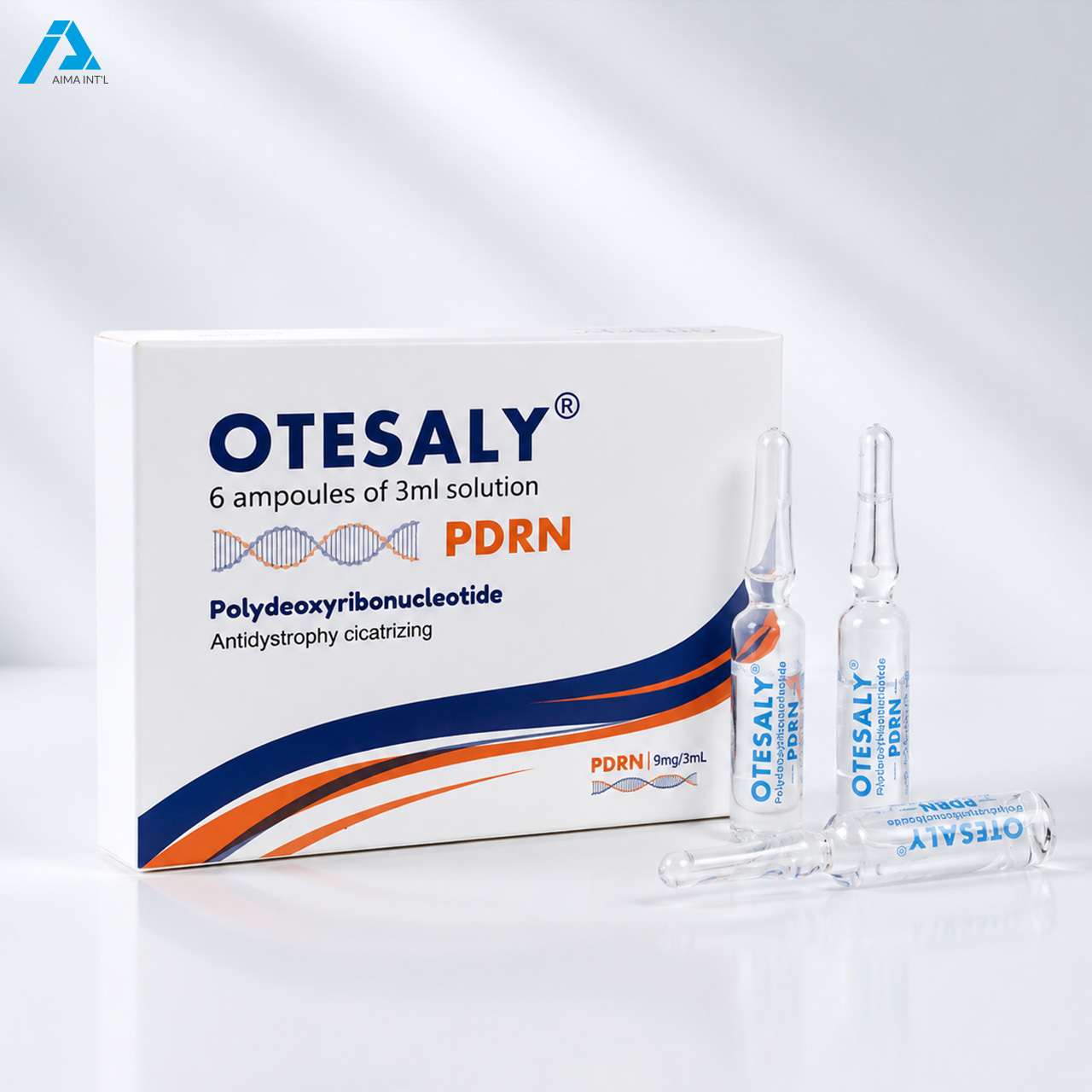
For context, pharmaceutical-grade PDRN works through a well-documented molecular mechanism: precisely sized 50–2000kDa polydeoxyribonucleotide fragments bind to adenosine A2A receptors on cell membranes, downregulating pro-inflammatory cytokine expression and triggering type I collagen synthesis in dermal fibroblasts. Fragments too small are flagged by the immune system as foreign material; fragments too large cannot be metabolized by surrounding tissue, leading to encapsulated nodules. Jake’s manufacturer had never run molecular weight distribution testing on their raw material, because that test alone adds 12% to raw material procurement costs. He recalled all stock, lost his entire £270,000 startup investment, and spent three months addressing negative reviews across his social channels.
These stories are not outliers. A 2023 report from the American Med Spa Association found 41% of non-chain medspas had sourced unregulated aesthetic injectables from unvetted suppliers at least once, and 17% had faced patient claims related to those untested products. Legitimate suppliers operating to Class III Medical Device Manufacturer standards don’t cut these corners. The classification requires end-to-end compliance with global medical device rules: ISO 10993 biocompatibility testing (cytotoxicity, sensitization, intradermal reactivity, 12-week post-implantation histological analysis), 24 months of clinical follow-up data on all products, and unique device identification (UDI) codes for every single unit sold, so any adverse event can be traced back to raw material batches, production shifts, and shipping routes in under two hours.
Take NASHA technology, the gold standard for stabilized hyaluronic acid fillers, as another benchmark. Short for Non-Animal Stabilized Hyaluronic Acid, NASHA uses bacterial fermentation to source HA (eliminating risk of animal-derived viral contamination) and uses a low-temperature (under 37°C) crosslinking process to preserve the natural structure of HA molecules. The process takes three times longer than high-temperature crosslinking used by budget factories, but cuts post-injection inflammatory reaction rates by 72% according to 24-month clinical follow-up data across 1,200 trial subjects. Any supplier that can’t walk you through the specifics of their crosslinking process, share molecular weight data, or show clinical reaction rates is not operating to that standard.
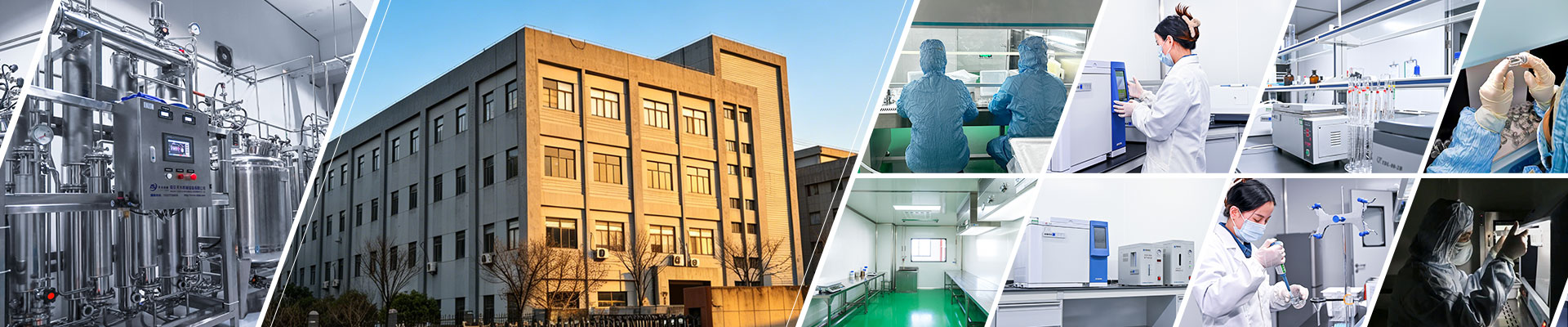
Plenty of suppliers slap a “GMP certified” badge on their website, but few will walk you through the day-to-day quality protocols that separate certified facilities from unregulated workshops. As a China-based aesthetic supplier serving 1,200+ clinics and brands across 47 countries, SupplierFiller’s GMP facility operates to ISO 13485:2016 medical device quality management standards, holds MDR CE 2017/745 certification for its core filler and biostimulator lines, and maintains active FDA 510(k) listings for all products sold in the U.S. market. Those certifications aren’t wall art—they dictate every step of production:
We don’t hide these processes. Any client can request batch-specific CoAs, sterilization reports, or audit records before placing an order, no non-disclosure agreement required. That’s a stark contrast to many traders who will only show a single generic certification for a raw material, not the finished product, and refuse to share batch-specific data for liability reasons. In 2021, we identified a shipping route issue that left 1,200 syringes exposed to 28°C temperatures for two hours (above our 2-25°C storage requirement). Our UDI tracking system let us locate every unit in 48 hours, issue full refunds to clients, and recall all affected stock before any was used on patients.
Anyone can pack syringes in a box and ship them across the world. A real aesthetic products supplier shows up for clients after the delivery truck drops off the order. We don’t make outlandish claims about zero adverse events—any injectable medical product carries a small risk of individual reaction, no matter how well it’s made. What we do offer is structured support to help clients mitigate risk, stay compliant, and keep their schedules full:
First, every order ships with a full set of compliance documentation: batch-specific CoAs, certificates of origin, sterility test results, biocompatibility reports, and copies of relevant regulatory certifications. Last year, a medspa in Orange County, California, faced a random audit from the state Medical Board. Their previous supplier had ghosted them when they asked for batch paperwork for filler they’d purchased six months prior. Our compliance team pulled the full traceability file for their orders in 90 minutes, including raw material intake logs, production records, and shipping temperature logs, and they passed the audit with zero fines.
For private label clients, support goes far beyond sticking a logo on a pre-made syringe. When Jake restarted his PDRN line with us, our R&D team adjusted the formula to hit that 92% effective fragment target, shared full clinical data to support his marketing claims, and compiled the full technical file required for UK MHRA registration. His brand re-launched 10 months after his initial failure, and hit a 47% repeat purchase rate in its first six months back, with zero reports of serious adverse events. We don’t push clients to launch products before regulatory paperwork is finalized, and we never let clients make marketing claims that aren’t backed by clinical data—like “permanent results” or “zero side effects,” claims that run afoul of advertising rules for medical devices in nearly every major market.
We also built our supply chain to avoid the stockouts that cost clinics thousands in lost revenue. Post-pandemic shipping delays, raw material shortages, and port congestion left many clinics waiting 6+ weeks for filler orders in 2022 and 2023, forcing them to reschedule hundreds of booked appointments. We keep three months of fast-moving SKU stock in regional warehouses in Dallas, Texas, and Frankfurt, Germany, so orders ship to North American and EU clients in 2-5 business days, no long ocean freight waits. For chain clinics and high-volume brands, we offer reserved inventory programs, locking in production capacity and pricing for 3-6 month windows so clients don’t face sudden price hikes or cut orders when raw material costs shift.
We’ve had prospects tell us our prices are 15-20% higher than quotes they got from random traders online. We don’t argue that point. We do ask them to do the math: a medspa charging $750 per syringe of filler generates $90,000 a month in filler revenue if they do 120 syringes a month. Saving $5 per syringe adds up to $600 in monthly savings—less than the cost of a single patient settlement from a bad reaction to untested product, and a tiny fraction of the revenue lost if a stockout forces them to reschedule 50 appointments. One Texas clinic owner told us earlier this year that a competitor down the street closed permanently after a patient suffered a vascular occlusion from unregulated filler, a complication that can be reduced significantly when products are manufactured to consistent extrusion force and purity standards. Is saving a few dollars per syringe worth losing the license you spent years earning? That competitor found out the hard way that the answer is no.
After 12 years in the industry, we’ve seen every trick bad actors use to win business. If a supplier does any of the following, walk away before you risk your license, your brand, or your patients:
You don’t need to take our word for any of this. All our certifications, batch report samples, and client case studies are posted publicly on SupplierFiller.com. Any prospective client can book a virtual or in-person tour of our GMP production facility, or visit our regional warehouses to inspect stock before placing an order. We don’t rely on flashy ads or too-good-to-be-true discounts to win clients. We rely on people like Lila and Jake, who’ve seen what happens when you cut corners on supply, and stick with us for years because they know we won’t cut corners that put their business at risk.
At the end of the day, your aesthetic supplier isn’t just a vendor. They’re a partner whose quality standards directly impact every result you deliver to patients, every regulatory inspection you pass, and every year you stay in business. There’s no discount large enough to make up for getting that choice wrong.

Copyright @ 2026 AIMA International Group Co., Ltd.