Walk the floor at any major medical aesthetics trade show, from Cosmoprof Bologna to AMWC Monaco, and you’ll hear hundreds of suppliers toss around the phrase “GMP Certified Factory” like it’s a given. Mention you’re sourcing dermal fillers, PDRN serums, or collagen stimulators for wholesale, and every booth rep will slide a certificate across the table before you finish asking about MOQs.
Last year, a long-time client of ours — a mid-sized aesthetic distributor based in Valencia, Spain — learned the hard way that not all GMP certificates carry the same weight. The team locked in a quote for 3,200 boxes of cross-linked HA fillers from a supplier they found on a mainstream B2B platform, with pricing sitting 22% below the average market rate for CE-marked product. The supplier sent over a scanned GMP certificate with an official-looking government seal, so the team skipped the factory audit step and wired a 50% deposit. When the shipment hit the Port of Valencia, customs agents flagged the shipment for missing medical device compliance documentation. The GMP certificate the supplier provided, it turned out, was issued for cosmetic-grade skincare production, not Class III medical device injectables. The entire container was seized and destroyed, and the distributor was hit with €127,000 in fines and storage fees. They lost three long-term clinic accounts that had been counting on the inventory to launch their fall filler promotion, and spent six months rebuilding cash flow to cover the loss.
What “GMP Certified Factory” Actually Means for Class III Medical Aesthetic Products
Most buyers who reach out to our team at Supplierfiller.com have a surface-level understanding of GMP — short for Good Manufacturing Practices — as a set of rules for production. Few can name the specific requirements that separate a GMP facility qualified to make injectable products from one that only makes topical skincare or cosmetic tools.
For injectable dermal fillers, PDRN skin boosters, and other implantable aesthetic products classified as Class III medical devices in most major markets (EU, US, Australia, Brazil), GMP compliance is not a one-time certificate you hang on a wall. It is a continuously audited system that covers every touchpoint of production, from raw material sourcing to final shipment. Let’s break down the non-negotiable standards a legitimate GMP certified factory for these products must meet:
- Class 10,000 (ISO 7) cleanroom zones for all filling and sealing operations: Unlike cosmetic GMP, which only requires Class 100,000 (ISO 8) cleanrooms for non-sterile products, injectable production requires strict airborne particle limits — no more than 352,000 particles ≥0.5μm per cubic meter of air, with constant positive pressure to prevent unfiltered air from seeping into production zones. Facilities making NASHA (Non-Animal Stabilized Hyaluronic Acid) fillers — the gold standard for long-lasting, low-reaction HA dermal fillers — take this a step further, with dedicated Class 100 (ISO 5) laminar flow hoods for the cross-linking reaction step, where even a single microbe spore can introduce endotoxin contamination that survives standard sterilization processes and ruins an entire batch.
- Mandatory in-process quality checks at every production stage: This is not a single end-of-batch test. For every batch of filler, production teams test HA cross-linking efficiency mid-mix, monitor BDDE residual levels (capped at <2ppm per EU medical device standards) every 20 minutes during production, and run bioburden tests on product samples before they move to the filling line. For PDRN-based products, teams verify molecular weight (target 50-1,500 kDa, the range clinically proven to support fibroblast activation and collagen production without triggering unwanted immune responses) at three separate points to avoid batch inconsistency.
- Full traceability for every single unit: A compliant GMP system tracks every raw material lot number, production staff member who handled the batch, piece of equipment used in processing, and final shipping destination for every syringe that leaves the facility. If a quality issue arises 18 months after a product ships, the factory can trace the root cause back to a specific raw material shipment or equipment calibration check in under 4 hours.
- Validated sterilization processes with zero tolerance for failure: All finished injectable products go through validated moist heat sterilization or ethylene oxide sterilization (for heat-sensitive components), with biological indicator tests run for every sterilization cycle to confirm a 10^-6 sterility assurance level. Endotoxin levels must test below 0.5 EU/mL — a threshold 20 times stricter than the requirement for topical cosmetic products — to prevent post-injection inflammation and adverse reactions.
Ever asked a supplier what their cleanroom particle count threshold is, only to get a vague answer about “strict hygiene rules”? That is the first red flag you are not talking to a facility qualified to make injectable products.
The Most Common GMP Scams Targeting Aesthetic Wholesale Buyers
The second case we see play out time and again involves buyers who do check for a GMP certificate, but fail to read the fine print. A US-based startup private label brand reached out to us in 2023 after a catastrophic product launch, looking for a new production partner. The brand had contracted with a factory that advertised GMP certification to produce their line of PDRN skin boosters, and invested $180,000 in branding, marketing, and initial inventory. Within three weeks of launch, 11 customers reported persistent redness, hard lumps, and low-grade fever at injection sites. The FDA launched an investigation, and testing found the product contained 12 times the allowed endotoxin level, plus unlisted BDDE residuals from poorly controlled cross-linking. The factory’s GMP certificate, as it turned out, had expired 18 months prior, and their production cleanroom had not passed a third-party audit in two years. The brand was issued an FDA warning letter, forced to issue a full product recall, and shut down operations before they could hit their first year of sales.
After 12 years matching wholesale buyers to compliant aesthetic manufacturers through Supplierfiller.com, we see the same three scams pop up every quarter:
- Certificate scope fraud: Roughly 37% of suppliers advertising GMP certified factory status for injectables hold a GMP certificate for cosmetic production, not medical device production. The certificates look nearly identical at first glance, but the scope section on page 2 will explicitly list “cosmetic skincare” or “topical products” instead of “Class III sterile injectable medical devices.” Many suppliers will intentionally crop that section out of the document they send to buyers.
- Fake or expired certificates: Some less scrupulous suppliers will edit old certificates, or download generic GMP templates online to create fake documents. It takes 10 minutes to verify a GMP certificate for a medical device factory: cross-check the certificate number with the issuing notified body (for CE-marked product) or national medical device regulator, and confirm the facility name and address matches the location you plan to source from.
- “GMP compliant” vs. GMP certified: Watch for the wording. A factory that says they are “GMP compliant” but cannot produce a current, third-party audited certificate for medical device production is simply saying they follow some GMP guidelines on their own terms, with no independent auditor verifying their processes. That is the equivalent of a restaurant saying they follow food safety rules but never letting a health inspector in the door.
How Our GMP Certified Factory Partner Network Sets the Bar for China Aesthetic Supply
We do not list every factory that reaches out to us on Supplierfiller.com. Out of 127 aesthetic manufacturing facilities that applied to join our network in 2024, only 8 passed our full audit process to be listed as approved GMP certified factory partners. We do not take supplier claims at face value — our in-house quality team, which includes two former Class III medical device auditors with 15+ years of experience, conducts unannounced on-site audits of every partner facility every 12 months, in addition to reviewing all third-party certification documentation.
Every GMP factory in our network holds the following verifiable credentials, which we share in full, unredacted form for every client before they place an order:
- ISO 13485:2016 medical device quality management system certification, issued by EU-notified bodies TUV SUD or BSI, with no unaccredited third-party certifiers accepted
- CE marking for Class III medical devices, issued by Notified Body 2797, with full technical file documentation available for review (including clinical evaluation reports, biocompatibility test data, and post-market surveillance plans)
- FDA establishment registration, with product listings for all HA filler and PDRN SKUs sold to US-based buyers
- NMPA (China National Medical Products Administration) medical device production license, with annual government audit reports available on request
Our partner factories follow a 7-step quality control process for every single production batch, a standard we helped develop after years of seeing costly batch failures across the industry:
- Raw material incoming inspection: All HA raw material (sourced from vetted suppliers in Shandong, the global hub for pharmaceutical-grade HA), PDRN (sourced from certified salmon roe suppliers with full TSE/BSE-free certification), and pharmaceutical-grade lidocaine is tested for purity, molecular weight, and contaminant levels before it is allowed into the production warehouse. Any raw material that falls outside specification is sent back to the supplier, no exceptions.
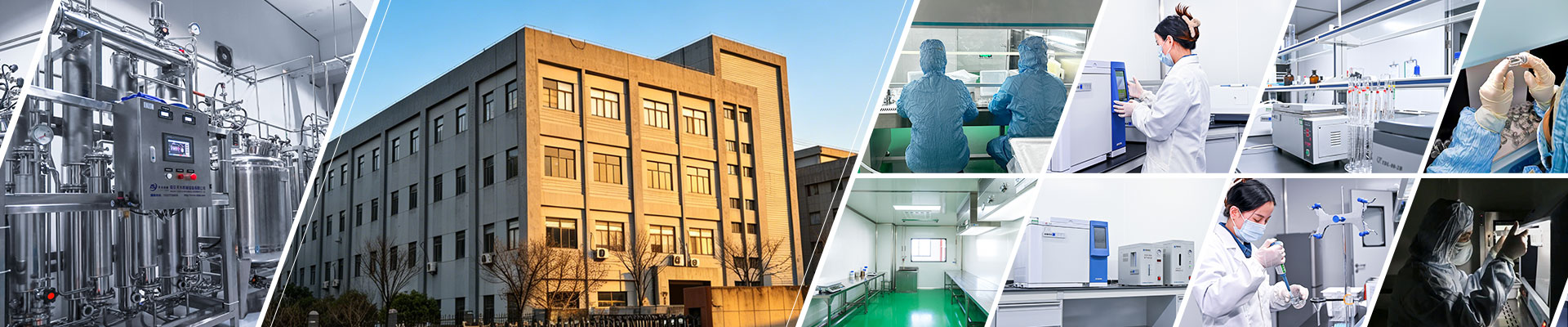
- Production environment monitoring: Cleanroom particle counts, temperature, humidity, and pressure differentials are automatically recorded every 15 minutes, with real-time alerts sent to production managers if readings fall outside acceptable ranges. All production staff complete full gowning protocol (sterile coveralls, hairnets, face masks, shoe covers, and hand sterilization) before entering clean zones, with no personal items allowed past the air lock.
- In-process testing: As batches move through mixing, cross-linking, and filling, quality control technicians pull samples every 30 minutes to test cross-link density, BDDE residual levels, pH balance, and viscosity. If any sample fails to meet specification, the entire in-progress batch is discarded immediately, rather than adjusted to cut costs.
- Sterilization validation: After filling and sealing, every batch goes through validated autoclave sterilization, with biological indicator spore tests run for every cycle to confirm complete sterilization. Batches that do not meet the 10^-6 sterility assurance standard are discarded.
- Finished product lab testing: Post-sterilization, samples from every batch are sent to an independent third-party lab (accredited to ISO 17025) to test for sterility, endotoxin levels, heavy metal content, and rheological properties (elastic modulus G’, viscosity, and extrusion force) to match the exact product specification shared with buyers.
- Packaging inspection: Every syringe is visually inspected for cracks, seal integrity, and correct labeling, with automated camera systems that reject any unit with print errors or packaging defects. Cartons and shipping boxes are checked for correct lot number, expiration date, and country-specific labeling requirements before being palletized.
- Final document review: Before any shipment leaves the factory, our quality team reviews the full batch record, COA (Certificate of Analysis), sterilization report, and compliance documents to make sure every piece of paperwork matches the product being shipped, so buyers do not face delays or seizures at customs.
We have seen factories cut corners at every single one of these steps. Some skip third-party testing to save $800 per batch, others reuse rejected raw material to cut material costs by 10%. Those shortcuts are why you see so many cheap fillers on the market that cause adverse reactions, get seized at customs, or fail to perform as advertised.
What Buyers Get When They Source From a Vetted GMP Certified Factory Through Supplierfiller
We do not sell product and ghost buyers the minute a shipment leaves the port. Every order placed through our platform comes with concrete support that eliminates the risk of sourcing from unvetted suppliers:
- Full, unredacted compliance documentation for every shipment: That includes GMP certificates, CE/FDA documentation, COAs for every batch, free sale certificates, and TSE/BSE declarations as needed for your market. If customs agents request additional documentation, our support team will provide the required paperwork within 24 hours, no endless back-and-forth with a factory that does not speak your language.
- Batch consistency guarantees: We keep retained samples from every production batch for 3 years after the expiration date, so if you ever notice a difference in product performance or have a quality concern, we can cross-check the retained sample against your reported issue to resolve it quickly. If a batch is confirmed to have a quality defect, we will issue a full refund or replacement shipment within 48 hours, no arguments.
- Transparent factory access: We do not hide our factory locations or prevent buyers from conducting audits. If you want to visit a production facility in person, or join a live virtual walkthrough of the cleanrooms and quality control labs before placing a large order, we will schedule that for you within 3 business days. No pre-recorded videos, no fake factory showrooms.
- Flexible private label support: For buyers building their own brand, our GMP factory partners offer custom formulation support (adjusting HA cross-link density, adding lidocaine, blending PDRN with other active ingredients) with full regulatory support to help you register products in your local market.
Next time a supplier throws out the phrase “GMP Certified Factory” in a sales pitch, slow down. Ask to see the full, unredacted certificate. Check the scope. Ask for their cleanroom classification. Ask how often they run endotoxin tests. If they can answer those questions quickly and provide verifiable documentation, you are likely talking to a legitimate partner. If they dodge the questions, rush you to place a deposit, or push pricing that seems too good to be true? Walk away. The money you save on a cheap quote will never cover the cost of a seized shipment, a product recall, or the reputational damage that comes from selling substandard injectable products to clinics and their patients.
You can browse our full catalog of GMP-manufactured dermal fillers, PDRN skin boosters, collagen stimulators, and post-care products directly on Supplierfiller.com, or reach out to our support team to request a copy of our partner factory audit reports and product documentation for your market.

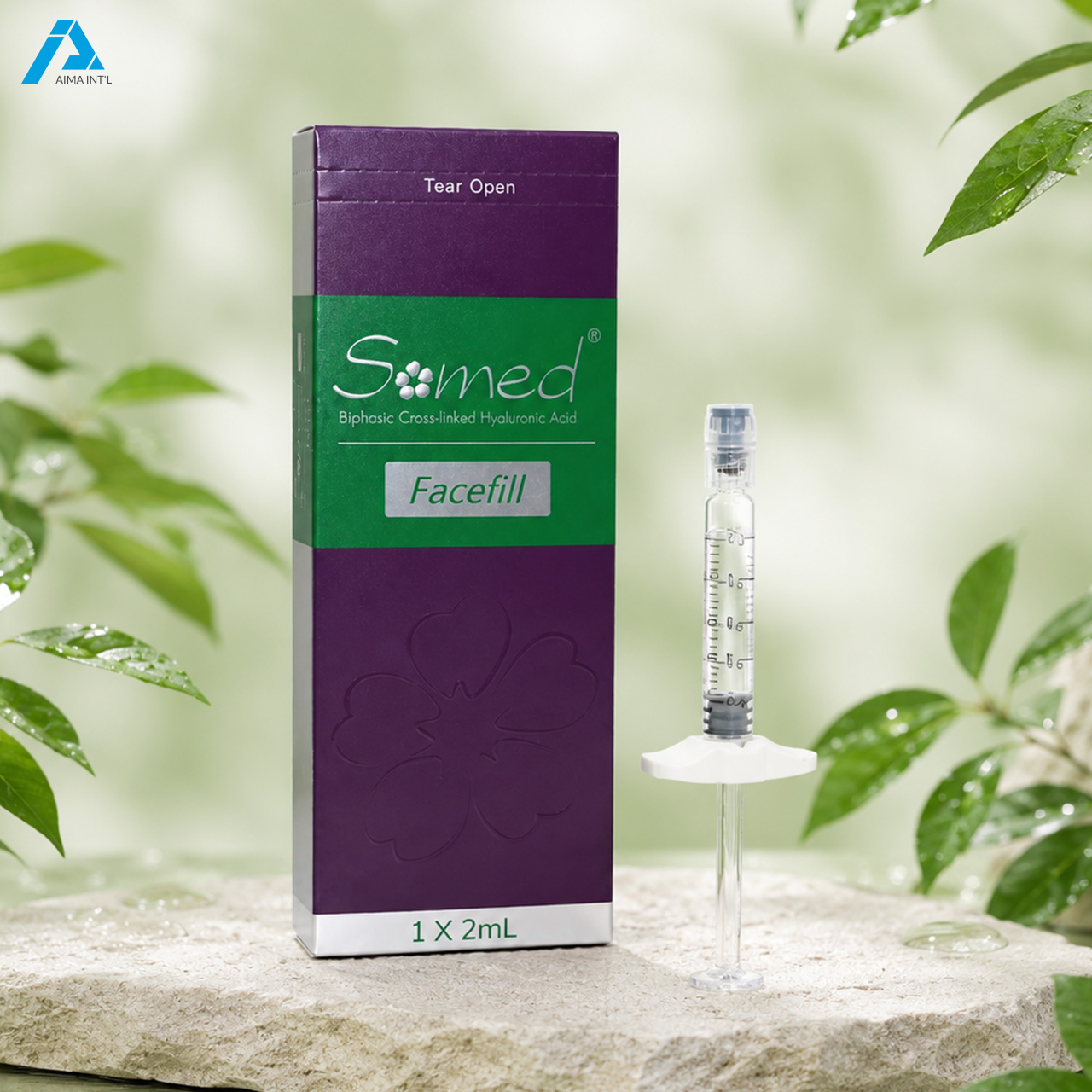

 Spain
Spain



.jpg)