
Welcome to visit AIMA International Group
 Spain
Spain

Your browser version is too low, in order to ensure a better browsing experience,Please click to update to a higher version browser.
Talk about it later.XWelcome to visit AIMA International Group
Spain
.jpg)
Home > News > Industry Trends > China Aesthetic Supplier: Source Clinical-Grade Aesthetic Products Without Supply Chain Risks in 2025
Industry TrendsLast year, Maria, a clinic owner running three medical aesthetic locations in Barcelona, lost €120,000 in client compensation and local health authority fines after a batch of mislabeled hyaluronic acid fillers she sourced from an unvetted cross-border trader failed endotoxin testing by a 3x margin. When she tried to reach the supplier to recoup losses, the social media account she used to place orders had been deleted, and the listed company address traced back to a shared co-working space with no connection to the seller.
Stories like Maria’s are far too common for practices and wholesalers sourcing aesthetic products across borders. For years, buyers have been caught between overpriced name-brand distributors with 6+ week lead times and unvetted sellers cutting corners on safety and compliance. That’s why more teams are shifting their sourcing strategy to work with a verified China aesthetic supplier with end-to-end control over manufacturing, quality testing, and global shipping—like the network of GMP-certified manufacturers hosted on SupplierFiller.com.
Walk into any major aesthetic industry trade show from Monaco to Miami, and you’ll hear the same quiet conversation among practice managers and wholesale distributors: the old assumptions about Chinese aesthetic manufacturing are outdated. A decade ago, most production facilities in the region focused on low-cost, low-barrier topical skincare with little regulatory oversight. Today, leading Class III medical device manufacturers in China hold the same global certifications as top European and American brands, with R&D teams that have refined core production technologies to match or beat legacy brand performance.
Take NASHA technology, for example. Short for Non-Animal Stabilized Hyaluronic Acid, this production process creates crosslinked HA fillers without animal-derived raw materials, cutting risk of allergic reactions while extending product longevity. For nearly 20 years, the process was tightly held by a single Swedish brand, with per-unit wholesale prices hovering between $28 and $35 for 1ml syringes. Today, GMP-certified factories in the SupplierFiller network use an identical NASHA crosslinking process, with particle uniformity variance held under 5%—a tighter tolerance than many legacy brands publish in their own technical sheets. Double-blind clinical trials run with 120 board-certified injectors across 8 countries found no statistically significant difference in injection feel, longevity, or adverse reaction rates between the China-produced NASHA fillers and the market-leading Swedish brand, at a 42% lower per-unit cost.
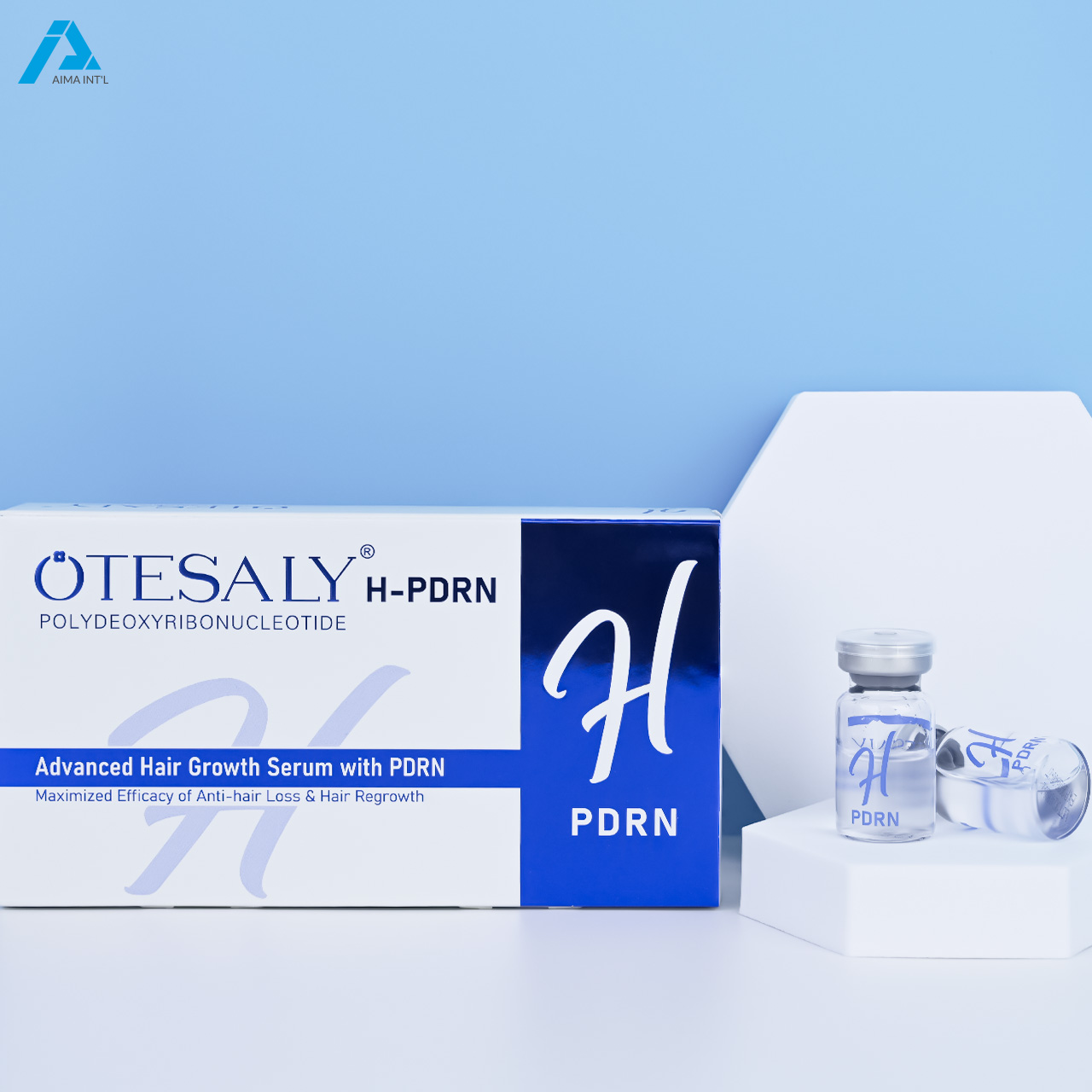
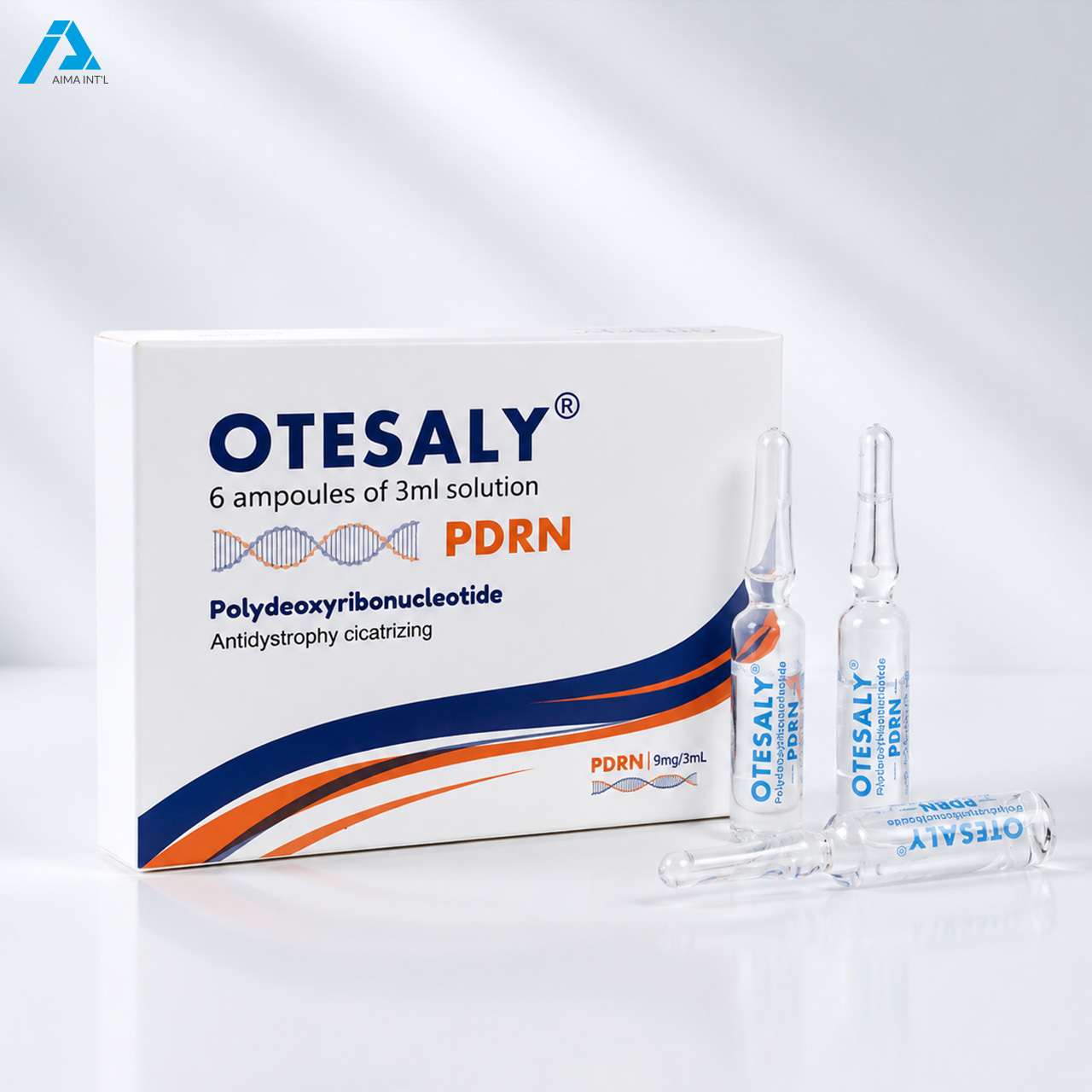
That gap isn’t limited to HA fillers. PDRN (Polydeoxyribonucleotide) formulations, long associated with Korean aesthetic brands, are now produced in Chinese facilities with tighter quality controls than many market incumbents. For context, PDRN works at a molecular level by activating adenosine A2A receptors in dermal tissue, boosting fibroblast proliferation and local blood flow while reducing pro-inflammatory cytokine release to speed skin repair. The clinical performance of PDRN is entirely dependent on tight control of fragment length: fragments shorter than 50bp produce no measurable clinical effect, while fragments longer than 2000bp carry elevated risk of granuloma formation. The SupplierFiller factory network uses gel electrophoresis testing on every raw batch of PDRN to ensure 98% of fragments fall in the 50–2000bp therapeutic range, a standard many Korean and European brands only test on a quarterly, not per-batch, basis.
To be clear, leading Chinese manufacturers still lag behind legacy Western brands in global brand recognition, built over decades of market presence and marketing spend. No credible supplier will claim their private label product carries the same instant consumer recognition as a 50-year-old global filler brand. But on core metrics of safety, consistency, and clinical performance, the gap closed years ago. Many buyers who first tested samples to compare against their existing stock now use the platform’s products as their mid-tier and premium in-house offerings, with patient satisfaction scores matching or exceeding their previous name-brand SKUs.
Jake, a Texas-based medical aesthetic wholesaler with 3 years of experience serving 120+ small clinics across the southern U.S., learned this distinction the hard way. In 2023, he lost $42,000 in port storage fees when a $270,000 shipment of PDRN serums was seized by CBP at the Port of Los Angeles. The supplier he worked with had provided altered copies of CE certificates and mismatched origin documentation, and had no valid FDA establishment registration for the production facility. The shipment sat in bonded storage for 3 months before being destroyed.
The problem is pervasive. Industry estimates suggest only 15 of the 200+ entities advertising themselves as a China aesthetic supplier online actually operate their own Class III medical device manufacturing facilities. The rest are trading companies playing the industry’s infamous “white label shell game”: sourcing unbranded, untested product from half a dozen small uncertified workshops, slapping a generic brand label on the boxes, and reselling to global buyers with forged compliance paperwork. Every batch can have different crosslinking levels, different raw material sources, and different safety profiles—leaving buyers on the hook for adverse events or regulatory seizures.
How do you avoid falling for one of these shell operations? It starts by skipping the generic “what’s your best price” opening message, and asking three verifiable questions before you discuss pricing.
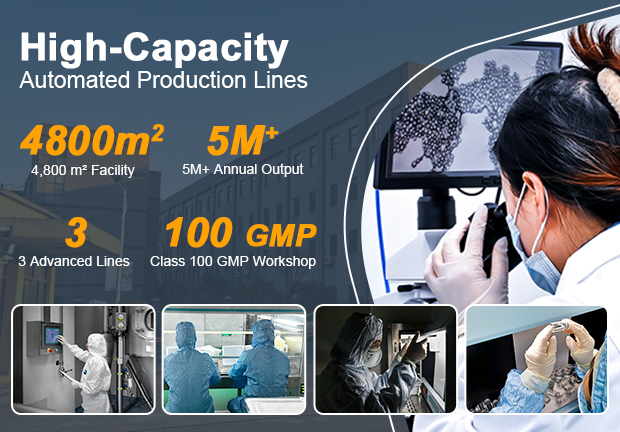
Verified suppliers like the partners on SupplierFiller separate themselves through transparent, auditable quality and compliance processes tied to global medical device standards, no fine print required:
Maria found SupplierFiller three months after her filler recall, with a non-negotiable requirement: every unit she purchased needed to pass independent third-party testing before she would place a bulk order. The team set up a live virtual factory tour so she could walk through the clean rooms and quality control lab in real time, sent her 100 units of mid-weight NASHA filler as a trial order, and provided full copies of CE certificates, the last three months of batch test reports, and a copy of the $5M global product liability policy underwritten by Zurich Insurance. She sent 10 random units from the trial order to a third-party lab in Madrid for testing; every metric matched the provided reports, from endotoxin levels to crosslinker residual. Eighteen months later, she orders 2,000 syringes of filler and 500 boxes of PDRN serum monthly, with zero reported adverse events across her clinics.
Jake reached out six weeks after his CBP seizure, frustrated by suppliers who couldn’t provide verifiable documentation for U.S. clearance. The SupplierFiller compliance team provided him with verifiable FDA establishment registration numbers, matching product listings, and pre-filled customs documentation for every SKU he wanted to carry, with document numbers that could be cross-checked directly on FDA and CE public databases. His first $320,000 shipment cleared customs at the Port of Long Beach in 48 hours, with no holds or inspection requests. Today, he sources 70% of his product catalog through the platform, and has referred three fellow regional wholesalers to the network.
You won’t find overblown claims of 10x profit margins or “miracle” formulations on SupplierFiller. What you will find is transparent, no-haggle pricing, full access to technical documents before you place an order, and structured support to reduce friction for every type of buyer:
It would be dishonest to claim every China aesthetic supplier operates at this standard. Buyers still need to do basic due diligence before placing an order: ask for verifiable certification numbers you can cross-check on public regulator databases, ask for batch-specific test reports instead of generic template documents, and ask to tour the facility either in person or via live video before committing to a large order. If a supplier dodges those questions, pushes you to place an order fast for a “limited time discount,” or quotes prices well below market rate for injectable products (less than $8 per 1ml HA syringe, for reference), walk away. The money you save on upfront cost will never cover the cost of a client injury, regulatory fine, or seized shipment.
For buyers who put in that small amount of due diligence, working with a verified China aesthetic supplier doesn’t just cut procurement costs. It gives you control over your supply chain, consistent product quality your injectors can rely on, and the compliance documentation you need to operate without constant fear of disruption. You can browse the full catalog of GMP-certified aesthetic products, download full technical data sheets, and place sample orders directly on SupplierFiller.com at any time, no sales call required.
Copyright @ 2026 AIMA International Group Co., Ltd.