
Welcome to visit AIMA International Group
 Spain
Spain

Your browser version is too low, in order to ensure a better browsing experience,Please click to update to a higher version browser.
Talk about it later.XWelcome to visit AIMA International Group
Spain


.jpg)
Home > News > Industry Trends > Bulk Dermal Fillers: The 2025 Guide for Clinics, Distributors & Med Spas Sourcing Compliant, High-Margin Stock
Industry TrendsIf you run an aesthetic clinic, medical spa, or regional distribution business, you’ve done the math. Retail-priced dermal fillers eat up 40-60% of your per-treatment profit margin. Bulk dermal fillers cut that cost dramatically.
The savings are real. So are the risks.
Spend 10 minutes scrolling wholesale supplier listings, and you’ll find prices ranging from $18 per unit to $80 per unit for seemingly identical HA filler. Sorting legitimate, compliant stock from counterfeits, gray market goods, and low-quality knockoffs takes more than comparing price tags. It requires knowing exactly what goes into manufacturing premium fillers, what compliance documents you need to protect your business, and which suppliers actually have the factory access and quality control processes to deliver on their promises.
That’s exactly what we cover in this guide, built from 8 years of supplying bulk dermal fillers to 1200+ clients across 62 countries via supplierfiller.com.
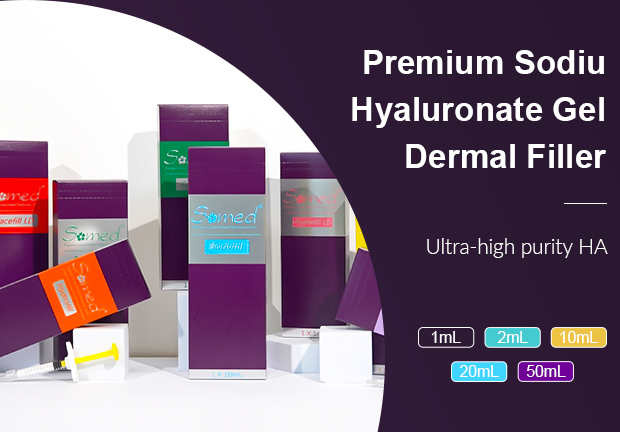
Bulk dermal fillers refer to factory-direct orders of hyaluronic acid (HA), biostimulatory, or collagen-stimulating fillers sold at tiered wholesale pricing, with minimum order quantities (MOQs) starting as low as 50 units for in-stock SKUs, scaling to 10,000+ units for private label and large distribution contracts. This is not the same as gray market “split box” stock sold by unvetted social media resellers, or counterfeit product packaged to look like name-brand fillers.
Legitimate bulk stock comes off the exact same production lines as retail-branded fillers, with identical formulation, sterility, and safety testing. The only differences are the price point (no 3-5 layers of distributor markup), packaging options (plain white label, custom branded, or clinical bulk packs), and direct access to factory support for order customization.
This sourcing model works best for:
Every week, our team talks to clinic owners and distributors who lost tens of thousands of dollars (or their professional licenses) chasing the lowest possible bulk filler price. Two recent examples stick out.
Last year, we worked with Luna, a med spa owner in Miami who ran a boutique anti-aging clinic serving high-net-worth clients. She initially sourced bulk dermal fillers from an unvetted third-party trader offering prices 32% below average market rates, skipping document verification because the upfront savings looked too good to pass up. Three weeks after administering the stock to 11 clients, 3 of them developed persistent late-onset redness and firm nodules at injection sites. Lab testing of leftover stock showed BDDE (the cross-linking agent used in HA fillers) residues were 3.2x the EU regulatory limit, with no trace of valid CE marking or biocompatibility test reports. She ended up paying $127,000 in client refunds, corrective treatment costs, and legal fees, and spent 3 months fighting a state medical board investigation that nearly revoked her clinic’s operating license.
Markus, a German aesthetic distributor supplying 27 clinics across Bavaria, ran into a different problem in early 2024. He had spent 3 years building his supply relationship with a European bulk filler brand, when a factory production line shutdown left him with a 6-week stock backorder with zero advance notice. He lost 5 of his long-term clinic clients to competitors during the gap, and saw his quarterly revenue drop 18% before he reached out to our team. His biggest priority wasn’t rock-bottom pricing—it was predictable lead times, flexible MOQs for high-demand SKUs (like lip filler and jawline contour filler), and verifiable compliance documents that would hold up to EU MDR audits.
These aren’t isolated incidents. The most common risks of working with unvetted bulk suppliers include:
Not all dermal fillers are created equal, even if “hyaluronic acid” is listed as the first ingredient. The gap between a product that delivers natural, long-lasting results with minimal side effects and one that causes complications comes down to manufacturing technology and quality control—details many suppliers never share with buyers.
Before placing a bulk order, you should be able to ask suppliers to break down the core technologies used in their filler lines, and verify test data to back up their claims. The three most common manufacturing technologies in modern filler production are:
All dermal fillers are classified as Class III medical devices in most global markets, which requires a full suite of safety testing before any batch is released for sale: intracutaneous reactivity screening for irritation, genotoxicity testing to rule out carcinogenic risk, pyrogen and endotoxin testing to prevent post-injection inflammation, and 14-day sterility testing to confirm no bacterial or fungal contamination. If a supplier brushes off questions about these testing protocols, or can’t provide batch-specific test data, they are not selling legitimate medical-grade product.
For decades, clinic owners and distributors assumed premium dermal fillers could only be sourced from European or North American brands, with layered markups that ate up half or more of per-treatment profits. Today, GMP-certified aesthetic manufacturers in China have become the trusted bulk filler source for distributors and brands across 60+ countries, thanks to vertically integrated supply chains, strict quality control, and flexible customization options legacy Western brands cannot match.
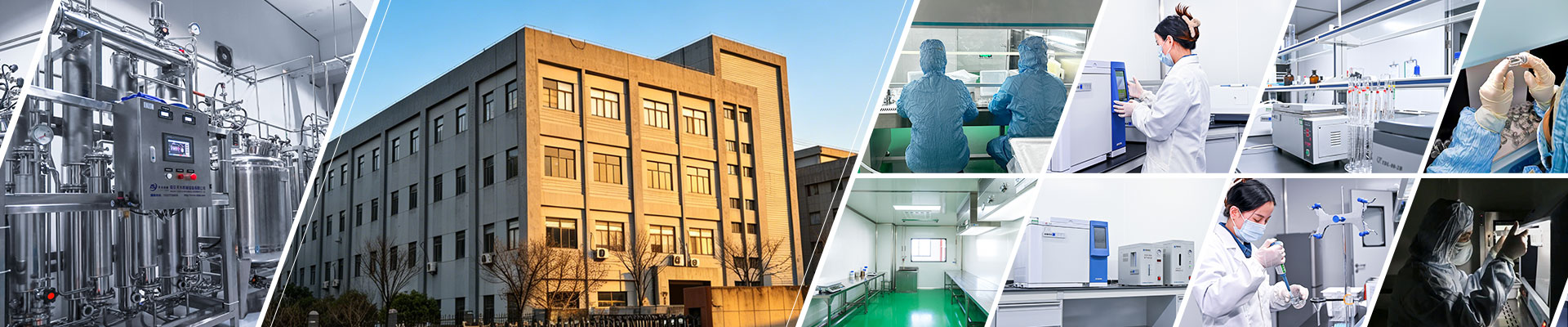
As a leading China Aesthetic Supplier operating via supplierfiller.com, our GMP-certified factory runs a 7-step quality control process for every batch of bulk fillers, no matter the order size:
Our facility holds full ISO 13485:2016 medical device quality management certification, ISO 10993 biocompatibility certification for all product lines, CE 2764 certification under EU MDR regulations, and FDA establishment registration for our export product lines. Unlike trading companies that resell stock from unknown third-party factories, we own our entire production chain, from raw material HA fermentation to finished product packaging, which lets us keep standard bulk order lead times to 7-10 days, even during peak demand periods. For Markus, the German distributor, that meant he was able to restock his entire high-demand lip filler and jawline filler inventory in 9 days, with fully compliant EU MDR documentation that let him pass his regional regulatory audit 2 weeks later, and win back 3 of the clients he lost during his previous supply shortage.
We don’t claim our products cause zero adverse events. Any medical aesthetic procedure carries inherent risk, and individual patient immune responses can vary even with the purest, most carefully tested product. What we do offer is full transparency and end-to-end support for every order, so you never have to guess what you’re getting, or navigate problems alone after your shipment arrives.
Every bulk order placed via supplierfiller.com includes:
Q: Are bulk dermal fillers lower quality than the name-brand retail fillers I currently purchase?
A: When you source directly from a GMP-certified factory like ours, the gel inside the syringe is chemically identical to product sold under premium retail brands. Many top retail filler brands source their bulk gel from the same manufacturing facilities we operate, then add their own branding and 300-400% markup. The only difference is packaging, price, and access to customization.
Q: Can I order lidocaine-infused fillers in bulk?
A: Yes. All our standard HA filler lines are available with 0.3% lidocaine to reduce patient discomfort during injection, formulated to maintain consistent gel viscosity even with the added anesthetic. We also offer lidocaine-free options for patients with known lidocaine sensitivities.
Q: How long do bulk dermal fillers last in storage?
A: All our products have a 3-year shelf life from the date of manufacture when stored at 2-25°C, away from direct sunlight. We never ship products with less than 24 months of remaining shelf life for bulk orders, so you have plenty of time to use or distribute your stock without worrying about expired product.
Q: Do you offer sample orders before I place a large bulk purchase?
A: Absolutely. We encourage all new clients to order a 5-unit sample pack of the SKUs they’re interested in, to test product texture, injection feel, and clinical results before committing to a larger order. Sample packs ship with the same full compliance documentation as bulk orders, so you can verify paperwork before scaling up.
If you’ve been overpaying for retail filler stock, dealing with unreliable supply gaps, or worrying about compliance risks from unvetted sellers, you don’t have to navigate the bulk dermal filler market alone. You can browse our full product line, access real-time bulk pricing calculators, and request sample packs directly at supplierfiller.com, or reach out to our team to talk through your specific sourcing needs—whether you run a single 2-treatment-room med spa or a national distribution network serving hundreds of clinics.
Copyright @ 2026 AIMA International Group Co., Ltd.