
Welcome to visit AIMA International Group
 Spain
Spain

Your browser version is too low, in order to ensure a better browsing experience,Please click to update to a higher version browser.
Talk about it later.XWelcome to visit AIMA International Group
Spain


.jpg)
Home > News > Industry Trends > Dermal Filler Manufacturer: A Complete Guide to Sourcing Safe, High-Yield Products for Aesthetics Practices & Wholesale Brands
Industry TrendsLast year, we sat across from Marta, a procurement director for a 7-clinic medical aesthetics chain based in Madrid, at our GMP-certified production facility. She pulled out a stack of legal bills and patient complaint forms, detailing how a batch of unvetted dermal fillers sourced through a local middleman had triggered delayed-onset redness and nodule formation in 3 of her clinic’s patients. The total cost of patient settlements, legal fees, and temporary regulatory scrutiny came to just under €120,000. Her first question to our team wasn’t about price per unit. It was, “Can you show me batch-specific test reports for every single box of filler I order, not a generic certificate that covers 6 months of production?”
Marta’s story isn’t an anomaly. Search for “dermal filler manufacturer” online, and you’ll sift through pages of trading companies posing as factories, white-label resellers cutting corners on quality control, and unregulated operations selling products with unlisted ingredients that put patients and businesses at massive risk. For clinic owners, wholesale distributors, and independent aesthetics brands building their own product lines, the gap between a legitimate manufacturer and a fly-by-night supplier can mean the difference between a thriving, referral-driven business and a costly, reputation-ruining disaster.
What Separates a Legitimate Dermal Filler Manufacturer From Unvetted Trading Companies?
A huge share of suppliers popping up in search results for dermal fillers are not manufacturers at all. They are trading companies that source bulk, unbranded product from unregulated small workshops, slap custom labels on boxes, and resell to global buyers with little to no quality oversight. The gap between these operations and a real Class III Medical Device Manufacturer shows up in the details most buyers don’t know to ask about.
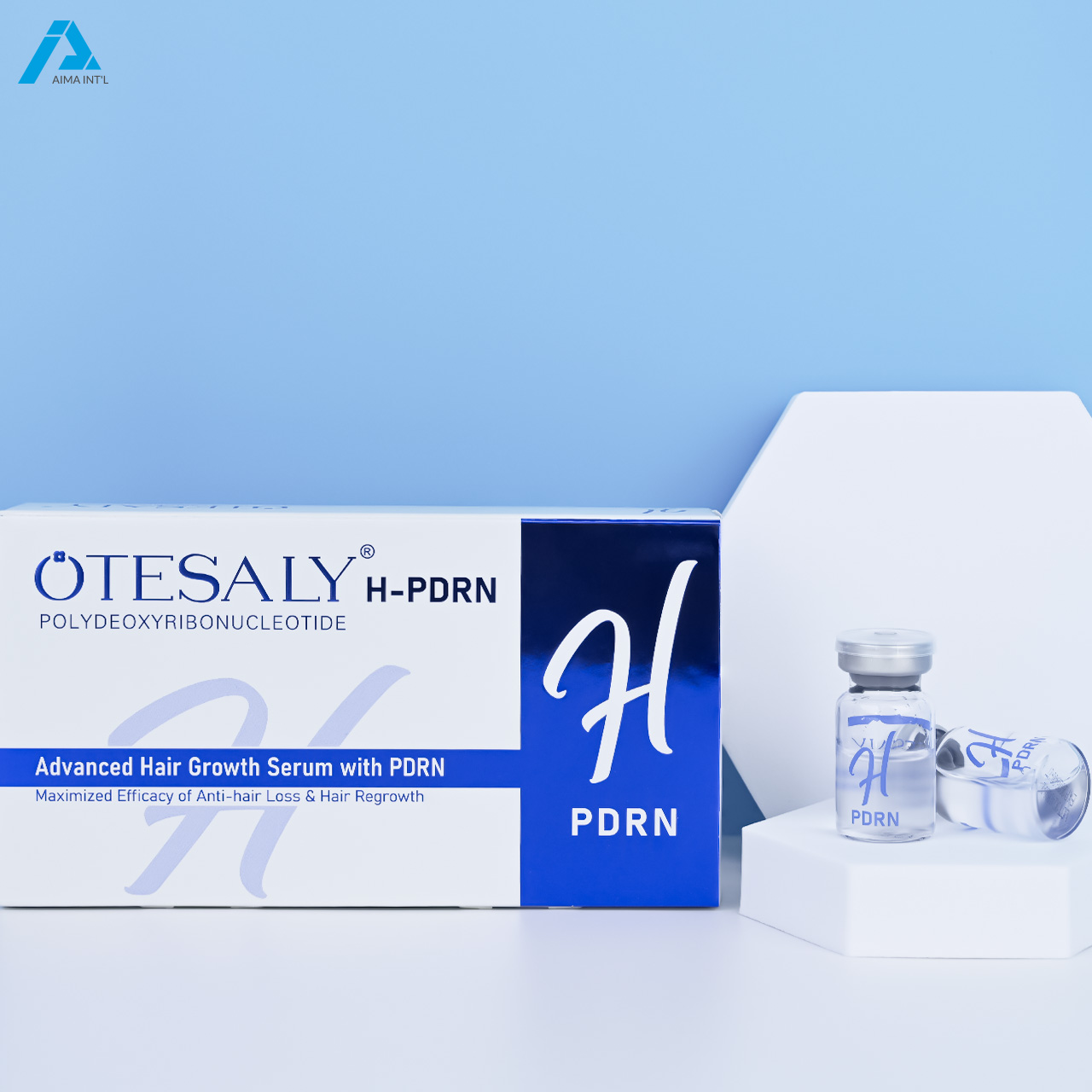
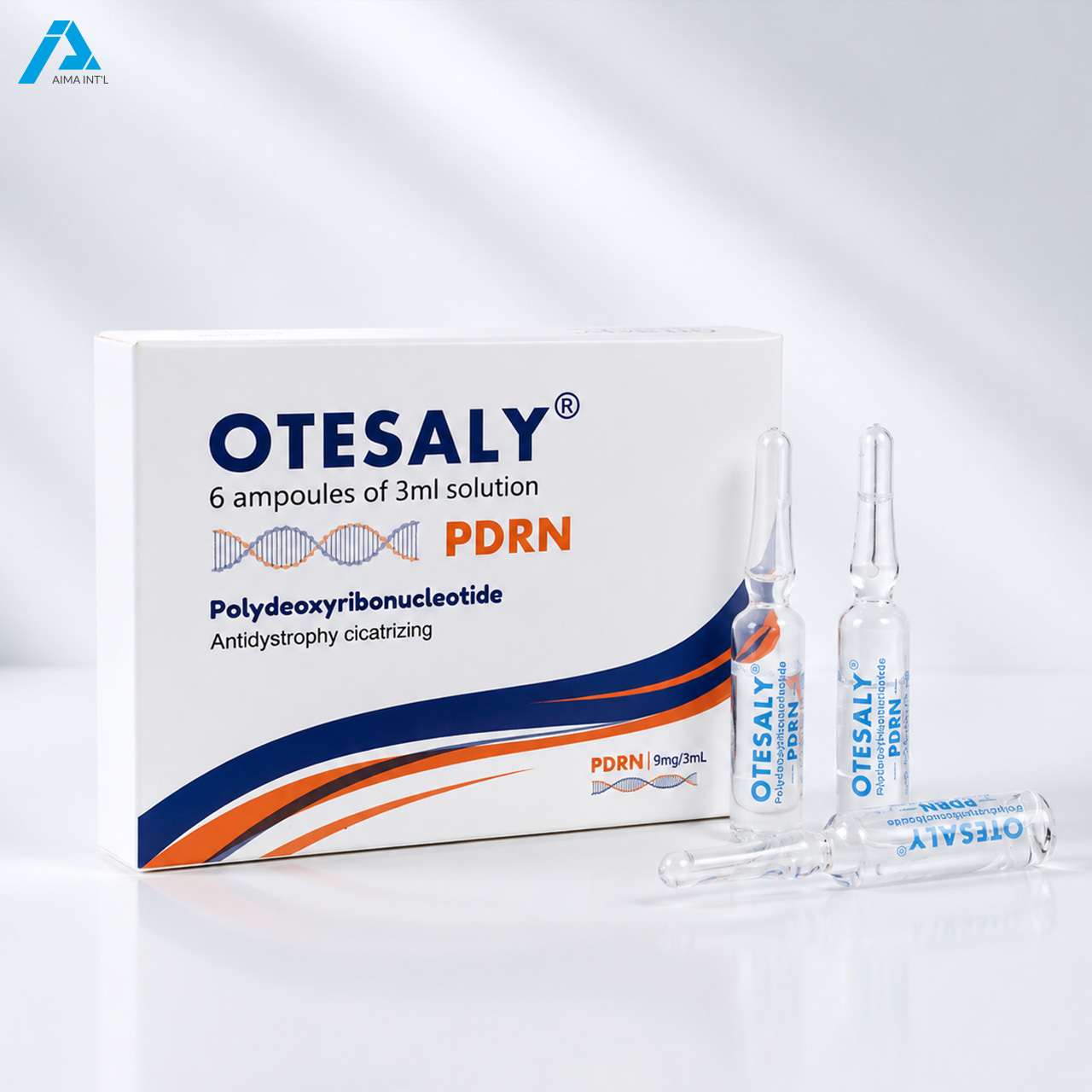
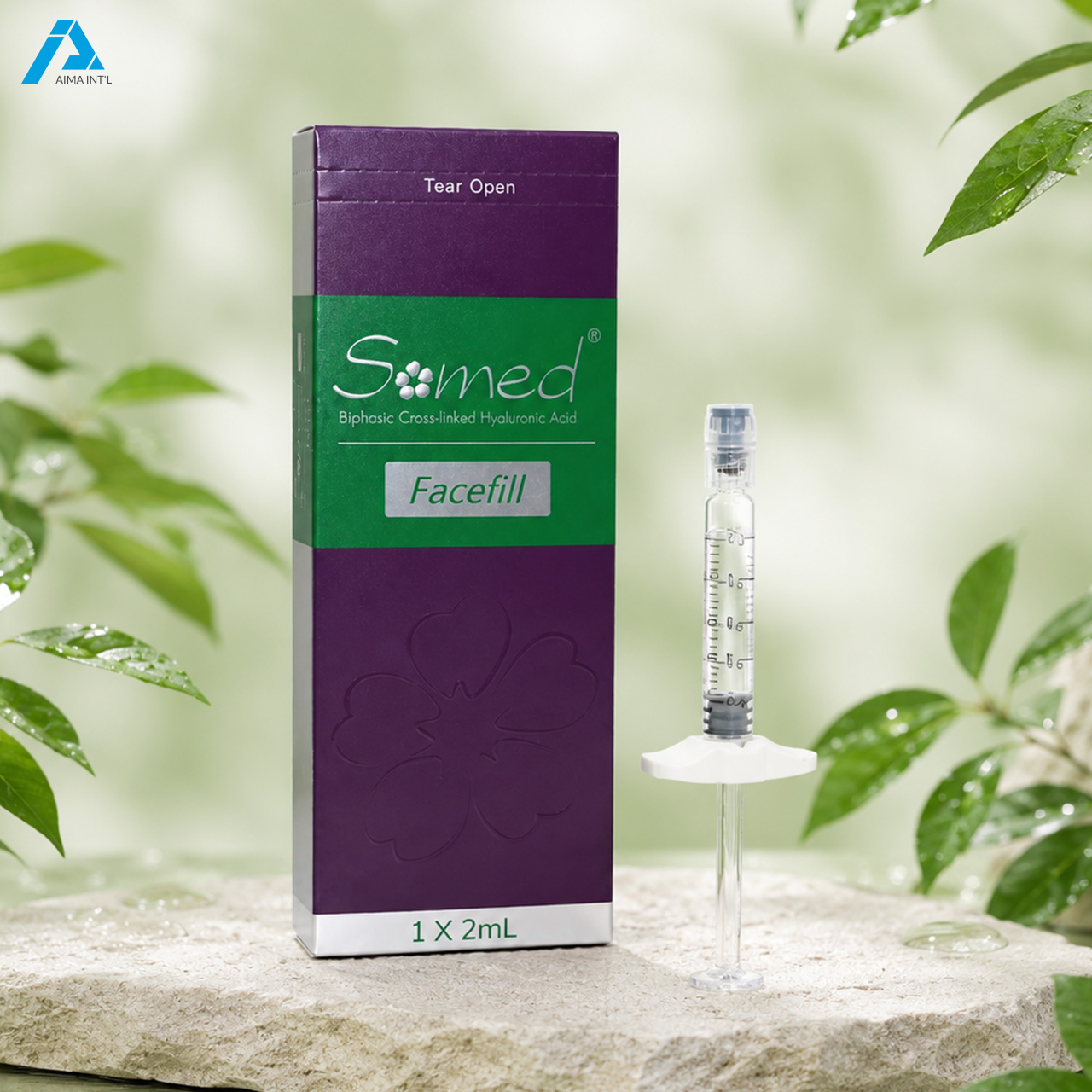
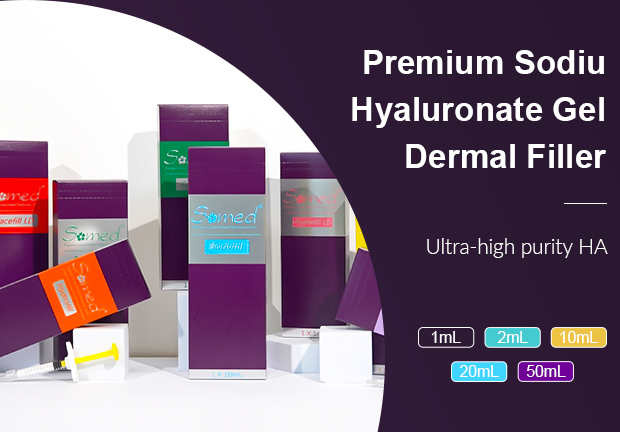
Take core production technology as a starting point. Any legitimate manufacturer will be able to walk you through the exact science behind their formulations, no vague marketing language allowed. For example, our facility uses NASHA (Non-Animal Stabilized Hyaluronic Acid) technology for our core HA filler line. The process uses streptococcal fermentation to produce HA raw material, with zero animal-derived protein residues that trigger immune reactions in sensitive patients. During the cross-linking process, we control BDDE (1,4-butanediol diglycidyl ether) residual levels to below 0.02mg/kg—stricter than the 0.1mg/kg threshold set by the EU MDR and US FDA. We also produce PDRN-infused fillers, and we don’t hide the mechanism behind the formulation: PDRN (Polydeoxyribonucleotide) consists of 50–2000kDa DNA fragments extracted from salmon milt, which bind to adenosine A2A receptors on dermal fibroblasts to boost type I collagen production, rather than acting as a simple volumizing agent. Most trading companies can’t explain the molecular weight range of the PDRN they sell, let alone share test data proving the ingredient is sourced to specification.
Remember Jake, the founder of a small boutique aesthetics brand based in Miami? He reached out to us in 2022 after losing $270,000 in dead inventory from a previous supplier. He’d commissioned a custom high-G-prime jawline filler formulated with lidocaine, but the manufacturer only ran a 7-day accelerated stability test on the formulation before shipping 18,000 units. After 6 months on shelves, the extrusion force of the filler fluctuated by 30% across units—some syringes required so much pressure to push that injectors couldn’t control product placement, leading to lumps and uneven results for customers, and an 18% negative review rate across his sales channels. The factory refused to take responsibility, claiming the product “passed initial testing.”
That’s the exact risk you run when you work with a supplier that doesn’t own its production line. Trading companies don’t have control over cross-linking consistency, raw material sourcing, or stability testing. They can’t adjust formulations on demand, and they can’t trace a problem back to a specific production run when issues arise.
Non-Negotiable Credentials to Verify Before Partnering With a Dermal Filler Manufacturer
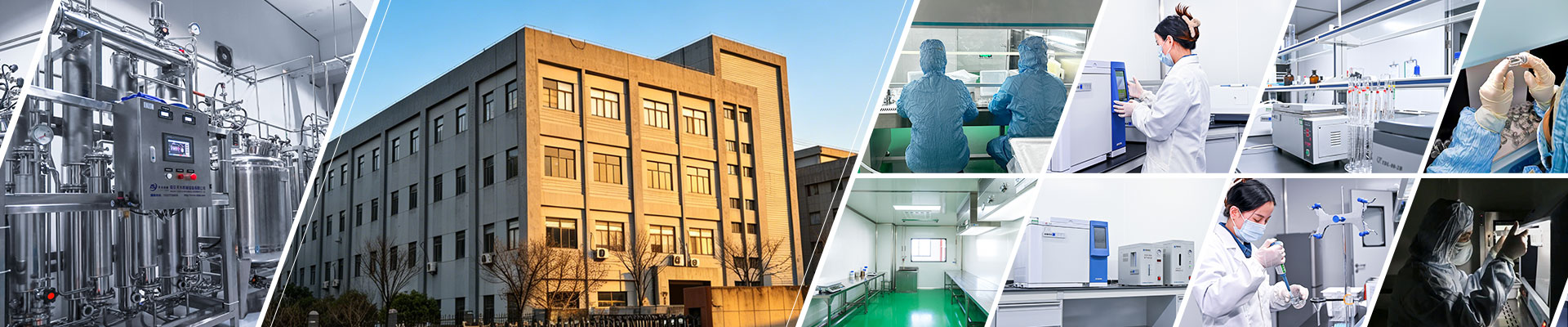
You don’t have to fly across the world to audit a factory to confirm it’s legitimate, but you do need to ask for specific, verifiable documentation—not generic marketing claims of being “certified.” As a China Aesthetic Supplier that has served global clients for over 12 years, we make all of the following documentation available to every client, no NDA required for standard credentials:
Have you ever had a supplier send you a CE certificate that expired 2 years prior, or that covers a completely different product category than the fillers you’re ordering? We hear that story from at least 3 new clients every month. Credentials aren’t marketing logos to slap on a website—they are proof a manufacturer has systems in place to keep patients safe, and to keep your business compliant with local regulators.
Common Sourcing Pain Points (And How a Real Manufacturer Solves Them)
Most of the clients who reach out to us at supplierfiller.com have already dealt with the same handful of frustrations, whether they run a single small clinic or a multi-country wholesale distribution network.
For clinic owners like Marta, the biggest risk is inconsistent product safety that leads to patient harm. The middleman she worked with previously sourced fillers from a small workshop that only ran endotoxin testing once per quarter to cut costs—each endotoxin test for a production batch costs roughly €2,200, so skipping it for 2 out of every 3 batches adds up to significant savings for unethical operators. Those savings aren’t worth the risk of patient injury. When Marta first reached out, we sent her 3 samples from separate production batches, along with full batch-specific test reports, and encouraged her to send the samples to SGS for independent third-party testing. The lab results showed less than 2% deviation from the test data we provided. Over 18 months of partnership, her clinics have used more than 4,200 syringes of our fillers, with zero reports of adverse reactions linked to product quality.
For brand owners like Jake, the biggest pain point is inflexible MOQs and lack of custom formulation support. Many European and Korean dermal filler manufacturers require MOQs of 5,000+ units for custom formulations, putting custom branded products out of reach for small and mid-sized brands. We offer custom formulation support for clients starting at 500 units per SKU, with an in-house R&D team that can adjust cross-link density, G-prime, lidocaine content, and added active ingredients (like PDRN, amino acids, or calcium hydroxyapatite) to match a brand’s exact performance needs. For Jake’s jawline filler, our team developed 3 sample formulations with a 12mg/g cross-link density, 0.3% lidocaine, and 200Pa G-prime for sharp, long-lasting support. We ran full 6-month stability testing at 25°C and 1-month extreme temperature testing at 40°C to confirm extrusion force, pH, and cross-link density stayed within a 5% variation range across the full 24-month shelf life. Today, that jawline SKU is his top-selling product, with a 1.2% negative review rate, and he placed a 12,000-unit reorder last quarter.
Even wholesale distributors who sell to other clinics run into consistent pain points: stock shortages during peak season, hidden fees, and zero post-sales support. We run 3 fully automated filling lines at our facility, with a monthly production capacity of 1.2 million syringes, and we keep 300,000+ units of core SKUs in stock at all times. Standard wholesale orders ship within 48 hours, even during the busy Q4 aesthetic season leading up to holiday events, so distributors never have to tell their clinic clients they’re out of stock for weeks at a time.
Post-Sales Support That Actually Delivers
Plenty of suppliers will answer your sales emails quickly before you place an order, only to go radio silent when you have an issue after delivery. Our Medical Aesthetics Wholesale program is built to eliminate that stress for clients.
We ship all orders via dedicated DHL and FedEx medical cold chain routes, with a temperature logger included in every shipment to confirm products stay within the required 2–25°C storage range for the entire transit. If temperature logs show the shipment was exposed to conditions outside that range, or if packages arrive with damaged packaging or broken syringes, we reship the affected units for free within 48 hours, no lengthy claim process required. Last year, a small clinic owner in Portugal reached out to our support team after realizing his 20-unit order of mid-dermal filler had been stored next to a heater in his clinic storage closet for 3 days, reaching temperatures of 38°C. He was worried the product had degraded and would be unsafe to use on patients. We sent him a replacement 20-unit order at no cost, no questions asked. Small clinic owners don’t have the budget to absorb lost inventory, and we don’t think they should have to.
We also provide free clinical training for all partner clinics, led by a team of injectors with 10+ years of clinical experience working with dermal fillers. Training covers injection depth for each product SKU, recommended dosage per treatment area, adverse reaction management protocols, and guidance to avoid common complications like vascular occlusion. We don’t sell products and leave clients to figure out the rest on their own.
We also don’t push unproven, high-risk products to boost margins. You won’t find us selling “permanent fillers” made of unapproved silicone or polyacrylamide gel, or products containing unregulated growth factors that cause uncontrolled tissue growth. Every product we manufacture is fully biodegradable, with published clinical safety data, and compliant with global medical device regulations. We’re transparent about product limitations too: our HA fillers last 6–18 months depending on the SKU and treatment area, not “3+ years” like some suppliers claim with no data to back it up. Our CaHA fillers last 12–24 months, with predictable, even degradation that doesn’t leave lumps under the skin.
If you’re sifting through search results trying to find a dermal filler manufacturer you can trust, skip the trading companies making unrealistic promises. Look for specific, verifiable quality control processes, third-party audited credentials, transparent batch testing, and a track record of standing behind products after delivery. You can book a free virtual tour of our production facility, request free product samples, or ask for a full set of compliance documents any time through supplierfiller.com—no sales pressure, no fine print.
Copyright @ 2026 AIMA International Group Co., Ltd.