
Welcome to visit AIMA International Group
 Spain
Spain

Your browser version is too low, in order to ensure a better browsing experience,Please click to update to a higher version browser.
Talk about it later.XWelcome to visit AIMA International Group
Spain
.jpg)
If you are a clinic owner, brand founder, or aesthetic distributor scanning for a reliable CE marked skin rejuvenation OEM partner, you already know the market has changed. Two years ago, you could source skinboosters from almost any GMP factory and slap your label on it. Today, regulators in the EU, UK, and even parts of Southeast Asia are demanding actual CE certification documents, not just a factory brochure. The brands that survive this wave are the ones that locked in a transparent, compliant OEM supply chain early.
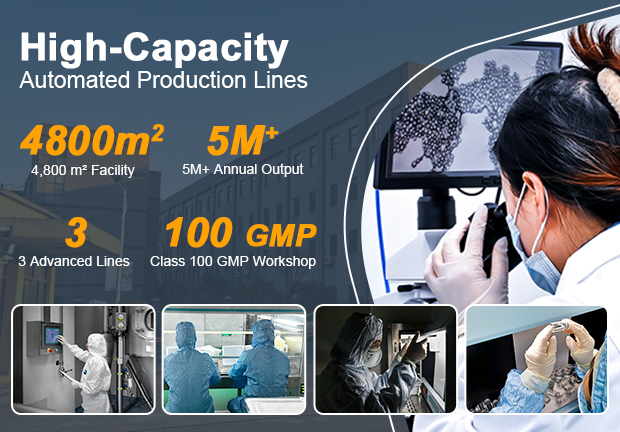
This guide walks you through everything you need to know about sourcing CE marked skin rejuvenation products for your private label brand — from what “CE marked” actually means in practice, to which skin rejuvenation SKUs give you the best margin, to how AIMA International manufactures these products in its Class 100 GMP facility in China.
“CE marked” is not a marketing sticker you can stick on any cosmetic syringe. For skin rejuvenation injectables — whether they are hyaluronic acid based, PDRN based, or collagen based — CE marking falls under EU Medical Device Regulation (MDR) 2017/745. The product must be classified as a Class IIa or higher medical device, and it must go through a conformity assessment by a notified body.
Here is what that looks like on the ground:
AIMA International holds Class III medical device manufacturing licenses in China and has built its entire skin rejuvenation line to meet EU MDR requirements. That means every batch of OTESALY skinboosters comes with the full documentation trail — CE certificates, SGS test reports, and batch-specific CoA (Certificate of Analysis).
The global skin booster market is projected to exceed $3.2 billion by 2027, up from roughly $2.1 billion in 2023. That growth sounds great until you look at the other side of the coin: ingredient costs have climbed, and the gap between factory gate price and retail price has become a selling point for brands looking to protect their margins.
Consider this scenario. A mid-sized clinic chain in Germany was buying branded Korean skinboosters at $85 per syringe. Their retail price was $220 per treatment. When the supplier raised prices by 18% mid-contract, the clinic’s margin dropped from 61% to 48%. They started sourcing a private label CE marked PDRN skinbooster from AIMA at $40 per unit instead. Same PDRN concentration. Same Class 100 GMP manufacturing. Their margin jumped back to 82%.
That is not an outlier. Across our 521 brand partnerships, the average client who switches to our OEM skin rejuvenation line sees their gross margin improve by 25 to 35 percentage points within the first year.
Not all skin rejuvenation injectables do the same thing. Your product lineup should match the treatments your clients actually ask for. Here are the three most common categories:
Hyaluronic Acid (HA) Skinboosters — These deliver deep hydration and improve skin elasticity. Think of them as “IV fluids for your skin.” They are the workhorse of any skin rejuvenation menu and typically command the highest repeat purchase rate because clients need touch-ups every 4 to 6 months.
PDRN (Polydeoxyribonucleotide) Skinboosters — PDRN is extracted from salmon sperm DNA and works at the cellular level to stimulate collagen production and tissue regeneration. The clinical data is genuinely impressive: multiple randomized controlled trials show significant improvement in skin texture, fine lines, and firmness after a course of PDRN mesotherapy. For brands, PDRN products sit in a premium price tier because the manufacturing process is more complex than standard HA.
Collagen Injection Skinboosters — These provide immediate volumizing effects while also stimulating the body’s own collagen synthesis over time. They are less common than HA or PDRN but command high prices because few suppliers offer them with proper CE certification.
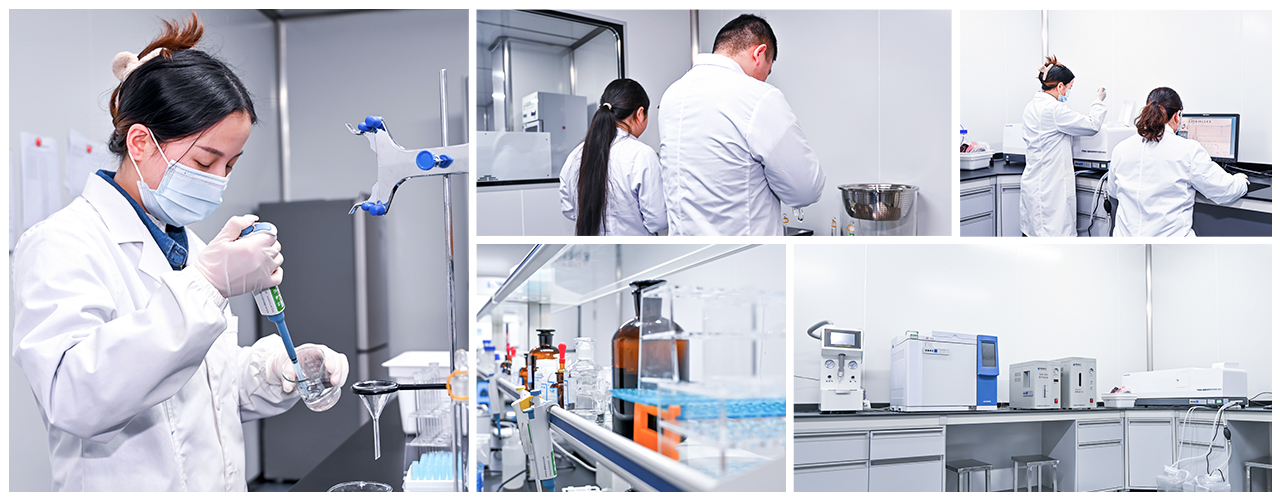
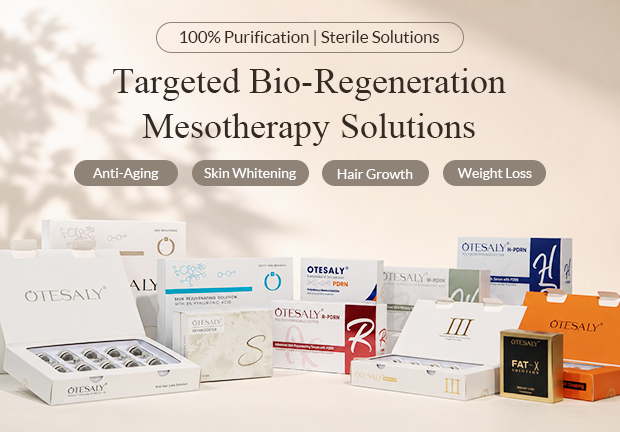
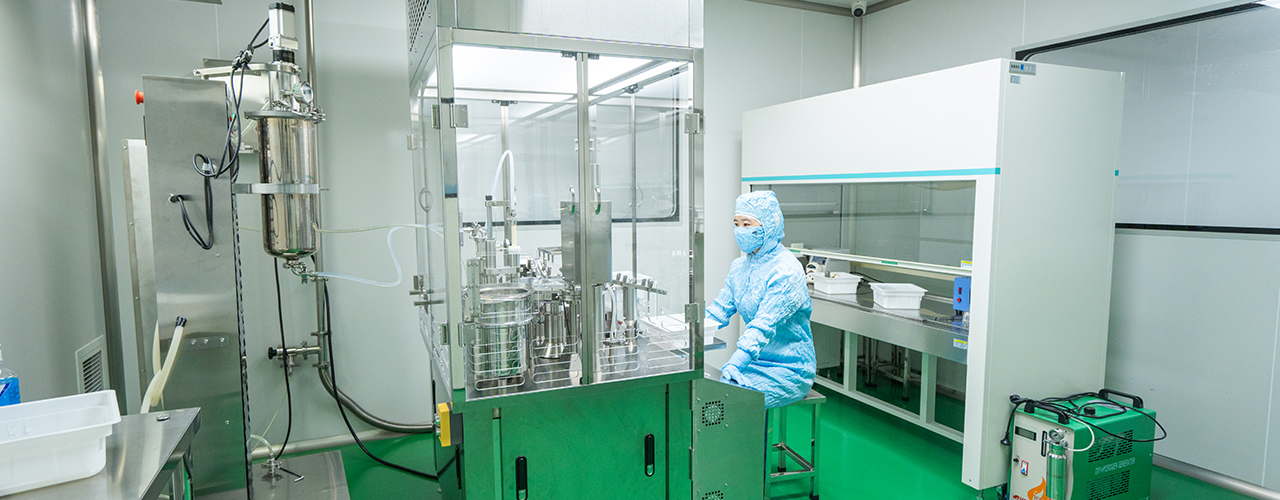
Below are three of our most popular skin rejuvenation SKUs, all manufactured in our 4,800 square meter Class 100 GMP facility, all available as private label OEM with your brand name and custom packaging.
This is our flagship HA-based skinbooster. It uses ultra-pure, non-animal hyaluronic acid sourced from certified CE GMP suppliers — the same raw material that costs $45,000 per kilogram on the open market. The formulation is designed for mesotherapy injection, delivering deep hydration and improving skin elasticity after just one session.
Key specs: HA concentration tailored to your formula, available in multiple fill volumes (1mL, 2mL, 5mL), Class III medical device manufacturing standard.
Reference price: $50 per unit (OEM pricing available for volume orders).
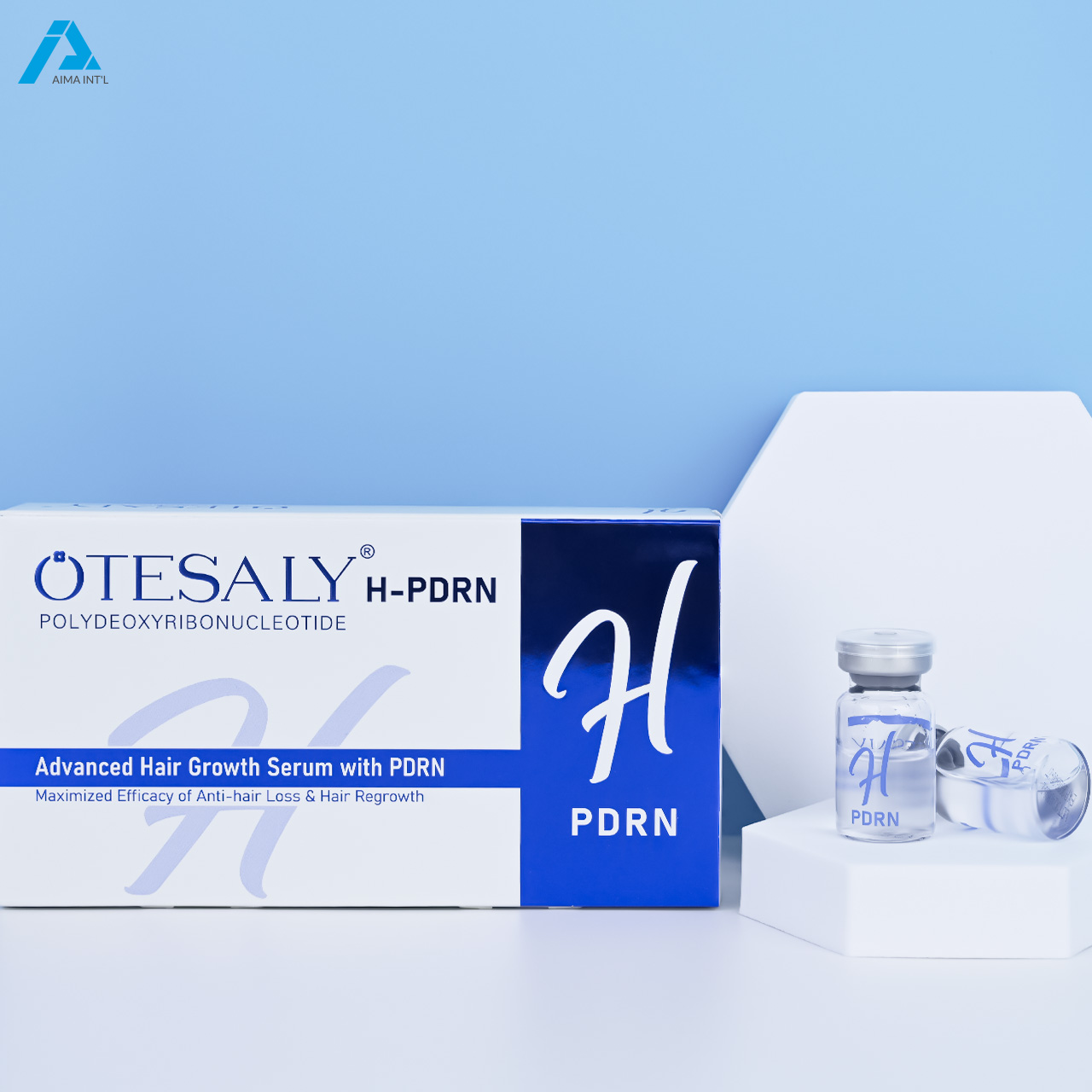
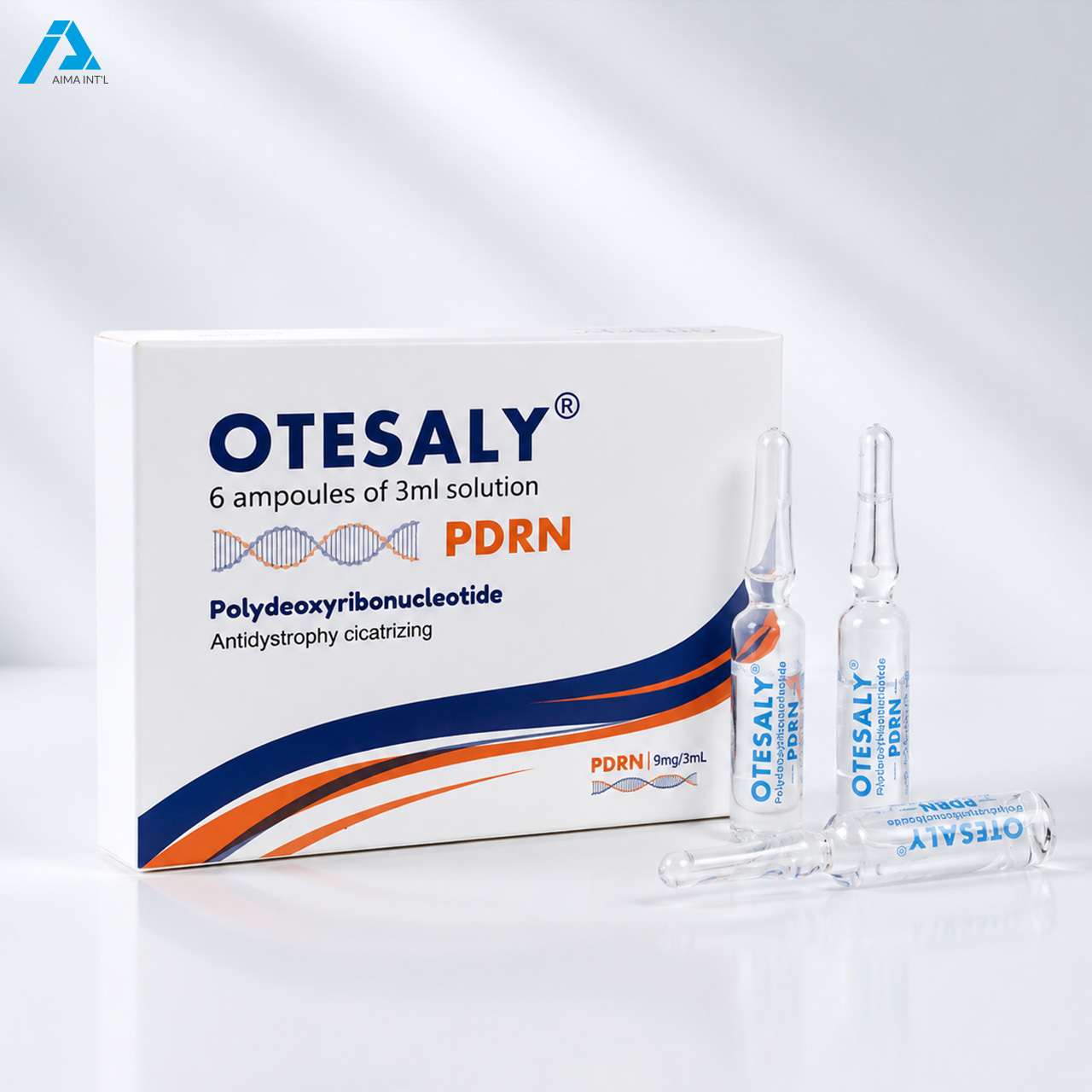
If your clients want something that goes beyond surface-level hydration, this is the product. PDRN at the concentration we use has been shown in clinical studies to accelerate wound healing, reduce inflammation, and promote neocollagenesis. It is the go-to choice for clients who have tried standard HA boosters and want a more regenerative approach.
Key specs: Salmon-derived PDRN, pharmaceutical-grade purity, suitable for mesotherapy and microneedling applications.
Reference price: $40 per unit (OEM pricing available for volume orders).
This formula combines PDRN with brightening agents to target hyperpigmentation, post-inflammatory marks, and uneven skin tone. It is particularly popular in Asian and Middle Eastern markets where skin brightening is a top client request. The dual-action approach — regeneration plus brightening — gives your clinic a unique selling proposition that most competitors cannot match.
Key specs: PDRN + brightening complex, suitable for mesotherapy, visible results after 3 to 4 sessions.
Reference price: $40 per unit (OEM pricing available for volume orders).
The market is flooded with factories claiming to offer “CE marked skin rejuvenation OEM.” Most of them cannot produce the documents you will need at customs. Here is a practical checklist I use when evaluating potential OEM partners:
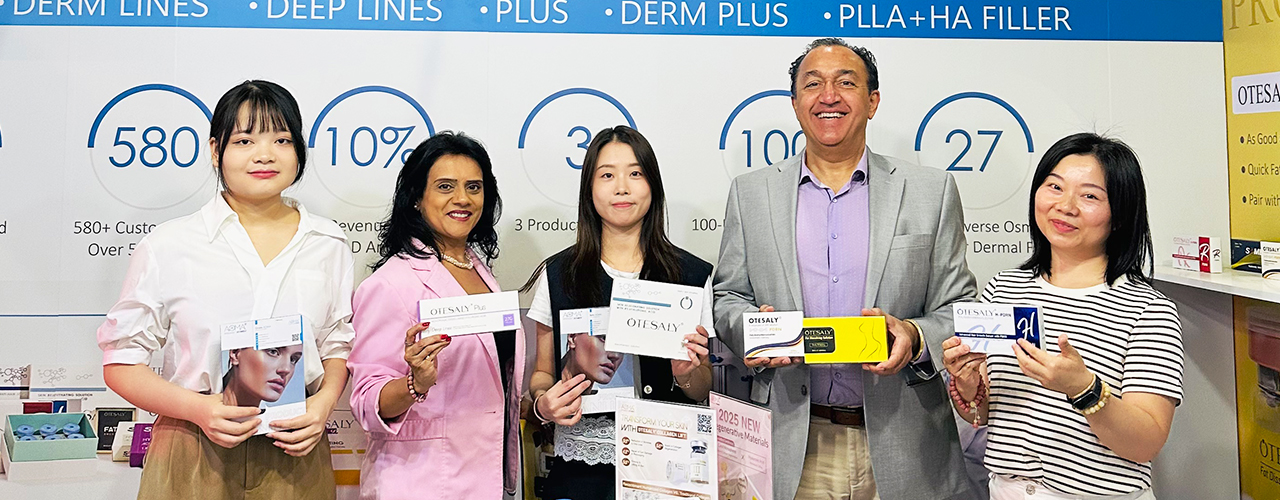
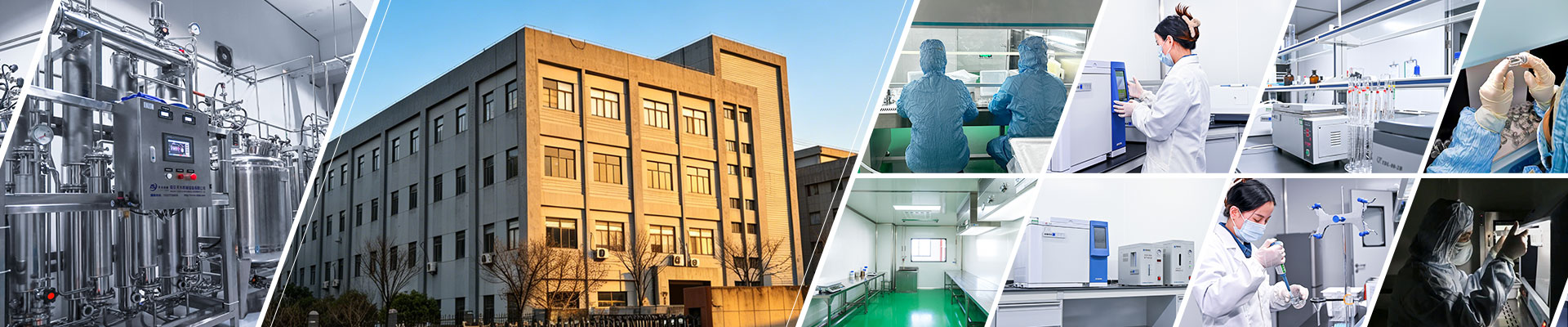
AIMA International has been manufacturing aesthetic medical devices since 2003. That is 23 years of accumulated expertise in dermal fillers, skinboosters, and lipolytics. Here is what sets us apart from the hundreds of factories in Guangdong and Zhejiang:
Q1: What is the difference between a CE marked skinbooster and a regular cosmetic skinbooster?
A CE marked skinbooster is classified as a medical device under EU MDR 2017/745 and has undergone rigorous safety and performance testing by a Notified Body. A regular cosmetic skinbooster may not have this level of regulatory scrutiny, which can cause problems at EU customs and with insurance coverage for your clinic.
Q2: How long does OEM skinbooster production take?
Samples can be ready in 3 to 5 working days. Bulk orders typically take 15 to 20 days depending on the product type and order volume. We also offer expedited options for urgent private label projects.
Q3: What is the minimum order quantity for private label skin rejuvenation products?
We offer low MOQ for emerging brands to help you test the market. Volume discounts apply for larger orders. Contact our team for specific MOQ details based on your target product.
Q4: Can I customize the HA concentration or PDRN dosage?
Yes. Our 1,000+ mature formulas can be tailored to your exact specifications. Whether you need a higher HA concentration for a premium line or a lower PDRN dose for an entry-level product, we can formulate it.
Q5: What documents do I need to import CE marked skinboosters into the EU?
You will need the CE Certificate, Declaration of Conformity, batch-specific Certificate of Analysis (CoA), and the European Authorized Representative’s details. We provide all of these with every shipment.
Q6: Are your PDRN products animal-derived?
Our PDRN is derived from salmon sperm, which is the standard source for pharmaceutical-grade PDRN. It is rigorously processed to remove immunogenic components and meets all EU safety standards for animal-derived substances.
Q7: Do you offer private label packaging design?
Yes. Our OEM service includes brand logo design, custom packaging design, and tailored formula. We handle the entire branding process so you can launch your skin rejuvenation line quickly.
Q8: What quality certifications does AIMA International hold?
We hold ISO 13485, Class III medical device manufacturing license, and our facility operates Class 100 GMP cleanrooms. All products undergo third-party CE SGS testing.
Ready to launch your own CE marked skin rejuvenation brand? Contact AIMA International today for a free consultation, sample kit, and personalized OEM quote. With 23 years of manufacturing expertise, 521+ brand partnerships, and full EU MDR compliance, we are the OEM partner that helps you scale with confidence.
Copyright @ 2026 AIMA International Group Co., Ltd.