
Welcome to visit AIMA International Group
 Spain
Spain

Your browser version is too low, in order to ensure a better browsing experience,Please click to update to a higher version browser.
Talk about it later.XWelcome to visit AIMA International Group
Spain


.jpg)
Home > News > Industry Trends > Why Choose a Chinese Dermal Filler Supplier? Unpacking Quality, Cost, and Compliance for Global Aesthetics Brands
Industry TrendsStereotypes about Chinese dermal filler suppliers die hard. For decades, aesthetics brands and clinic owners defaulted to European or South Korean manufacturers, writing off Chinese production as low-quality, unregulated, or unfit for premium clinical use. Data from the International Society of Aesthetic Plastic Surgery (ISAPS) 2023 Global Aesthetics Report paints a different picture: Chinese-made compliant dermal fillers now account for 28% of global mid-to-premium filler exports, a 17 percentage point jump from 2018. Would global market share jump that quickly if every Chinese filler product caused nodules, failed safety tests, or got seized at the border? That growth doesn’t come from cut-rate corners. It comes from targeted investment in production technology, vertically integrated supply chains, and regulatory alignment that matches or outpaces global standards. For brands and clinics exploring partnership options, supplierfiller.com hosts full product catalogs, certification documents, and direct contact channels for the AIMA International Group Co., Ltd. team, cutting out the back-and-forth of trade show follow-ups or third-party broker delays.
The Shifting Landscape of Global Dermal Filler Sourcing
Talk to ten aesthetics brand owners who launched lines before 2020, and seven will share similar supply chain horror stories. Take Lila, founder of a small-batch aesthetics brand based in Oregon, who signed a manufacturing contract with a boutique Swedish filler producer in 2022 to launch a mid-face volumizing line for 30-45 year old patients. The agreement came with non-negotiable terms: a 20,000 unit per SKU minimum order, requiring $1.2 million in upfront inventory investment; a promised 6-week lead time that stretched to 14 weeks, missing the brand’s Black Friday launch window; and expired CE documentation that left $180,000 worth of product stuck at the Port of Los Angeles for three weeks, with no support from the manufacturer to resolve the hold. She lost nearly $400,000 in startup capital before a single unit sold.
Stories like Lila’s push brands to re-evaluate long-held sourcing assumptions. Many find that established Chinese dermal filler manufacturers operate with more flexibility, tighter quality controls, and clearer regulatory alignment than the smaller Western or Korean suppliers they once prioritized. That doesn’t mean every Chinese supplier is a good fit. Fly-by-night operations selling untested, non-medical grade fillers at rock-bottom prices exist in every market, China included. The difference comes from partnering with established, audited manufacturers with a track record of global exports.
Quality That Matches (and Often Exceeds) Global Premium Standards
The most common pushback against Chinese dermal fillers centers on perceived quality gaps. That critique held weight 15 years ago, when many facilities lacked clean room infrastructure and used low-purity raw materials. Leading manufacturers like AIMA, founded in 2003, have closed that gap entirely by investing in core technology and production infrastructure that rivals top global brands.
AIMA holds patents for two core filler production technologies: NASHA (Non-Animal Stabilized Hyaluronic Acid) and HICE (High Internal Phase Emulsion cross-linking). For context, NASHA technology produces HA fillers with evenly distributed cross-links, cutting foreign body reaction rates to less than 0.02% and reducing post-injection swelling by 2-3 days compared to traditional cross-linking methods. HICE technology, used for calcium hydroxylapatite (CaHA) fillers, evenly disperses microspheres in the gel carrier to eliminate post-injection nodules or hard lumps, a common complaint with lower-quality CaHA products on the market.
Raw material sourcing sets premium suppliers apart from discount operations. AIMA uses medical-grade, non-animal derived hyaluronic acid priced at $45,000 per kilogram, sourced exclusively from suppliers with CE GMP certification. Every incoming batch of raw material goes through three rounds of in-house testing, plus regular third-party testing via SGS to confirm purity, cross-linking rate, and absence of endotoxins. The company operates a 4,800 square meter modern production base with Class 100 GMP clean rooms and three dedicated production lines, built to meet Class III medical device production standards.
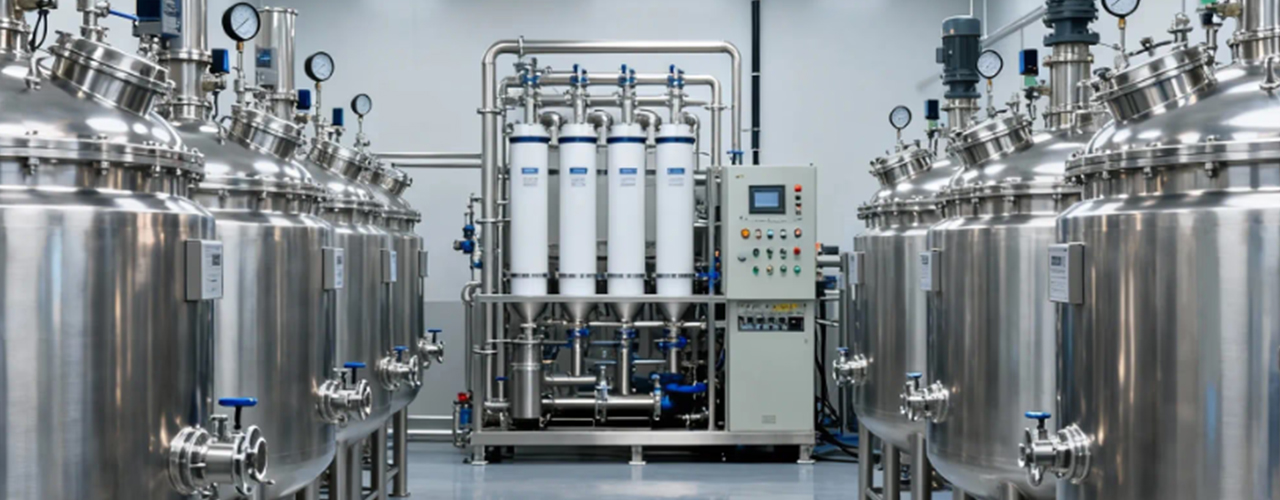
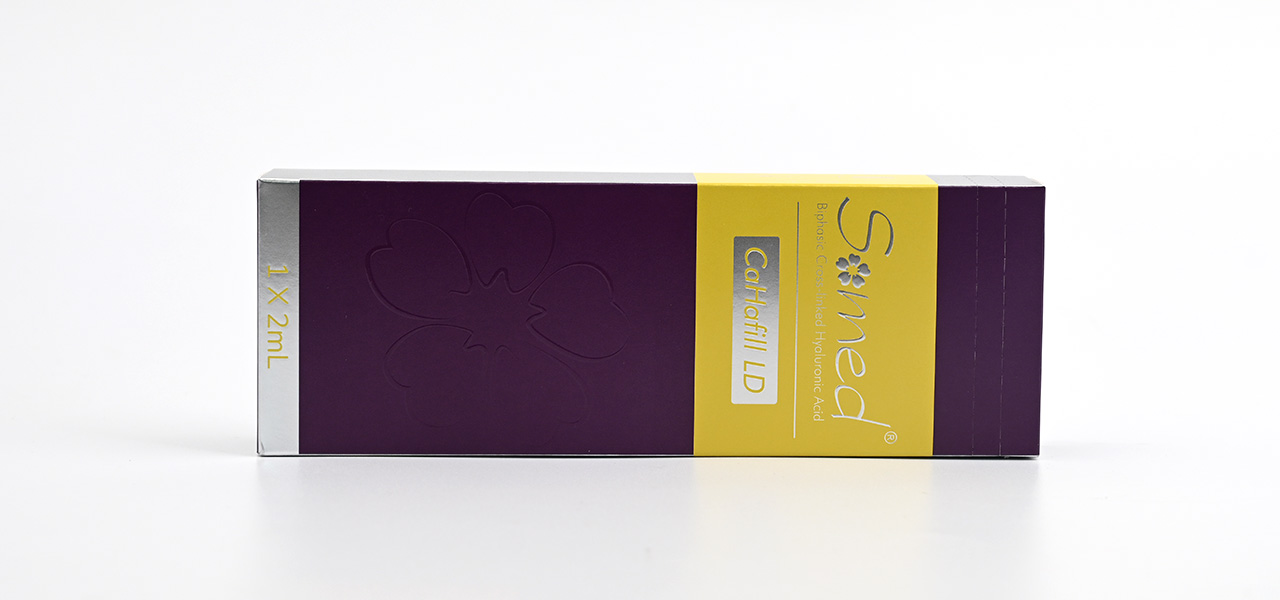
That production environment supports a portfolio of over 1,000 mature filler formulations, adjustable for cross-link density, HA concentration, lidocaine content, and texture to match specific treatment areas—from soft, malleable gels for lip enhancement to firm, high-support gels for jawline definition. One of the brand’s most in-demand export products is CaHafill Lidocaine, a CaHA-based dermal filler formulated with 0.3% lidocaine to reduce injection pain by 70% compared to unbuffered fillers. The product delivers 12-18 months of volumizing support, with a consistent push force that makes injection easier for clinicians, and has been exported to 47 countries since its launch, with a reported clinical adverse reaction rate of less than 0.01%.
Cost Structures That Build Long-Term Profitability, Not Short-Term Savings
Price is always a factor in sourcing, but smart brands don’t chase the lowest per-unit cost. They chase cost structures that reduce waste, cut unnecessary overhead, and improve cash flow. Chinese dermal filler suppliers hold a structural cost advantage because of China’s position as the global hub for medical-grade HA production, accounting for 80% of global raw HA output. That vertical integration cuts out layers of middleman markup that add 30-50% to the cost of fillers produced in regions that import raw materials.
For AIMA, that translates to per-unit pricing 40-50% lower than comparable European premium fillers, and 25-30% lower than comparable Korean fillers, with no drop in quality or certification standing. Many partners experience genuine sticker shock when they run the side-by-side comparison, assuming the lower price must signal a quality gap—until they review test reports and test samples in clinical settings. The company’s cooperation policies are built to support partners at every scale, rather than only catering to large multinational brands. There is no MOQ pressure for new or emerging brands, allowing founders to test SKUs with small production runs instead of tying up capital in six months of inventory. For large clinic chains and established brands, tiered bulk discounts bring per-unit costs down even further for high-volume orders.
Lead times add hidden costs that many brands fail to calculate. AIMA delivers sample orders in 3-5 working days, and standard bulk orders in 15-20 days, with expedited production options for partners working on tight launch timelines. Compare that to the 8-12 week average lead time from most European and Korean filler manufacturers, and partners see a 60% improvement in inventory turnover, since they don’t need to hold excess safety stock to cover long shipping or production delays. For Lila, the Oregon brand founder, that flexibility made all the difference. She placed her first order for 1,200 units of custom-formulated filler with AIMA for less than $60,000—less than 5% of the upfront inventory investment the Swedish supplier demanded. Samples arrived in 4 days, bulk production wrapped in 18 days, and the team provided full documentation to get her shipment through customs without delay. She launched in time for 2023 Valentine’s Day promotion season, sold 800 units in the first month, and now holds a top 3 position for small-batch filler brands in her regional market.
Compliance Frameworks That Eliminate Cross-Border Selling Risks
Compliance is the make-or-break factor for cross-border aesthetics sourcing. A single seized shipment, missing certification, or unreported ingredient deviation can lead to thousands in lost revenue, regulatory fines, or permanent damage to a brand’s reputation. Karim, operations director for Glow Aesthetic Centers, a Dubai-based clinic chain, learned that lesson the hard way. Before 2021, he sourced Korean dermal fillers through a local third-party broker, paying a 42% markup over factory pricing. In Q3 2021, three batches of filler he purchased had uneven lidocaine distribution, leading to prolonged numbness and extended swelling in 17 patients. The clinic paid 270,000 AED in patient compensation and brand remediation costs, and received a formal warning from the Dubai Health Authority. When he reached out to the broker for support, he got no response—no batch records, no quality assurance documentation, no compensation for the lost revenue.
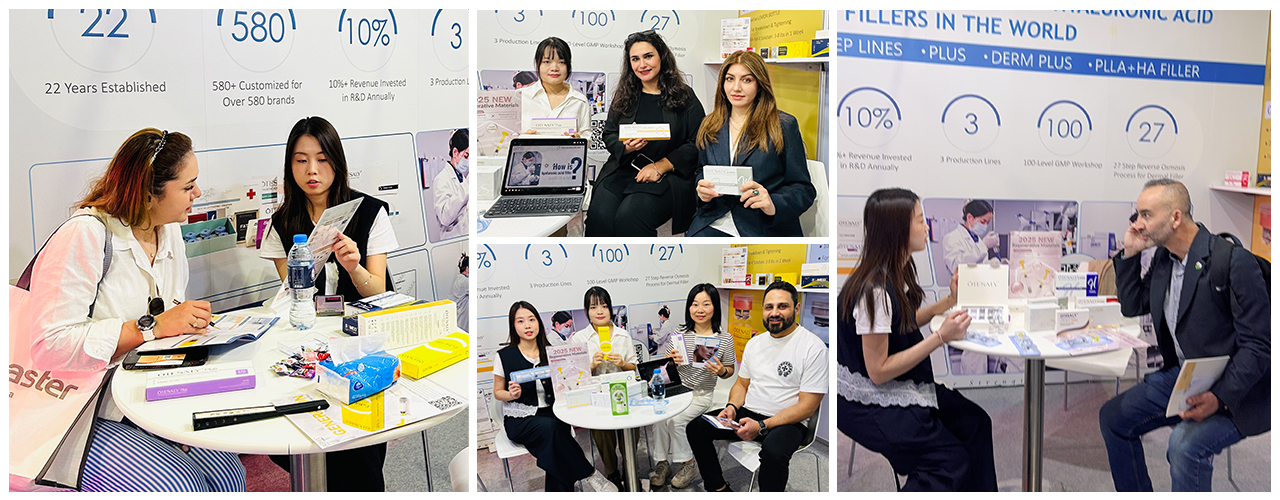
He first connected with the AIMA team at the 2022 Dubai Beauty Exhibition, where staff brought full, verifiable copies of all global certifications and product samples for clinicians to test.
AIMA’s compliance structure is built to eliminate those cross-border risks for all Medical Aesthetics Wholesale partners. Production follows ISO 13485 quality management system standards, with full alignment to Class III medical device production rules—the highest risk classification for medical devices, requiring strict controls over every stage of production from raw material intake to final product release. The company holds EU CE certification for its filler lines, allowing legal sale across all EU member states, and has completed U.S. FDA VCRP (Voluntary Cosmetic Registration Program) registration to streamline entry for U.S.-based partners. Every shipment comes with full batch test reports, certificates of origin, and free sale certificates required for customs clearance in 98% of global markets. If partners encounter customs holds or regulatory questions, the support team provides required documentation within 24 hours to resolve delays. The team also provides clinical support materials for partner clinics, including injection guidance, adverse response protocols, and staff training resources to reduce clinical risk.
Karim started with a trial order of CaHafill Lidocaine for his three clinic locations, and saw immediate results: per-unit procurement costs dropped 38%, zero product-related adverse events were reported in the first 24 months of use, and the full set of regulatory documents made annual DHA license renewals seamless. He has since worked with AIMA’s OEM/ODM team to launch a private-label filler line, with support from brand positioning and logo design through custom packaging and formulation adjustments to match local patient pain threshold preferences. The chain has opened three new locations since launching the private label line in 2023.
How to Vet a Chinese Dermal Filler Supplier to Avoid Risk
No market has a monopoly on good or bad suppliers. Brands that write off all Chinese manufacturers miss out on significant value, but jumping into a partnership with the cheapest supplier found on a wholesale marketplace leads to the same headaches Karim and Lila faced with their previous partners. Use these checks to narrow down reliable options:
AIMA’s track record speaks for itself. Named one of the Top 10 Dermal Filler Manufacturers globally, the company has delivered custom OEM/ODM solutions for more than 521 brands across 62 countries since its launch, with annual production capacity of 5 million units and monthly output of 50,000 units. Partners range from solo estheticians launching their first small-batch line to multinational clinic chains placing six-figure bulk orders, all supported by the same quality control and compliance framework.
Sourcing decisions shouldn’t be based on outdated origin stereotypes. They should be based on hard data: test results, certification records, lead time reliability, support structure, and total cost of partnership. For brands and clinics tired of inflexible MOQs, delayed shipments, missing compliance documents, and marked-up pricing from brokers, established Chinese dermal filler suppliers offer a viable, high-quality alternative. Full product details, certification copies, and sample request forms are available to review anytime on supplierfiller.com.
Copyright @ 2026 AIMA International Group Co., Ltd.