
Welcome to visit AIMA International Group
 Spain
Spain

Your browser version is too low, in order to ensure a better browsing experience,Please click to update to a higher version browser.
Talk about it later.XWelcome to visit AIMA International Group
Spain

.jpg)
Home > News > Industry Trends > NASHA vs. HICE Technology: Choosing the Right Dermal Filler Manufacturer for Long-Term Brand Success
Industry TrendsLaunching or scaling a dermal filler line means navigating dozens of supplier pitches, each claiming to offer the latest, longest-lasting, most natural-looking formula on the market. Two terms pop up in almost every presentation: NASHA and HICE. Brand owners and wholesale buyers often treat these as buzzwords to check off a list, without digging into how a manufacturer’s mastery of these technologies (or lack thereof) impacts product safety, patient satisfaction, and long-term brand reputation.
Think a lower per-unit price means better margins? Do the math on one batch of non-compliant product seized at customs, or a handful of patient adverse events from low-purity raw material – those costs erase any per-unit savings ten times over.
What Exactly Are NASHA and HICE Technologies for Dermal Fillers?
NASHA stands for Non-Animal Stabilized Hyaluronic Acid. The technology uses a controlled, low-level crosslinking process to bind HA molecules without altering their natural, biocompatible structure. Unlike early HA fillers sourced from rooster combs, NASHA products use bacterial fermentation-derived HA, eliminating animal-related allergy risks for most patients. When manufactured correctly, NASHA fillers have extremely low residual crosslinker (BDDE) levels, integrate seamlessly with soft dermal tissue, and deliver a soft, natural feel that moves with facial expressions. The tradeoff? Low-crosslink NASHA gels have limited structural support, making them a poor fit for deep, supraperiosteal placement for contouring.
HICE, short for Highly Cohesive Injectable Crosslinked Elastomer, uses a gradient crosslinking process to create a continuous, interlinked HA gel matrix rather than the discrete, uniform particles used in most NASHA formulations. This structure gives HICE fillers high internal cohesion – the gel holds its shape even under pressure from facial muscle movement, resisting migration and delivering firm, long-lasting support for structural contouring. Poorly manufactured HICE fillers carry well-documented risks: overly high crosslink density can cause hard nodules, inconsistent gel texture leads to uneven injection, and high push force makes the product difficult for clinicians to work with. When produced to medical standards, though, HICE fillers fill a critical niche for patients seeking defined jawlines, lifted cheeks, and structured nose contour without surgery.
Why Tech Capability Alone Isn’t Enough When Vetting Filler Manufacturers
Many brand builders fixate on technology names in supplier marketing materials, while skipping verification of the production environment that makes consistent, safe filler possible. A 2023 industry audit of 72 small-scale dermal filler manufacturers found 68% operated in cleanrooms below Class 1000 standards, with no routine particulate testing for finished products. These facilities often cut corners on raw material purity, using cosmetic-grade HA instead of medical-grade stock to reduce costs, even as they advertise NASHA or HICE technology on their websites.
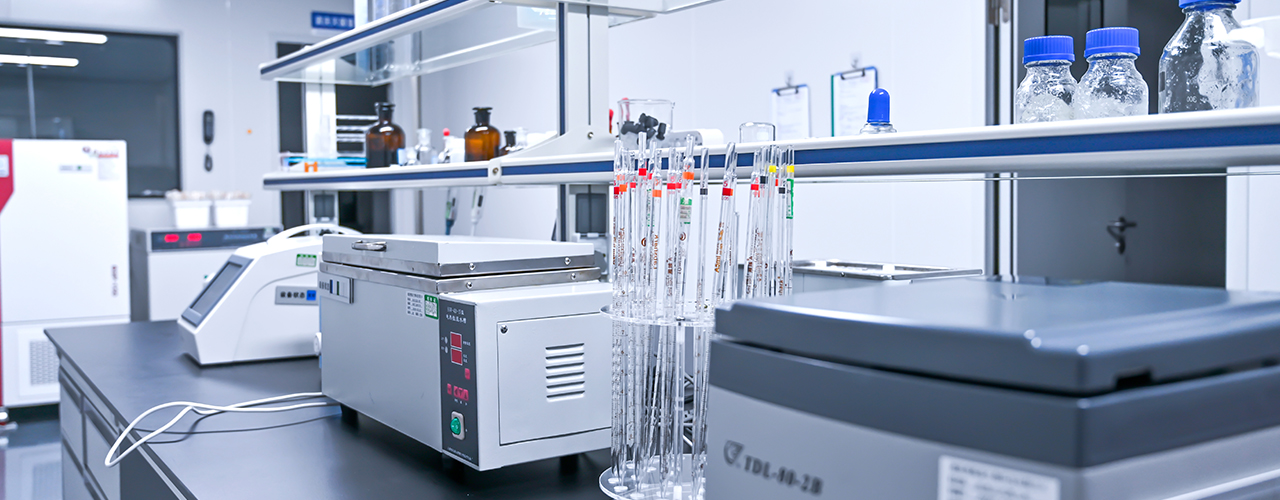
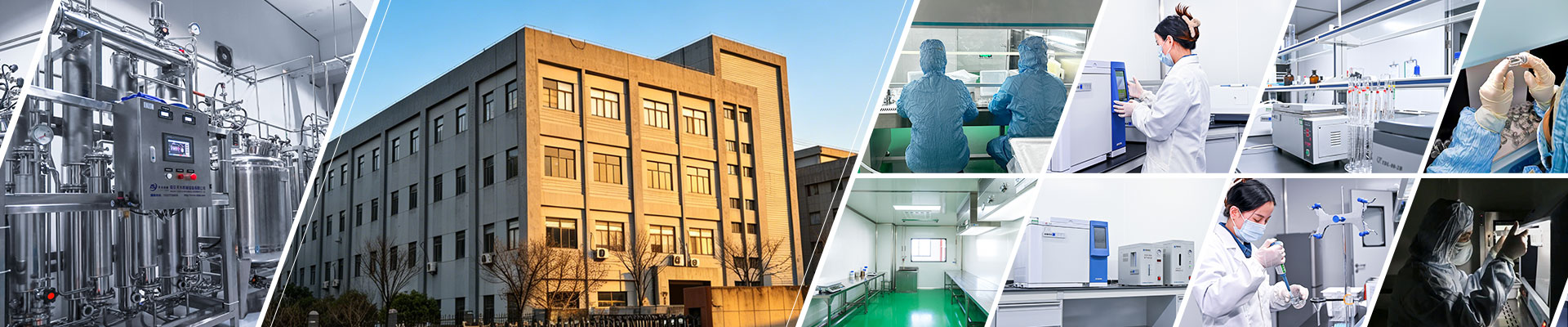
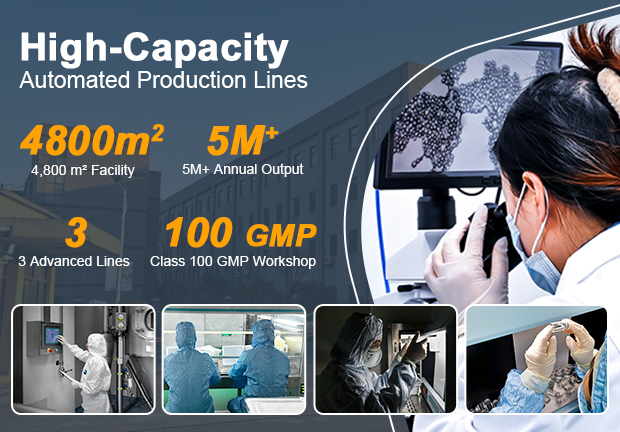
AIMA International Group Co., Ltd, the manufacturer behind supplierfiller.com, has run production operations since 2003, with a 4,800 square meter modern production base fitted with Class 100 GMP cleanrooms and 3 dedicated filler production lines. The facility operates under ISO 13485 quality management systems, meets Class III medical device production specifications, holds EU CE certification and US FDA VCRP registration, and earned a spot on the list of Top 10 Dermal Filler Manufacturers globally.
Karim, head of procurement for a 12-clinic aesthetics chain based in Dubai, learned this lesson the hard way in 2023. He signed a contract with a supplier that advertised both NASHA and HICE filler lines at 30% below market average, only to have a 12,000-unit shipment held at customs for 21 days. The supplier could not produce matching CE certification documents for the HICE formula SKUs, and the paperwork listed a different production facility than the one he had toured virtually. The delay meant he missed the pre-show order window for the Dubai Beauty Exhibition, losing out on an estimated 270,000 AED in wholesale orders from regional clinic owners. After switching to AIMA via supplierfiller.com, he received fully traceable batch documentation, original CE and FDA registration files, and dedicated customs support that cut his clearance time to 3 business days. His 2024 exhibition order volume hit 40% above his initial target.
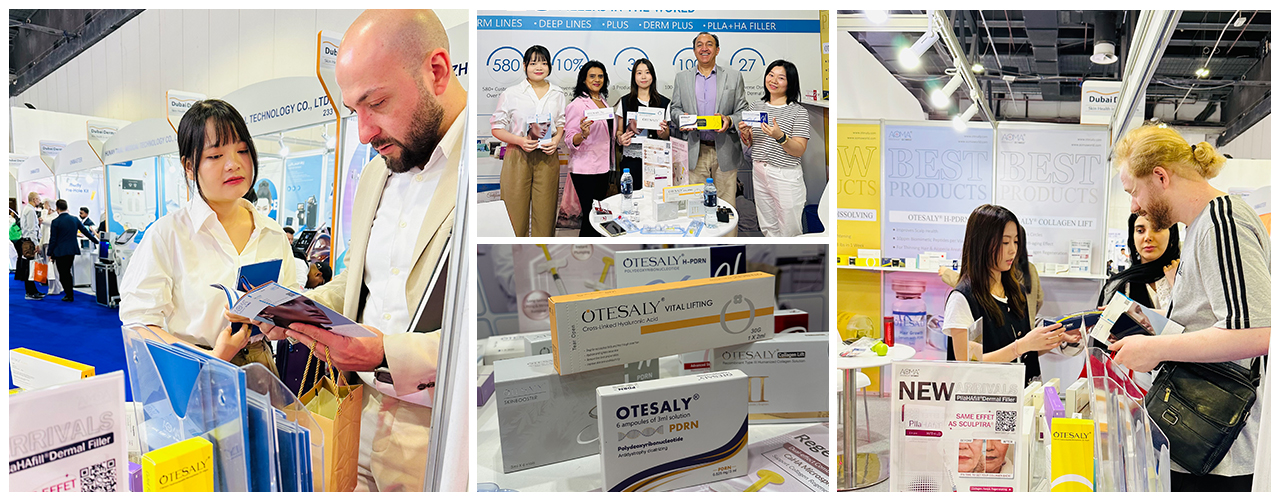
For Medical Aesthetics Wholesale partners, AIMA provides dedicated account management, tiered pricing for bulk orders, and full compliance documentation packets that cover every market you sell into, so you never have to worry about rejected shipments or regulatory penalties from missing paperwork. All wholesale orders come with a quality guarantee: if any unit arrives damaged or fails to meet published specification, the team will process replacements or refunds within 48 hours, with no hidden restocking fees or lengthy claim processes.
Side-by-Side: NASHA vs. HICE Performance From a Manufacturing Perspective
The difference between a great filler and a problem-prone filler comes down to manufacturing precision, not just the technology name on the marketing sheet. When produced under strict GMP conditions with high-purity raw materials, the two technologies deliver distinct, predictable performance profiles:
No single technology is “better” than the other. A brand that only sells HICE fillers will struggle to serve patients looking for soft, natural lip enhancement, just as a brand limited to NASHA formulas will miss out on the fast-growing market for structural facial contouring. This is why working with a manufacturer that has mature, scalable production for both technologies cuts down on supply chain complexity and quality control headaches for brands. Many smaller manufacturers claim to offer both technologies, but rely on third-party production for one of the lines, leading to inconsistent quality and longer lead times.
The Hidden Costs of Choosing a Manufacturer With Single-Tech Limitations
Marta, founder of a boutique aesthetics brand based in Barcelona, connected with the AIMA team in late 2023 after a disastrous run with a single-technology Eastern European manufacturer. She had launched her brand with a NASHA-formula lip filler that earned 35% repeat purchase rates from local clinics in her first year, but when she tried to expand into jawline and cheek contour SKUs, the manufacturer’s rushed HICE formula had uneven gel consistency, high push force that caused clinician hand fatigue, and reports of filler migration and hard nodules in 3 early test patients. She spent 120,000 EUR on patient compensation, regulatory fines, and destroyed inventory before pausing the line. Working with AIMA’s R&D team, she accessed a library of over 1,000 mature, clinically tested formulas, including a soft NASHA lip and under-eye filler matched to her original product’s texture, and a high-cohesion HICE formula built for deep structural placement.
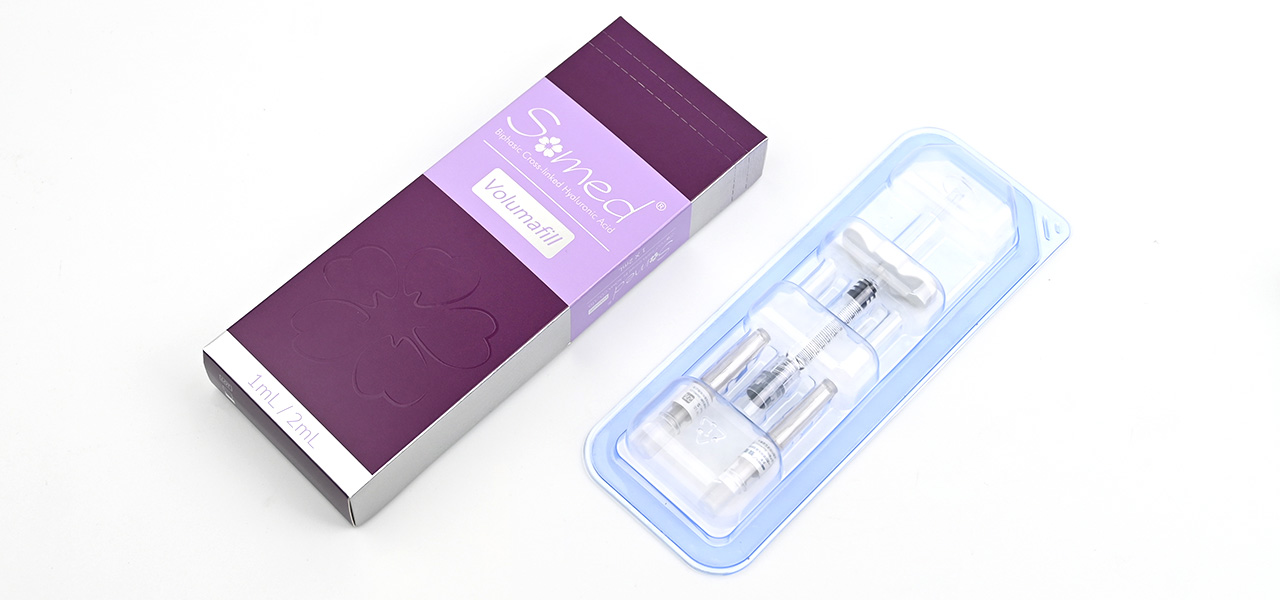
That HICE formula became her brand’s best-selling Volumafill SKU, formulated with 0.3% lidocaine to reduce patient discomfort during injection, 92% gel cohesivity to prevent migration, and a 12-18 month duration profile. All raw HA material used in production is medical-grade, non-animal sourced, purchased from CE GMP-certified suppliers at a cost of 45,000 USD per kilogram, with every batch tested by third-party labs including SGS to verify purity and crosslinker residual levels. Six months after launch, her monthly sales jumped from 1,200 units to 7,800 units, with clinic repeat purchase rates climbing to 58% and zero reported adverse events linked to product quality.
A common trick among underqualified manufacturers is to market high-crosslink NASHA particles as HICE formula filler. These products feel firm out of the package, but break down into separate particles within a few months of injection, leading to contour distortion and migration as the particles shift under facial muscle movement. True HICE production requires specialized mixing and crosslinking equipment that many small facilities cannot afford, which is why so many cut corners with this workaround.
What to Verify Before Signing a Dermal Filler Supply Contract
You do not need a degree in polymer chemistry to vet a filler manufacturer, but you do need to ask for concrete documentation and test samples before committing to a large order. Add these checks to your supplier evaluation process:
AIMA’s OEM/ODM services cover every step of the product launch process, from brand positioning, logo design, and custom packaging to formula tweaks for HA concentration, crosslink density, and lidocaine content. The company operates with no MOQ pressure to support emerging brands building their first SKU, while offering tiered volume discounts for large chains and established brands scaling their product lines. To date, the team has delivered custom filler solutions for over 521 brands across 47 countries.
The global dermal filler market is crowded, and patients are more discerning than ever about product quality and natural results. A filler line built on inconsistent, poorly made product will not build long-term customer loyalty, no matter how strong your marketing is. You can spend weeks emailing back and forth with suppliers chasing documents, samples, and clear pricing, or you can access fully transparent, pre-vetted NASHA and HICE filler lines via supplierfiller.com, where every product listing includes full technical specs, certification details, and customization options. The support team responds to inquiries within 24 hours, and can send tailored sample packs matched to your product line goals with no hidden fees.
Choosing a dermal filler manufacturer is not about picking the supplier with the flashiest website or the lowest per-unit cost. It is about finding a partner that understands the technical differences between NASHA and HICE, has the production and quality control systems to make consistent, safe products with every batch, and offers the flexibility to grow with your brand as you expand your product offerings. If you are comparing suppliers right now, skip the generic sales pitches, request samples of both formula types, verify every certification document, and run the numbers on what a supply chain disruption or product quality issue would actually cost your business.
Copyright @ 2026 AIMA International Group Co., Ltd.