Your browser version is too low, in order to ensure a better browsing experience,Please click to update to a higher version browser.

Talk about it later.X

Welcome to visit AIMA International Group

SpainSpain

Home > News > Industry Trends > Dermal Filler Manufacturer B2B Buyer’s Guide: Vetting Criteria, Red Flags, and Partnership Tips for Aesthetic Brands, Distributors, and Clinic Chains

Industry Trends
Industry Trends Company News Customer Stories

Dermal Filler Manufacturer B2B Buyer’s Guide: Vetting Criteria, Red Flags, and Partnership Tips for Aesthetic Brands, Distributors, and Clinic Chains

Have you ever spent months negotiating with a dermal filler supplier, only to receive a batch with unvalidated purity that triggered patient adverse reactions, missed your peak sales window by weeks, or locked you into a minimum order quantity you could never move as a growing brand? You are far from alone. Data from the American Med Spa Association’s 2023 industry report shows 42% of emerging aesthetic brands and 28% of established clinic chains have experienced at least one major supply chain disruption with dermal filler vendors, with average losses per incident topping $120,000. This B2B buyer’s guide walks through exactly what to look for in a dermal filler manufacturer, which red flags to avoid, and how to build a partnership that supports long-term, profitable growth.

Why Your Choice of Dermal Filler Manufacturer Carries Such High Stakes

Unlike topical skincare products, dermal fillers are injected directly into patient tissue. A bad batch doesn’t just lead to negative reviews. It can cause lasting adverse events for patients, regulatory fines for your business, and permanent damage to the reputation you spent years building.

Marta, a founder of a boutique aesthetic brand in Barcelona, learned this the hard way in 2022, when she sourced her first batch of lip fillers from a small Eastern European manufacturer offering prices 35% below the industry average. The supplier claimed to hold valid CE certification, but independent testing after a string of patient complaints showed the HA purity in the batch hit only 72%, with BDDE crosslinker residue levels three times the EU safety limit. Nineteen patients developed persistent redness and hard nodules at injection sites after receiving the filler. Marta paid out 138,000 EUR in patient medical costs and compensation, lost contracts with 19 local clinic partners, and came close to shutting down her brand entirely. When she began searching for a replacement supplier, two established manufacturers turned her away due to rigid 10,000-unit minimum order requirements – a volume she could not afford after her earlier losses.

Non-Negotiable Vetting Criteria for Any Dermal Filler Supplier

Skip the flashy marketing copy and influencer endorsements. Focus your evaluation on tangible, verifiable factors that directly impact product safety, regulatory compliance, and your bottom line:
  • Raw material sourcing and purity standards: The biggest cost difference between premium, safe fillers and low-quality knockoffs comes down to raw hyaluronic acid. Industrial-grade HA costs roughly 1/20th the price of medical-grade, non-animal sourced HA, which runs as high as $45,000 per kilogram for grades suitable for injection. Legitimate manufacturers source HA from suppliers with active CE GMP certification, and run regular third-party testing via firms like SGS to check for crosslinker residue, endotoxin levels, and purity. Top manufacturers rely on proven processing technologies like NASHA (Non-Animal Stabilized Hyaluronic Acid, produced via bacterial fermentation rather than extracted from animal tissue to cut allergic reaction risk to less than 0.02%) and HICE (High Concentration Crosslinking Enhancement, which evenly distributes crosslinkers for consistent gel cohesion, smooth needle extrusion, and reduced migration risk after injection).
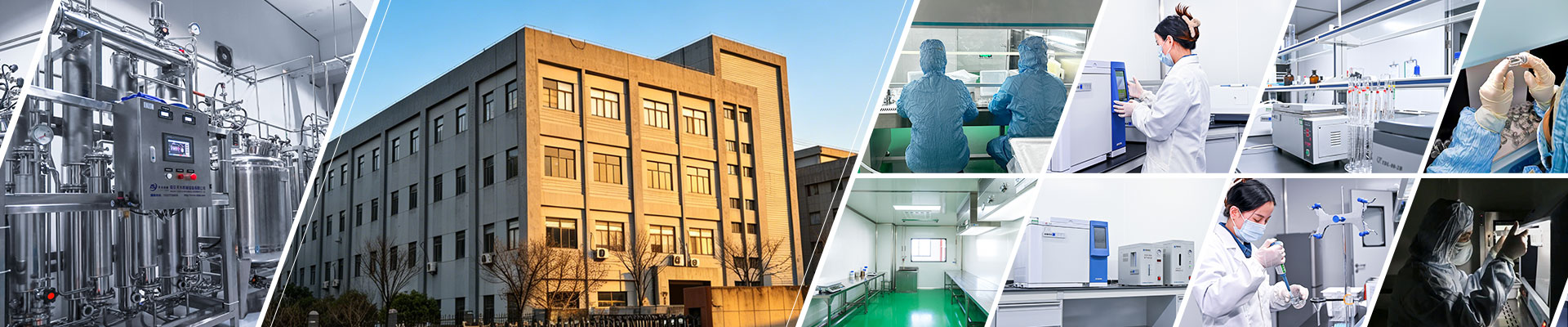
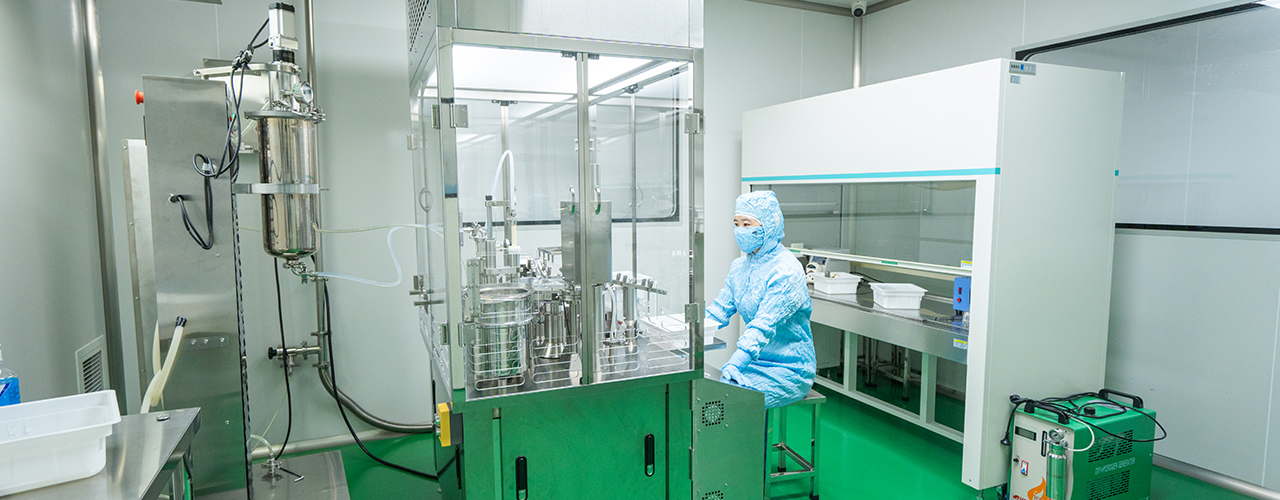
  • Production environment and quality management systems: Dermal fillers fall under Class III medical device classification in most major global markets, a category reserved for products that carry potential risk of injury if improperly manufactured. Production must take place in Class 100 GMP cleanrooms, with full process tracking aligned to ISO 13485 quality management standards – the global benchmark for medical device production, covering every step from raw material intake to final shipment and post-market surveillance. Cosmetic-grade workshops, which lack air filtration and sterilization controls required for injectable products, will never produce filler that meets global regulatory requirements.
    Factory
    AIMA International Group operates a 4,800 square meter modern production base purpose-built for injectable aesthetic products, with three dedicated production lines running in Class 100 GMP cleanrooms. Every unit moves through filling, sterilization, and packaging in fully sealed, particle-controlled environments to eliminate risks of microbial contamination. The facility hits a monthly production capacity of 50,000 units, with annual output reaching 5 million units, enough to support both small brand test runs and large-scale chain orders without overstretching production schedules.
  • Valid, market-specific regulatory certifications: Do not take a supplier’s word for it when they claim to hold required certifications. Ask for certificate numbers you can verify through official regulatory databases. Sellers shipping to the EU need valid CE certification aligned to current MDR requirements for medical devices. Sellers shipping to the U.S. need appropriate FDA registration, such as VCRP registration for cosmetic-grade injectable products. All production must align with Class III medical device manufacturing norms, and every batch should come with a traceable certificate of analysis to support local import registration and customs clearance. Fake or expired certificates lead to seized shipments, fines, and even permanent bans from selling in certain markets – an outcome that hits hundreds of importers every year.
  • Flexible terms and reliable delivery: Even the highest-quality filler is useless if it arrives after your peak sales window, or if you are forced to hold tens of thousands of units of inventory you cannot sell as a new brand. Strong suppliers publish clear, consistent lead times: 3-5 business days for sample orders, 15-20 days for bulk production runs, with optional expedited production for urgent stock gaps. They offer flexible terms too: low or no MOQ pressure for emerging brands testing product-market fit, and tiered bulk discounts for large distributors and chains that place high-volume orders.

What Sets Top-Tier Dermal Filler Manufacturers Apart From Average Suppliers

Meeting the baseline criteria above makes a supplier acceptable to work with. The best manufacturers act as true growth partners, not just order-takers. They offer end-to-end OEM/ODM support that covers every step of launching a filler line: brand positioning guidance, logo design, custom packaging, and tailored adjustments to formulation, HA concentration, and active ingredients to match your target market’s preferences. AIMA, for example, holds a library of more than 1,000 market-tested formulations, so brands do not need to spend 6-12 months on R&D to launch a competitive product line.

Top-tier manufacturers also bring proven, market-tested formulations to the table, so brands do not need to spend months on trial and error to create products that resonate with customers. Take lip fillers, one of the highest-demand dermal filler categories across global markets. Lip tissue moves constantly with speech, facial expressions, and eating, so filler for this area needs a soft, natural texture, balanced cohesion to avoid migration, and optional lidocaine to reduce patient discomfort during injection.
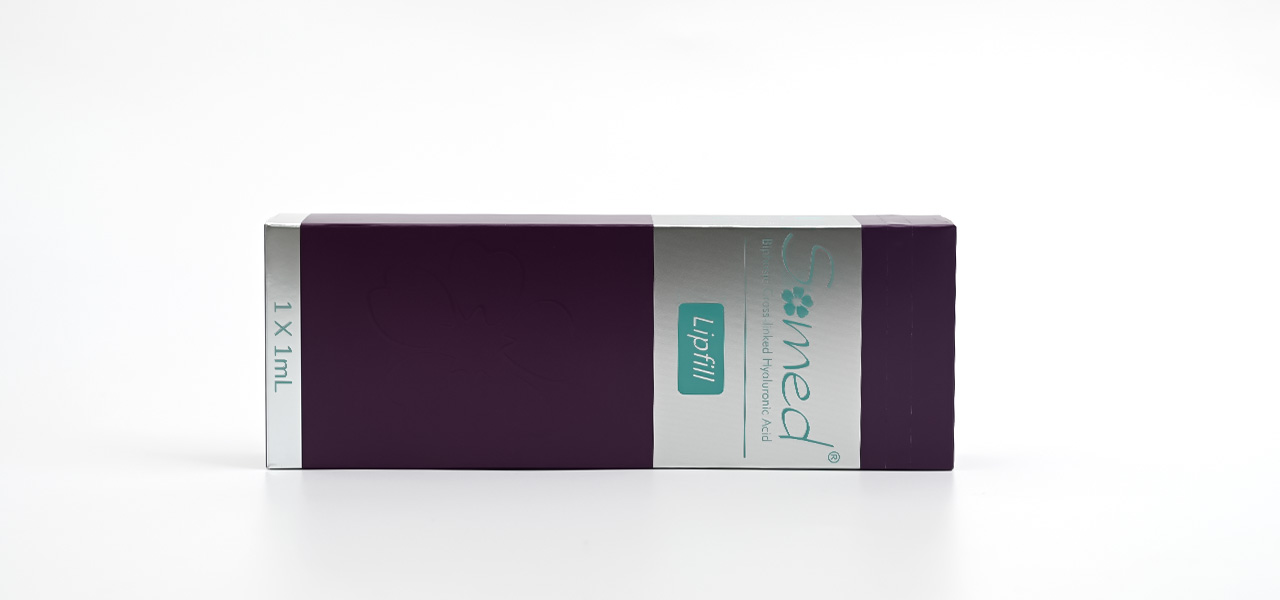
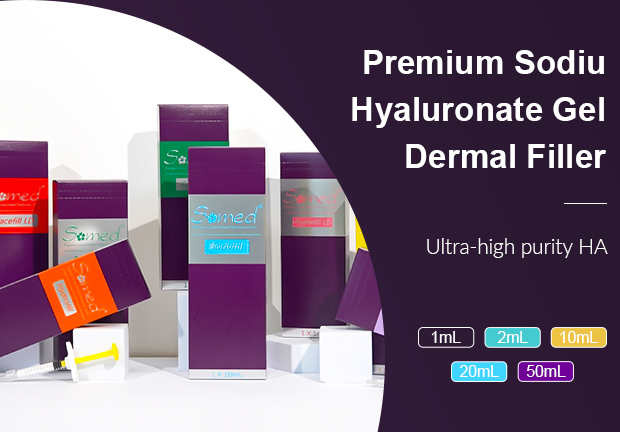
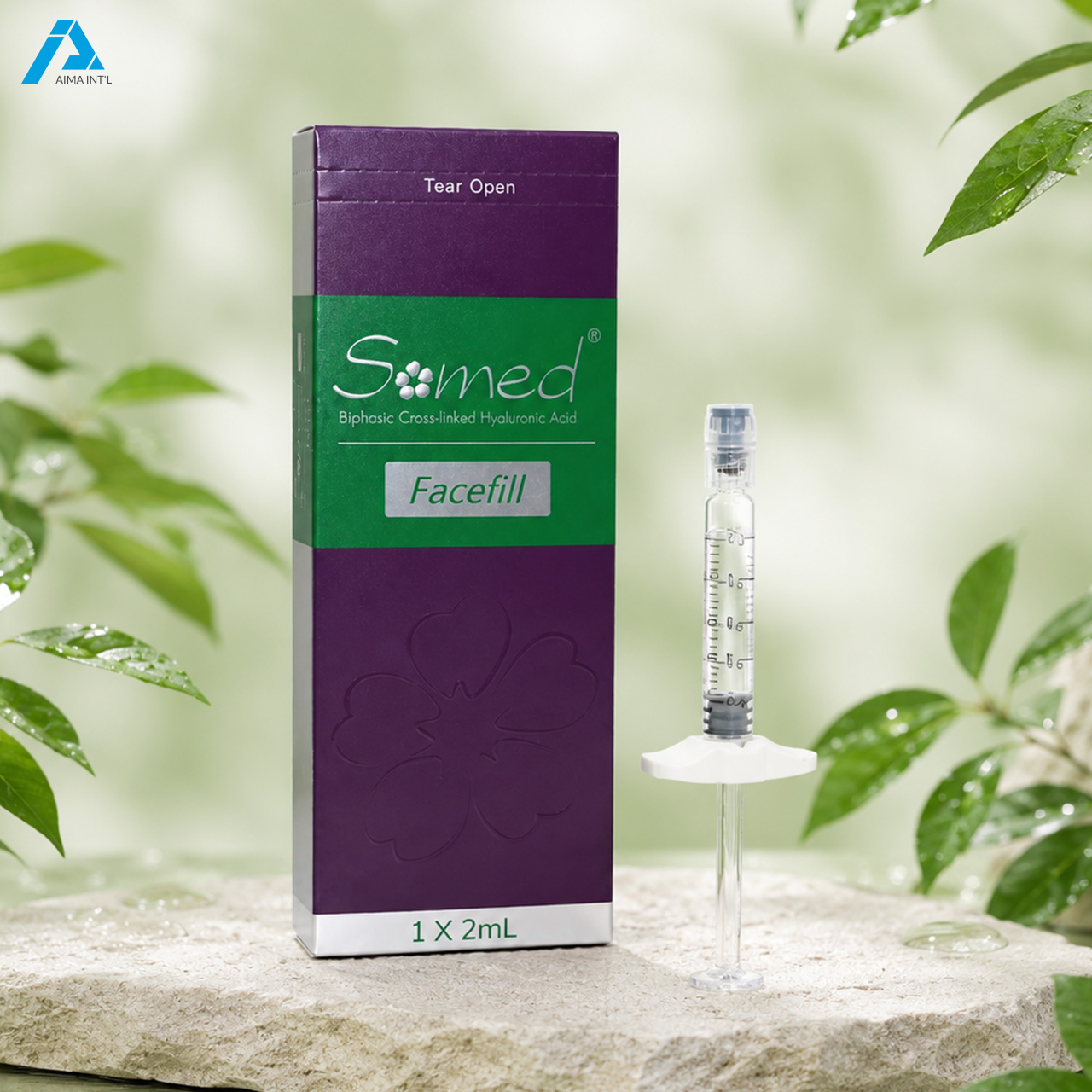
Lipfill
AIMA’s Lipfill formulation checks all these boxes. It is made with the same high-purity, non-animal sourced medical-grade HA used across the company’s filler line, processed with a combination of NASHA and HICE technologies to create a smooth, malleable gel that integrates naturally with lip tissue. The formula avoids the stiff, overfilled “duck lip” effect that comes from overly crosslinked, high-hardness fillers, and delivers results that last 6-12 months, aligned with natural HA metabolism in the body. Brands can adjust lidocaine content, HA concentration, and packaging to match their target market’s preferences, without starting formulation work from scratch.

Khalid, procurement director for a 12-location medical aesthetic chain in the UAE, faced a different but equally costly set of problems with his former supplier. In 2023, he placed a 30,000-unit order for lip fillers two months ahead of Eid al-Fitr, the chain’s highest-grossing sales window of the year. A sudden production line breakdown at his supplier’s facility delayed shipment by 45 days. The stock arrived after the holiday rush ended, leaving the chain with $80,000 in wasted marketing spend and a 27% drop in quarterly filler revenue.
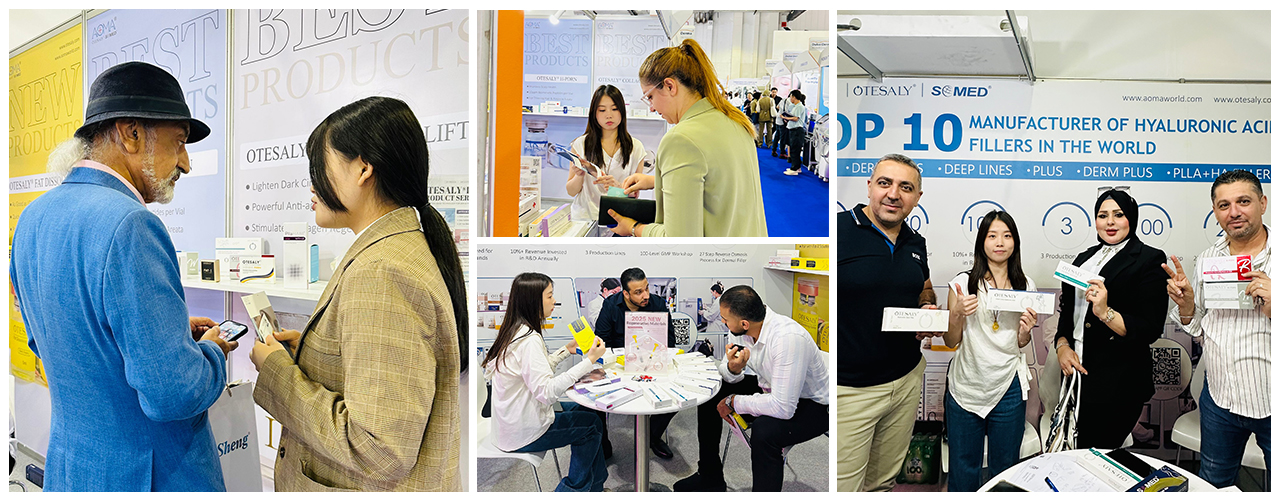
Dubai Beauty Exhibition
He connected with the AIMA team during the 2023 Dubai Beauty Exhibition, where he laid out his requirements: fixed delivery timelines written into contracts, an expedited production option for last-minute stock gaps, and consistent pricing that did not spike during peak demand seasons. Since launching in 2003, AIMA International Group Co., Ltd. has earned a spot among the Top 10 Dermal Filler Manufacturers globally, serving more than 521 brands across 60+ markets. The team brings deep expertise across regional regulatory requirements, customer preferences, and price point positioning, gained from two decades of in-market work and regular participation in global trade shows from Dubai to Bologna to Las Vegas.

The company’s support structure is built to reduce friction for all clients, from new brand founders placing their first 500-unit order to large wholesale accounts placing 6-figure orders. For Medical Aesthetics Wholesale clients, the team provides full compliance document support, including batch traceability records, customs paperwork, and marketing material guidance to make distribution as seamless as possible. Every client works with a dedicated account manager available to respond to questions within 24 hours. Every batch ships with a full set of documentation: certificate of analysis (COA) for each production run, copies of relevant regulatory certifications, and customs paperwork support to smooth import clearance. If shipments arrive with damaged units, incorrect SKUs, or documented quality issues, the team arranges replacements within 48 hours, with no runaround or attempts to shift blame to logistics partners.

Red Flags to Walk Away From During Supplier Vetting

  • Prices 30% or more below prevailing market rates: Medical-grade non-animal HA, GMP cleanroom operations, third-party testing, and regulatory certification carry hard, non-negotiable costs. A supplier offering prices far below market average is cutting corners somewhere – usually on raw material purity, sterilization processes, or regulatory compliance. Fillers made with substandard materials carry high risks of inflammation, nodule formation, and long-term adverse reactions in patients.
  • Evasive answers about production and certifications: If a supplier refuses to share unedited photos or video of their production facilities, provides unnumbered or easily forged certification documents, or cannot share third-party test reports for raw materials and finished products, move on. Legitimate manufacturers share these materials proactively, and even invite clients to tour their facilities in person if schedules allow.
  • Inflexible, high minimum order requirements with no room for small test runs: Many large manufacturers force new brands to place orders of 10,000 units or more for their first run, locking new business owners into tens of thousands of dollars in inventory before they have proven demand for their product. This model works for established global brands, but creates crippling cash flow pressure for emerging labels.
  • No clear after-sales policies: A supplier that stops responding to messages once full payment is received is not a partner. Pay close attention to how a team answers questions about replacement policies for damaged goods, documentation support for customs, and batch traceability. If they brush off these questions as “unnecessary” during initial talks, you will be left to resolve issues on your own once problems arise.

Practical Steps to Build a Rewarding Long-Term Supplier Partnership

You don’t need a huge procurement budget to build a strong relationship with a reliable dermal filler manufacturer. A few simple steps set you up for success:

  • Start with sample orders: Never place a large production run before testing samples first. Order units of the formulations you are interested in, run independent third-party testing to verify purity and crosslinker residue levels, and work with your practitioner network to test extrusion feel, injection comfort, and aesthetic results. AIMA ships sample orders within 3-5 business days, so you can test formulations and move through validation quickly.
  • Put all terms in writing: Document delivery timelines, pricing tiers, quality standards, intellectual property protections for your custom formulations and packaging, and after-sales policies in a signed contract. Verbal promises hold no weight if a shipment is delayed or a batch fails quality checks.
  • Share your sales forecasts early: Keep your account manager updated on upcoming promotions, new clinic launches, or peak sales periods so the production team can schedule your orders in advance. After his initial experience with delayed shipments, Khalid now shares his quarterly promotional calendar with his AIMA account manager 60 days in advance. His 2024 Eid al-Fitr stock arrived 25 days ahead of the promotion start date, and his chain’s lip filler revenue jumped 42% compared to the previous year.
  • Leverage the manufacturer’s R&D expertise for unique products: Skip the generic white-label products every other seller in your market carries. Work with the R&D team to adjust formulations, add active ingredients, or create SKUs tailored to specific customer needs. After rebuilding her brand with AIMA’s flexible low-MOQ terms, Marta started with a 500-unit run of custom-formulated Lipfill, adjusted for extra softness to match her young client base’s preference for subtle, natural results, paired with custom pastel packaging. Within 18 months, she won back the clinic partnerships she lost after her earlier supplier issue, and now places steady 3,000-unit monthly orders, with plans to launch a custom cheek filler line in 2025.

Sourcing dermal fillers as a B2B buyer carries real financial and reputational stakes. A bad supplier can sink a new brand before it gains traction, or erode years of customer trust for an established chain. The right manufacturer acts as an extension of your team, removing friction from production, compliance, and product development so you can focus on serving your customers and growing your market share.

contacts

Supplier's popular products

No:78203