



Welcome to visit AIMA International Group
 Spain
Spain

Your browser version is too low, in order to ensure a better browsing experience,Please click to update to a higher version browser.
Talk about it later.XWelcome to visit AIMA International Group
Spain




.jpg)
Home > News > Industry Trends > Skin Booster Serum: Formulation Insights, Sourcing Tips, and Custom OEM Solutions for Aesthetic Businesses
Industry TrendsLast year, a small aesthetic brand founder from Barcelona named Marta reached out to our team at supplierfiller.com after a costly sourcing misstep. She had placed a 1,000-unit order for private label skin booster serum from a small, unvetted manufacturer to supply three local medical aesthetic clinics. The pre-production sample glided smoothly during test injections, showed no signs of impurity, and delivered the expected skin plumping effect in trial clients. When the bulk order arrived, however, the hyaluronic acid crosslinking was inconsistent across batches. Three patients developed persistent redness and small nodules at injection sites that lingered for over a week. Marta ended up paying €12,000 in compensation and nearly lost all three clinic accounts before she could source a reliable replacement.
Stories like this are far too common in the medical aesthetic supply space. Many new brand owners and clinic purchasers treat skin booster serum as a simple, commodity-style product, picking suppliers based on the lowest per-unit price without digging into formulation standards, production credentials, or support systems. Have you ever sourced a batch that underperformed, had unexpected side effects, or got held up in customs due to missing documentation? You are far from alone.
Walk into any beauty store, and you will see dozens of topical serums labeled “skin booster” promising dewy, plump skin in days. These cosmetic-grade products sit on the skin’s surface, with molecules too large to penetrate the dermal layer. Medical-grade skin booster serum, by contrast, is designed for mesotherapy delivery—via micro-needling, dermal injector, or fine needle injection directly into the upper dermis.
The core function of these injectable formulas is to replenish dermal hyaluronic acid levels, stimulate fibroblast activity, and deliver targeted nutrients to improve skin elasticity, reduce fine lines, and boost long-term hydration from within. Unlike dermal fillers that add volume to specific areas like cheeks or lips, skin boosters spread evenly across treatment zones for a natural, dewy result without adding obvious fullness. Treatments work for the face, neck, décolletage, and even the backs of hands, making them one of the most popular entry-level aesthetic services for clinics across the globe.
A common grey market trick is to sell cosmetic-grade, non-sterile serum labeled as injectable skin booster. These products carry high risk of infection, allergic reaction, and long-term skin damage for patients, and can lead to regulatory fines or permanent reputational damage for clinics and brands that use them.
Kareem, a procurement manager for an 8-location aesthetic clinic chain in Dubai, shared his own sourcing frustration during a meeting at the 2023 Dubai Beauty Exhibition. He had previously signed a supply contract with a European skin booster manufacturer that required a 20,000-unit minimum order for custom branded packaging. His chain only moved 1,200 units of skin booster per month, meaning he was stuck with 16 months of excess inventory taking up warehouse space. By the time he sold through 60% of the stock, the remaining units were 3 months from expiration, and he had to discount them by 50% to clear space. The inventory loss cost him over $27,000, and his team missed the peak winter skincare marketing window because they could not adjust the formula to match local customer demand for extra brightening ingredients.
Across 20 years of working with clients from 60+ countries, our team has heard the same frustrations pop up again and again:
Formulating an injectable skin booster serum that delivers consistent results with minimal side effects requires precise manufacturing controls and deep material science expertise. Two core technologies separate high-performing products from low-quality alternatives:
Raw material quality makes a tangible difference to patient outcomes. Our production lines use medical-grade, non-animal HA sourced from CE GMP-certified suppliers, with a raw material value of $45,000 per kilogram. Every batch of raw material goes through third-party testing by SGS to verify purity, endotoxin levels, and molecular weight before it enters the production floor, a strict quality standard applied to every product listed on supplierfiller.com. All production follows ISO 13485 quality management standards, with operations held to Class III medical device production specifications. Our 4,800 square meter production facility houses Class 100 GMP clean rooms and three dedicated production lines, with strict environmental controls to eliminate contamination risk during filling and packaging.
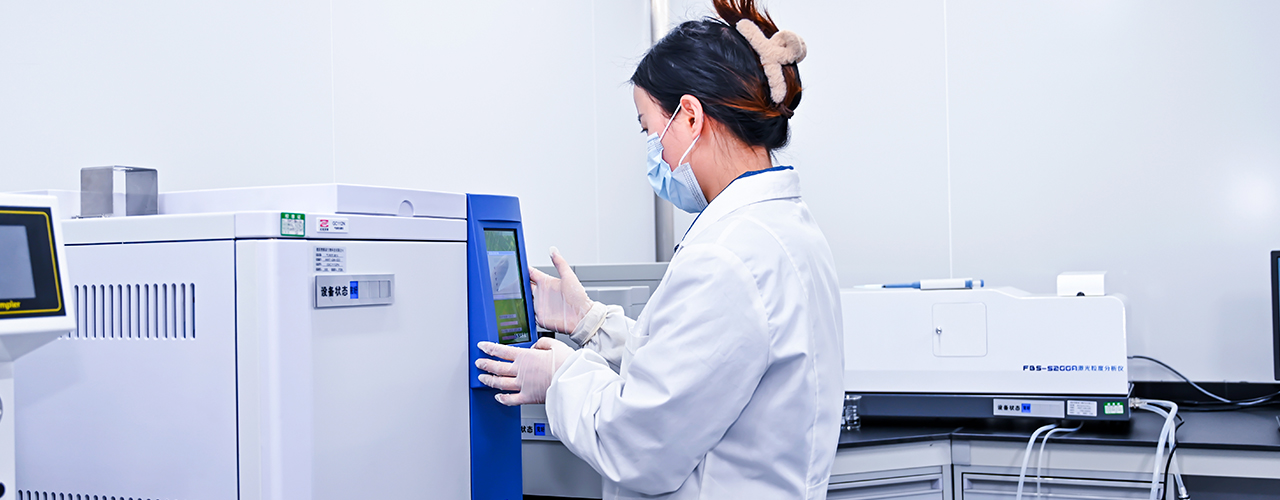
Our in-house R&D team holds over 1,000 mature, tested formulations for skin booster serums, ranging from basic hydrating formulas to blends with added brightening agents, PDRN for skin repair, or micro-crosslinked HA for longer-lasting results. Total annual production capacity hits 5 million units, with monthly output reaching 50,000 units to accommodate both small sample orders and large bulk requests.
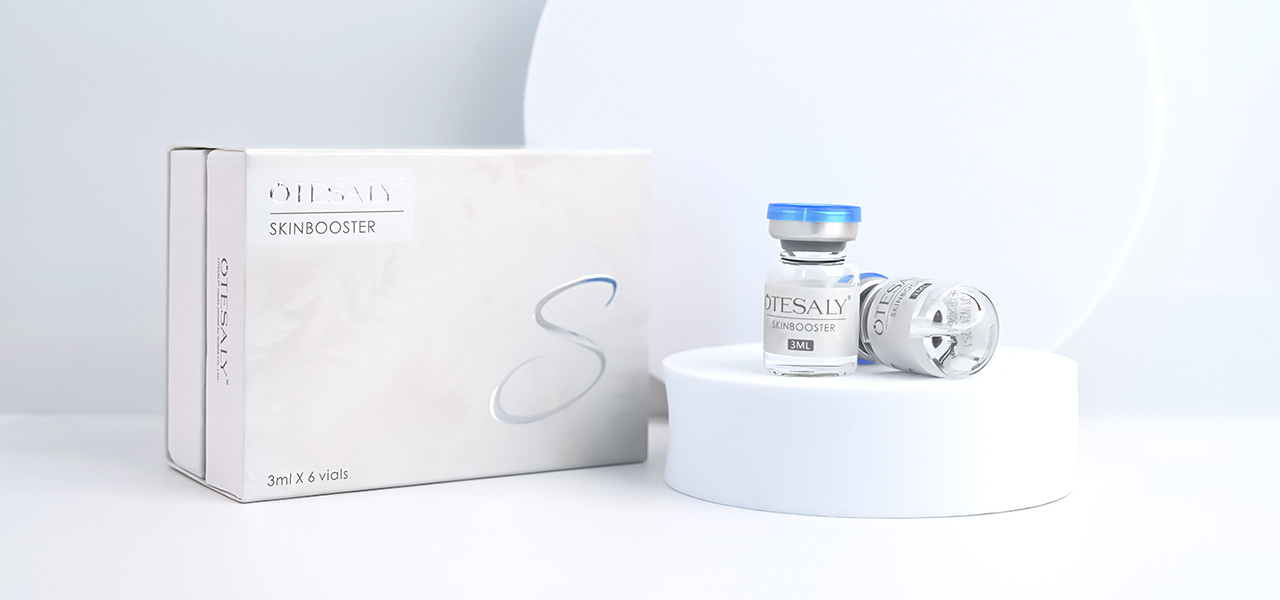
Among our full line of aesthetic injectable products, our core Skinbooster formula is tailored to meet the demands of both high-end clinics and emerging private label brands. The formula uses 15mg/ml of micro-crosslinked HA produced with NASHA technology, blended with 7 amino acids, 2 mineral complexes, and pro-vitamin B5 to support fibroblast activity and skin barrier repair.
The formula has an ultra-smooth push force, so injectors experience less hand fatigue during treatment, and no visible particles or clumping that could cause uneven texture under the skin. It is safe for use across all facial zones, including the thin skin around the eyes and neck, with minimal post-treatment downtime for patients. Most clients report visible improvements in skin hydration and texture after the first treatment, with results building over 2-3 weeks as collagen production increases.
AIMA International Group Co., Ltd., the manufacturer behind this formula, has operated in the medical aesthetic space since 2003, and holds an industry honor as one of the Top 10 Dermal Filler Manufacturers globally. We have provided custom formulation and private label solutions for over 521 aesthetic brands across North America, Europe, the Middle East, and Southeast Asia. Our team attends major global industry events every year to connect directly with clients, gather feedback on product performance, and stay aligned with evolving market demands.
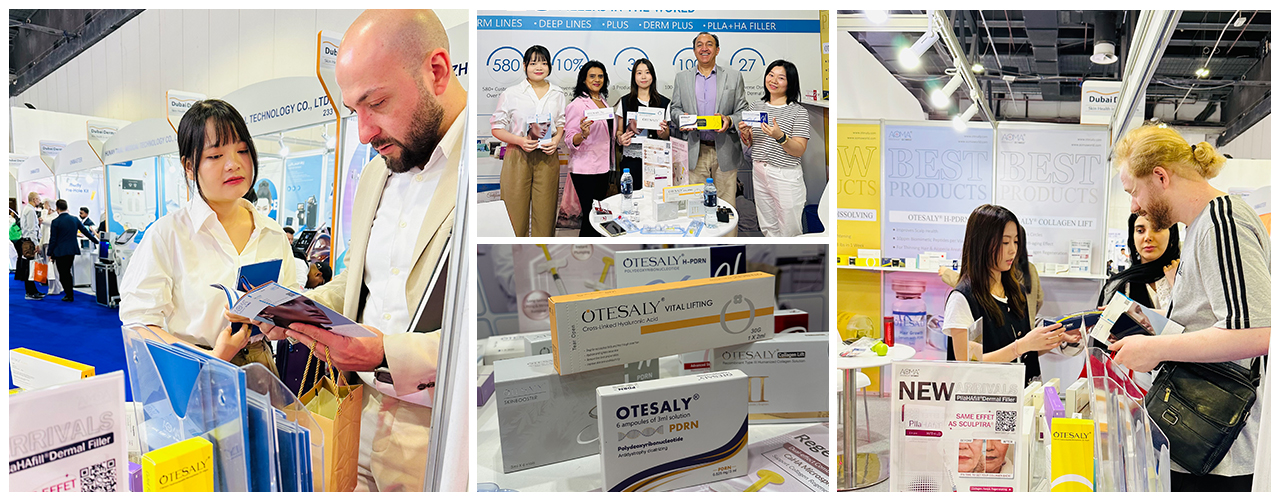
We built our OEM/ODM service model to solve the exact pain points Marta, Kareem, and hundreds of other clients faced when working with rigid, inflexible suppliers.
Sourcing injectable products carries real risk for your business and your clients. Take these simple steps before placing a bulk order to avoid costly mistakes:
Global demand for skin booster treatments continues to grow at a 12% annual rate, driven by consumer preference for natural, low-downtime aesthetic results. For clinics and brands, this creates a steady, high-margin revenue stream—if you partner with a supplier that prioritizes quality, flexibility, and long-term support over quick, low-cost sales.
We welcome clients to request free samples, schedule a virtual tour of our production facility, or discuss custom formulation needs at any time. Our team does not push oversized orders or hidden fees, and works with every client to build a supply plan that matches their current scale and long-term growth goals.

Copyright @ 2026 AIMA International Group Co., Ltd.


