



Welcome to visit AIMA International Group
 Spain
Spain

Your browser version is too low, in order to ensure a better browsing experience,Please click to update to a higher version browser.
Talk about it later.XWelcome to visit AIMA International Group
Spain




.jpg)
Home > News > Industry Trends > Clinical-Grade Mesotherapy Solution: Custom OEM/ODM Supply for Global Aesthetic Brands & Clinics
Industry TrendsAsk any aesthetic injector what product category drives the highest repeat client rate for non-surgical skin improvement treatments, and most will name mesotherapy solution. Unlike dermal fillers that add structural volume to targeted facial or body areas, or neurotoxins that relax overactive muscle movement, mesotherapy solutions deliver micro-doses of active ingredients directly into the dermal layer — the exact skin depth where collagen production, hydration balance, and inflammatory response are regulated. Have you ever spent weeks vetting mesotherapy suppliers, only to run into issues like inconsistent ingredient purity, missing regulatory documents, or inflexible order requirements that make it impossible to launch your own branded line? AIMA International Group Co., Ltd., a medical aesthetic manufacturer operating since 2003, builds its entire mesotherapy solution portfolio to solve these exact frustrations for clinic owners and brand builders worldwide, with full product listings and support available at supplierfiller.com.
Mesotherapy dates back to 1952, when French physician Michel Pistor first developed the technique of delivering shallow, micro-dose injections to the mesoderm — the embryonic tissue layer that develops into the dermis, connective tissue, and circulatory vessels under the skin. For a solution to be safe for this level of injection, it must meet far stricter standards than topical skincare. Many new brand owners mistakenly assume any watery serum labeled for skin use can be repurposed for mesotherapy, but this misstep leads to thousands of adverse event reports every year.
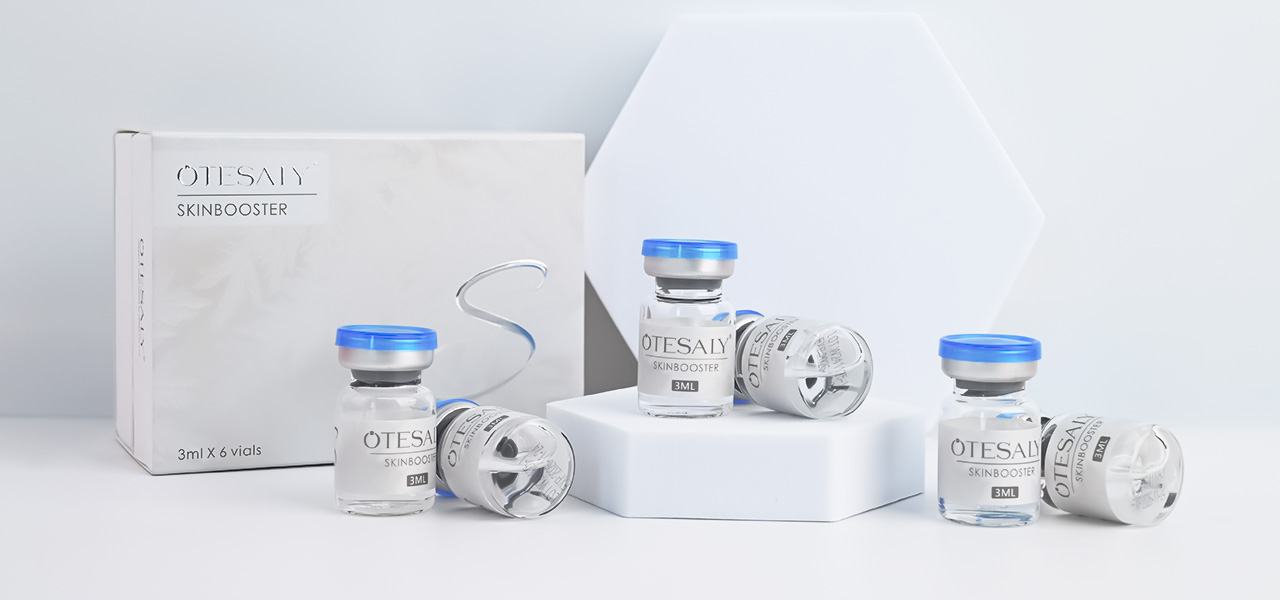
This is exactly the standard AIMA applies to its core mesotherapy solution line, including the widely used Skinbooster formulation built for dermal micro-injection. Built with a base of non-crosslinked, medical-grade hyaluronic acid, the formula is compatible with standard meso injectors, derma pens, and manual injection techniques, making it a versatile option for clinics that use multiple delivery methods for mesotherapy treatments. It can be used as a standalone hydration treatment, or customized with additional active ingredients to target fine lines, dullness, or uneven texture.
Take a small aesthetic brand based in Barcelona, Spain, that reached out to AIMA in late 2022. The brand founder, a registered nurse with 8 years of injection experience, first launched her mesotherapy line through a local trading company that sourced unbranded solution from an unvetted factory. Within three months of launch, 12 of her clinic clients reported persistent redness and small, hard nodules at injection sites that lingered for more than 4 weeks. When she reached out to the trading company for raw material traceability reports and sterility certifications, she received no response. Local health authorities opened an inquiry after one client filed a formal complaint, and she was forced to recall €27,000 worth of inventory, nearly shutting down her business.
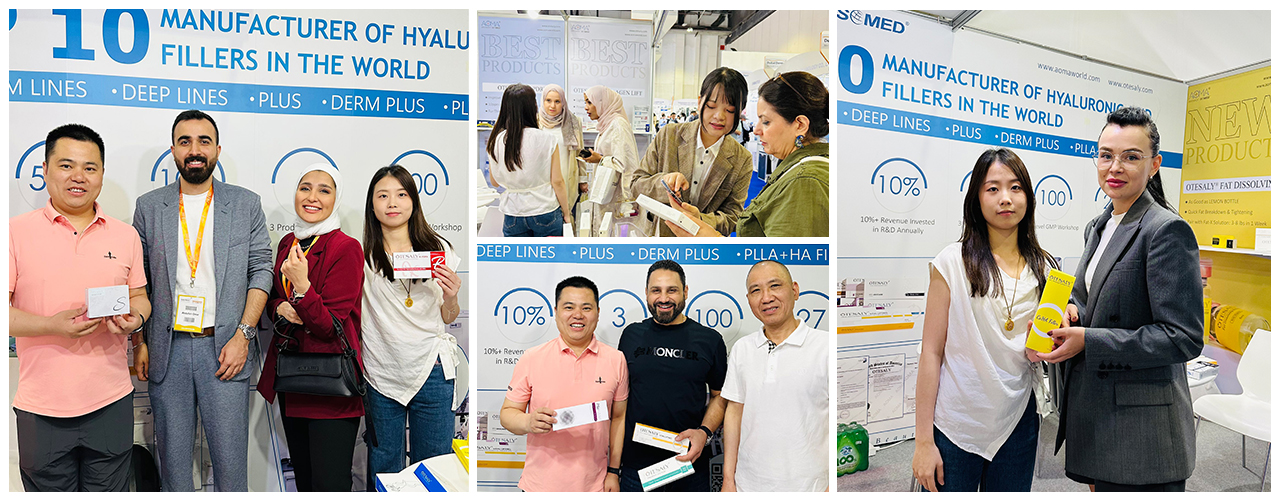
The second case comes from a large medical aesthetic chain based in Dubai, which operates 9 clinics across the UAE. The chain’s operations team spent 18 months trying to launch a private-label mesotherapy solution tailored to local clients, who often struggle with post-inflammatory hyperpigmentation after aesthetic procedures. Every manufacturer they contacted required a minimum order quantity of 100,000 units per SKU — a volume that would take the chain more than 7 years to use up, based on their annual treatment volume. None of the manufacturers would adjust the base formula to add tranexamic acid and niacinamide at the clinically validated concentrations the chain’s dermatologists requested, either. The project was stuck for nearly two years before they connected with AIMA at a regional beauty trade show.
These stories are not outliers. A 2023 survey of 200 aesthetic brand owners and clinic procurement managers across 17 countries found that 68% had experienced at least one major supply chain issue with mesotherapy solutions in the prior two years. The most frequently reported problems included missing regulatory paperwork (cited by 47% of respondents), inconsistent product quality between batches (42%), excessively high minimum order requirements for private label (39%), and lack of post-delivery support when adverse events occurred (31%). Many suppliers operating in the medical aesthetics wholesale space act as unvetted middlemen, with no direct access to production facilities or quality control records, leaving partners with no recourse when problems arise.
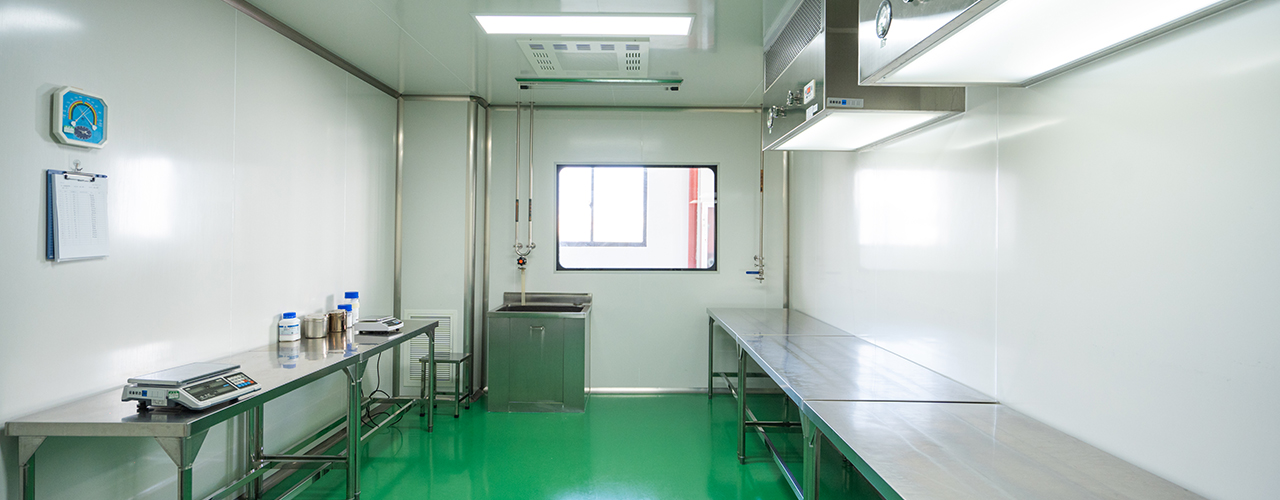
AIMA International Group launched its medical aesthetic production operation in 2003, and has spent 20 years refining processes specifically for injectable products like mesotherapy solutions. The company operates a 4,800 square meter modern production facility, built to Class 100 GMP cleanroom standards, with 3 dedicated production lines for injectable skincare and dermal filler products.
The production team holds core expertise in two foundational technologies for injectable HA products: NASHA (Non-Animal Stabilized Hyaluronic Acid) processing, which removes all protein residues from HA sourced from bacterial fermentation to eliminate immune reaction risk, and HICE (High Concentration & Uniform Crosslinking Efficiency) technology, which allows for uniform, low-temperature processing of HA molecules to preserve natural biocompatibility while extending product shelf life. Unlike mesotherapy solutions formulated with low-grade, animal-extracted HA sourced from unvetted suppliers, AIMA sources only medical-grade, non-animal HA — a raw material valued at $45,000 per kilogram — from suppliers that hold full CE and GMP certifications. Every batch of raw material undergoes third-party testing by SGS to verify purity, endotoxin levels, and absence of microbial contaminants before it enters the production line.
The in-house R&D team maintains a library of more than 1,000 mature, clinically validated formulations for mesotherapy solutions, covering every common client need: deep hydration support, collagen stimulation, skin brightening, hair growth, fat contouring, and post-procedure repair. This formulation library cuts down custom development timelines by 70% for brand partners, compared to working with manufacturers that build formulations from scratch for every client. Current production capacity reaches 5 million units annually, with a monthly output of up to 50,000 units to support both small startup orders and large bulk requests.
The Barcelona brand founder, for example, worked with AIMA to reformulate her mesotherapy solution line with the Skinbooster base, adjusted to include a blend of centella asiatica extract and low-molecular-weight HA suitable for sensitive skin. She placed an initial order of just 500 units to test with her existing client base, and was able to provide full CE certification and COA documents to local health authorities to resolve her prior compliance issue. Within 12 months, her line was being sold to 42 clinics across Spain, with zero reported adverse events.
The Dubai clinic chain, meanwhile, worked with the AIMA R&D team to adjust the base Skinbooster formula to include 5% tranexamic acid and 2% niacinamide, calibrated to reduce post-injection hyperpigmentation for clients with Fitzpatrick skin types III-V. The chain placed an initial order of 2,000 units — well below the 100,000 unit MOQ other manufacturers required — and launched their private label line in Q2 of 2023. The treatment now accounts for 28% of their total skin service revenue, with a 92% client satisfaction rating based on post-treatment follow-up surveys.
Any supplier can claim to sell high-quality mesotherapy solution, but injectable products carry inherent risk if they are not manufactured to global medical device standards, or if the supplier disappears once a payment is made. AIMA builds trust with partners through full transparency around compliance and post-sale support, a standard that remains rare in the loosely regulated global aesthetic wholesale space.
All production processes follow ISO 13485 quality management system standards, with full alignment with Class III medical device manufacturing specifications. Products hold full EU CE certification, and are registered with the U.S. FDA Voluntary Cosmetic Registration Program (VCRP) for partners selling into the North American market. Every shipped batch includes a full certificate of analysis (COA), sterility test report, and raw material traceability documentation, so partners can provide full compliance paperwork to local health authorities or clinic clients as needed.
Unlike wholesale traders that resell unvetted products with no accountability, AIMA’s dedicated after-sales support team responds to partner inquiries within 24 hours, whether the question relates to product usage guidance, shipping issues, or documentation requests. The team does not make overstated claims about product performance: mesotherapy solutions are formulated to support gradual skin quality improvement over a series of 3-4 treatments, not to replicate the immediate volume effects of dermal fillers, and the team provides clear, evidence-based guidance on appropriate treatment protocols to help partners set realistic expectations for their own clients.
For clinic owners or brand builders trying to select the right mesotherapy solution for their audience, start by asking potential suppliers three simple questions before placing an order: First, can they provide full, batch-specific test reports for every shipment, rather than generic certificates that apply to an entire product line? Second, will they allow small test orders before requiring large bulk commitments, so you can verify product performance with your own clients? Third, do they have a dedicated support contact who will respond to questions after your payment is processed, rather than routing all communications to an unmonitored generic email? If a supplier cannot answer yes to all three, you are taking on unnecessary risk for your business and your clients.
AIMA publishes full details of its production standards, certification documents, and case studies on supplierfiller.com, and allows potential partners to request free product samples to test texture, injection flow, and skin response before committing to a paid order. The production team can also walk partners through a virtual tour of the GMP cleanroom facility, to show first-hand how mesotherapy solutions are manufactured, tested, and packaged before shipment.

Copyright @ 2026 AIMA International Group Co., Ltd.


