



Welcome to visit AIMA International Group
 Spain
Spain

Your browser version is too low, in order to ensure a better browsing experience,Please click to update to a higher version browser.
Talk about it later.XWelcome to visit AIMA International Group
Spain




.jpg)
Home > News > Industry Trends > Skin Booster Injections: Formulation Standards, Realistic Results, and Trusted Wholesale Supply for Aesthetic Brands & Clinics
Industry TrendsLast year, I spoke with Marta, a small aesthetic clinic owner in Barcelona who had built her 3-year business on natural, low-downtime treatments for clients in their 30s and 40s. She sourced her first batch of skin booster injections from a local third-party distributor, drawn in by per-unit prices that seemed 20% lower than other offers on the market. Three weeks in, two of her regular clients developed persistent redness and small, hard nodules at injection sites that lingered for nearly a month. Lab testing later revealed the product contained cosmetic-grade hyaluronic acid with unlisted animal-derived protein residues, not the medical-grade formulation advertised. Marta settled the client complaints for €3,200, spent two months rebuilding trust with her client base, and sifted through dozens of supplier options to avoid a repeat mistake.
What Exactly Are Skin Booster Injections, and How Do They Differ From Traditional Dermal Fillers?
Many new clinic owners and brand builders mix up skin booster injections with standard hyaluronic acid dermal fillers, but the two products serve entirely different purposes and use distinct formulations. Traditional dermal fillers use highly crosslinked HA, a structure where individual HA molecules are bonded together with controlled amounts of crosslinking agent to create a firm, gel-like consistency that adds volume under the skin. These products are injected into the deep dermis or subcutaneous layer to fill deep wrinkles, plump lips, or define cheek and jawline structure.
Skin booster injections, by contrast, use non-crosslinked or lightly micro-crosslinked HA, formulated to be injected into the superficial to mid dermis. The product does not add structural volume. Instead, it acts like a moisture reservoir within the skin, binding up to 1000x its weight in water to hydrate tissue from the inside out. Over time, the steady presence of purified HA creates an optimal microenvironment for fibroblast activity, supporting natural collagen and elastin production to improve skin texture, reduce fine dry lines, and boost overall skin radiance. Most courses involve 3 treatment sessions spaced 2-4 weeks apart, with maintenance sessions every 6-9 months depending on client skin type and metabolism.
Red Flags to Spot When Sourcing Skin Booster Injections for Your Business
Marta’s experience is far from unique. In 2022, a Korean indie aesthetic brand preparing to launch its first skin booster line lost nearly $100,000 in inventory and missed its 6-month launch window when its shipment was seized by EU customs. The small-batch manufacturer the brand hired had cut costs by using non-medical grade HA, skipped required endotoxin testing, and could not provide valid CE certification for the products. The brand lost its pre-order revenue and spent months repairing its reputation with early followers.
These stories highlight how easy it is to cut corners in a fast-growing market, and how costly those shortcuts become. As you evaluate suppliers for skin booster injections, watch for these common red flags:
AIMA International Group Co., Ltd. has manufactured medical aesthetic products since 2003, earning a spot among the top 10 dermal filler manufacturers globally. Its 4,800-square-meter modern production base operates Class 100 GMP clean rooms across 3 dedicated production lines, with every batch of product tested by in-house quality teams and third-party auditors from SGS on a regular schedule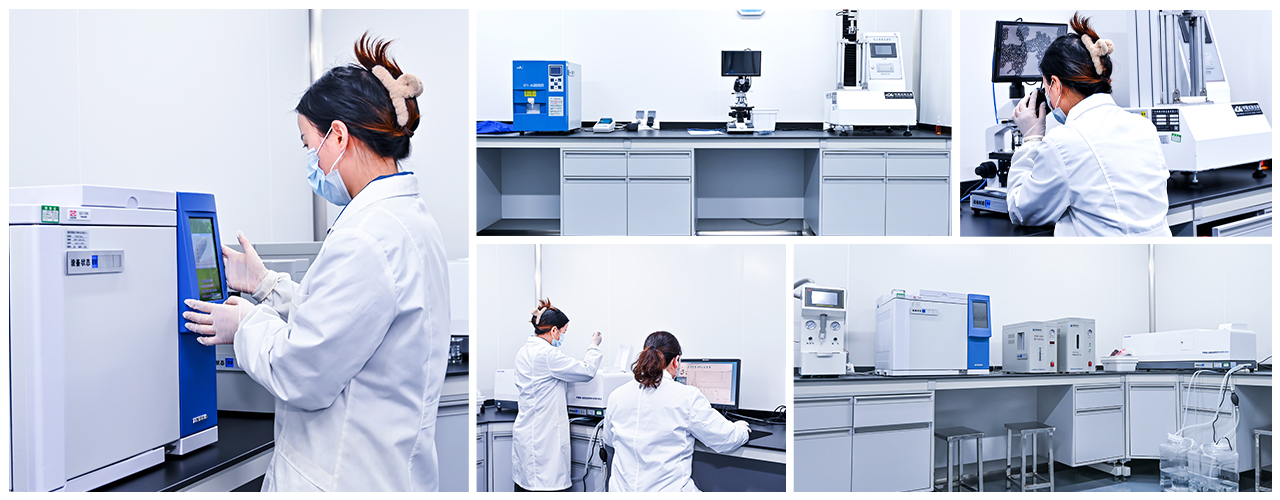 . The company sources only high-purity, medical-grade non-animal HA (valued at $45,000 per kilogram) from CE and GMP certified raw material suppliers, with regular third-party testing from SGS to verify purity. It holds proprietary NASHA and HICE production technologies, with over 1000 mature formulations across filler, skin booster, and regenerative aesthetic product lines.
Realistic Patient Outcomes From Professionally Formulated Skin Booster Injections
Social media posts often overpromise results from skin booster injections, claiming a single session will erase wrinkles, lighten dark spots, and deliver “glass skin” for a full year. These claims set unrealistic expectations for clients and create unnecessary frustration for clinic teams. Data from clinical trials of properly formulated skin boosters shows predictable, gradual results for most patients:
The core Skinbooster formulation from AIMA International is designed to deliver these consistent, natural results with minimal post-treatment side effects. It uses lightly micro-crosslinked HA at a 15mg/ml concentration, produced with the company’s proprietary NASHA and HICE technologies to create a smooth, homogeneous gel that distributes evenly under the skin without clumping. The formulation is optimized for smooth injection into the superficial dermis with low push force, making it easy for practitioners to control placement and avoid overcorrection. It is free of animal-derived ingredients, with endotoxin levels kept 50% below the global industry standard to reduce swelling and irritation post-injection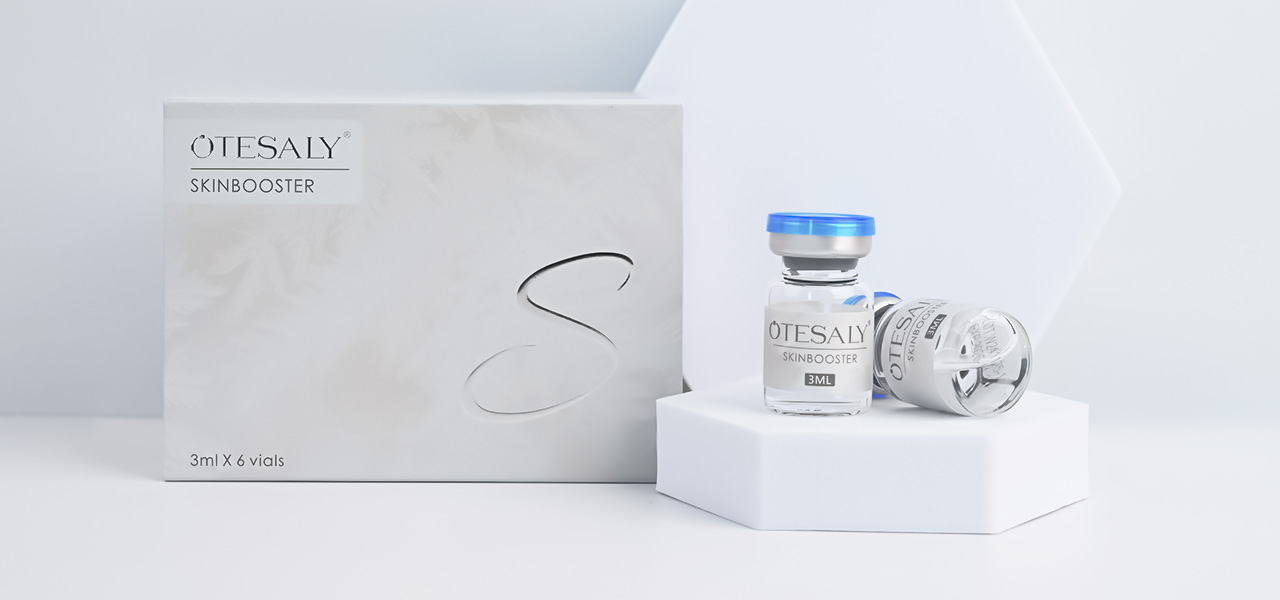 . Clients and practitioners can request formulation adjustments to add PDRN, amino acid blends, or brightening ingredients to match specific client skin concerns, from dry sensitive skin to dull, sun-damaged complexions.
Flexible Supply and OEM/ODM Support for Every Business Model
Many new aesthetic brands and small clinic owners assume they need to place orders for tens of thousands of units to work directly with a manufacturer, a barrier that pushes many to work with unvetted distributors. AIMA’s production setup is built to support businesses at every stage of growth, with annual production capacity of 5 million units and monthly output of up to 50,000 units.
The company operates with no MOQ pressure for new partners, allowing startup brands and small clinics to place small test orders to validate product performance with their client base before scaling. For large clinic chains and established global distributors, the company offers tiered bulk pricing to reduce per-unit costs and support higher margins. Its OEM/ODM services cover every step of the product launch process, from initial brand positioning, logo design, and custom packaging, to tailored adjustments of HA concentration, additive ingredients, and viscosity to match target market preferences.
Lead times are structured to keep up with fast-moving market demands: sample orders ship within 3-5 working days, while full bulk orders are completed within 15-20 days, with expedited production options available for brands working on tight launch timelines. The Korean brand that lost its initial inventory to a bad supplier, for example, partnered with AIMA in late 2022, finalized a custom PDRN-infused skin booster formulation in 3 days, received its custom-branded bulk order in 18 days, and now moves 8,000 units per month across its EU and Southeast Asian sales channels. To date, AIMA has delivered custom aesthetic product solutions for more than 521 brands across 60+ countries.
AIMA’s team meets regularly with partners and practitioners at global industry events to collect direct feedback on product performance and emerging market trends, including the annual Dubai Beauty Exhibition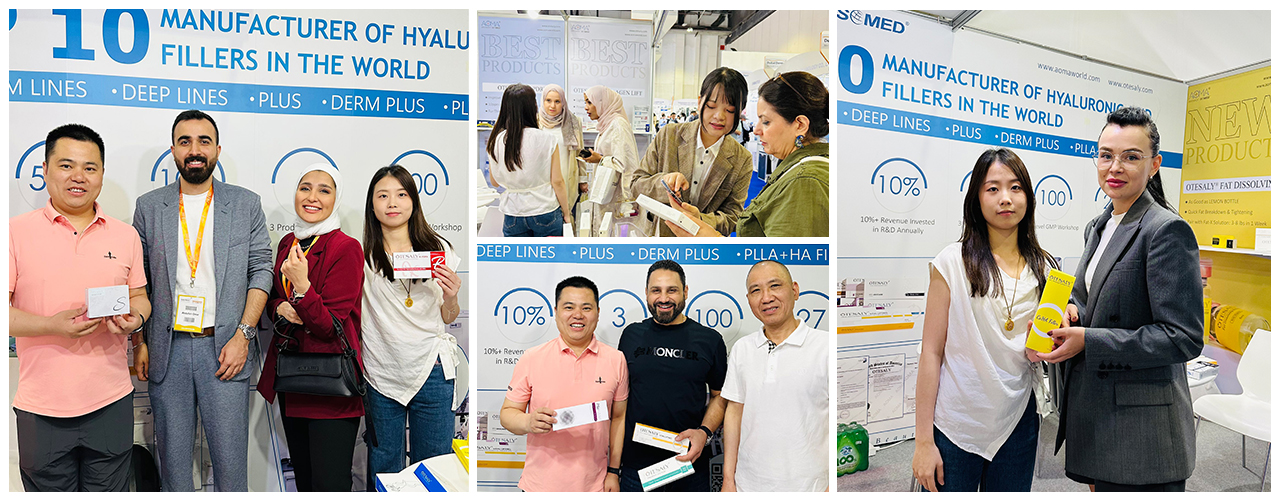 . These conversations feed directly into formulation updates, ensuring the company’s skin booster line evolves alongside practitioner and client needs.
Common Misconceptions That Create Risk for Aesthetic Businesses
As demand for skin booster injections grows, a number of persistent myths have circulated that can lead to bad sourcing decisions or poor client outcomes.
Every order of skin booster injections from AIMA comes with a full set of traceable compliance documents, including CE certification, FDA VCRP registration proof, ISO 13485 quality system records, and batch-specific quality test reports. For all Medical Aesthetics Wholesale orders, AIMA assigns a dedicated account manager to walk partners through product selection, compliance paperwork, and reorder processes, so there is no runaround when teams need support. The company’s support team is available 24 hours a day to help with customs clearance paperwork, practitioner training materials, or troubleshooting for any issues that arise after delivery. This level of support removes much of the risk for brands and clinics, letting teams focus on serving clients instead of navigating supply chain or compliance headaches.
ISAPS data shows global skin booster treatment volumes grew 117% between 2019 and 2023, outpacing growth for traditional dermal filler treatments as more clients seek subtle, natural-looking skin improvements instead of dramatic volume changes. For brands and clinics building a long-term presence in this space, the difference between success and costly setbacks comes down to partnering with a manufacturer that prioritizes raw material quality, production safety, and transparent support over rock-bottom pricing.

Copyright @ 2026 AIMA International Group Co., Ltd.


