



Welcome to visit AIMA International Group
 Spain
Spain

Your browser version is too low, in order to ensure a better browsing experience,Please click to update to a higher version browser.
Talk about it later.XWelcome to visit AIMA International Group
Spain




.jpg)
Home > News > Industry Trends > Regenerative Aesthetic Injection: Mechanisms, Clinical Value, and Trusted Supply Solutions for Aesthetic Practices
Industry TrendsWalk into any top medspa in Beverly Hills, Seoul, or Dubai right now, and you will hear the same buzz from clients and injectors alike: people are tired of filler fatigue. The overfilled, “done” look that dominated social media for the last decade is out, and patients are asking for treatments that make them look like themselves – well-rested, glowing, with natural facial contours that don’t shift or look puffy in bright light. That demand is exactly what pushed regenerative aesthetic injection from a niche premium offering to the fastest-growing segment in cosmetic injectables.
How can clinics and brands separate high-quality regenerative injectables from cheap, rebranded fillers that ride the trend without delivering real tissue regeneration? It starts with understanding how these products work, what pitfalls to avoid during sourcing, and what manufacturing standards separate safe, effective products from the risky options flooding unvetted online marketplaces.
Traditional dermal fillers work on a simple principle: they act as a physical space holder. Cross-linked hyaluronic acid, calcium hydroxylapatite, or other gel materials are injected under the skin to fill wrinkles, add cheek or jaw volume, and smooth lines the second the needle leaves the skin. Over 6-12 months, the material breaks down and is absorbed by the body, and the treated area returns to its pre-treatment state. In some cases, repeated over-injection of these traditional fillers can stretch skin and connective tissue, leading to a puffy, unnatural appearance that requires dissolving and time to reverse.
Regenerative aesthetic injection works on an entirely different mechanism. Instead of simply filling space, these injections use biocompatible, biodegradable materials to trigger the body’s natural tissue repair response. The injected particles act as a scaffold for fibroblast activity, stimulating production of the body’s own type I and type III collagen, elastin, and healthy extracellular matrix. Results appear gradually over 4-12 weeks, as new tissue grows, and last far longer than traditional fillers because the new collagen is the patient’s own tissue. The end result is softer, more natural contours, improved skin thickness and texture, and none of the stiff, overfilled look patients increasingly reject.
Common legitimate regenerative injectable materials include poly-L-lactic acid (PLLA), polycaprolactone (PCL), high-purity PDRN (polydeoxyribonucleotide) derived from salmon sperm, and medical-grade biocompatible collagen. A flood of knockoff products on the market labels standard HA fillers as “regenerative” to command a higher price point, but these products have no clinical data showing they stimulate long-term collagen production beyond the mild inflammatory response caused by any needle stick.
Numbers from the American Society of Plastic Surgeons 2023 annual report back up the shift: regenerative injectable treatments grew 47% year-over-year, compared to just 12% growth for traditional HA fillers. The gap comes down to patient satisfaction. Clinics report that patients who choose regenerative injections have a 92% satisfaction rate at 12 months post-treatment, compared to 68% for traditional fillers, because the results look more natural and require fewer touch-up appointments.
For injectors, that translates to higher client retention and higher average lifetime value. A patient who comes in for traditional HA fillers may visit every 4-6 months for touch-ups, but often expresses frustration when results fade quickly or look uneven. A patient who gets regenerative injections will return for follow-up treatments every 18-24 months, and often spends more on complementary treatments like skin boosters and laser therapy because they trust the clinic’s approach to natural results.
Early generations of regenerative injectables had notable flaws. First-generation PLLA products required multiple dilution steps, had no built-in numbing agent, caused significant discomfort during injection, and carried a high risk of nodule formation if microspheres clumped together. Patients also had to wait 4-6 weeks to see any visible results, since the formula contained no immediate volumizing component – a major turnoff for clients used to instant results from HA fillers.
For clinics and brands building their regenerative injection portfolios, PllaHAfill Lidocaine from AIMA International Group addresses nearly every pain point clinicians report with first-generation regenerative products.
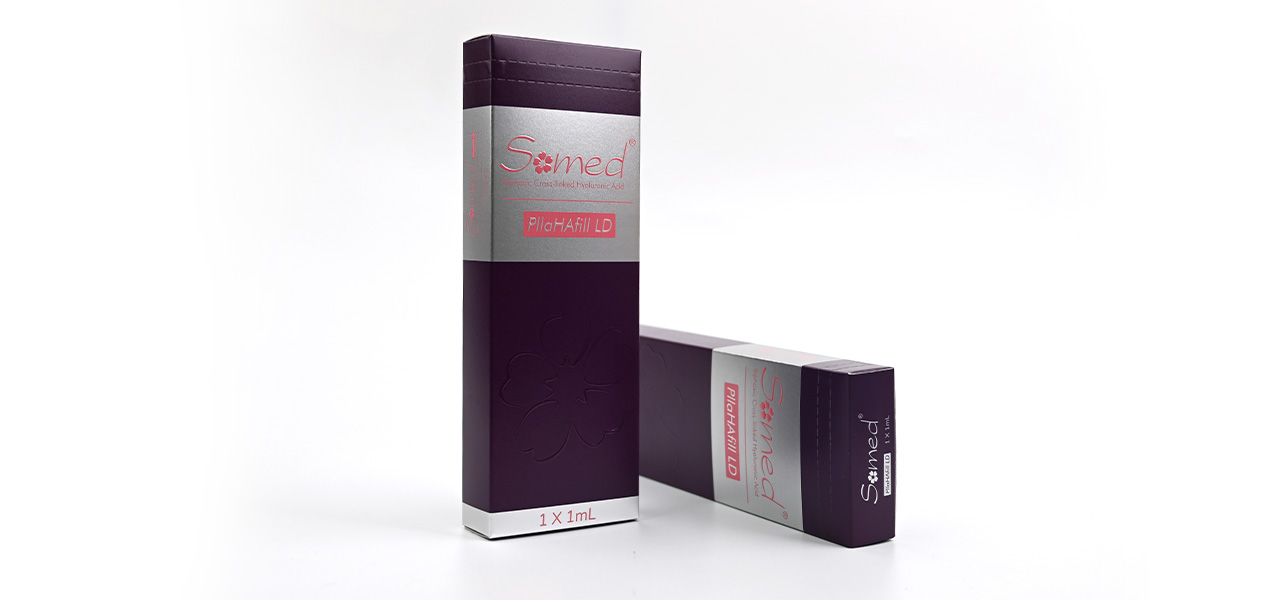
Full product specifications, batch documentation, bulk pricing, and custom OEM/ODM request forms for PllaHAfill Lidocaine and the full AIMA aesthetic injection line are available directly at https://supplierfiller.com/.
The fast growth of the regenerative injection space has attracted dozens of unvetted suppliers selling cut-rate products with no testing, no compliance documentation, and no quality control. Two recent client stories from AIMA’s team highlight just how costly these bad sourcing decisions can be.
Dr. Marquez, who runs a 6-treatment-room medspa in Miami focused on natural-looking tweakments, lost three long-term clients in 2022 after sourcing unvetted regenerative PLLA injections from a random online wholesale marketplace. The products had uneven microsphere sizes, with particles ranging from 10μm to over 200μm, leading to hard, visible nodules on two clients’ cheeks and one client’s jawline. Resolving the issue required multiple rounds of hyaluronidase injections and weekly manual massage over 3 months, and cost Dr. Marquez over $12,000 in client refunds and reputational damage. When he tried to reach the supplier for compensation or product safety documentation, the website was taken down and his contact emails bounced. He began searching for a reliable, compliant supplier, but most established manufacturers required minimum order quantities of 5,000 units per SKU – far more than his small clinic could stock without tying up tens of thousands of dollars in inventory.
Sojin Park, founder of a Seoul-based clean beauty brand that expanded into medical aesthetics in 2022, faced a different set of frustrations. She wanted to launch a custom regenerative injection line tailored to East Asian skin, which tends to develop post-inflammatory hyperpigmentation more easily and requires softer, more spreadable product textures for finer facial contours. She worked with two local manufacturers before connecting with AIMA, and both failed to meet her standards. One used low-purity, animal-derived HA that caused persistent redness in 15% of her clinical test group. The other quoted a 45-day lead time for custom samples that stretched to 3 months, making her miss the 2023 Seoul International Beauty Expo launch window she had spent 6 months marketing for.
These stories are not outliers. A 2023 survey of 300 medspa owners in the U.S. and EU found that 62% had received non-compliant or counterfeit injectable products from online suppliers at least once, and 38% had dealt with patient adverse events caused by low-quality regenerative injection products.

AIMA International Group Co., Ltd., founded in 2003, is recognized as one of the top 10 dermal filler manufacturers globally, built specifically to solve these exact sourcing pain points. The company operates a 4,800 square meter modern production base with Class 100 GMP clean rooms and 3 dedicated production lines, running strictly in line with ISO 13485 quality management systems and Class III medical device production standards. All raw materials meet the highest global safety bar: the production team uses medical-grade, non-animal derived hyaluronic acid valued at $45,000 per kilogram, sourced exclusively from CE GMP-certified suppliers, with every single production batch undergoing independent third-party testing from SGS to screen for endotoxins, impurities, and particle size consistency.
The company’s core NASHA (Non-Animal Stabilized Hyaluronic Acid) and HICE technologies underpin its product quality, and its in-house R&D team holds over 1,000 mature aesthetic formulations, including the proprietary PllaHAfill Lidocaine blend that fixes the core flaws of first-generation regenerative injections. Annual production capacity reaches 5 million units, with monthly output hitting 50,000 units, enough to support both small clinic orders and large global brand bulk orders without production delays.
Many high-quality injectable manufacturers only cater to large, established brands, locking out small clinics and emerging entrepreneurs with inflexible MOQ requirements and rigid, one-size-fits-all product offerings. AIMA built its supply model to serve every type of client in the aesthetics space.
For small clinic owners like Dr. Marquez, the company’s no MOQ pressure policy means he can order as few as 10 units of PllaHAfill Lidocaine at a time to test client response, without tying up working capital in excess inventory. He placed his first order with AIMA in early 2023, and now regenerative injections make up 38% of his injectable revenue, with zero adverse events reported across 217 client treatments to date. He also uses AIMA’s free clinical training resources to train his two injectors on proper PLLA injection depth, dilution ratios, and post-treatment massage protocols, cutting his team’s learning curve for the new treatment category in half.
For emerging brand founders like Sojin, AIMA’s full-suite OEM/ODM service covers every step of product development, from initial brand positioning, logo design, and custom packaging, to targeted formula and concentration adjustments for specific skin types or treatment areas. She worked with AIMA’s R&D team to tweak the base PllaHAfill Lidocaine formula to a slightly thinner consistency ideal for treating fine lines around the eyes and mouth in patients with thinner East Asian skin, received her custom branded samples in 4 working days, and launched her finished product line at the 2023 Dubai Beauty Exhibition.
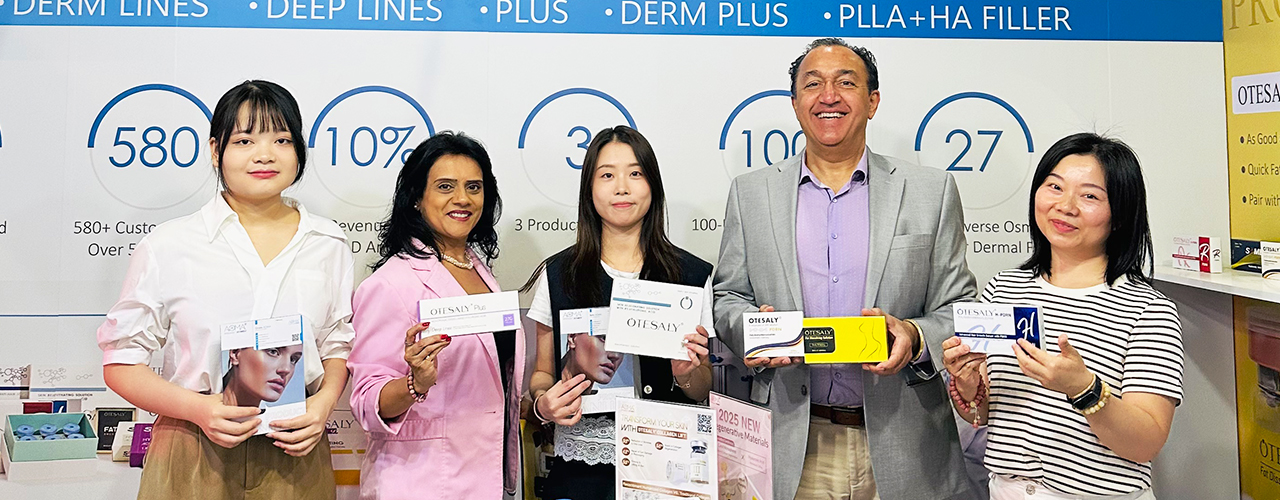
Her brand sold out of its first 1,200-unit production run during the three-day show, and she now has 27 retail stockists across Southeast Asia and the Middle East. Standard sample orders from AIMA ship in 3-5 working days, while bulk production orders are completed in 15-20 days, with expedited production options available for brands with tight launch deadlines. Large enterprise clients qualify for tiered bulk discounts, and the company has delivered custom product solutions for over 521 aesthetic brands across 62 countries to date. All products carry valid EU CE certification and U.S. FDA VCRP registration, making it easy for clients to complete local product registration for their clinics or brands.
Sourcing regenerative aesthetic injections is not the same as sourcing skincare serums or disposable clinic supplies. These products are injected into the dermal and subdermal layers of the skin, so quality gaps can lead to permanent adverse events for patients and major legal and reputational risk for clinics and brands. Before placing any order, verify these non-negotiable criteria with any potential supplier:
Regenerative aesthetic injection is not a passing social media trend. It answers a long-unmet patient need for cosmetic treatments that enhance natural features, rather than covering them with artificial filler. Building a successful service line or product brand in this space does not require chasing the cheapest supplier or the flashiest marketing claims. It requires working with a manufacturer that understands the clinical science behind tissue regeneration, adheres to global medical device quality standards, and offers the flexibility to support businesses at every stage of growth.

Copyright @ 2026 AIMA International Group Co., Ltd.


