



Welcome to visit AIMA International Group
 Spain
Spain

Your browser version is too low, in order to ensure a better browsing experience,Please click to update to a higher version browser.
Talk about it later.XWelcome to visit AIMA International Group
Spain




.jpg)
Home > News > Industry Trends > Facial Biostimulation Injection: Mechanisms, Clinical Outcomes, and Trusted Wholesale Supply for Aesthetic Brands
Industry TrendsLast year, Dr. Marta Cos, a dermatologist running a small aesthetic clinic in Barcelona, reached out to our team with a familiar frustration. For three years, she had relied on standard cross-linked hyaluronic acid fillers for patients seeking facial rejuvenation, but a growing number of clients returned 5-6 months post-treatment to say their results had faded completely, with no lasting improvement to skin texture or firmness. “I’m selling a temporary fix, not a real change,” she wrote. “Patients want treatments that make their own skin healthier, not just fill in lines for a few months.”
That demand sits at the core of surging global interest in facial biostimulation injection, a category of aesthetic treatment that has moved from niche anti-aging option to a core offering in clinics across Europe, North America, and Southeast Asia. Unlike traditional fillers that rely on physical volume from injected gel to smooth lines, these treatments work with the body’s own healing response to rebuild lost collagen over time, creating results that look, feel, and move like natural skin.
Many people confuse facial biostimulation injection with standard dermal fillers, but the two categories operate on entirely different mechanisms. Standard HA fillers act as a space-filling gel: injected under wrinkles or areas of volume loss, they immediately plump the area, then break down completely over 6-12 months with no residual change to the skin itself. Neurotoxins, by contrast, temporarily paralyze muscle movement to reduce dynamic wrinkles, with no impact on skin thickness or collagen levels.
Facial biostimulation injections use biocompatible, slowly resorbable microspheres suspended in a gentle carrier gel. When injected into the deep dermis and upper subcutaneous layer, these microspheres trigger a mild, controlled wound-healing response that signals fibroblasts — the cells responsible for producing connective tissue — to generate new Type I and Type III collagen, elastin, and native hyaluronic acid. Results appear gradually over 2-3 months as collagen builds, and can last 18-24 months, since the new tissue is the patient’s own. There is no stiff, “overfilled” look, no sharp edge between treated and untreated areas, and no sudden loss of effect when the carrier gel metabolizes.
A Seoul-based startup aesthetic brand, focused on natural, “no-makeup” anti-aging treatments, learned the hard way how much product quality matters in this category. In 2022, the brand sourced a generic PLLA biostimulation product from a small contract manufacturer to keep costs low, only to face three patient reports of hard, visible subcutaneous nodules 2 months post-injection. The brand spent nearly $120,000 on patient follow-up care and reputation management, and nearly folded before it found a reliable supply partner. Compounding the stress, their original supplier required a 5,000-unit minimum order, which tied up most of their startup capital in inventory that became unsellable after the adverse events.
These risks are not rare. As demand for facial biostimulation injection rises, low-quality products with untested raw materials, inconsistent microsphere sizing, and no clinical validation have flooded the wholesale market. Clinics and brands that cut corners on sourcing face far higher costs down the line from adverse events, lost patient trust, and regulatory penalties.
When administered correctly with a high-quality product, facial biostimulation injection is appropriate for a wide range of patients:
Common pain points clinicians report with existing biostimulation products include high patient pain during injection (due to lack of integrated local anesthetic), inconsistent microsphere sizing that raises nodule risk, and a 2-4 week delay in visible effect as the initial carrier fluid absorbs, which can lead patients to think the treatment did not work.
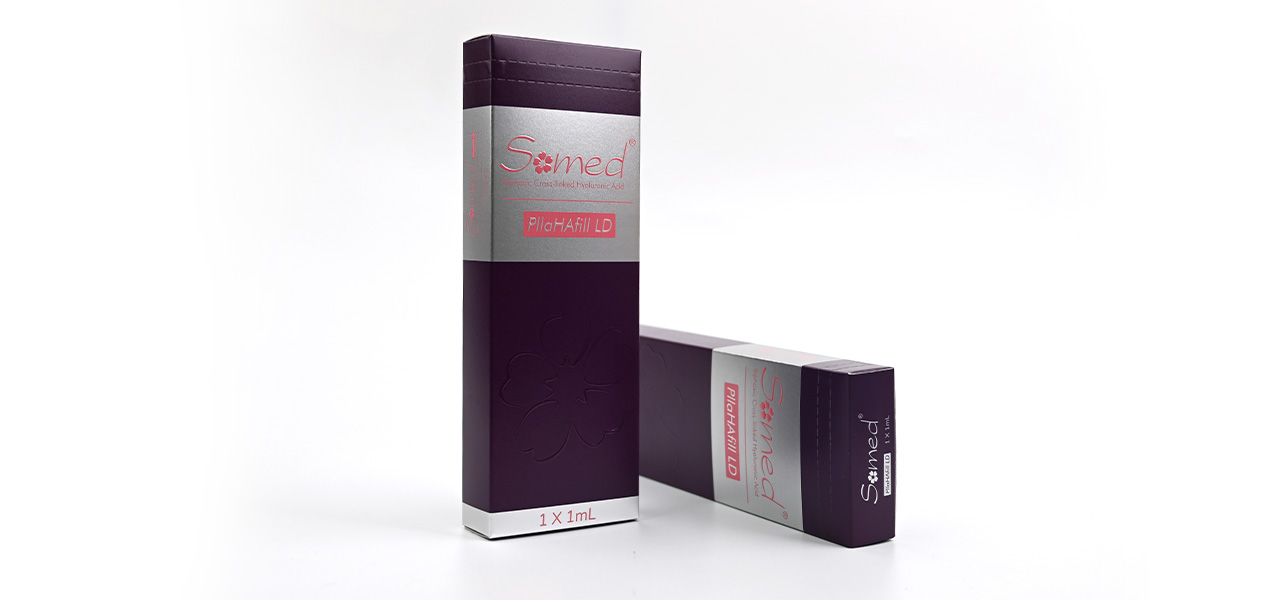
Developed and manufactured by AIMA International Group Co., Ltd., PllaHAfill Lidocaine was formulated specifically to address the most common clinical frustrations with existing facial biostimulation injection products. The formula combines three core components, balanced to support immediate patient comfort and long-term collagen regeneration:
Poly-L-lactic acid (PLLA) microspheres, processed with AIMA’s proprietary HICE technology to maintain a strict 40-60μm particle size. This narrow size range is a core safety feature: particles too small can migrate from the injection site, while particles too large trigger foreign body reactions that lead to hard nodules. The 40-60μm range is proven to be large enough to stay in the targeted dermal layer, and small enough to be gradually broken down by the body over 18-24 months, stimulating steady collagen growth without adverse reactions. The formula also uses non-animal sourced hyaluronic acid processed with NASHA technology to act as a carrier, providing immediate, subtle volume to smooth lines right after injection so patients see an initial benefit while waiting for collagen to build. Finally, 0.3% lidocaine is integrated directly into the gel, taking effect within 30 seconds of injection to reduce procedural pain by an average of 70% compared to lidocaine-free biostimulation products.
Dr. Marta began using PllaHAfill Lidocaine for her biostimulation patients in early 2023. Over 12 months, she treated 120 patients across a range of age groups and skin types, tracking outcomes at 3, 6, and 12 month follow-ups. Patient satisfaction hit 94% at the 6-month mark, with no reports of nodules, migration, or uneven texture. Most patients told her friends and family commented they looked “rested” or “glowing,” with no one guessing they had received an injectable treatment.
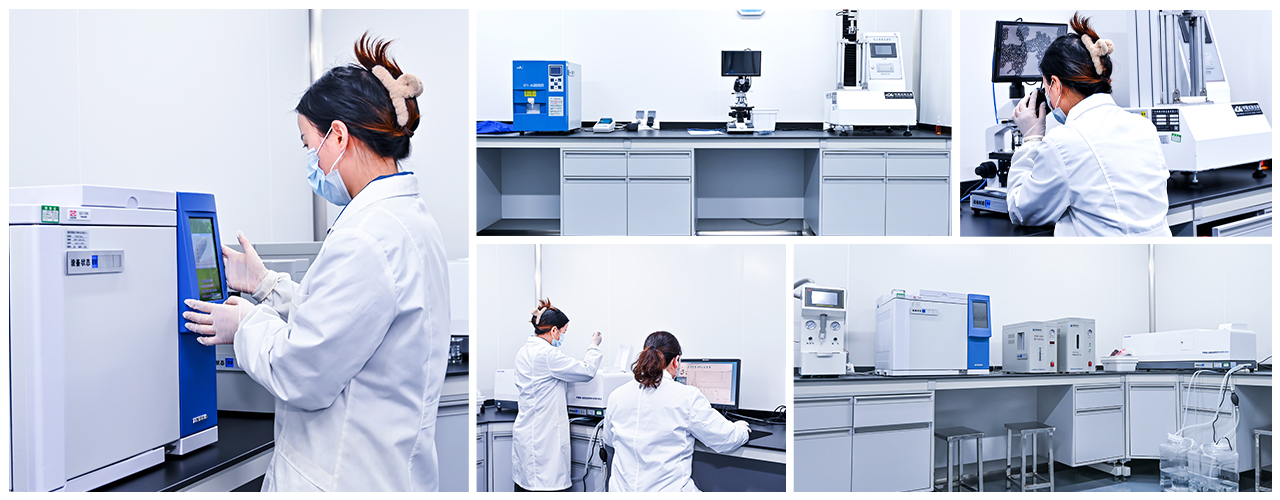
AIMA has operated as a dedicated medical aesthetic product manufacturer since 2003, earning a spot among the global Top 10 Dermal Filler Manufacturers for consistent quality and innovation. The company’s 4,800 square meter production facility is equipped with Class 100 GMP clean rooms and three dedicated production lines, operating in full compliance with ISO 13485 quality management standards and Class III medical device production requirements.
Raw material sourcing sets AIMA products apart from generic alternatives. The hyaluronic acid used in all injectable formulas is medical-grade, non-animal derived, with a purity level that puts its raw material cost at $45,000 per kilogram. Every raw material supplier holds active CE GMP certification, and every incoming batch undergoes third-party testing via SGS to screen for endotoxins, protein residues, and contaminants before it enters production. The in-house R&D team holds more than 1,000 mature, clinically tested formulas, with ongoing trials to refine product performance and safety.
Production capacity is built to support both small emerging brands and large global distributors: the facility produces up to 5 million injectable units per year, with a monthly output capacity of 50,000 units. This scale means clients never face months-long backorders or unexpected supply shortages that disrupt their business operations.
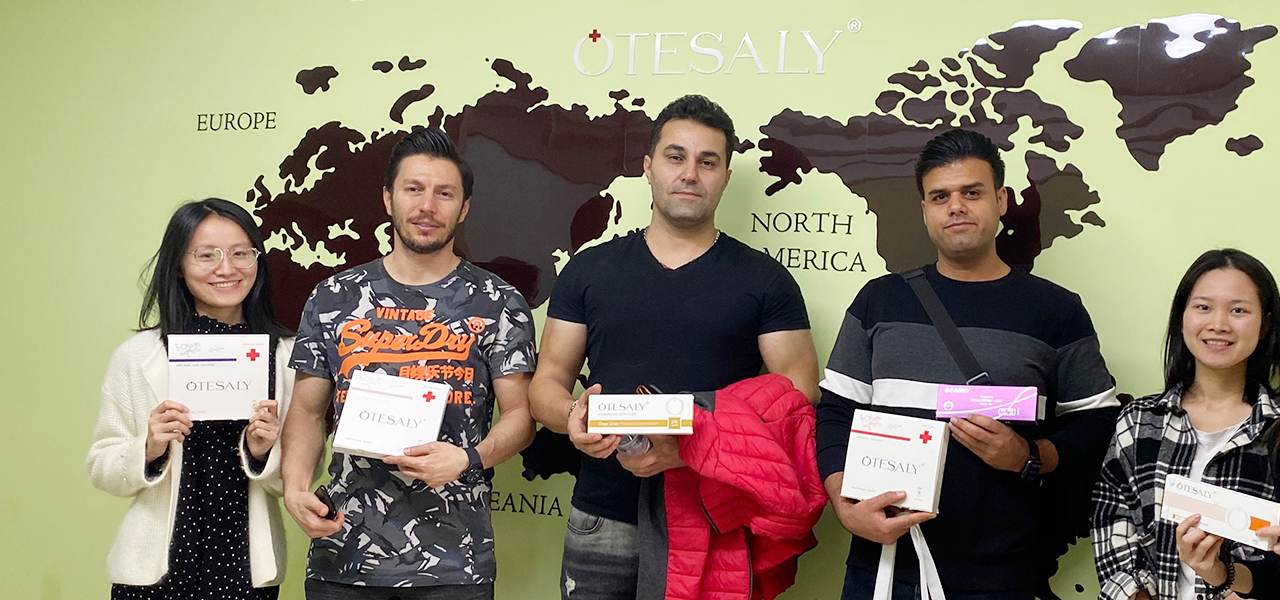
The Seoul-based startup that faced nodule issues with their original supplier partnered with AIMA in late 2023 to launch their own branded facial biostimulation injection line using the PllaHAfill Lidocaine base formula. The team worked with AIMA’s OEM/ODM specialists to adjust the PLLA concentration by 10% to match local consumer preference for slightly firmer skin tightening, design custom minimalist packaging aligned with their brand identity, and finalize all required compliance documentation for Korean market entry.
Unlike their original supplier, AIMA’s no MOQ pressure policy let the brand place an initial test order of just 200 units, so they could run small patient trials and gather feedback without tying up capital in excess inventory. After three months of positive patient response and zero adverse events, the brand scaled to a 3,000-unit bulk order, qualifying for volume pricing that let them hit their target profit margins. Today, their biostimulation line ranks in the top 20 best-selling injectable rejuvenation products in their local e-commerce channel. They are one of more than 521 brands that have built custom product lines with AIMA’s support.
All wholesale and OEM/ODM clients have access to a full suite of support, including:
Global market data puts annual growth for facial biostimulation injection at 19.2%, outpacing growth for traditional HA fillers as patients shift away from overdone, obvious aesthetic results toward treatments that support long-term skin health. This growth has attracted dozens of untested suppliers selling cut-rate products made with industrial-grade raw materials, no controlled production environments, and no valid regulatory certifications. Think the cheapest per-unit price is the best deal? Do the math on what a single nodule-related patient complaint can cost a clinic in refunds, legal fees, and lost word-of-mouth referrals. Brands and clinics that choose these suppliers often save a few dollars per unit upfront, only to face costs 10-100x higher when adverse events occur.
As with any fast-growing aesthetic treatment, misinformation about facial biostimulation injection is common, often spread by suppliers selling competing products or unvetted treatments.
One persistent myth claims biostimulation injections cause extreme, long-lasting swelling that leaves patients looking “overfilled.” This issue traces back to first-generation PLLA products launched in the early 2000s, which used unevenly sized microspheres suspended in large volumes of sterile water, requiring aggressive post-injection massage and often causing weeks of swelling. Modern formulas like PllaHAfill Lidocaine use an HA carrier that integrates with skin tissue immediately, with uniform microspheres that do not trigger excessive inflammation. When injected at the correct depth, patients experience only mild redness for 24-48 hours post-treatment, with no obvious signs of work done.
Another myth frames biostimulation as a treatment only for patients over 50 with significant sagging. Collagen production begins declining by 1% per year starting at age 25, with visible thinning and fine lines appearing for most people by their early 30s. Low-dose biostimulation treatments at this stage maintain existing collagen density, slowing the development of sagging far more effectively than waiting for advanced volume loss to appear before seeking treatment.
A third misconception holds that biostimulation injections carry higher risk than HA fillers. When produced with strict particle size controls and medical-grade raw materials, biostimulation treatments carry a lower risk of vascular occlusion than high-density, high-crosslinking HA fillers, since PLLA microspheres do not bind together into solid masses that can block blood vessels. As with any injectable treatment, risk is tied directly to product quality and provider training — not the treatment category itself.
For brands and clinics looking to add facial biostimulation injection to their service menu, the first step is vetting suppliers carefully. Ask for full audit reports of production facilities, batch-specific test results, and valid regulatory certifications before placing an order. Request samples to test texture, suspension consistency, and patient response before committing to bulk orders. The team at supplierfiller.com makes this process simple: every product listed on the site includes full access to compliance documents, sample ordering options, and direct contact with manufacturing support teams to answer questions before, during, and after purchase. Facility tours are available for qualified clients, to see production workflows and quality control processes first-hand.
Dr. Marta now offers PllaHAfill Lidocaine biostimulation as one of her clinic’s core anti-aging services, with 60% of her filler patients choosing the option over traditional HA. The Seoul startup recently expanded their line to include two additional biostimulation products for neck and hand rejuvenation, built on the same quality and flexible supply terms that supported their initial launch. For businesses ready to meet growing patient demand for natural, long-lasting skin rejuvenation, working with a manufacturer that prioritizes safety, transparency, and flexible support removes much of the risk from entering this fast-growing market segment.

Copyright @ 2026 AIMA International Group Co., Ltd.


