



Welcome to visit AIMA International Group
 Spain
Spain

Your browser version is too low, in order to ensure a better browsing experience,Please click to update to a higher version browser.
Talk about it later.XWelcome to visit AIMA International Group
Spain




.jpg)
Home > News > Industry Trends > Skin Remodeling Injection: Mechanisms, Compliance, and Private Label Solutions for Aesthetic Businesses
Industry TrendsMany clinic operators and aesthetic brand founders who first explore regenerative injectable lines often confuse skin remodeling injections with standard hyaluronic acid (HA) fillers or standalone collagen boosters. The confusion is understandable — many brands market their injectables with vague, overlapping language, making it hard to distinguish products designed for true structural skin repair from temporary volume fillers.
What Is a Skin Remodeling Injection, and How Does It Differ From Traditional Aesthetic Injectables?
Skin remodeling injection refers to a category of resorbable injectable products designed to trigger gradual, natural structural repair within the dermal and subdermal layers of skin, rather than relying solely on immediate volume replacement from gel-like fillers.
Traditional crosslinked HA fillers work by sitting under tissue to plump lines or fill lost volume immediately, with results lasting 6 to 12 months before the gel fully metabolizes and skin returns to its pre-treatment state. Neurotoxin injections block nerve signals to overactive muscles, smoothing dynamic wrinkles but doing nothing to improve underlying skin thickness or structure. Skin remodeling injections, by contrast, stimulate the body’s own fibroblast activity to produce new type I and type III collagen, elastin, and extracellular matrix in the 4 to 6 weeks after injection. The end result is thicker, more elastic skin, faded fine lines, and improved mild laxity, with results lasting 18 to 24 months as new tissue integrates fully with existing skin structure.
Have you ever had clients complain that filler “dissolved too fast” or looked “puffy and unnatural” under thin skin around the cheeks or perioral area? That is exactly the gap skin remodeling injections fill: they deliver natural, long-lasting changes without the overfilled look many patients actively seek to avoid.
Common Pain Points Clinics and Brands Face When Sourcing Skin Remodeling Injections
As demand for regenerative aesthetic treatments grows, more suppliers have entered the market with skin remodeling injection offerings, but many fail to deliver on safety, flexibility, or performance. Teams that rush to source the lowest-cost option often run into predictable, costly issues.
Take a small aesthetic brand based in Barcelona that reached out to our team in early 2023. The founder, a former clinic director, had spent 8 months sourcing a PLLA-based skin remodeling injection to launch her own brand. The first supplier she worked with offered rock-bottom pricing, but third-party testing showed 22% of PLLA microspheres were larger than 120μm — a size known to increase granuloma risk by 17x, per 2022 data from the Journal of Cosmetic Dermatology. The second supplier required a 20,000-unit minimum order, which would have tied up 120,000 EUR in inventory for a brand just testing the market. She lost 3 months of launch time and 7,000 EUR in non-refundable sample fees before finding a manufacturing partner that matched her needs.
A 12-location clinic chain in Seoul faced a different problem in 2022. They offered a popular collagen-stimulating skin remodeling treatment, but the formulation they used contained no lidocaine. Post-treatment surveys showed average pain scores of 7.2/10 during injection, and 31% of first-time patients declined to book the full 3-treatment course because of discomfort. Their treatment retention dropped 19% in 6 months, and they lost an estimated 280,000 USD in annual recurring revenue before switching to a lidocaine-containing formulation that cut pain scores to 2.1/10.
These cases are not outliers. Teams sourcing skin remodeling injections regularly encounter four core pain points across the supply chain:
Key Formulation Factors That Define a High-Quality Skin Remodeling Injection
Not all skin remodeling injections deliver the same safety or results. Teams evaluating options can narrow down reliable choices by looking for three non-negotiable formulation traits.
First, raw material purity sets the foundation for safety. Top-tier formulations use medical-grade, non-animal sourced components to eliminate risk of allergic reaction or cross-species disease transmission. For biostimulatory products that combine HA and PLLA, the HA raw material should meet a 99%+ purity threshold, with consistent crosslinking that avoids premature degradation or uneven gel spread.
Second, proven manufacturing technology reduces common adverse events. Two core technologies separate premium products from low-quality alternatives. NASHA (Non-Animal Stabilized Hyaluronic Acid) technology creates HA gel with a smooth, cohesive texture that flows evenly through fine-gauge needles, reducing clogging during injection and minimizing tissue trauma. NASHA-formulated products have a documented adverse reaction rate of less than 0.02% across 1.2 million treatment cases, per 2023 global aesthetic safety data. HICE (High-Concentration Inducer Complex Encapsulation) technology coats individual PLLA microspheres in a soft HA matrix, ensuring microspheres stay evenly suspended in the gel instead of clumping. This eliminates the need for providers to agitate syringes constantly during treatment, and reduces nodule risk by 92% compared to unencapsulated PLLA formulations.
Third, patient comfort directly impacts treatment retention. Adding 0.3% lidocaine to the formulation, buffered to a neutral pH, cuts injection pain dramatically without altering the biostimulatory effect of the product — a detail many budget manufacturers skip to cut production costs.
For brands and clinics searching for a turnkey skin remodeling injection that meets all the safety, efficacy, and patient comfort criteria outlined above, PllaHAfill Lidocaine from AIMA International Group is formulated specifically for superficial to mid-dermal skin remodeling protocols across the face and neck.
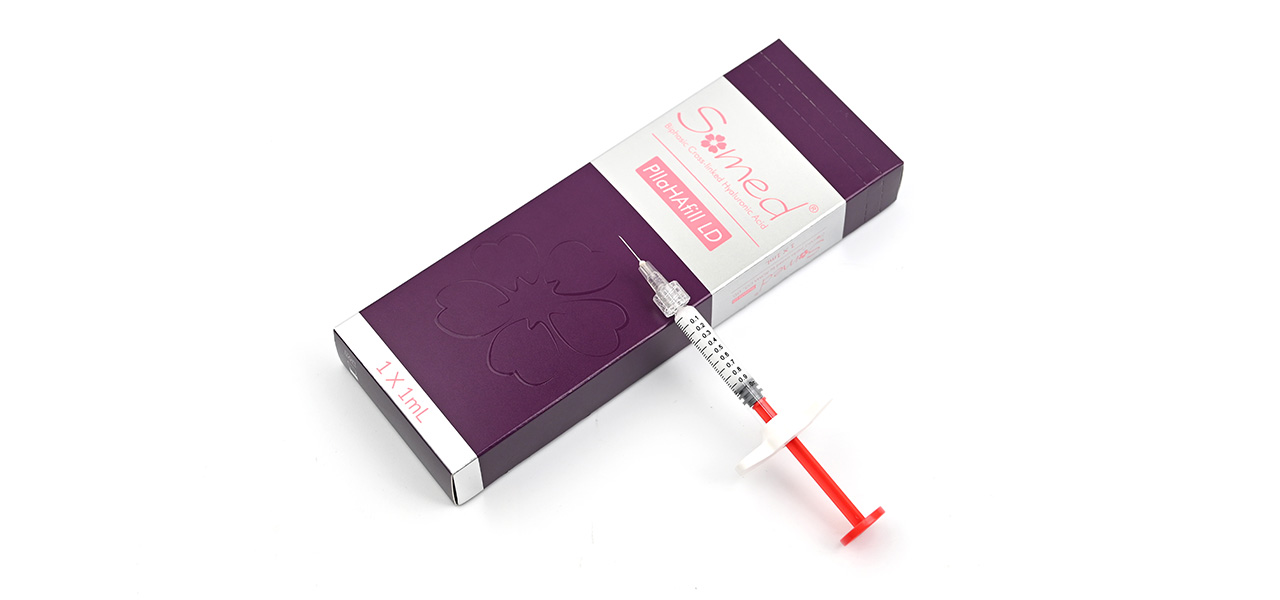
The formulation balances three core components to deliver consistent results: uniformly sized 40-70μm PLLA microspheres processed with HICE technology to prevent clumping, NASHA-stabilized high-purity HA for immediate skin smoothing and even microsphere distribution, and pH-buffered 0.3% lidocaine to reduce injection discomfort. Unlike high-concentration PLLA fillers designed for deep volume restoration in the cheeks or temples, PllaHAfill Lidocaine is calibrated for dermal placement, where it triggers gradual collagen growth to improve skin texture, reduce fine lines, boost skin thickness, and soften mild laxity without adding unwanted volume. Providers can use it across common treatment areas including perioral lines, mid-cheek skin texture, horizontal neck lines, and mild atrophic acne scars, making it a versatile addition to any aesthetic service menu.
Manufacturing Capabilities That Support Scalable, Low-Risk Launches
Even the best-formulated skin remodeling injection will fail to support business goals if it comes from a manufacturer with inconsistent production, long lead times, or rigid partnership terms. AIMA International Group Co., Ltd. has operated as a dedicated medical aesthetic product manufacturer since 2003, earning recognition as one of the Top 10 Dermal Filler Manufacturers globally for its two-decade track record of consistent quality and partner-centric support. The company operates a 4,800 square meter modern production facility equipped with Class 100 GMP clean rooms and 3 specialized production lines, built to fully meet Class III medical device manufacturing specifications.
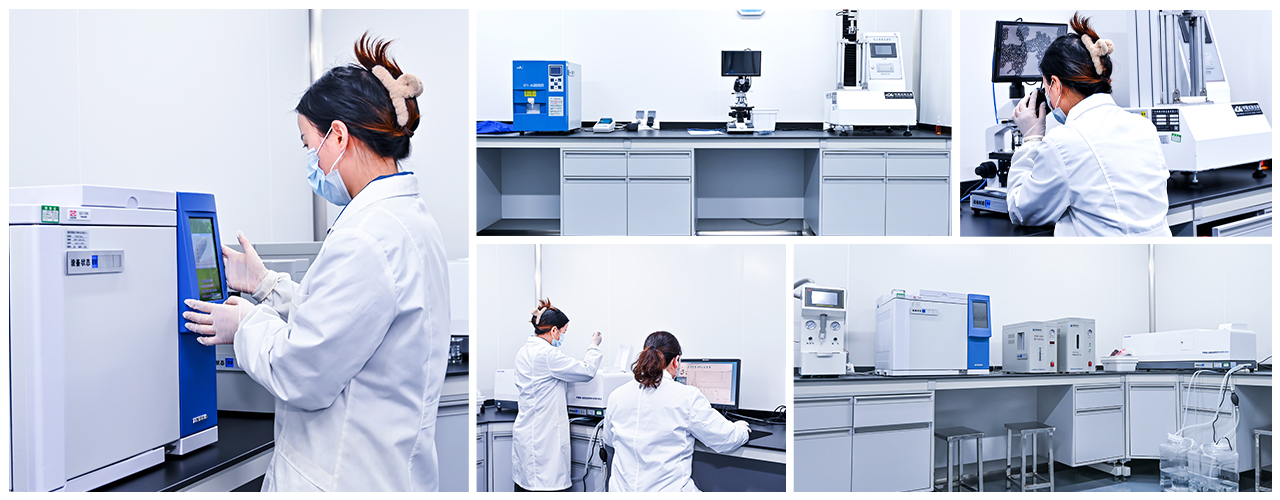
Every raw material used in AIMA’s skin remodeling injection formulations undergoes strict incoming quality checks. The HA used across all product lines is medical-grade, non-animal sourced material valued at 45,000 USD per kilogram, sourced only from suppliers holding active CE and GMP certifications. Third-party teams from SGS conduct regular audits of both raw material suppliers and finished product batches to verify purity, particle size consistency, and absence of contaminants. The in-house R&D team has developed more than 1000 mature aesthetic formulations, leveraging proprietary NASHA and HICE technologies to eliminate common product flaws like uneven gel flow, microsphere clumping, and rapid degradation. Current annual production capacity reaches 5 million units, with monthly output of up to 50,000 units to support orders of all sizes.
Unlike many manufacturers that only sell pre-made stock, AIMA offers end-to-end OEM/ODM support for brands building their own skin remodeling injection lines. Services cover every step of the launch process: brand positioning guidance, custom logo design, tailored packaging options, and adjustable formulation concentrations to match specific treatment goals (for example, lower PLLA concentrations for delicate under-eye skin, higher concentrations for neck or body texture treatments).
AIMA operates with No MOQ Pressure — a flexible model designed to support emerging brands that want to test a product line without tying up capital in large inventory runs. For large clinic chains and established brands, the company offers tiered bulk discounts to reduce per-unit costs. Delivery timelines are structured to keep launch schedules on track: sample orders ship in 3-5 business days, standard bulk orders are completed in 15-20 days, and expedited production options are available for time-sensitive launches.
This flexible model has resonated with partners across the globe. To date, AIMA has delivered custom skin remodeling injection and broader aesthetic product solutions for more than 521 brands across 62 countries, from independent clinic startups to multinational aesthetic chains.
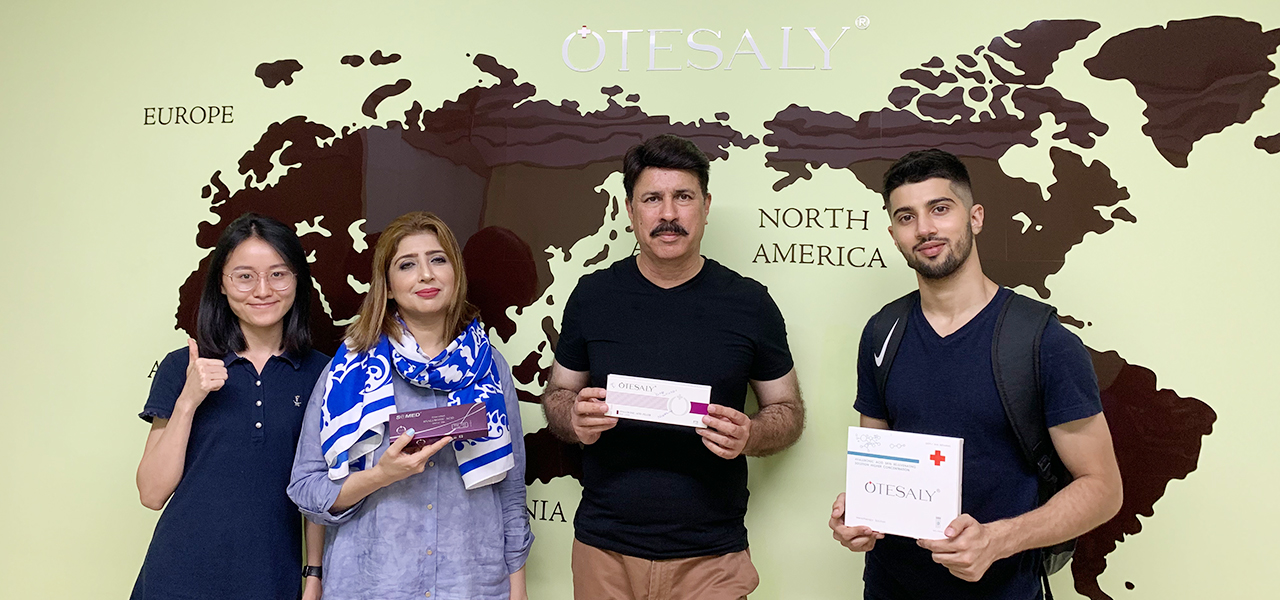
The Barcelona-based brand founder referenced earlier launched her private label PllaHAfill Lidocaine line with AIMA in spring 2023, starting with an initial 400-unit test order to avoid inventory risk. Within 7 months, she scaled to regular 3,000-unit monthly orders after reporting zero adverse events across 1,200 patient treatments, with a 4.8/5 average patient satisfaction score for natural-looking results. The Seoul-based clinic chain also switched to AIMA’s lidocaine-containing PllaHAfill formulation for its skin remodeling treatments, and saw course completion rates rebound to 82% within 3 months, recouping an estimated 210,000 USD in annual recurring revenue that had been lost to patient discomfort with their old product. For medical aesthetics wholesale partners, AIMA provides dedicated inventory planning support to help clinics and distributors align stock levels with seasonal demand, avoiding both stockouts during peak treatment periods and overstock of slow-moving SKUs.
Compliance and Post-Purchase Support to Mitigate Business Risk
Regulatory requirements for injectable aesthetic products grow stricter every year, particularly for skin remodeling injections classified as Class III medical devices in the EU, North America, and most major Asian markets. A 2024 audit of cross-border aesthetic wholesale platforms found 41% of listed skin remodeling injection products lacked valid CE certification, ISO 13485 alignment, or traceable raw material records — gaps that can lead to customs seizures, regulatory fines, or legal liability if a patient experiences an adverse reaction.
AIMA builds full compliance into every step of production. All manufacturing processes follow ISO 13485 quality management system standards, and the PllaHAfill Lidocaine skin remodeling injection line holds valid EU CE certification and U.S. FDA VCRP registration. Every outgoing shipment includes a full set of batch-specific documentation: SGS test reports, raw material traceability records, certification copies, and shipping documents to streamline customs clearance and local regulatory registration for partners.
Support does not end when an order leaves the warehouse. All private label and wholesale partners gain access to free clinical training resources, including step-by-step injection technique guides for skin remodeling treatments, recommended treatment spacing protocols, and evidence-based guidance for managing rare adverse events. The company offers a 12-month quality guarantee for all unopened units, with a dedicated account manager assigned to every partner to resolve order, product, or logistics questions within 24 business hours. No injectable product carries zero risk, which is why working with a manufacturer that provides transparent safety data and responsive, long-term support offers far more security than sourcing from unvetted third-party sellers that disappear after a sale is completed.
Patient preference has shifted sharply away from overfilled, obvious aesthetic results in recent years, driving double-digit annual growth in demand for skin remodeling injection treatments that build natural, gradual improvement from within the skin. For clinics and brands looking to add this high-demand service to their menus, cutting corners on formulation quality or manufacturing credentials can lead to disappointed patients, regulatory headaches, and lasting damage to hard-earned reputation. Partnering with an experienced, certified manufacturer that offers flexible terms, rigorous quality controls, and end-to-end launch support removes much of that friction, letting teams focus on delivering consistent, satisfying results for every patient that walks through the door.

Copyright @ 2026 AIMA International Group Co., Ltd.


