



Welcome to visit AIMA International Group
 Spain
Spain

Your browser version is too low, in order to ensure a better browsing experience,Please click to update to a higher version browser.
Talk about it later.XWelcome to visit AIMA International Group
Spain




.jpg)
Home > News > Industry Trends > Medical Device Supplier Change Control: What Aesthetic Brands Need to Know to Avoid Compliance Risks
Industry TrendsRegulatory data from the EU EudraVigilance database and US FDA MAUDE reporting system shows nearly 18% of medical aesthetic product recalls each year trace back to unapproved, unvalidated supplier changes across the manufacturing supply chain. These are not minor paperwork errors.
In 2022, a mid-sized dermal filler brand based in Poland faced a €1.2 million regulatory fine and a 6-month CE certification suspension after their contract manufacturer switched their cross-linking agent supplier without formal notification or validation testing. The unvetted raw material triggered inconsistent cross-linking density across production batches, leading to 27 reported cases of foreign body granuloma in patients across Germany, France, the Netherlands, and Poland. The brand lost 62% of its retail distribution partners in the 12 months following the recall, and folded its direct-to-consumer line entirely by 2024.
Supplier change control is a formal, documented process required under ISO 13485, EU MDR, and US FDA 21 CFR Part 820 regulations for all Class III medical devices — a category that includes most injectable dermal fillers, collagen stimulators, and implantable aesthetic products. The process requires manufacturers to track, evaluate, test, and document every adjustment to upstream supply chain partners that could impact product safety, quality, or regulatory compliance.
Covered changes run the full length of the supply chain: raw material vendor switches, packaging component supplier updates, sterilization service provider changes, third-party testing lab adjustments, even production line relocation within a manufacturing facility. For brands that sell private label or custom-formulated medical devices, the regulatory burden does not fall solely on the factory. Brand owners, as the product’s legal market holder, carry final responsibility for any compliance gaps caused by unreported supply chain shifts.
Most change control failures do not come from intentional misconduct. They grow out of loose internal processes, cost-cutting pressures, and assumptions that “small” supplier swaps will not impact end products. A few of the most frequent gaps we see when onboarding brands that previously worked with lower-cost manufacturers include:
As one of the top 10 dermal filler manufacturers globally, operating since 2003, AIMA International Group Co., Ltd. has built its supplier change control process to meet the strictest Class III medical device requirements across all major global markets. Our 4,800 square meter production facility operates with Class 100 GMP clean rooms and 3 dedicated production lines, supporting a monthly production capacity of 50,000 units and annual output of up to 5 million units. Every supplier relationship is locked into formal quality agreements that outline non-negotiable change notification requirements.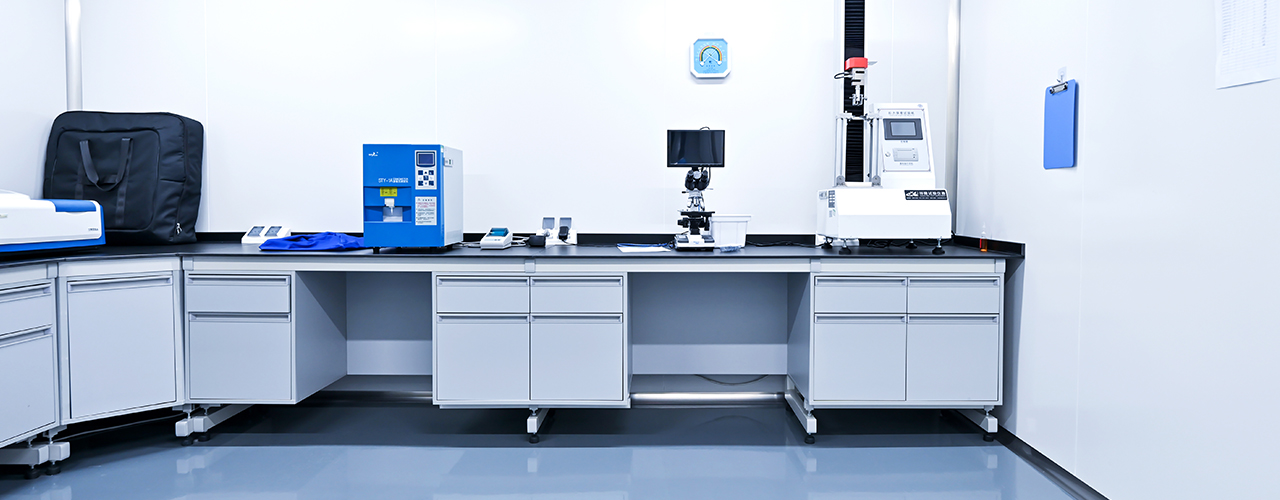
Our process is built on four non-negotiable pillars:
Take our Facefill Lidocaine dermal filler line as an example. Since launching the formulation in 2019, we have maintained the same core raw material suppliers for HA, lidocaine, and syringe components for every production run. When our lidocaine supplier proposed a manufacturing site change in 2022, we paused all planned production runs for 45 days to complete full endotoxin testing, potency testing, and biocompatibility panels on material from the new site, shared all test data with 72 brand partners carrying the Facefill Lidocaine line, and secured written approval from every partner before resuming production. No batches produced after the site change have reported a single adverse event related to raw material quality.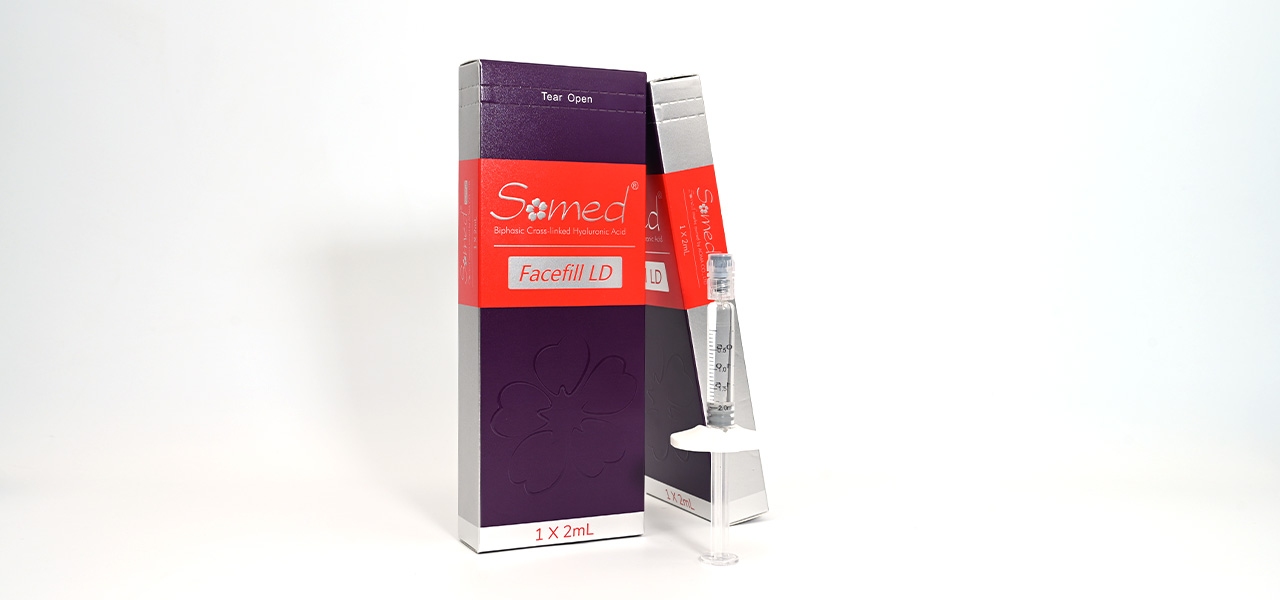
Too many brands sign OEM contracts without asking specific questions about change control, only to face costly issues down the line. Before partnering with any medical device manufacturer for aesthetic products, ask to see documented evidence of the following:
Many manufacturers will claim they follow ISO 13485, but dig into the details. We have worked with brands that came to us after their previous manufacturer failed an EU MDR audit because the factory could not produce documentation for a 2021 change in their injection needle supplier — a gap that cost the brand nearly $200,000 in delayed product launches and third-party audit fees.
We have delivered custom formulation and manufacturing solutions to more than 521 aesthetic brands across 6 continents, offering end-to-end OEM/ODM support covering brand positioning, logo design, custom packaging, and tailored formulation and concentration adjustments. We work with everyone from startup indie labels launching their first filler line to large global distributors moving high-volume orders. Our flexible cooperation model removes MOQ pressure for emerging brands, while offering tiered bulk discounts for enterprise partners. Sample orders ship in 3-5 business days, standard bulk orders deliver in 15-20 days, and expedited production options are available for time-sensitive launches. We connect with hundreds of new and existing partners each year at global industry events, including the Dubai Beauty Exhibition, to walk through our quality processes and answer questions about supply chain transparency.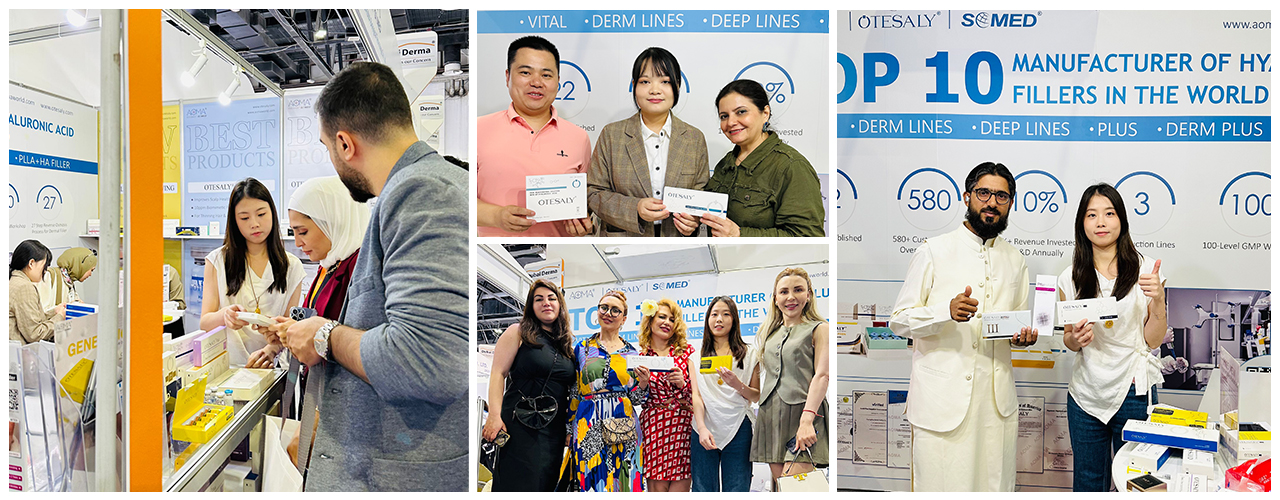
Supplier change control does not end when a shipment leaves our factory. We provide ongoing compliance support for all our partners, including:
We do not hide supply chain details behind opaque contracts. Any partner can request an audit of our supplier list, quality records, or production facilities at any time, with no hidden fees or restricted access. Our team knows that a single unapproved supplier change can erase years of brand building work, and we build every part of our process to prevent that outcome for the brands we work with.
How much would your brand lose if a single bad batch, traced back to an unvetted supplier change, led to patient harm, regulatory fines, or permanent damage to your reputation? Cutting corners on supplier change control to save a few cents per unit on raw materials almost never pays off in the medical aesthetic space, where patient trust and regulatory compliance form the foundation of long-term success.

Copyright @ 2026 AIMA International Group Co., Ltd.


