



Welcome to visit AIMA International Group
 Spain
Spain

Your browser version is too low, in order to ensure a better browsing experience,Please click to update to a higher version browser.
Talk about it later.XWelcome to visit AIMA International Group
Spain




.jpg)
Home > News > Industry Trends > Dermal Filler Complaint Handling and Recall: Protocols for Aesthetic Brands, Clinics, and Wholesale Partners
Industry TrendsIn 2022, a small aesthetic brand based in Poland sourced unvetted dermal fillers from a cut-rate supplier to cut costs. Over three months, the brand received 17 separate reports from clients of prolonged redness and hard lumps at injection sites. No one on the brand’s team had a clear process for triaging these reports. Team members passed messages between sales, customer service, and the supplier for two full weeks before anyone traced the issue to a contaminated batch of product. By that point, 1,200 syringes from the batch had made their way to 19 independent clinics across the EU. The brand spent €1.2 million on product recovery, client medical bills, and regulatory fines. Its social media sentiment dropped 62% in 30 days, and the brand lost access to 70% of its existing clinic partnerships within six months.
Stories like this play out every year in the global dermal filler market. Many new brands and clinic operators focus exclusively on sales and marketing when building their product lines, treating complaint response and recall planning as afterthoughts—if they think of them at all. For teams sourcing products through supplierfiller.com, these processes are built into every partnership, backed by 20 years of manufacturing experience from AIMA International Group Co., Ltd., a 2003-founded aesthetic product manufacturer recognized as one of the top 10 dermal filler producers globally.
Industry data collected across 30 global markets shows 62% of dermal filler complaints do not stem from product defects. Reports of mild swelling, slight bruising, or temporary firmness at injection sites often tie to injection technique, individual client immune response, or failure to follow post-care instructions. Even so, a complaint left unaddressed for more than 48 hours is 7x more likely to turn into a negative review, regulatory report, or demand for financial compensation.
Take one of our core dermal filler offerings, Facefill Lidocaine, formulated with 0.3% lidocaine to reduce injection discomfort for clients seeking mid-face, nasolabial fold, or cheek augmentation.
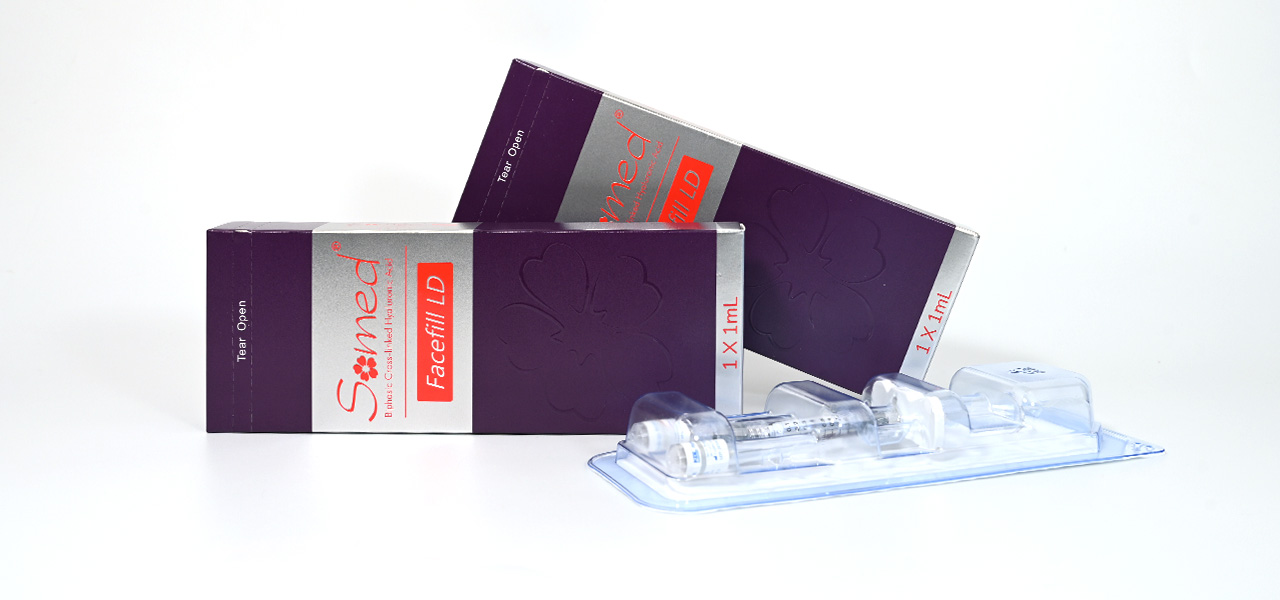
Since launching this formula six years ago, we have tracked more than 12 million units sold across 47 countries. Our internal complaint logs break down reports into four clear categories: 48% relate to expected post-injection swelling that resolves within 7 days, 27% relate to nodules caused by overly superficial injection placement, 15% relate to minor packaging scuffs from last-mile shipping, and less than 0.02% relate to rare individual immune responses to the hyaluronic acid gel. None of these issues need to turn into a crisis, as long as teams have a clear path to triage reports, access supporting documentation, and connect with medical experts when needed.
We built our complaint handling framework around three risk tiers, with clear response timelines and accountability for every team member. Every partner sourcing products through supplierfiller.com gets a free, customizable copy of this framework to use for their own brand or clinic:
In 2023, a clinic in Southeast Asia learned the cost of skipping this structured process after sourcing generic fillers from an unvetted online seller. Two clients developed early signs of vascular occlusion after treatment, and the supplier refused to provide batch quality records or medical support, claiming all issues stemmed from the injector’s technique. The clinic paid $80,000 in client compensation and regulatory fines, and lost 40% of its regular client base in the three months after the story spread on local social media.
That same year, a partner clinic in Dubai received a report of severe, prolonged redness in a client who had received Facefill Lidocaine for cheek augmentation. The clinic submitted the report through our dedicated support portal, and our medical team responded within 90 minutes. We pulled the full quality file for the product batch, including SGS test reports, CE certification documentation, and sterilization records, to rule out product contamination. We also walked the clinic’s injector through a modified hyaluronidase dosing protocol to reduce inflammation. The client’s symptoms cleared completely within three days, with no long-term side effects. The clinic later referred three neighboring aesthetic practices to our wholesale program.
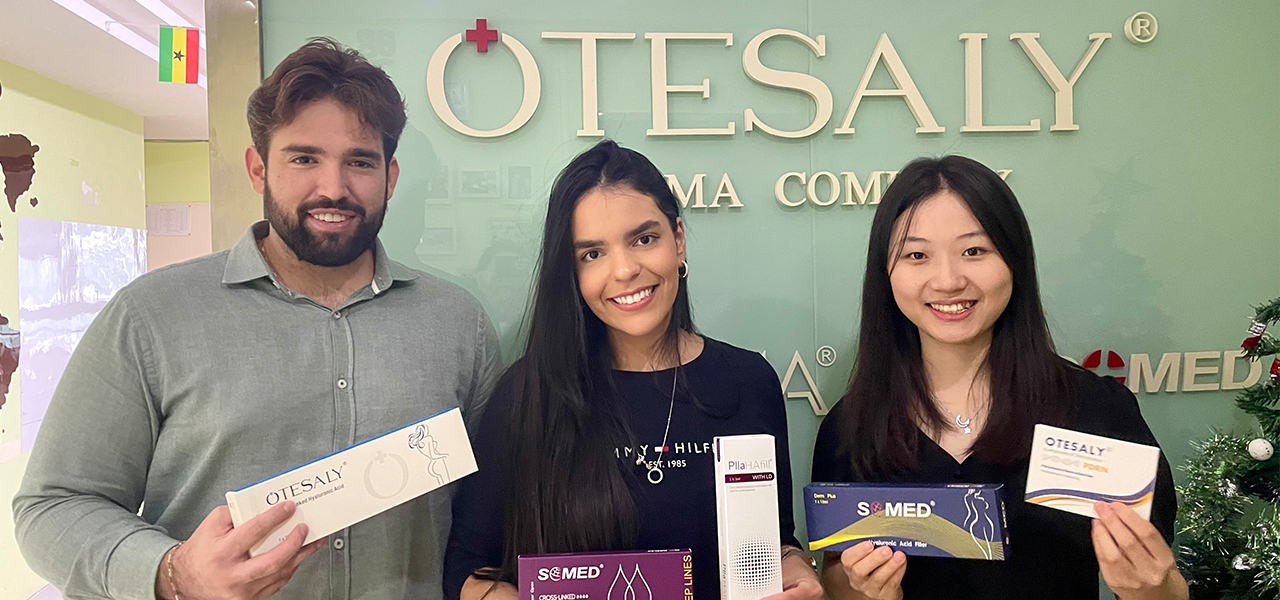
Even with the strictest quality controls, no manufacturer can guarantee zero risk across millions of product units. Cold chain breaks during international shipping, micro-defects in packaging seals, or labeling errors can create situations where product needs to be pulled from distribution before it reaches clients. Teams that wait to plan a recall until a problem hits rarely recover the trust of their partners or clients.
Our recall readiness starts on the production floor. We operate a 4,800 square meter modern production facility with Class 100 GMP clean rooms and three dedicated production lines.
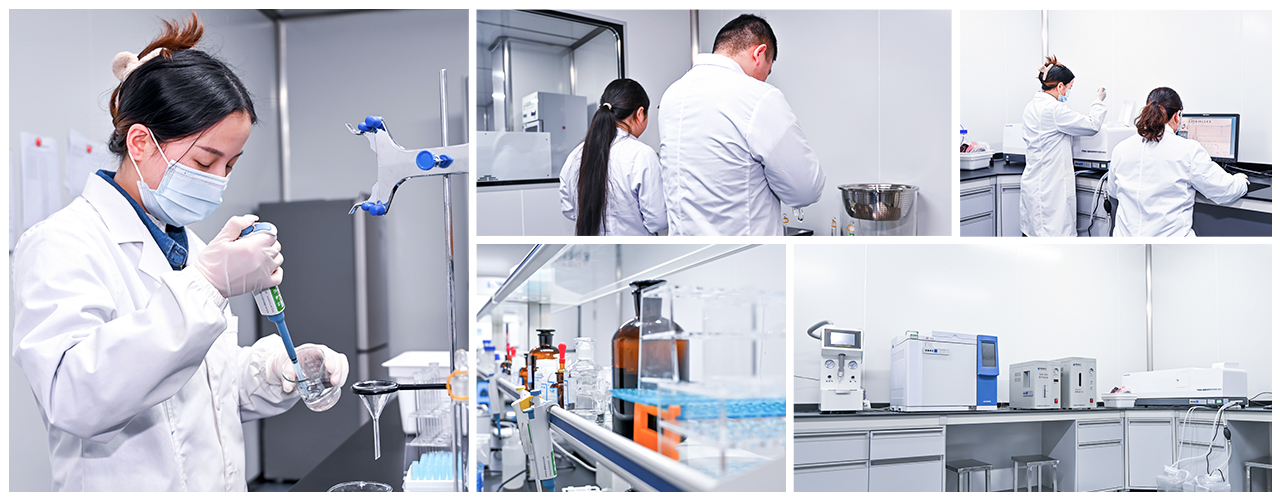
Every single syringe of filler we produce carries a unique traceability code, logged at every stage of production: from raw material intake (we use medical-grade, non-animal hyaluronic acid sourced from CE GMP-certified suppliers, with a raw material cost of $45,000 per kilogram, regularly tested by third-party labs including SGS), through filling and sterilization, to final shipment to partners. Our team holds core expertise in NASHA and HICE crosslinking technologies, and can pull a full distribution report for any product batch in under two minutes, showing exactly which partners received units, how many units were shipped, and when they were delivered. We hold ISO 13485 certification, follow Class III medical device manufacturing standards, maintain FDA VCRP registration for all cosmetic products, and hold full CE certification for our dermal filler line. Our in-house R&D library includes more than 1,000 mature formulas, supporting custom product development for partners across every segment of the aesthetic market.
Our recall protocols align with global medical device regulatory standards, sorted by risk level:
In 20 years of operation, we have initiated only two Class II recalls. The first came in 2019, when a shipping container bound for South America experienced a cooling system failure during a 32-day ocean crossing, raising internal container temperatures high enough to shift the viscoelasticity of 1,200 syringes of Lipfill. We identified the issue after receiving the first complaint from a clinic in Colombia, traced all affected units within 48 hours, replaced every unit at no cost to partners, and added 10% extra product credit to every affected partner’s account as an apology. After that process, our partner retention rate in South America rose 18% in the following 12 months. The second recall came in 2021, when a batch of PDRN Ampoules was printed with an incorrect 3-year shelf life (the actual labeled shelf life is 2 years). We replaced all mislabeled packaging within seven days, with no mislabeled units reaching end clients.
We built our OEM/ODM program to remove the guesswork for new and established aesthetic brands alike. Our total annual production capacity hits 5 million units, with monthly output of up to 50,000 units, allowing us to support both small emerging brands and large global distributors.
For all partners, we offer:
To date, we have delivered custom manufacturing solutions for more than 521 aesthetic brands across the globe. One of our earliest DTC brand partners in the U.S. placed their first order for 50 units of Facefill Lidocaine in 2019, testing the product with a small group of local clients. When the brand received a client report of a small nodule at an injection site three months later, our team sent over a step-by-step care guide the same day, helped draft a clear, empathetic note for the client, and walked the brand’s founder through how to document the report for their internal records. That client who experienced the nodule left a 5-star review about the brand’s transparent, fast response. The brand now orders more than 3,000 units a month, and is one of our fastest-growing partners in the North American market.
Have you ever tried to reach a cut-rate filler supplier after a client has an adverse reaction? Most of the time, the only response is radio silence, or a generic note blaming injector technique.
We never claim our products are risk-free. No invasive aesthetic product can make that claim honestly. What we do offer is a system to catch issues early, respond to reports fairly, and act fast when a recall is needed to protect clients, clinics, and the brands we work with. Any supplier that promises zero complaints or zero need for recall planning is selling you a fantasy. Those are the suppliers that disappear the second a problem lands in your inbox.

Copyright @ 2026 AIMA International Group Co., Ltd.


