
Welcome to visit AIMA International Group
 Spain
Spain

Your browser version is too low, in order to ensure a better browsing experience,Please click to update to a higher version browser.
Talk about it later.XWelcome to visit AIMA International Group
Spain

.jpg)
Home > News > Industry Trends > Medical Aesthetics Supplier Due Diligence: A 2025 Checklist for Clinics, Brands, and Distributors
Industry TrendsIn Q2 2024, a Miami-based startup dermal filler founder named Luna shut down her 18-month-old brand after paying out $1.27 million in client settlements. She had sourced 12,000 syringes of lidocaine-infused facial filler from a supplier that quoted 38% below market average, skipping formal due diligence to stretch her limited startup budget. FDA lab tests later confirmed the filler used industrial-grade hyaluronic acid (HA) with lidocaine levels 2.7 times the safe clinical threshold, causing hard nodules, allergic reactions, and required surgical removal for 3 of the 11 affected clients.
Six months earlier, a 7-location medical aesthetics chain in Dubai was hit with a 275,000 AED fine from the Dubai Health Authority (DHA) and had its operating license suspended for 3 months. The clinic’s procurement manager had purchased filler and skin rejuvenation products from a social media seller who provided forged CE documents, skipping verification steps to lock in a bulk discount. The chain lost 1,200 repeat clients during the suspension, with total revenue losses topping $780,000.
These aren’t rare, one-off horror stories. Data from the 2024 EU Medical Device Regulatory report shows 62% of seized non-compliant aesthetic products entered the supply chain because buyers skipped structured supplier vetting. For anyone sourcing dermal fillers, biostimulators, PDRN solutions, or injectable cosmetics, cutting corners on medical aesthetics supplier due diligence doesn’t save money. It exposes your business to regulatory penalties, client harm, and permanent reputational damage that no discount can offset.
Vetting isn’t about scrolling a supplier’s social media page or asking for a price list. It requires verifying tangible, auditable records across four key areas, with zero room for vague claims or unsubstantiated promises.
1. Verifiable Regulatory Compliance, Not Forged PDFs
A huge share of unqualified suppliers pass off fake or irrelevant certificates as proof of compliance. Many will show a generic ISO 9001 quality certificate when the relevant standard for medical injectables is ISO 13485, the specific quality management system for medical devices. Others share old MDD-era CE certificates that expired when the EU MDR regulation took effect in 2021, or present FDA cosmetic registration numbers as proof of medical device clearance.
When vetting, ask for certificate numbers you can cross-check directly with official issuing bodies, not just a branded PDF. For context, AIMA International Group Co., Ltd. — the manufacturer behind supplierfiller.com — has operated in the space since 2003, earning a spot among the Top 10 Global Dermal Filler Manufacturers for its consistent compliance. Its production lines follow ISO 13485 standards, meet Class III medical device manufacturing specifications, hold valid EU CE certification for its injectable lines, and maintain FDA VCRP registration for its cosmetic-grade offerings. All compliance documents are available for direct verification with notified bodies, no red tape or hidden fine print.
2. Raw Material Traceability and Production Quality Controls
Injectable aesthetics are only as safe as the raw materials used to make them. Premium medical-grade non-animal sourced HA — the base for most dermal fillers — costs roughly $45,000 per kilogram, 12 times the price of industrial-grade HA used in topical skincare. Suppliers offering syringes for $8 or less are almost certainly cutting corners on raw material purity, sterilization, or testing.
Two core production technologies separate reputable manufacturers from low-quality operators: NASHA (Non-Animal Stabilized Hyaluronic Acid), which creates long-lasting, low-migration HA gel with consistent particle size, and HICE (High-Concentration Crosslinking Enhancement), which reduces residual crosslinker levels to cut post-injection swelling and reaction risk. AIMA holds proprietary expertise in both technologies, sourcing all raw materials from CE GMP-certified suppliers, with every batch tested by third-party labs including SGS to confirm purity, sterility, and ingredient concentration.
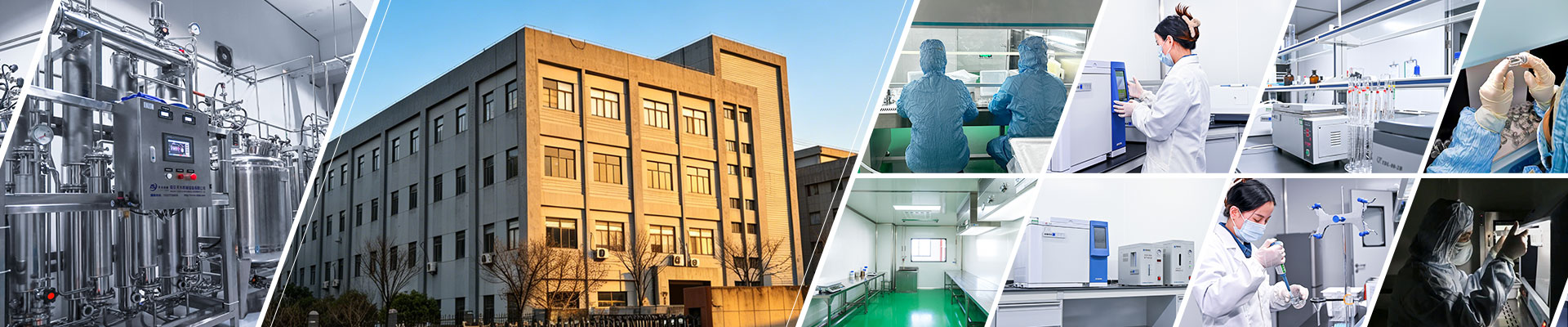
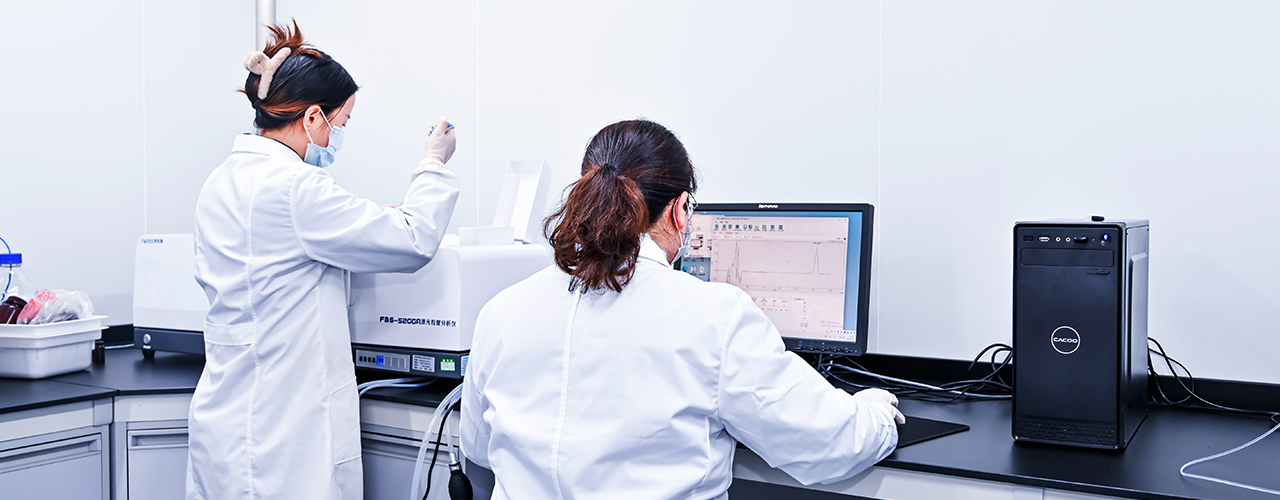
Its 4,800 square meter production facility runs 3 dedicated production lines in Class 100 GMP clean rooms — the same air purity standard used for injectable drug manufacturing, with no more than 3,500 particles 0.5μm or larger per cubic meter of air to eliminate microbial contamination risks. The facility hits an annual output of 5 million syringes, with monthly production capacity of 50,000 units to meet both small and large order volumes.
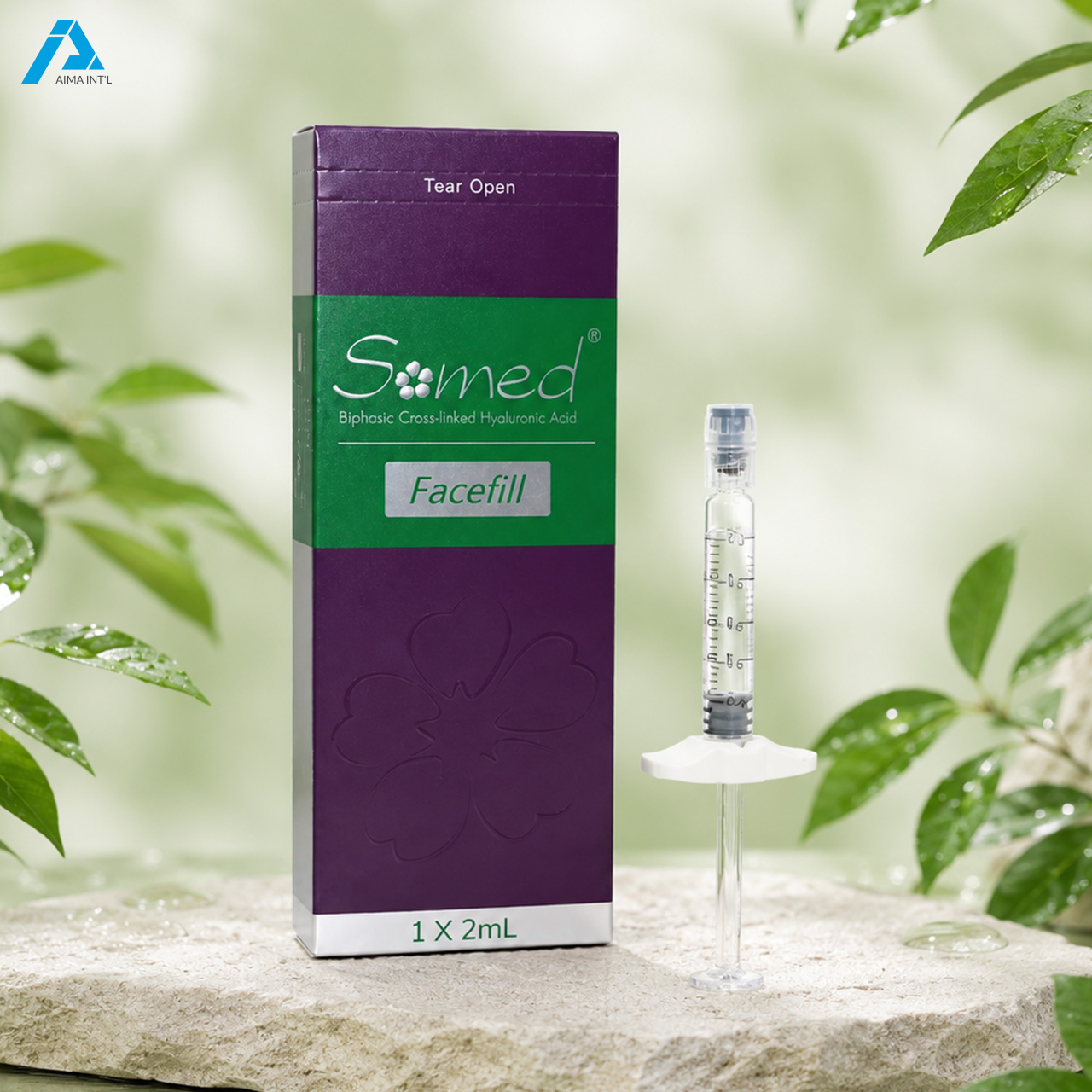
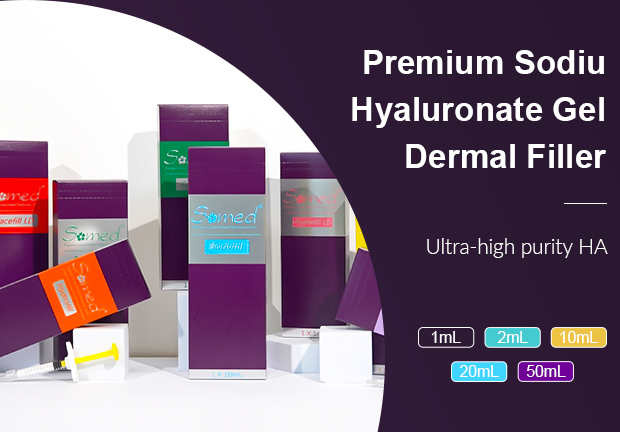
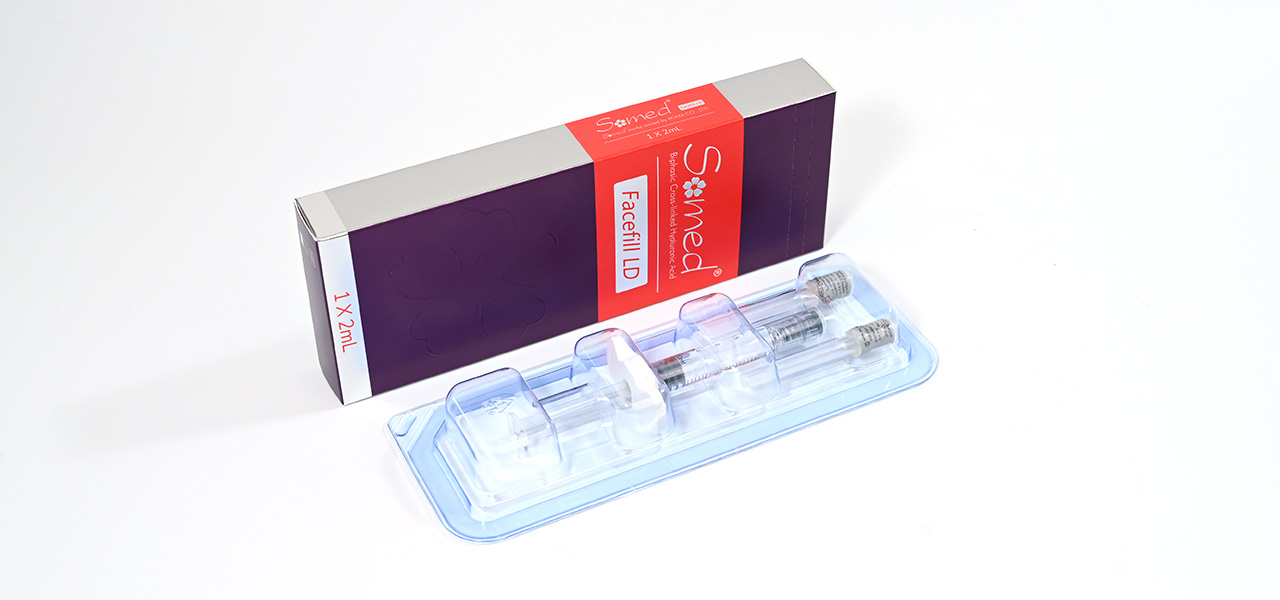
One of its most widely requested products for global clinic and brand partners is Facefill Lidocaine, a NASHA-technology facial filler formulated with 0.3% lidocaine hydrochloride to cut injection pain by 70% compared to unmedicated fillers. The gel has a uniform 20mg/ml HA concentration, smooth push force for precise injection, and low migration risk, making it suited for nasolabial fold correction, cheek volume restoration, and temple contouring. Since launch, it has been distributed to 327 clinics and private label brands across 42 countries, with zero reported major adverse events linked to product quality.
3. R&D Capability and Flexible Partnership Terms
A large share of suppliers listing aesthetic products online are trading companies, not manufacturers. They hold no R&D lab, no in-house formulators, and only resell generic, unbranded syringes repackaged with client logos. These vendors cannot adjust HA crosslink density, tweak lidocaine concentrations, or develop custom formulations for specific client needs — they can only sell the one-size-fits-all stock they source from third-party factories.
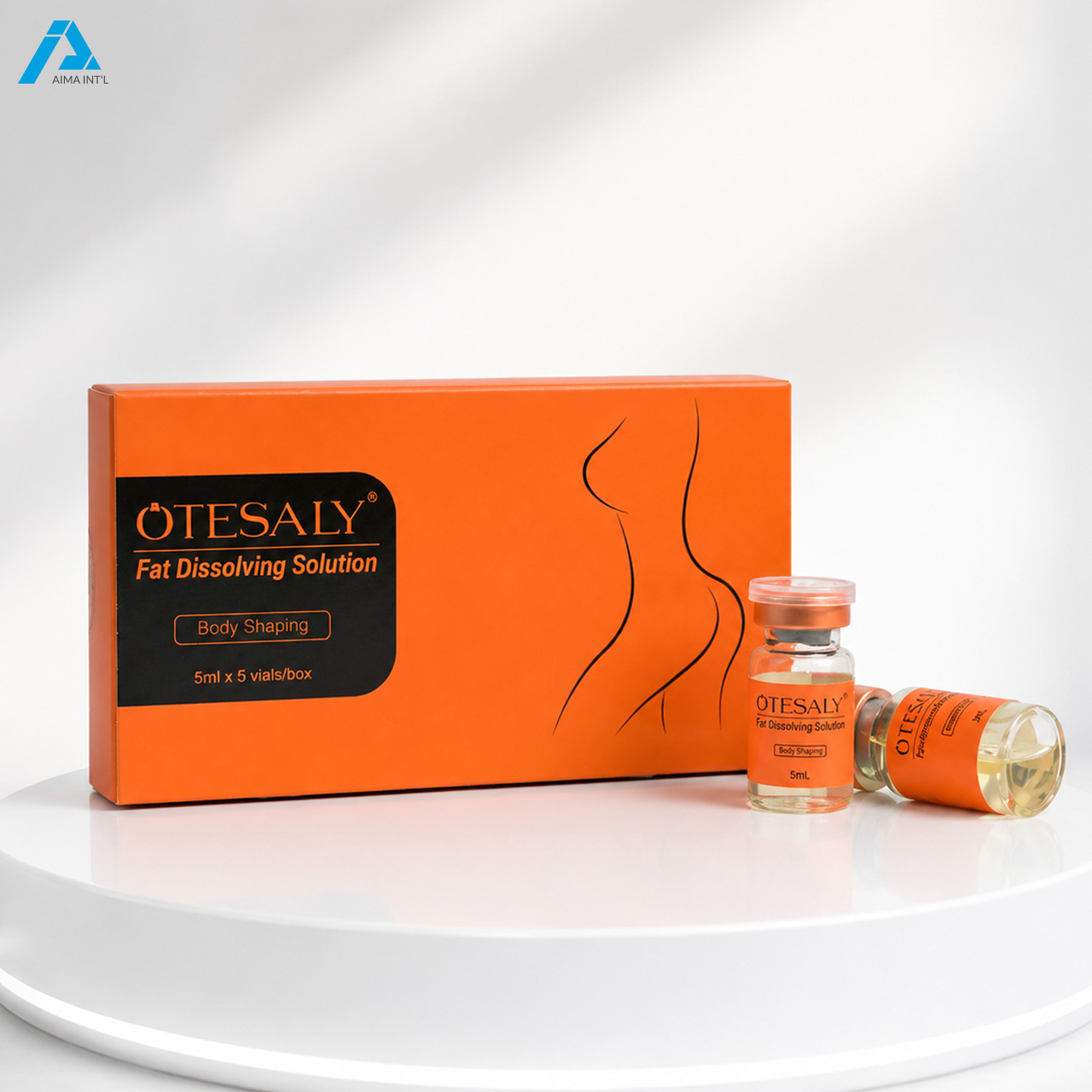
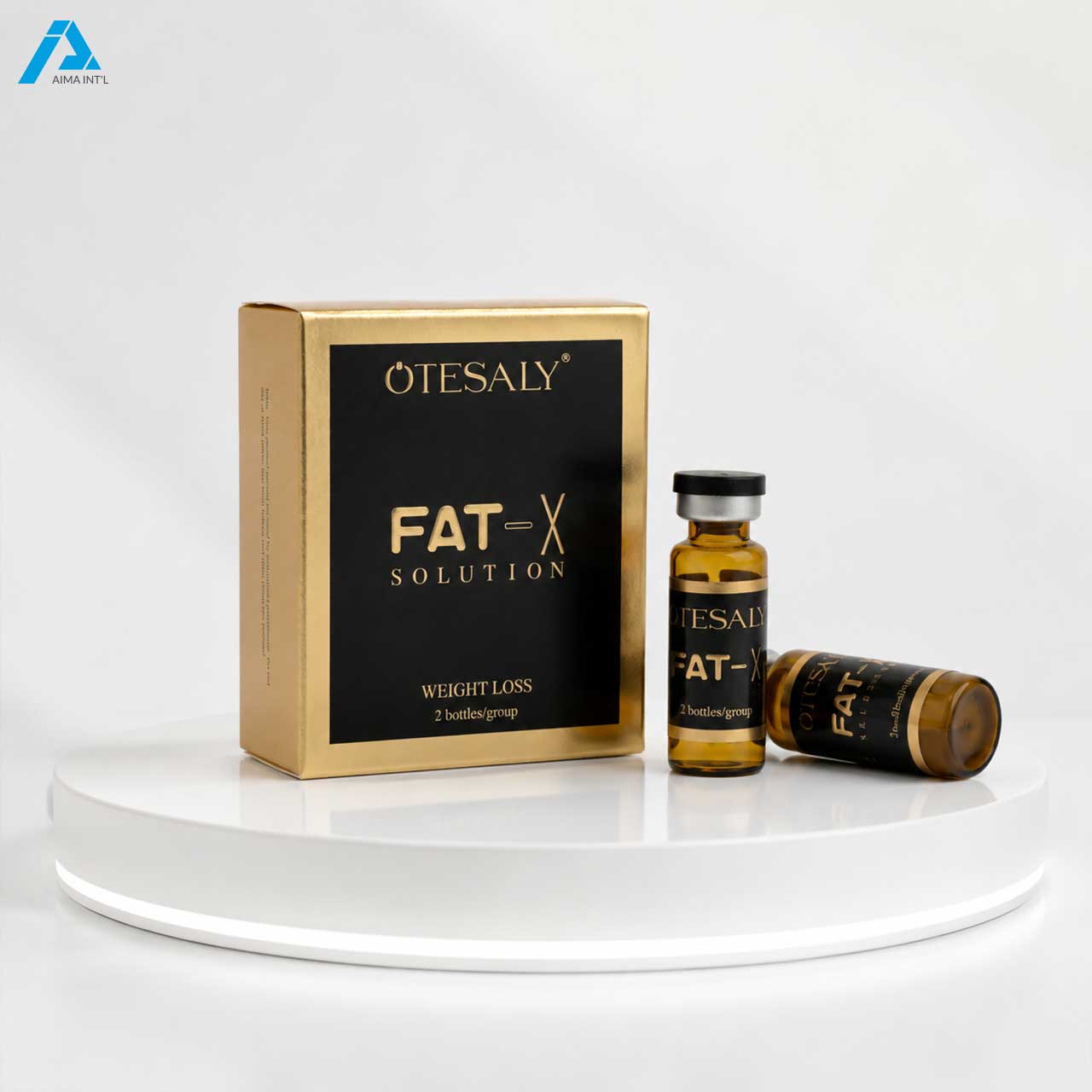
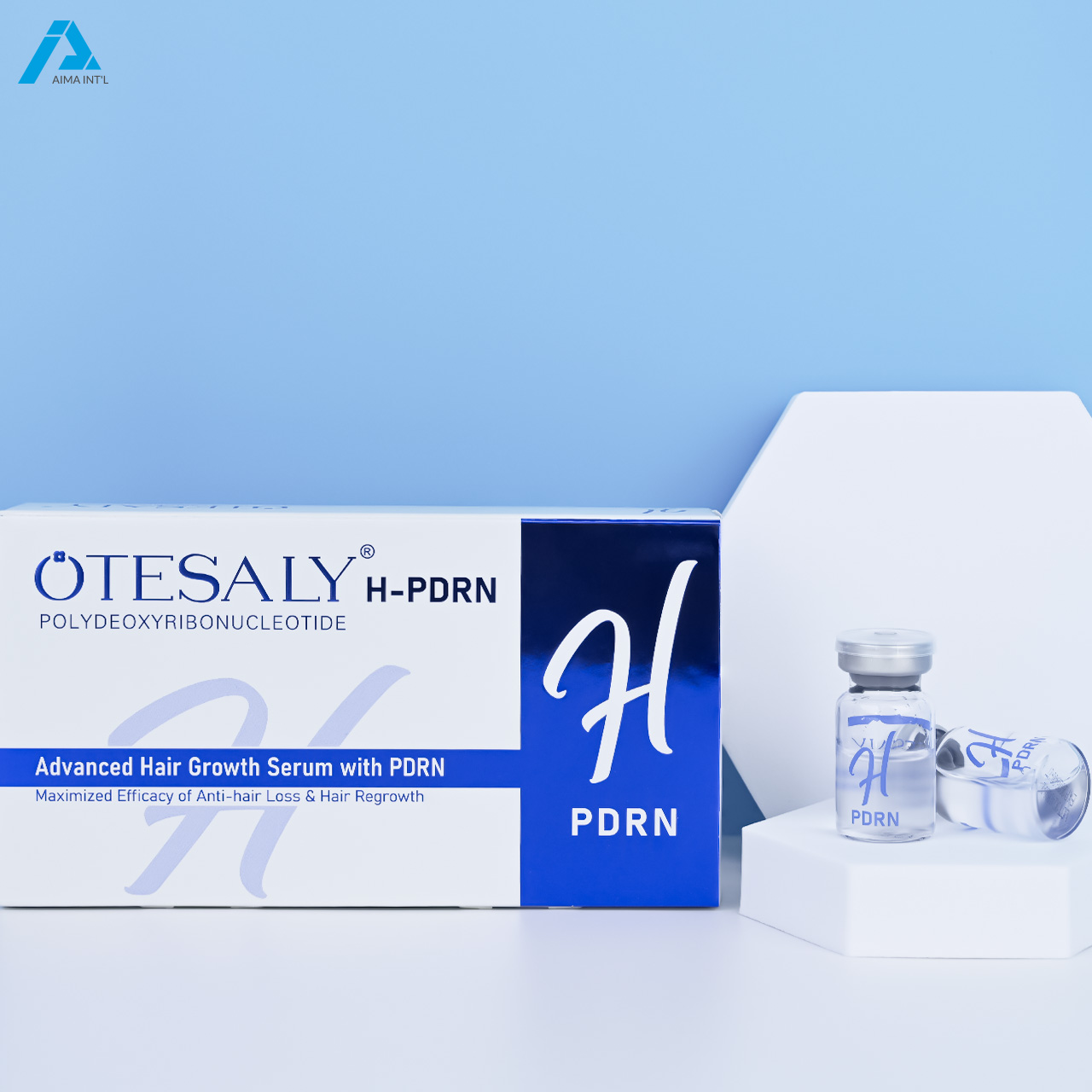
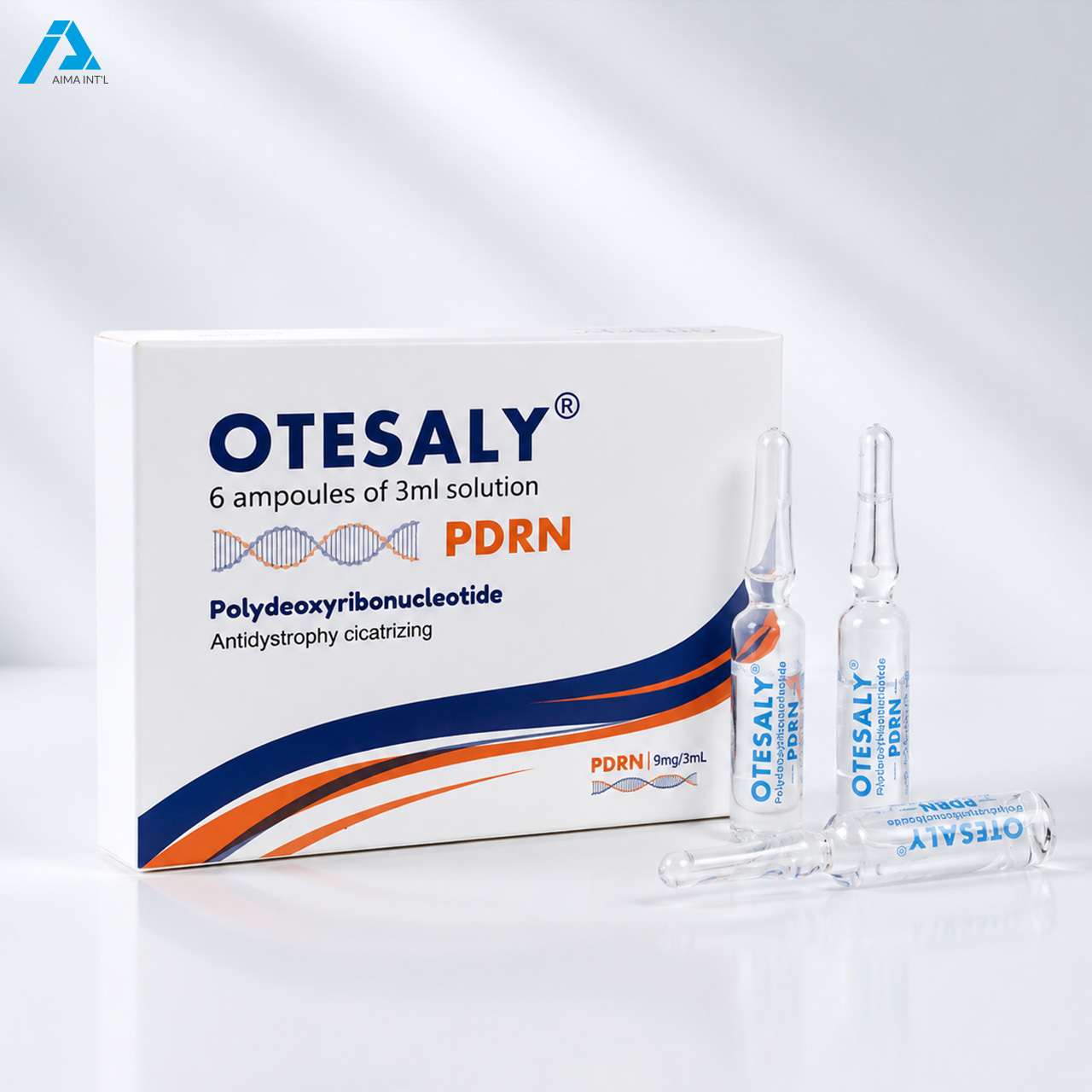
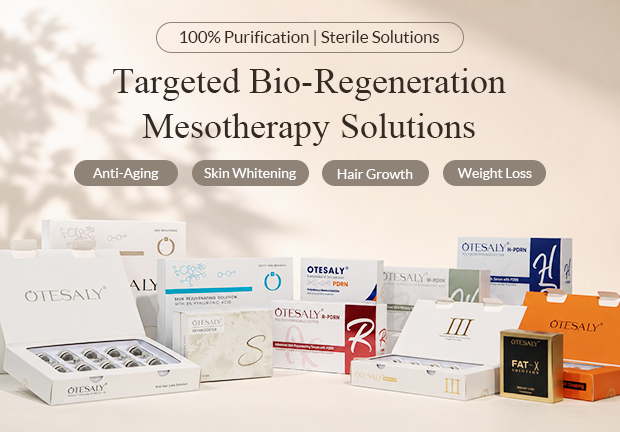
AIMA’s in-house R&D team maintains a library of over 1,000 mature formulations across filler, biostimulator, PDRN, hair restoration, and fat dissolving categories. Its OEM/ODM support covers every step of brand launch: initial brand positioning, logo design, custom packaging, formula adjustment, and concentration tailoring to match a brand’s target market and price point. Unlike most manufacturers that enforce 5,000+ unit minimum order quantities that lock new brands out of the market, AIMA operates with a No MOQ Pressure model for emerging brands, paired with tiered bulk discounts for large chain clinics and established global distributors.
Lead times are fully transparent for all partners: sample orders ship within 3-5 working days, bulk production orders are completed in 15-20 days, and expedited production options are available for partners with tight launch or restock timelines. To date, the team has delivered custom private label solutions for 521 brands across the world, ranging from solo esthetician practices launching their first product line to multinational distribution companies serving entire regional markets.
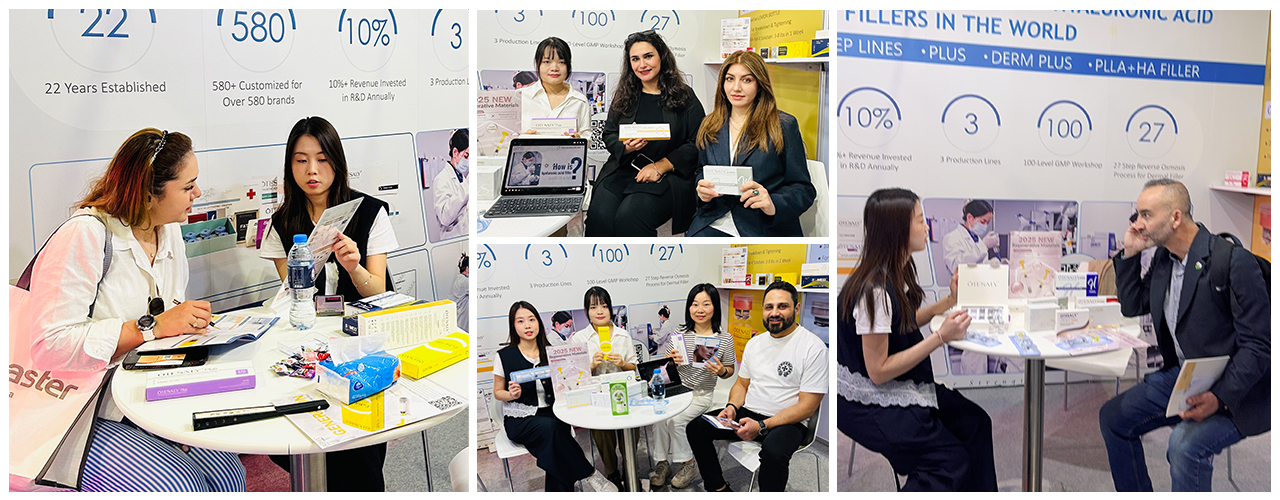
The team regularly attends global industry trade shows to connect directly with partners, including the annual Dubai Derma exhibition, where it showcases new formulations, runs live product texture tests, and meets long-term partners from the MENA, EU, and African markets to plan annual procurement roadmaps.
4. Post-Sales Support and Accountability
Most vetting processes stop once a supplier confirms a price and lead time, but post-sales accountability is where untested vendors disappear. During 2021 global shipping delays, 41% of small aesthetic brands reported their suppliers delayed bulk orders by 2-3 months with zero communication, leaving brands out of stock during peak sales seasons. Others reported vendors stopped responding to messages entirely when clients reported adverse reactions, leaving brands to handle liability alone with no access to product safety documentation or clinical support.
As a dedicated medical aesthetics wholesale supplier, AIMA signs formal purchase contracts with every partner that clearly outline quality standards, delivery timelines, and post-sales responsibility. Every bulk order ships with a full Certificate of Analysis (COA), copies of all relevant compliance documents, and full paperwork to support smooth customs clearance in the destination market. A dedicated technical support team responds to partner inquiries within 24 hours, providing clinical application guidance, additional compliance documentation, and troubleshooting support for any issues that arise. Orders with confirmed product quality defects qualify for full replacement or refund, with zero hidden restocking fees or hoops for partners to jump through.
No manufacturer delivers zero defects across every single unit ever produced. What separates accountable suppliers from risky ones is a structured multi-point quality check process: AIMA runs raw material testing on every incoming ingredient batch, in-line quality checks during production, and final finished product testing for sterility, ingredient concentration, and packaging integrity before any order leaves the warehouse. Any unit that fails testing is destroyed immediately, never shipped to partners.
Even teams that intend to run thorough due diligence often fall for common supplier tricks that lead to bad partnerships. Watch for these frequent missteps:
Think about the Canadian brand founder who first reached out to AIMA in 2022, launching a small local filler line with an initial 50-unit test order of Facefill Lidocaine. She had been burned by a previous supplier that sent mismatched product and refused returns, so she ran every possible check: she verified all compliance documents, tested samples on 10 of her long-term clinic clients, did a live video tour of the production floor, before placing her first small order. Today, she orders 3,000 units a month, and her brand is one of the fastest-growing independent filler lines in Western Canada.
That’s the kind of partnership that comes from taking the time to do due diligence correctly. You don’t need a 50-page audit checklist to vet a supplier. You just need to verify claims instead of taking them at face value, prioritize quality and compliance over the biggest possible discount, and work with manufacturers that have a decades-long track record of showing up for their partners — not just making a quick sale.
Copyright @ 2026 AIMA International Group Co., Ltd.