
Welcome to visit AIMA International Group
 Spain
Spain

Your browser version is too low, in order to ensure a better browsing experience,Please click to update to a higher version browser.
Talk about it later.XWelcome to visit AIMA International Group
Spain
.jpg)
Home > News > Industry Trends > Dermal Filler OEM Cost Factors: What Actually Drives Private Label Pricing in 2025
Industry TrendsIf you’ve ever reached out to dermal filler manufacturers for OEM quotes, you’ve likely felt the sticker shock: per-unit prices can range from $3 to $32 across suppliers, with almost no clear explanation for the gap. New brand owners and clinic operators often default to the lowest quote, only to run into hidden gotchas months down the line. Take a 2024 case from a startup beauty brand based in Los Angeles: they locked in a supplier that quoted $4.20 per syringe, 32% below the industry average for comparable HA fillers, only to find the raw material used was animal-derived HA with avian protein residues. The shipment failed FDA VCRP review, sat in port for 11 weeks, and cost the brand $27,000 in retesting fees plus $180,000 in lost Black Friday sales. That “cheap” quote ended up costing them 4x more than a mid-tier, compliant supplier would have charged.
Raw hyaluronic acid makes up 40-60% of the total production cost for a standard dermal filler, and not all HA is created equal. Medical-grade, non-animal sourced HA produced via bacterial fermentation carries a far higher price tag than cosmetic-grade or animal-extracted HA — top-tier material can cost as much as $45,000 per kilogram, compared to $3,000-$8,000 per kg for lower-grade alternatives used in budget serums and unregulated fillers.
The technology used to stabilize HA also directly impacts material cost. Two core technologies set premium fillers apart from cheap alternatives:
Reputable manufacturers only source HA from suppliers with full CE GMP certification, with regular third-party testing from firms like SGS to verify purity. Factories that skip these verification steps can cut material costs by 70%, but they pass the risk of regulatory rejection, adverse patient reactions, and product recalls directly to their OEM clients.
Dermal fillers are classified as Class III medical devices in most major markets, including the EU, US, and Southeast Asia. That means production facilities must meet far stricter standards than cosmetic manufacturing plants — and those standards carry hard costs that show up in per-unit pricing.
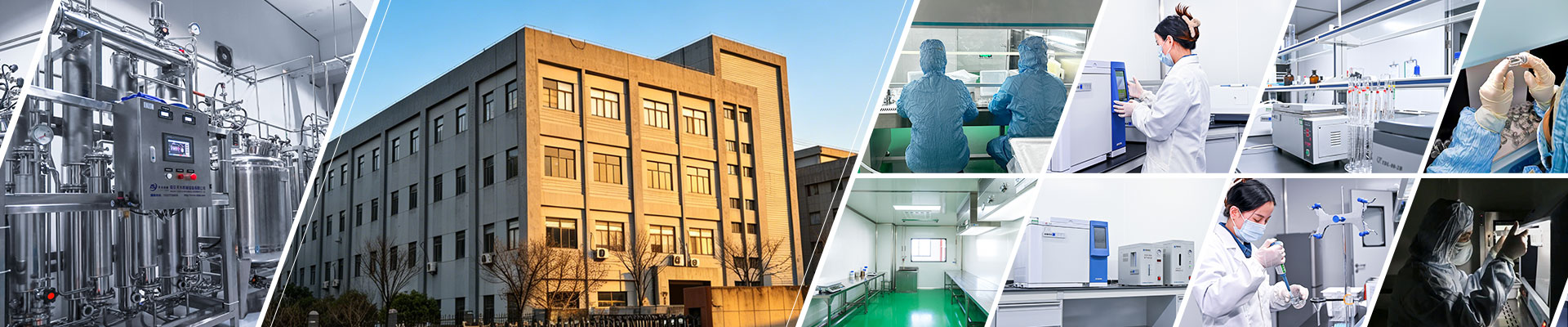
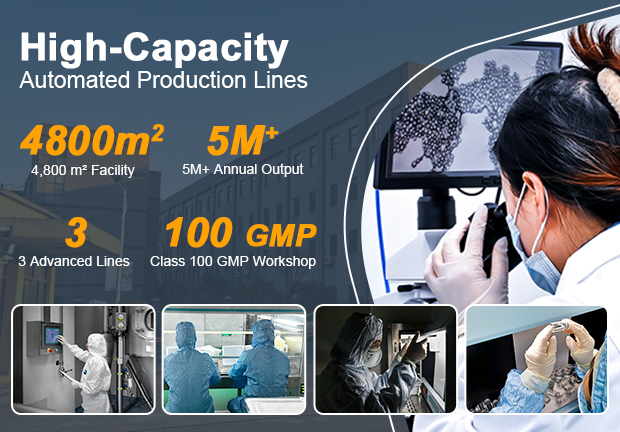
AIMA International Group Co., Ltd., a 2003-founded medical aesthetic manufacturer recognized as one of the Top 10 Dermal Filler Manufacturers globally, operates a 4,800 square meter modern production base with Class 100 GMP clean rooms and 3 dedicated filler production lines. All of the company’s OEM and ODM dermal filler solutions, including customizable private label options, are available for quote requests and detailed specification reviews at supplierfiller.com.
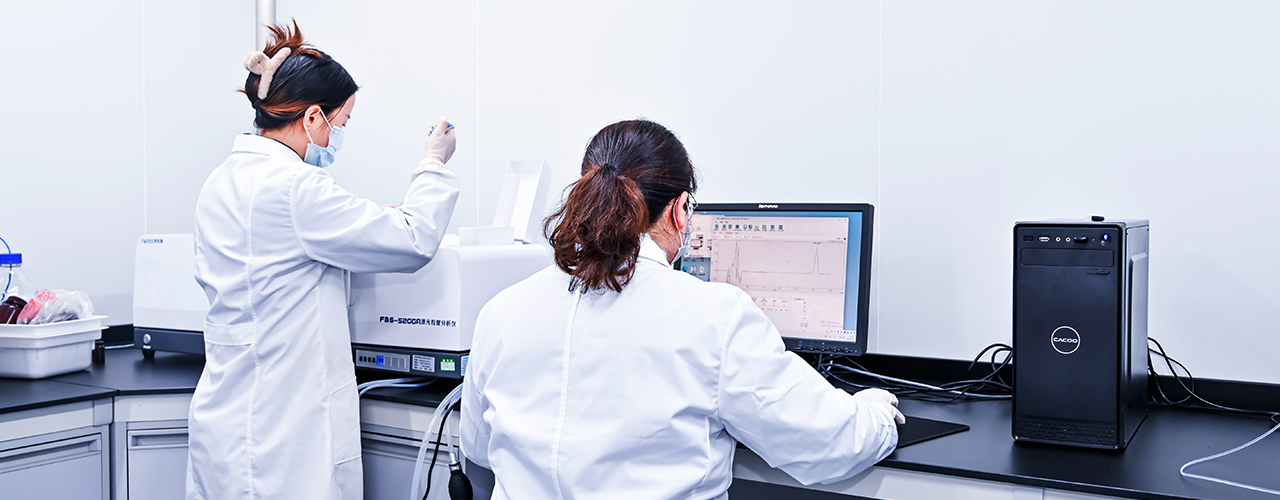
Running a Class 100 clean room alone costs 60% more than a standard cosmetic production space, due to constant air filtration, regular environmental bioburden testing, and strict personnel gowning protocols. Add in annual ISO 13485 quality system audits, Class III medical device production compliance checks, and maintenance for precision filling and sterilization equipment, and annual quality infrastructure costs can top $1.2 million for mid-sized facilities.
It is easy for unregulated factories to undercut compliant suppliers by 30-40%: they skip clean room upgrades, skip third-party testing, and cannot provide valid CE or FDA VCRP registration documents for their products. The 2024 EU Customs report noted that 12 shipments of private label dermal fillers from uncertified suppliers were seized at the border, totaling $7.6 million in lost inventory for 32 emerging brands. Those brands were also added to customs high-priority watch lists, leading to 3x higher inspection fees and 2-week longer clearance times for all their future imports.
Many first-time OEM clients assume all HA fillers use the same base formula, but small tweaks to HA concentration, crosslink density, rheology, and added active ingredients can shift R&D costs dramatically. A brand-new custom formula requires 3-6 months of stability testing, biocompatibility trials, and performance validation, which can add $5,000-$30,000 in upfront costs before a single unit is produced for sale.
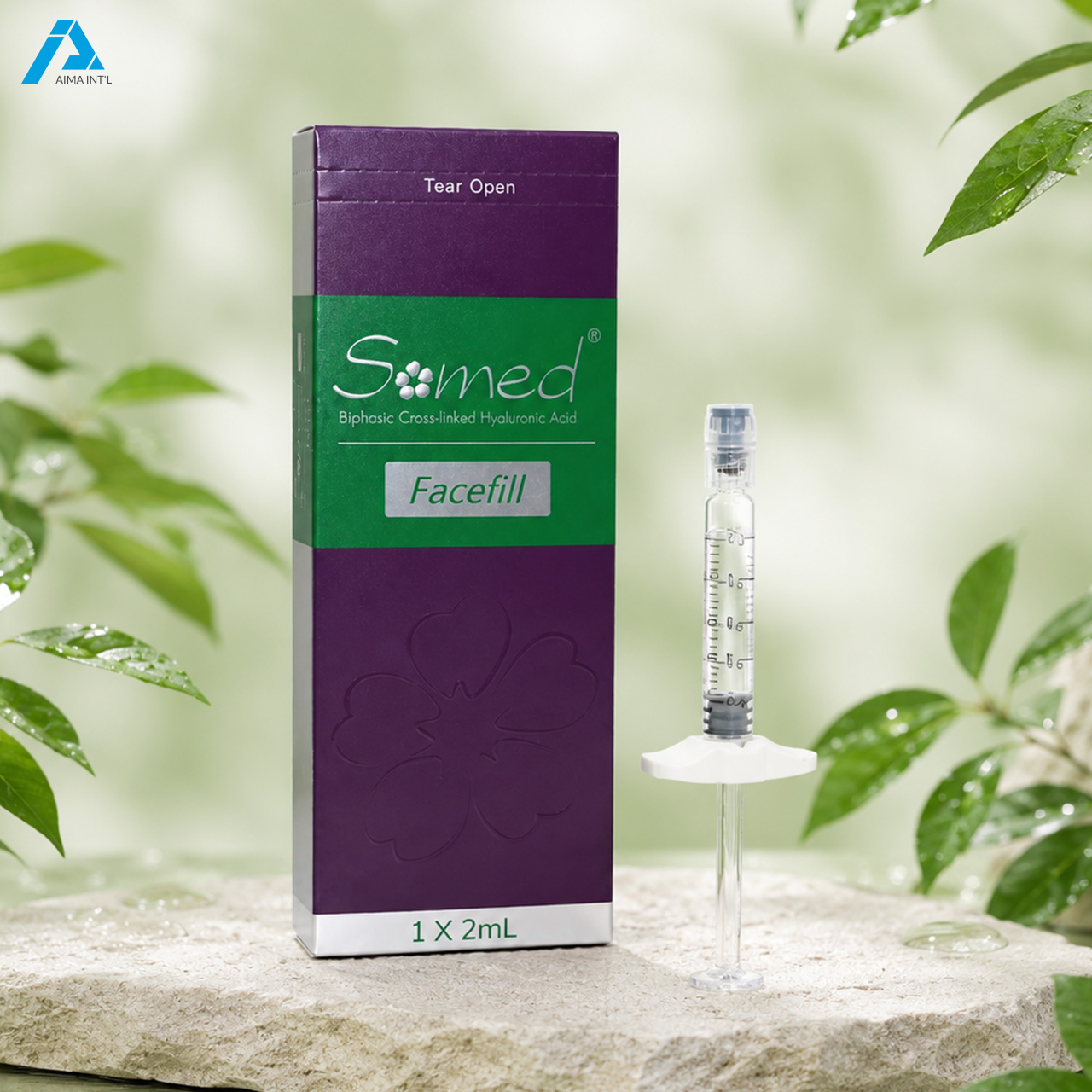
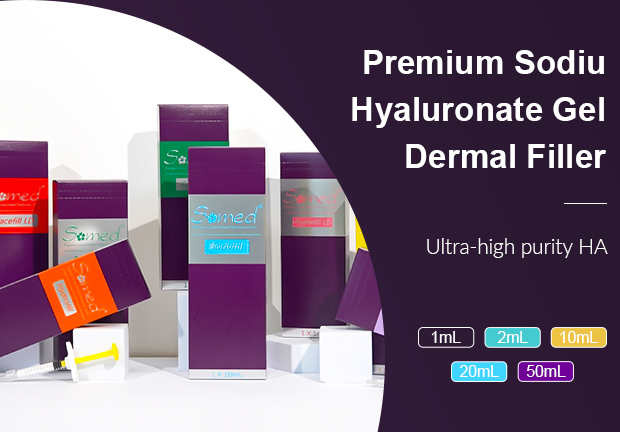
For brands looking to launch quickly without high upfront R&D costs, mature, market-tested formulas offer far better value. With a library of over 1,000 proven dermal filler formulations, AIMA lets clients skip the long development cycle and launch products in weeks, not months. One of the most popular options for mid-market facial filler brands is Facefill Lidocaine, formulated with NASHA-processed non-animal HA and 0.3% lidocaine to cut injection pain by 70% for patients.
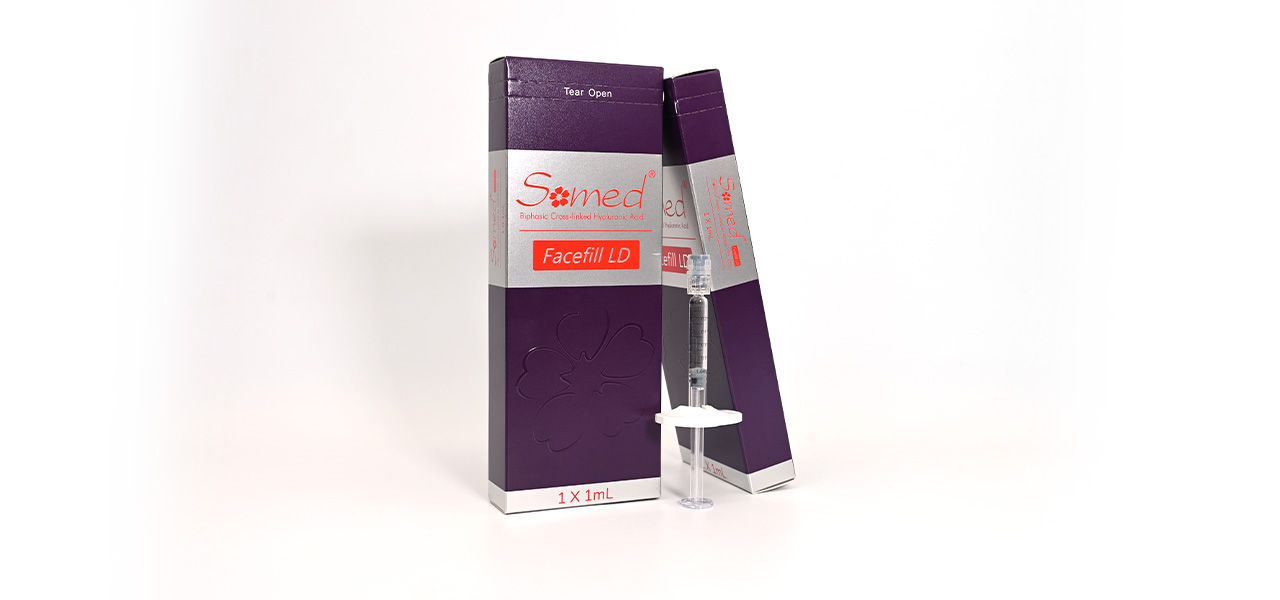
This specific formula uses an 18mg/g HA concentration with a balanced elastic modulus, ideal for treating nasolabial folds, adding volume to the cheeks and temples, and delivering natural-looking results that last 8-12 months. Because the formula has been used in over 2 million syringes sold across 47 markets since 2012, there are zero R&D fees for clients who select it for their private label line, cutting total launch costs by roughly 40% compared to building a custom formula from scratch.
A German medical aesthetic clinic chain learned this cost lesson the hard way in 2023. They initially partnered with a budget supplier that required a 30,000-syringe minimum order, offering a per-unit price 20% below average. They selected a high-crosslink, lidocaine-free formula without running local market tests, only to discover after delivery that 92% of their patient base prioritized low-pain, lidocaine-containing fillers. The lidocaine-free stock had an 8% conversion rate, leaving them with 21,000 unsold units and $129,000 in tied-up capital. When they switched to AIMA’s OEM program, they started with a 500-unit test order of Facefill Lidocaine with zero MOQ pressure, sold through the initial stock in 21 days, and scaled orders gradually to match patient demand. Their total ROI on the new line hit 230% in the first 6 months, with zero dead stock.
Beyond raw materials and compliance, day-to-day operational terms create cost differences that are easy to miss on an initial quote sheet. These factors often make a seemingly cheap quote far more expensive over the course of a partnership:
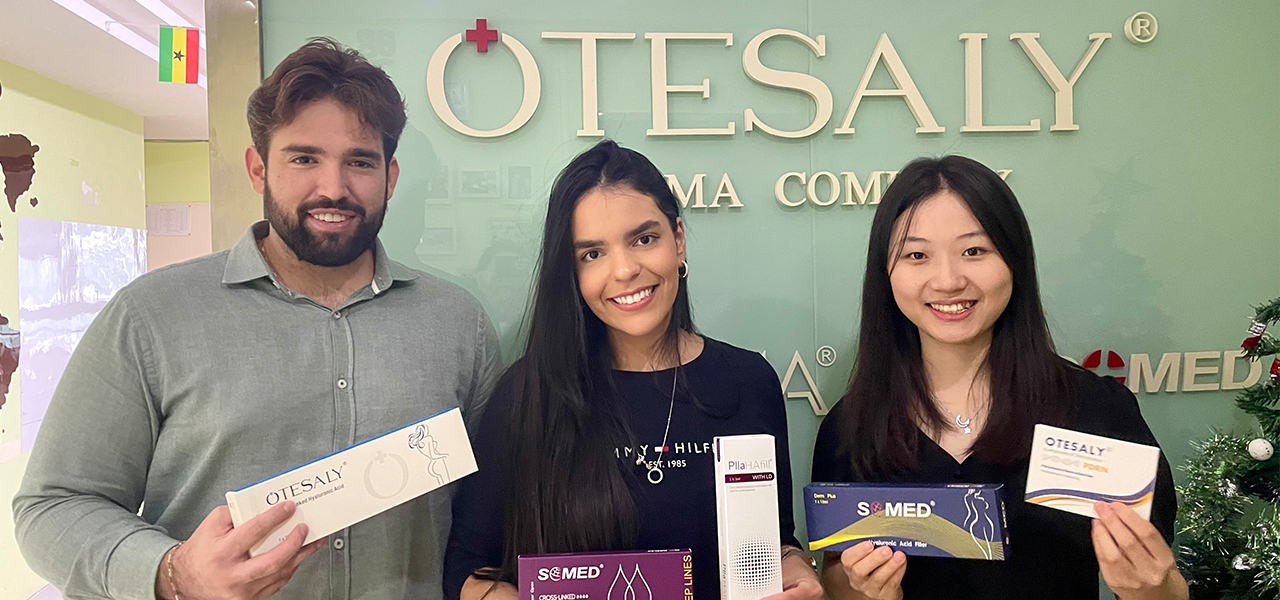
To date, the AIMA team has built custom dermal filler lines for 521 brands across 60+ countries, from independent clinic owners launching their first private label product to global aesthetic distributors scaling multi-SKU product ranges.
Most cost calculations stop at the per-unit price paid to the factory, but post-production risk can make a cheap order the most expensive choice a brand ever makes. A single adverse event linked to a low-quality filler can lead to patient compensation claims, regulatory fines, and permanent brand damage that costs hundreds of thousands of dollars to resolve.
No manufacturer can guarantee zero production issues across millions of units, but compliant, established suppliers build safeguards into their pricing to protect clients. For all AIMA OEM orders, every batch ships with full, traceable quality test reports accepted by global regulatory bodies, and the team provides full compliance documentation support for Medical Aesthetics Wholesale partners navigating local registration requirements. If a batch has confirmed production-related defects, the company covers 100% of replacement costs and associated recall logistics, so clients do not carry the full financial weight of unexpected issues. The team also provides free product training for clinic partners, plus access to co-developed marketing materials to cut client-side customer education costs.
Think about it: if a supplier offers a per-unit price that seems too good to be true, ask where they are cutting costs. Are they using low-grade HA? Skipping clean room protocols? Locking you into impossible MOQs with no post-delivery support? The cheapest quote rarely delivers the best long-term value, especially in an industry where product safety and regulatory compliance directly impact your brand’s reputation.
Dermal filler OEM pricing is never a single, flat number. It is a reflection of raw material quality, regulatory protection, R&D investment, service flexibility, and risk mitigation. For brands building a long-term presence in the medical aesthetic space, the right partner will offer transparent pricing that aligns with your growth stage, no hidden fees, and the quality infrastructure to help you scale without avoidable setbacks.
Copyright @ 2026 AIMA International Group Co., Ltd.