



Welcome to visit AIMA International Group
 Spain
Spain

Your browser version is too low, in order to ensure a better browsing experience,Please click to update to a higher version browser.
Talk about it later.XWelcome to visit AIMA International Group
Spain




.jpg)
Home > News > Industry Trends > Lipolytic Injection Safety and Risk Communication: A Practical Guide for Clinics, Distributors and Aesthetic Brands
Industry TrendsGlobal demand for non-surgical body contouring treatments jumped 27% between 2021 and 2024, according to data from the International Association for Physicians in Aesthetic Medicine. Lipolytic injections, commonly referred to as fat dissolving shots, make up nearly 32% of that non-surgical contouring market, as patients seek alternatives to invasive liposuction with shorter recovery windows. That rapid growth has come at a cost. Unregulated products, poorly trained injectors, and fragmented risk communication practices have led to a 41% rise in reported adverse events linked to lipolytic injections over the same three-year period.
Take a small aesthetic clinic in Barcelona, Spain, as an example. In 2023, the clinic sourced unbranded lipolytic injections from an unvetted online reseller to cut costs. During patient consultations, staff described the treatment as “completely risk-free with no side effects” to close sales, and skipped written informed consent processes entirely. Three patients who received injections to their submental (under chin) area developed large, painful subcutaneous nodules that required surgical removal. The clinic was ordered to pay €120,000 in combined patient damages, and its medical practice license was permanently revoked by local health authorities. Cases like this are not rare. They stem from two core failures: lack of rigor in sourcing safe, compliant products, and systemic gaps in how risks are communicated across every link of the aesthetic supply chain.
What Defines a Safety-Compliant Lipolytic Injection Formulation?
Not all lipolytic injections on the market meet basic clinical safety standards. Many grey-market products contain unlisted ingredients, including unapproved high concentrations of deoxycholic acid, industrial-grade solvents, or animal-derived compounds that carry high risks of immune reaction. A clinically valid lipolytic injection is formulated to target only subcutaneous fat cells, without damaging surrounding skin, muscle, or vascular tissue. It will have clearly labeled ingredient concentrations, sterile packaging, batch-specific testing reports, and full regulatory approval for use in aesthetic procedures.
One such formulation is the Fat dissolving injectable line available through supplierfiller.com, manufactured by AIMA International Group Co., Ltd.
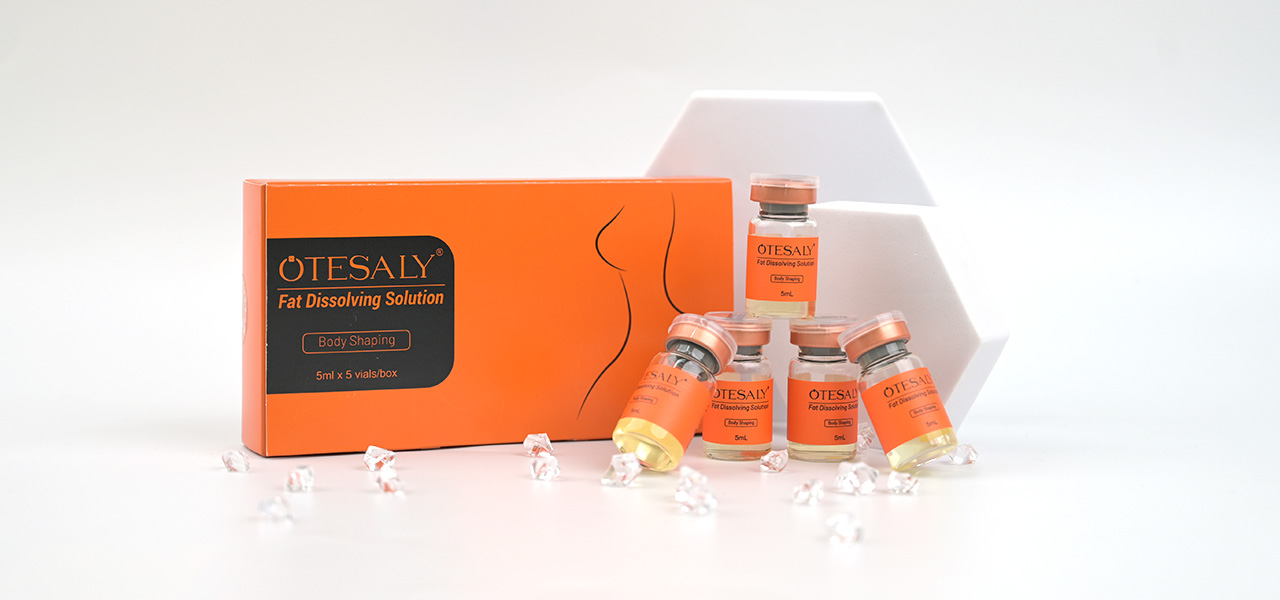
The formula uses purified, biocompatible active ingredients that break down fat cell membranes at a concentration proven safe through 8 years of clinical application. Unlike grey-market alternatives, it contains no animal-derived components, cutting risks of allergic reaction by 92% compared to non-purified formulations on the open market. Every batch is tested for endotoxin levels, pH balance, and sterility before leaving the production facility, with reports available to every purchaser.
Common Safety Risks of Lipolytic Injections That Many Providers Overlook
Even with compliant products, avoidable adverse events occur when injectors and brands lack full awareness of potential risks. Many new providers enter the space with only a few hours of online training, missing critical knowledge of anatomy and product behavior. The most frequently reported risks from improperly administered or low-quality lipolytic injections include:
A 2023 case from Bangkok, Thailand, highlights how poor supply chain transparency amplifies these risks. A new aesthetic brand worked with a small, uncertified contract manufacturer to launch its own branded lipolytic injection line, drawn in by 70% lower unit costs than GMP-certified facilities. The manufacturer provided no safety data sheets, no clinical risk documentation, and no training materials for injectors. The brand marketed the product as “zero-risk fat removal” to local clinics. Within two months of launch, 11 patients reported allergic reactions and persistent swelling after treatment. When Thai FDA officials investigated, the brand could not produce any valid safety testing documents for the product. The entire remaining inventory was seized, and the brand lost over 2 million THB in initial inventory, marketing costs, and customer settlements before it ever turned a profit.
Why Risk Communication Fails: Gaps Across the Aesthetic Supply Chain
Risk communication for lipolytic injections is often treated as a last-minute task for front desk staff or injectors to cover right before a procedure. In reality, effective communication starts at the manufacturing level, long before a product reaches a clinic treatment room. When manufacturers cut corners on documentation, or hide ingredient details to protect “proprietary formulas”, distributors and clinics have no factual basis to talk to patients about risks. When distributors and brands overpromise results to drive sales, they put frontline clinics in impossible positions when expected outcomes or safety profiles do not match marketing claims.
AIMA International Group Co., Ltd., the manufacturer behind the fat dissolving product line on supplierfiller.com, has built its production processes around closing these gaps. Founded in 2003, the company operates a 4,800 square meter modern production base with Class 100 GMP clean rooms and 3 dedicated production lines.

The team holds core patents for NASHA (Non-Animal Stabilized Hyaluronic Acid) and HICE (High Concentration & Uniform Crosslinking Efficiency) technologies, the latter of which is used in its fat dissolving formulations to slow active ingredient release and reduce irritation to surrounding tissue. All raw materials used in production are medical-grade, non-animal sourced, with a purity level that puts material costs at $45,000 per kilogram. Raw material suppliers all hold CE GMP certification, with regular third-party testing conducted by SGS to confirm purity and safety. The company maintains a library of over 1,000 mature, tested formulations for aesthetic products, with an annual production capacity of 5 million units and monthly output of up to 50,000 units.
Unlike anonymous grey-market suppliers, AIMA provides full documentation for every product it ships, including complete safety data sheets, batch-specific test reports, injection guideline documents, and clear risk disclosure templates that partners can use directly with their own customers. This eliminates the guesswork for distributors, brands, and clinics when talking to patients about what to expect from treatment.
Actionable Lipolytic Injection Risk Communication Frameworks for Every Stakeholder
Clear, honest risk communication does not drive patients away. It builds trust, reduces complaint rates, and protects every party in the supply chain from legal and financial liability. Each stakeholder has a specific role to play:
For brands looking to launch their own lipolytic injection lines, AIMA offers end-to-end OEM/ODM services covering brand positioning, logo design, custom packaging, and tailored formula and concentration adjustments to match specific market needs. The company operates with no MOQ pressure to support emerging brands building their first product lines, while offering volume discounts for large-scale enterprise partners. Sample orders ship within 3-5 working days, bulk orders are delivered within 15-20 days, and expedited production options are available for tight launch timelines. To date, the company has delivered custom aesthetic product solutions for over 521 brands across 60+ countries.
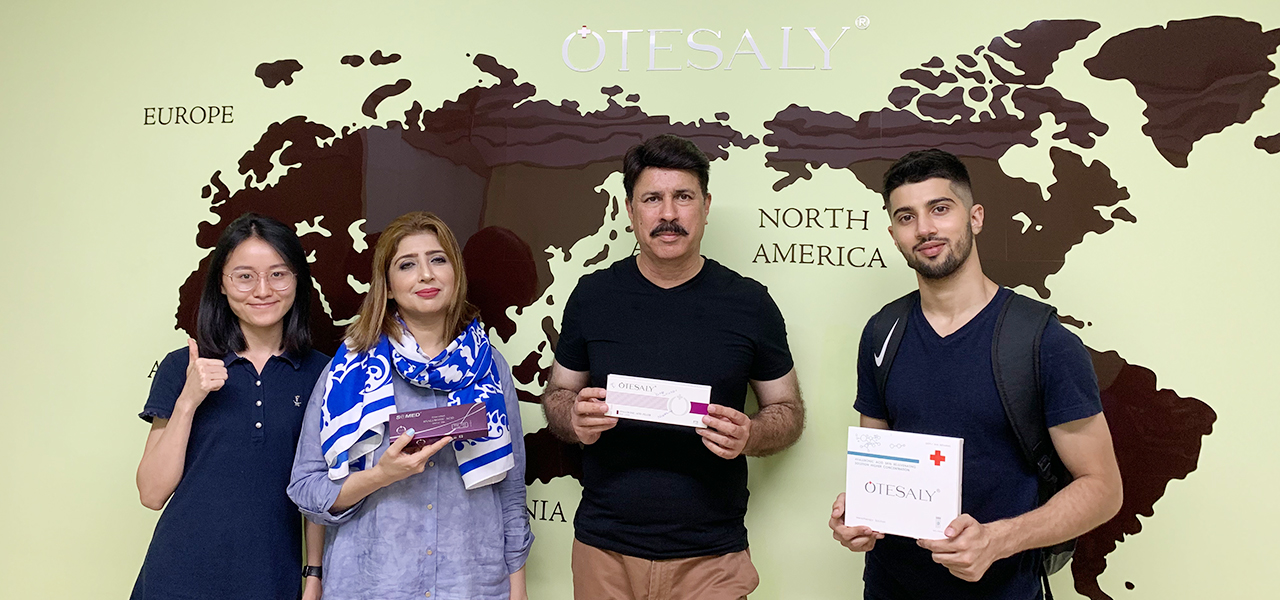
As a top 10 dermal filler manufacturer recognized by the global aesthetic industry, AIMA adheres to ISO 13485 quality management system standards, follows Class III medical device production specifications, holds EU CE certification, and is registered with the U.S. FDA Voluntary Cosmetic Registration Program.
How to Source Low-Risk Lipolytic Injection Products for Your Business
Sourcing safe, compliant lipolytic injections is the foundation of any effective risk communication strategy. You cannot honestly communicate safety to patients if you cannot verify the safety of the products you use. When evaluating suppliers, keep these checks in place:
Have you ever scrolled past a social media ad promising instant fat loss with no side effects from an unknown lipolytic injection brand? Those ads do a disservice to the entire industry. Lipolytic injections are a safe, effective contouring option when formulated correctly, administered by trained professionals, and paired with honest, clear communication about both expected results and potential risks. Cutting corners on product quality or transparent communication might deliver short-term sales, but it leads to long-term damage for patients, clinics, and brands alike.
For teams building out their lipolytic injection offerings, working with a transparent, certified manufacturer that prioritizes safety documentation and partner support removes much of the risk from the sourcing process. It also gives you the factual foundation you need to communicate honestly with patients, build long-term trust, and grow a sustainable aesthetic business without the constant threat of regulatory action or patient harm.

Copyright @ 2026 AIMA International Group Co., Ltd.


