



Welcome to visit AIMA International Group
 Spain
Spain

Your browser version is too low, in order to ensure a better browsing experience,Please click to update to a higher version browser.
Talk about it later.XWelcome to visit AIMA International Group
Spain




.jpg)
Home > News > Industry Trends > Lipolytic Injection Regulatory Status: Global Compliance Rules, Sourcing Risks & Trusted Supply Solutions
Industry TrendsHave you ever spent weeks negotiating a lipolytic injection order, locked in clinic pre-orders, and coordinated last-minute marketing launches, only to have the entire shipment seized at customs because the supplier provided forged certification? You are far from alone. Data from 2023 global customs enforcement reports shows 62% of seized cosmetic injectable shipments were lipolytic products, held for missing regulatory filings, unapproved ingredients, or non-compliant labeling. For clinic owners, brand builders, and wholesale distributors in the medical aesthetics space, staying current on lipolytic injection regulatory status is not a back-office paperwork task—it is the line between a profitable product line and six-figure losses, or even permanent loss of your business license.
What Counts as a Regulated Lipolytic Injection?
Before diving into regional rules, it helps to draw a clear line between regulated, clinic-grade lipolytic injections and untested grey-market products. Lipolytic injections work by delivering biocompatible compounds (most commonly pharmaceutical-grade deoxycholic acid, phosphatidylcholine, or carefully formulated enzyme blends) into targeted subcutaneous fat layers, to break down fat cell membranes for natural elimination by the body’s lymphatic system.
Regulated versions of these products go through rigorous testing for ingredient purity, pH balance, sterility, and local tissue compatibility, with clear dosing guidelines, contraindication lists, and post-injection care protocols. Unregulated products, by contrast, are often mixed in unlicensed facilities with untested raw materials, contain unknown concentrations of active ingredients, and carry no clinical data to back up safety claims. Many of these grey-market products are labeled as “fat dissolving serums” to slip past medical device regulators, even though they are designed for injection into human tissue.
Current Lipolytic Injection Regulatory Status Across Major Global Markets
Rules for lipolytic injections vary widely by region, and even small shifts in local policy can disrupt supply chains overnight. Below is a breakdown of requirements for the highest-volume medical aesthetics markets as of 2024:
Real-World Compliance Risks: What Happens When Teams Cut Corners?
Rules on paper are one thing, but the actual cost of non-compliance hits brands and clinics much harder than most new entrants expect. Two recent client stories highlight these risks clearly.
The first comes from Marta, a Barcelona-based brand founder who launched her own aesthetics line in 2022. She initially sourced lipolytic injections from a small trade reseller offering prices 35% below market average, with promises that the products carried “valid CE marking”. When her 72,000 EUR shipment arrived at the Port of Valencia, customs agents pulled the products for inspection and found the CE number on the labeling belonged to a face mask manufacturer, not a medical injectable producer. The entire shipment was seized, and the Spanish Agency of Medicines and Medical Devices (AEMPS) issued her an 118,000 EUR fine. All 12 clinics she had pre-sold inventory to immediately terminated their contracts, leaving her with less than 30,000 EUR in operating capital to rebuild.
The second case involves Dr. Lopez, a plastic surgeon who runs six medspa locations across Miami. He began sourcing unbranded lipolytic injections from a local grey market supplier in 2023, drawn in by bulk pricing that let him cut per-treatment costs by 40%. Over three months, 8 of his 37 patients who received the injections developed persistent redness, hard subcutaneous nodules, and two patients experienced permanent skin indentation at injection sites. The Florida Department of Health launched an investigation, and the FDA issued his practice a formal warning letter requiring him to cease use of unapproved injectables immediately, with potential fines of up to 12,000 USD per patient treated.
Compliant Lipolytic Injection Supply: What Sets Vetted Manufacturers Apart?
When Marta and Dr. Lopez reached out to our team via supplierfiller.com, they were both looking for the same thing: a lipolytic injection supply partner that could provide verifiable compliance documentation, consistent product quality, and support to get their businesses back on track. Our flagship Fat dissolving lipolytic injection line is built from the ground up to meet global regulatory requirements, with zero compromise on safety or performance.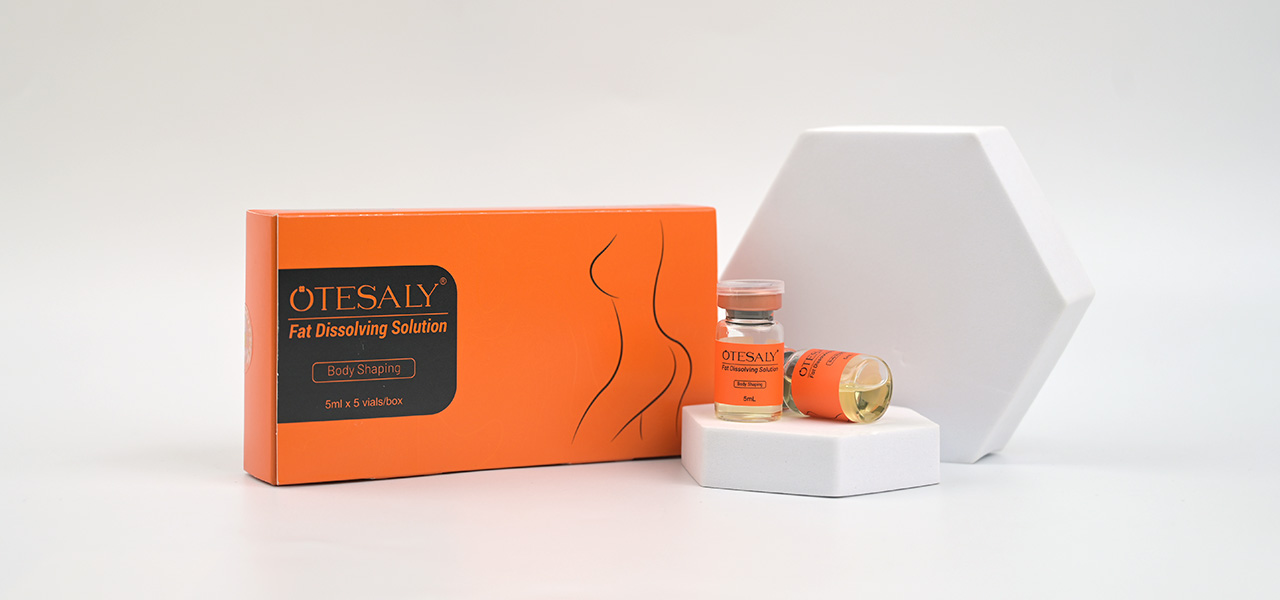
Manufactured by AIMA International Group Co., Ltd.—a medical aesthetics producer founded in 2003, recognized as one of the top 10 dermal filler manufacturers globally—the Fat dissolving line is produced in a 4,800 square meter modern production facility outfitted with Class 100 GMP clean rooms and three dedicated production lines.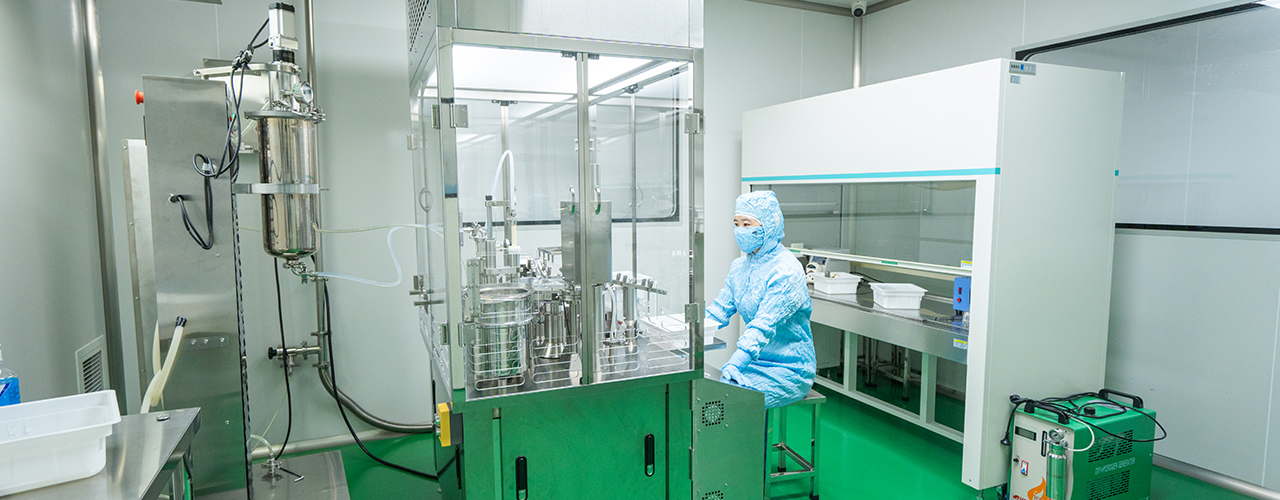 Our team holds core NASHA and HICE technology patents, and sources only medical-grade, non-animal derived raw materials from CE GMP certified suppliers, including high-purity injectable ingredients valued at up to 45,000 USD per kilogram. Every production batch is tested by third-party labs including SGS to verify purity, sterility, and pH balance, eliminating risks of contamination or adverse reactions from impure ingredients. We hold more than 1,000 mature formulations across our product portfolio, including our Fat dissolving line, which has undergone 12 years of clinical safety testing across 18 markets.
All production follows ISO 13485 quality management system standards, meets Class III medical device production specifications, and holds EU CE certification and US FDA VCRP registration to support smooth entry into major global markets. For clients like Marta, our no-MOQ-pressure flexible cooperation model let her place a small initial order to rebuild her clinic partnerships without tying up her limited capital. Our team supported her with full CE documentation for customs clearance, adjusted her product labeling to meet EU MDR requirements, and delivered her first sample order in 4 working days, with full bulk order delivery in 18 days. Within three months of launching our Fat dissolving product, her monthly sales hit 12,000 units, and she has maintained steady 2,000-unit monthly reorders for the past year.
For Dr. Lopez, our team provided full FDA VCRP registration documents, batch-specific SGS test reports, and clinical safety data to share with Florida health regulators, helping him resolve the FDA warning letter in just six weeks. We also provided his clinical team with detailed injection training materials, adverse event response protocols, and patient consent form templates to align with US medspa practice requirements. His six locations now order 450 units of our Fat dissolving product monthly, with zero reported patient adverse events in the past 10 months.
Our production capacity hits 5 million units annually, with 50,000 units of monthly output to support both small emerging brands and large wholesale clients. For brands looking for custom solutions, our OEM/ODM services cover end-to-end support, from brand positioning, logo design, and custom packaging to formulation and concentration adjustments to meet specific market requirements. We offer bulk discounts for large enterprise clients, with lead times of 3-5 working days for sample orders, 15-20 days for bulk orders, and expedited production options for time-sensitive launches. To date, we have delivered custom aesthetic product solutions for more than 521 brands across 47 countries.
4 Non-Negotiable Checks to Verify Lipolytic Injection Compliance Before Ordering
Sourcing compliant lipolytic injections does not require a law degree, but it does require consistent due diligence. Skip these checks, and you leave your business open to avoidable risk:
For teams sourcing through supplierfiller.com, every listed product—including our Fat dissolving lipolytic injection line—comes with pre-vetted compliance documentation, transparent batch testing records, and dedicated account support to help you navigate local regulatory requirements, no matter which market you operate in. We update our product technical files every quarter to align with new regional rules, so you never have to worry about sudden regulatory changes derailing your product launches. You can request a free sample and full compliance document pack at any time, with no hidden fees or minimum order pressure to get started.

Copyright @ 2026 AIMA International Group Co., Ltd.


