
Welcome to visit AIMA International Group
 Spain
Spain

Your browser version is too low, in order to ensure a better browsing experience,Please click to update to a higher version browser.
Talk about it later.XWelcome to visit AIMA International Group
Spain


.jpg)
Home > News > Industry Trends > Lidocaine Dermal Filler Formulation: Key Components, Production Standards, and Custom Manufacturing Solutions
Industry TrendsLidocaine-infused dermal fillers now account for 62% of the global dermal filler market, per 2024 data from Grand View Research. As patient expectations for comfortable, low-downtime aesthetic procedures rise, lidocaine-free filler options have seen consistent annual market share declines for five consecutive years. Many new brands entering the aesthetic space assume a lidocaine dermal filler formulation is a simple physical mix of hyaluronic acid gel and lidocaine powder. The long list of product failures, adverse event reports, and regulatory holds seen across the industry tells a different story: small missteps in formulation design or production can lead to costly, reputation-damaging issues for brands.
Core Components of a Clinically Validated Lidocaine Dermal Filler Formulation
Every ingredient in a compliant, clinic-ready lidocaine filler is selected and calibrated based on decades of clinical data, with no room for arbitrary ratio adjustments. A safe, effective formulation includes four core, tightly controlled elements:
Why do so many filler products on the market fail to hit these benchmarks, even when their listed ingredient ratios match published clinical guidelines? The gap lies in formulation processing, not just raw material lists. For example, if lidocaine is added to the HA gel after the cross-linking process without proper homogeneous mixing, the anesthetic molecules cluster in pockets within the gel network. A patient injected with such a product might feel full numbness in one spot, and sharp, unmitigated pain a centimeter away. Some manufacturers cut corners by adding lidocaine during the final syringe filling stage, skipping the slow mixing and degassing steps required for even distribution, leading to batch-to-batch consistency issues that only surface after products reach clinic shelves.
A small indie aesthetic brand from Barcelona reached out to our team in late 2023, after a disastrous first production run with a local contract manufacturer. Their lidocaine filler was advertised as a “pain-free mid-face volumizer”, but patient feedback told a different story: average pain scores during injection hit 7/10, nearly identical to lidocaine-free products, and 12 patients reported lumps that persisted 8 weeks post-injection. One clinic partner told the founder they had stopped recommending the filler halfway through the first month, after three patients in a single week asked to pause their procedure due to sharp injection pain. When we tested samples from their batch, we found lidocaine concentration varied from 0.08% to 0.51% across different syringes in the same production lot, and cross-linker residue hit 7.2ppm, well above safety limits. The brand had 3,200 unsellable syringes sitting in a warehouse, and 18 clinic partners threatening to end their contracts.
A large medical aesthetic chain based in Warsaw faced a different problem in early 2024. Their previous supplier had formulated a lidocaine filler with a measured lidocaine concentration of 0.38%, exceeding the EU 0.3% limit. Two full shipping batches, totaling 12,000 syringes, were seized at customs, leading to €127,000 in direct losses and a 6-month delay to their private label product launch. The supplier could not provide full raw material traceability reports or third-party biocompatibility test data, leaving the chain with no path to resolve the customs hold.
How Proprietary Technology Elevates Lidocaine Filler Formulation Performance
AIMA International Group launched its first lidocaine dermal filler line in 2007, four years after the company was founded in 2003. Over two decades of formulation work, the team has refined two core technologies that solve the most common pain points in lidocaine filler production: NASHA and HICE.
NASHA (Non-Animal Stabilized Hyaluronic Acid) technology uses a minimal amount of BDDE cross-linker to form a stable, elastic HA gel network, without breaking the natural molecular structure of HA. The process produces a gel that closely matches the biomechanical properties of native dermal HA, leading to natural-looking results and lower foreign body reaction rates. Unlike high-crosslinking formulations that feel hard or unnatural under the skin, NASHA-based gels integrate smoothly with surrounding tissue over 6-18 months, depending on the product’s intended use.
HICE (Homogeneous Ion Controlled Encapsulation) technology addresses the long-standing problem of uneven lidocaine distribution. Instead of mixing lidocaine into pre-formed gel, the process encapsulates lidocaine molecules at the ion level during the cross-linking reaction, locking each anesthetic molecule evenly across the entire HA network. This means every 0.1ml of gel drawn from a syringe contains exactly 0.3% lidocaine, no clumping, no dead spots. The encapsulated lidocaine releases at a consistent rate immediately after injection, delivering fast, even numbness that lasts just long enough for the procedure, without lingering after the appointment ends.
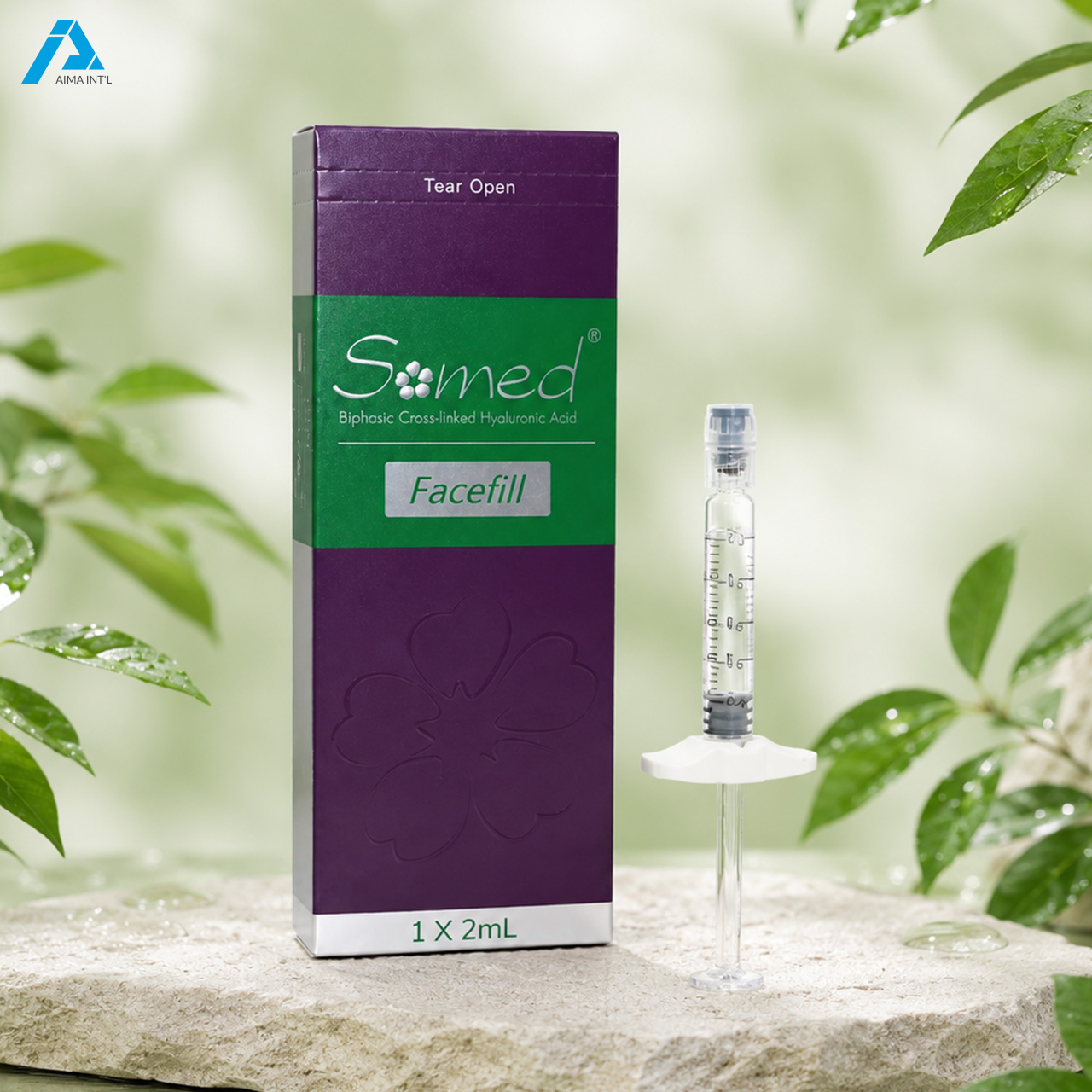
One of the most mature formulations built on these two technology platforms is Facefill Lidocaine, formulated for mid-face volumization, nasolabial fold correction, and fine line reduction.
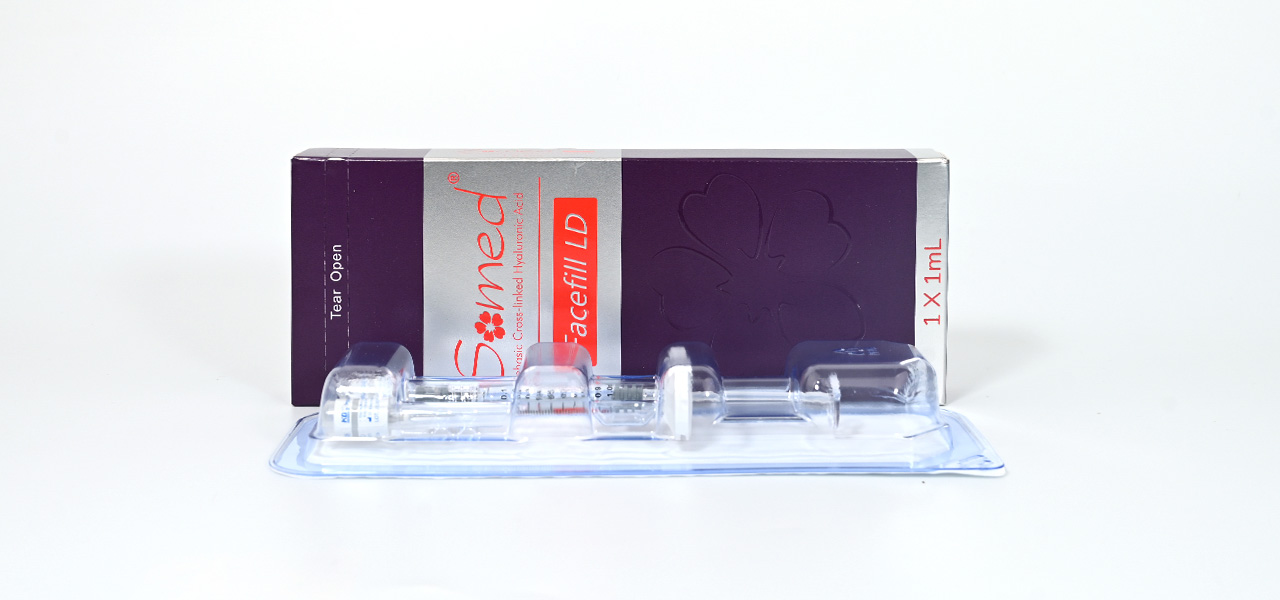
Facefill Lidocaine uses 25mg/ml high-purity non-animal HA, 0.3% pharmaceutical-grade lidocaine, and is calibrated to a G’ of 200 Pa, making it versatile enough for both superficial dermal injection and deep subcutaneous placement. Independent clinical testing on 240 patients showed a 92% satisfaction rate with procedural pain levels, with 89% of patients reporting no noticeable discomfort during injection. The product maintains its shape and volume for 12-14 months post-injection, with no reported cases of granuloma or migration across 1.2 million syringes sold globally since 2021.
Production Standards That Back Consistent Formulation Quality
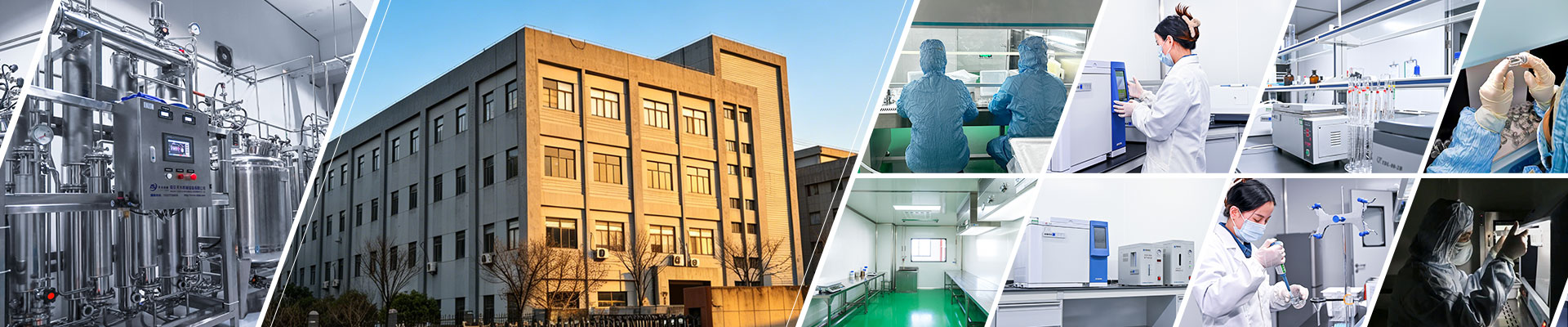
Even the best-designed formulation will fail without strict production environment controls. AIMA operates a 4,800 square meter modern production base, built to Class 100 GMP cleanroom standards, with three dedicated production lines for dermal filler products.
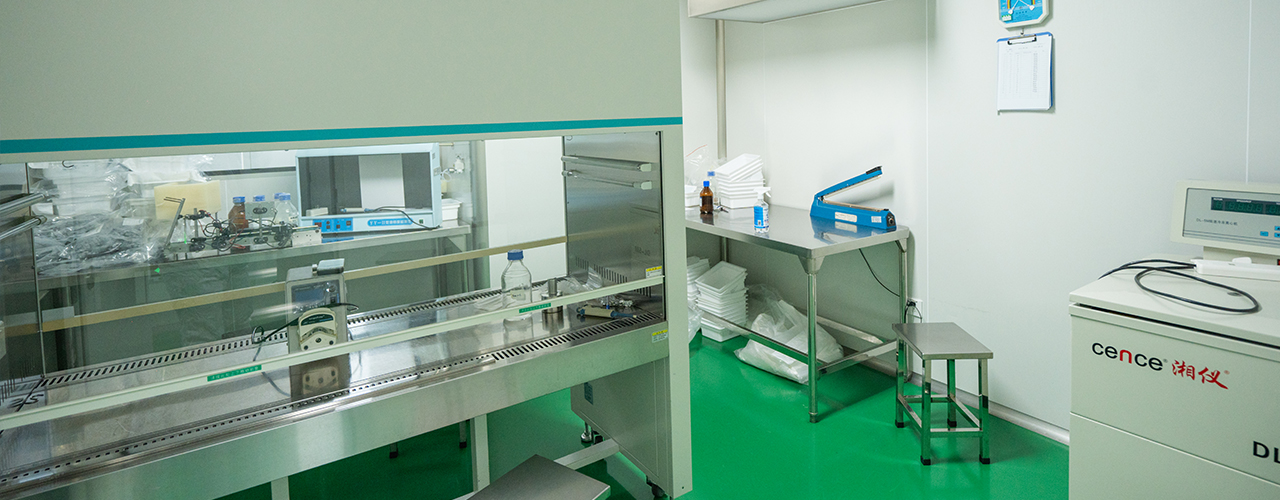
Every step of production follows documented quality control checkpoints to eliminate formulation deviation:
The facility reaches an annual production capacity of 5 million syringes, with monthly output peaking at 50,000 syringes. This scale allows the team to serve both small startup brands and large global aesthetic chains without compromising lead times.
The two brands mentioned earlier, from Barcelona and Warsaw, both launched their revised lidocaine filler products with AIMA’s formulation support within 3 months of reaching out. The Barcelona brand adjusted its original formulation to use the HICE lidocaine encapsulation process, and their post-launch patient pain scores dropped to 1.6/10, with zero reports of lumps or uneven numbness in the first 6 months of sales. They have since scaled their order volume from 500 syringes per quarter to 12,000 syringes per quarter, and signed on 42 new clinic partners across Spain. The Warsaw chain resolved its regulatory compliance issues by using AIMA’s CE-certified formulation and full documentation package, clearing customs in 10 days for their first 15,000-syringe order, and hitting their first-year sales target 3 months ahead of schedule.
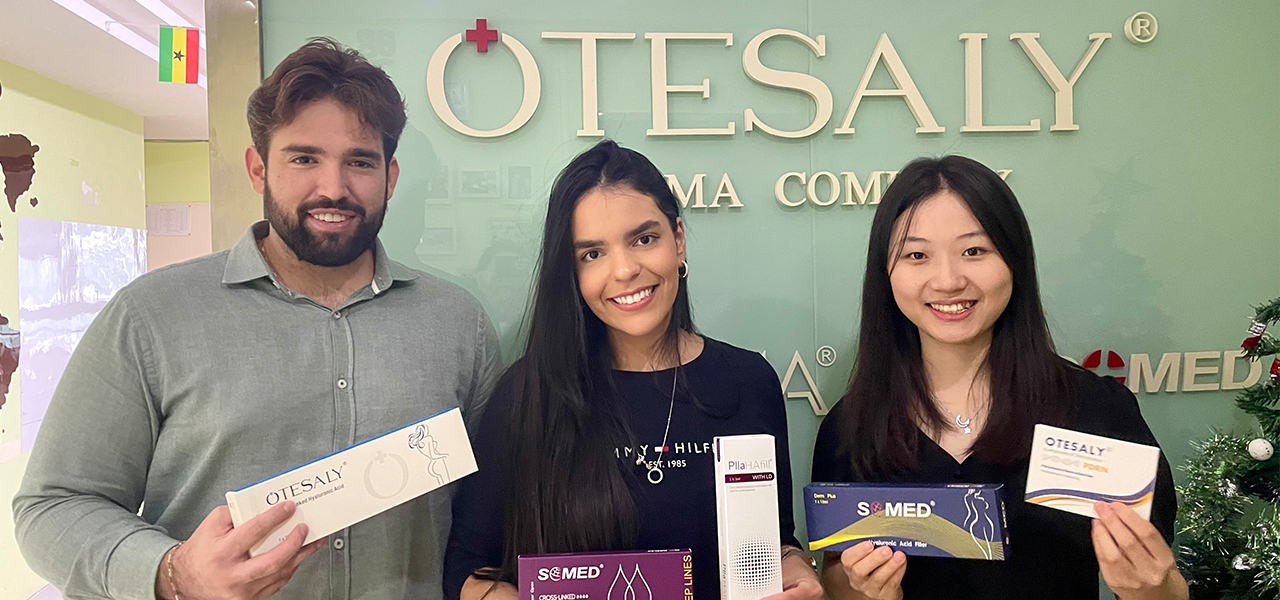
Custom Formulation Services for Brands at Every Stage
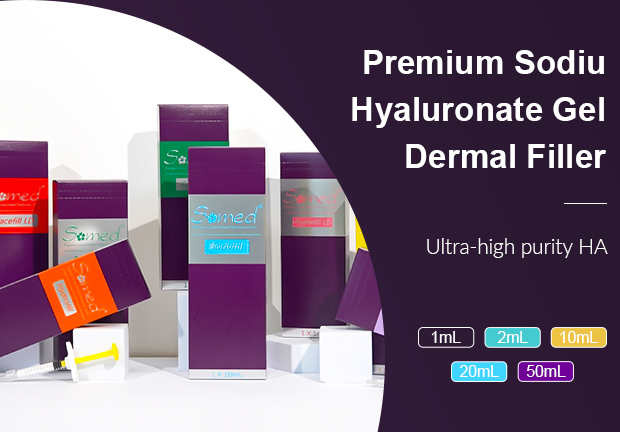
AIMA holds a library of over 1,000 mature dermal filler formulations, including multiple lidocaine-containing options calibrated for different injection sites, longevity targets, and market regulatory requirements. The OEM/ODM program covers every step of brand building, from initial brand positioning, logo design, and custom packaging, to targeted adjustments of formulation concentration, cross-link density, and lidocaine release profile.
Unlike many manufacturers that enforce high minimum order quantities that lock out new brands, AIMA offers a no-MOQ-pressure cooperation model for emerging brands, allowing founders to test products in their local market with small initial orders, without tying up capital in excess inventory. For large enterprise clients, the team offers tiered volume discounts, dedicated account management, and priority production scheduling.
Sample orders ship within 3-5 working days, while bulk production orders are completed within 15-20 days, with expedited production options available for clients with tight launch timelines. To date, the team has delivered custom formulation solutions to over 521 brands across 68 countries, earning a spot as one of the top 10 dermal filler manufacturers globally.
All lidocaine filler formulations produced at the facility align with ISO 13485 quality management system standards, meet Class III medical device production norms, hold EU CE certification, and are registered with the US FDA VCRP program. For medical aesthetics wholesale clients, the support team provides full post-delivery support, including regulatory document assistance, formulation adjustment guidance as market needs change, and full batch traceability for every syringe sold. There is no fine print, no hidden fees, and no generic, one-size-fits-all formulation pushed on clients who need specific performance from their products.
Many new brand founders come to initial calls with a list of requirements copied from competitor product pages, unsure how to translate those claims into a safe, effective formulation that passes regulatory checks. The R&D team works directly with each client to walk through formulation tradeoffs: a higher G’ gives better lifting power for jawline contouring, but requires a larger needle size for injection; a higher HA concentration gives longer longevity, but may cause more swelling if injected too superficially. There is no universal formulation for every use case, but there is a formulation that matches a brand’s target audience, clinic partner needs, and local regulatory rules.
Lidocaine dermal filler formulation is not a static recipe to be copied from a textbook. It is a dynamic combination of raw material quality, proprietary processing technology, strict production controls, and clinical validation that takes years of iterative testing to get right. Brands that cut corners on formulation work to save a few cents per syringe end up paying far more in product returns, regulatory penalties, and damaged reputation with clinics and patients.
Copyright @ 2026 AIMA International Group Co., Ltd.