
Welcome to visit AIMA International Group
 Spain
Spain

Your browser version is too low, in order to ensure a better browsing experience,Please click to update to a higher version browser.
Talk about it later.XWelcome to visit AIMA International Group
Spain


.jpg)
Home > News > Industry Trends > 1mL vs 2mL Dermal Filler Syringe: Which Option Fits Your Aesthetic Practice Needs?
Industry TrendsHave you ever sat down at the end of a quarter to reconcile your clinic’s dermal filler costs, only to find product waste eating 25% or more of your treatment margins? If you’ve only been evaluating fillers by HA concentration, crosslinking technology, or lidocaine content, you’re missing one of the biggest drivers of cost and patient satisfaction: syringe size. Many practice owners and brand builders treat 1mL and 2mL dermal filler syringes as interchangeable options, only differing in total volume. That misstep can cost thousands in wasted product, lost patient trust, and lower treatment conversion rates over time.
The gap between 1mL and 2mL syringes goes far beyond holding twice the volume. Reputable manufacturers engineer each syringe size to match specific treatment depths, injection techniques, and product rheology, rather than simply pouring the same gel into different sized barrels.
Last year, we connected with a small boutique clinic owner in Miami who specialized in lip refinement and periorbital rejuvenation. When first opening her practice, she chased bulk discount pricing and purchased an entire inventory of 2mL dermal filler syringes, assuming the lower per-mL cost would boost margins. After three months of operations, her inventory audit showed 72% of her patients only required 0.5–0.8mL of filler per treatment area. The remaining 1.2–1.5mL per opened syringe had to be discarded, as ISO 13485 sterile handling guidelines require opened HA fillers to be used within a 4-hour window to eliminate bacterial contamination risk. When she calculated actual per-mL costs accounting for waste, she found she was paying 32% more than she would have for 1mL syringes. Worse, three patients noticed the partially used syringes on her treatment tray, left 1-star Google reviews questioning whether the clinic repurposed leftover filler for other patients, and dragged her overall practice rating down by 0.8 stars.
1mL syringes are not a “more expensive, smaller version” of larger options. They are purpose-built for treatments where precision, patient trust, and zero waste take priority.
2mL syringes are not reserved exclusively for large medspa chains. When matched to the right treatment menu, they cut procedure time, reduce contamination risk, and improve profit margins for practices of all sizes. We worked with a Dallas-based medspa chain focused on midface volume restoration and jawline contouring that initially stocked only 1mL filler syringes for all treatments. Their clinical team noted that treating bilateral midface cheek hollows required 1.2–1.5mL per side, meaning a single full-face volume correction required opening 4–5 separate 1mL syringes. Nurses spent an extra 8–10 minutes per patient opening syringes, expelling air, and cross-checking product batches. Multiple punctures of the syringe rubber stopper also increased risk of rubber particulate contamination, leading to two cases of transient post-treatment redness that required follow-up visits. After switching large-area volume treatments to 2mL syringes, the clinic cut per-patient procedure time by 12%, reduced product waste by 21%, and saw a 17% lift in treatment conversion. Patients reported feeling less overwhelmed by fewer syringes on the treatment tray, and no longer questioned the value of their procedure.
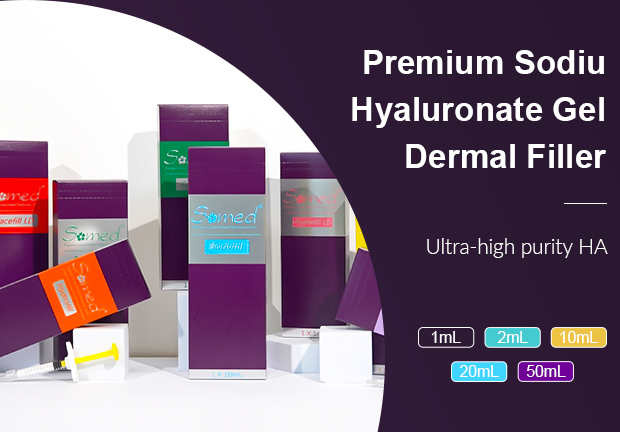
As a dermal filler manufacturer operating since 2003, AIMA International Group Co., Ltd. designs product lines with syringe size as a core part of formulation, not an afterthought. Our Volumafill dermal filler range is available in both 1mL and 2mL prefilled syringes, calibrated to match specific clinical use cases from precision contouring to deep volume support.
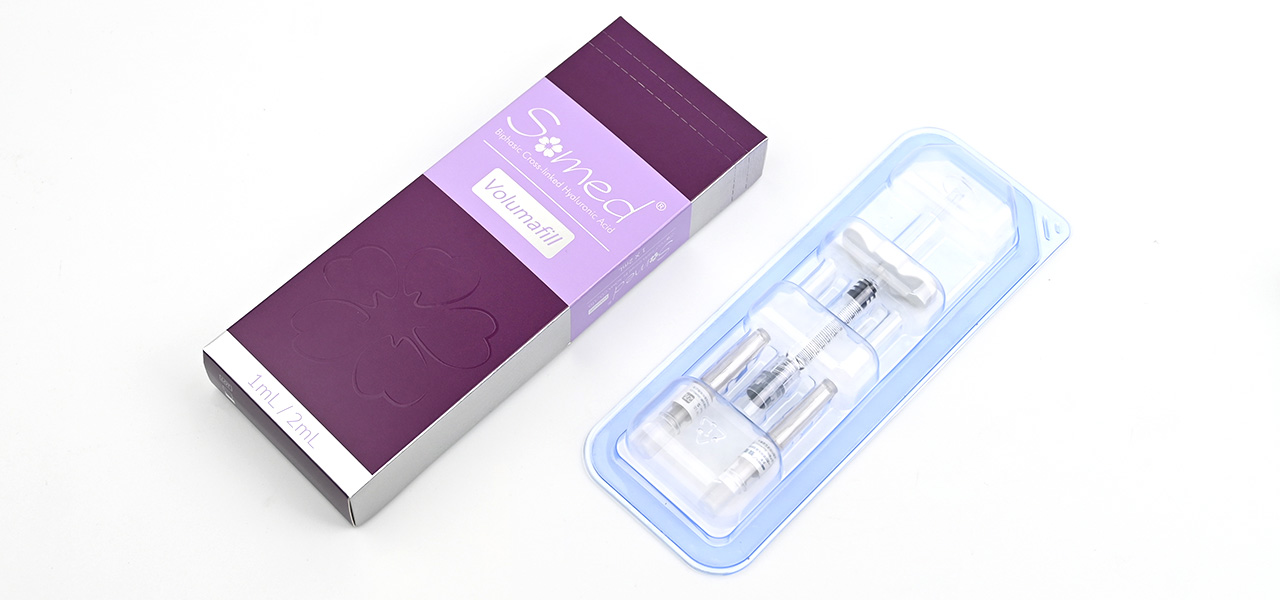
Volumafill uses medical-grade, non-animal sourced hyaluronic acid with a raw material cost of $45,000 per kg, sourced from CE GMP-certified suppliers that undergo regular third-party SGS testing. With a library of over 1,000 mature filler formulations and expertise in both NASHA and HICE crosslinking technologies, we tune gel rheology for each syringe size: the 1mL Volumafill formulation has high cohesivity and low extrusion force for smooth, precise microinjections in delicate areas, while the 2mL Volumafill formulation is calibrated to a G’ value of 220Pa for strong structural support in deep tissue layers, with minimal migration or spread after injection.
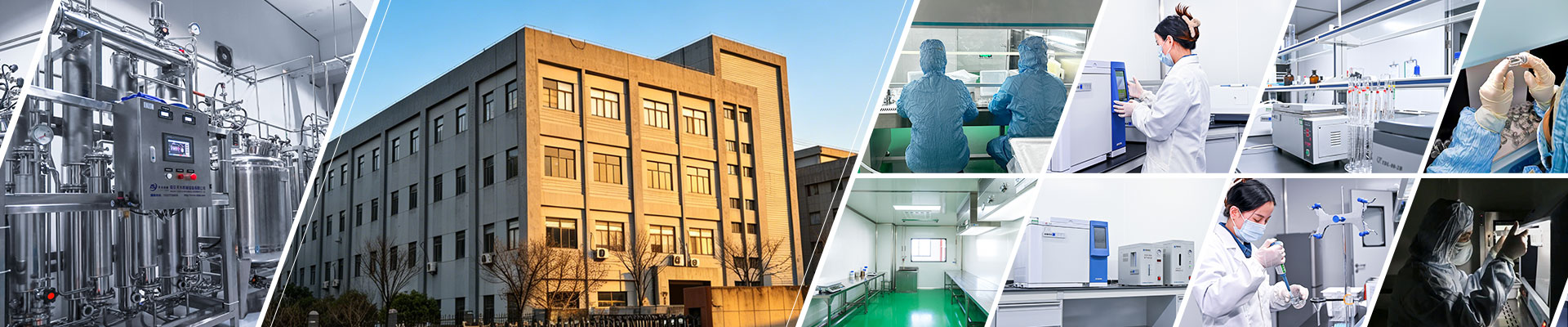
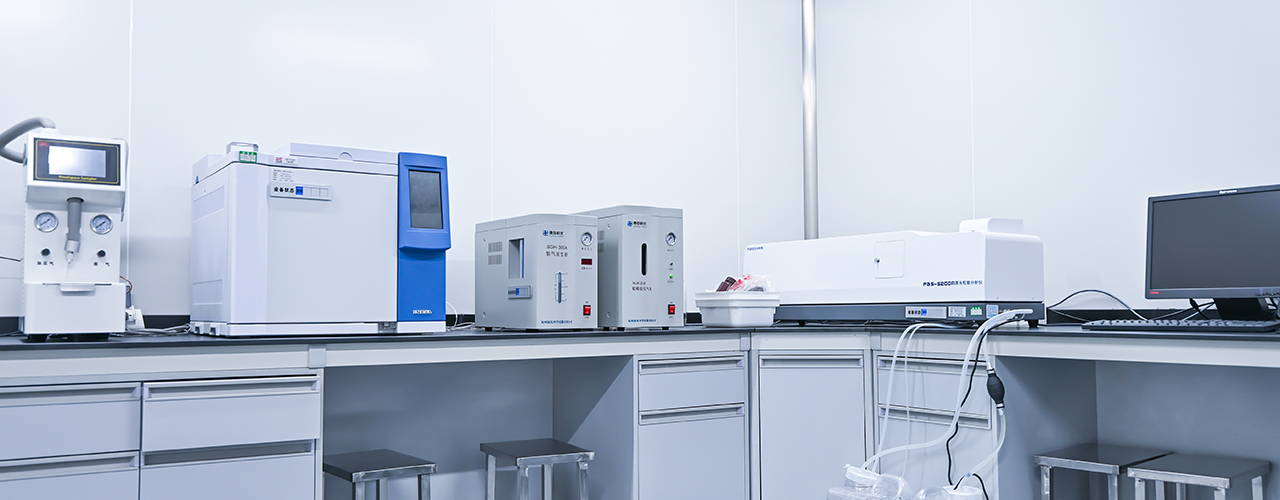
Many low-cost filler manufacturers pour identical gel into 1mL and 2mL barrels without adjusting plunger resistance or formulation, leading to 40% higher rates of post-treatment nodules and uneven results, per internal clinical data we’ve collected from partner practices. Our 4,800 square meter modern production facility features Class 100 GMP clean rooms and 3 dedicated production lines, where every batch of filler undergoes rigorous extrusion force testing, seal integrity testing, and sterility testing before release.
Recognized as one of the Top 10 Dermal Filler Manufacturers globally, our production follows ISO 13485 quality management standards and Class III medical device manufacturing specifications, with products holding EU CE certification and US FDA VCRP registration. We maintain an annual production capacity of 5 million syringes, with monthly output reaching 50,000 units, to support orders of all sizes. We offer full OEM/ODM services covering brand positioning, logo design, custom packaging, and tailored formulation and concentration adjustments, with a No MOQ Pressure policy to support emerging brands, plus volume discounts for large enterprise partners. Sample orders ship within 3–5 business days, bulk orders deliver in 15–20 days, and rush production options are available for tight timelines.
Misinformation about syringe sizes leads many practices to make poor inventory choices. We’ve rounded up the most persistent myths we hear from clinic owners and brand builders:
To date, we have delivered custom dermal filler solutions for more than 521 brands across global markets. We’ve worked with brands that launched with only 1mL syringes for precision treatments, then added 2mL options as they expanded body contouring lines, and saw total sales jump 47% in 12 months. We’ve also worked with luxury boutique brands that eliminated 2mL SKUs entirely to focus on 1mL single-use premium treatments, and saw average transaction value rise 38%. There is no universal “better” syringe size — only the size that aligns with your treatment menu, patient demographic, and brand positioning.
You don’t have to pick one syringe size exclusively. Use these actionable steps to build an inventory mix that maximizes margins and patient satisfaction:
Many practice owners and brand builders spend weeks comparing high-level product specs, only to treat syringe size as an afterthought. Run the numbers on your current product waste, procedure time, and patient feedback related to treatment transparency, and you may find that adjusting your mix of 1mL and 2mL dermal filler syringes delivers a bigger lift to your bottom line than switching to a higher-priced, better-known filler brand. The small, overlooked details of clinical supply are often where the most consistent profit hides.
Copyright @ 2026 AIMA International Group Co., Ltd.