



Welcome to visit AIMA International Group
 Spain
Spain

Your browser version is too low, in order to ensure a better browsing experience,Please click to update to a higher version browser.
Talk about it later.XWelcome to visit AIMA International Group
Spain




.jpg)
Home > News > Industry Trends > GMP Dermal Filler Factory: How to Vet a Compliant, High-Capacity Manufacturer for Your Aesthetic Brand
Industry TrendsSearching for a GMP dermal filler factory can feel like navigating a minefield for aesthetic brand owners, clinic operators, and wholesale distributors. A single wrong choice can lead to seized shipments, customer adverse reactions, lost revenue, and permanent damage to brand reputation. Take the Barcelona-based startup founder we worked with in 2023: a dermatology nurse who spent two years saving capital to launch her own mid-range hyaluronic acid filler line. She initially picked a supplier that quoted prices 30% below industry average, which claimed GMP status but could not produce valid, in-date certification or third-party raw material test reports. Her first shipment of 2,000 syringes was seized and destroyed at the Port of Valencia after EU customs inspectors found the facility did not meet ISO 13485 medical device production standards, and the raw material used was cosmetic-grade rather than medical-grade. The loss, combined with missed spring promotion season, cost her over €120,000 and nearly shut down her brand before it launched.
What actually counts as a qualified GMP dermal filler factory?
Many factory websites slap a GMP badge on their homepage without meeting the actual requirements for injectable dermal filler production. Unlike GMP standards for topical cosmetics, GMP compliance for Class III medical device-grade dermal fillers covers every link in the supply chain, from raw material intake to final delivery. Core non-negotiable standards include:
Why unvetted filler factories keep costing brands money
How many brands have lost tens of thousands of dollars because they took a factory’s GMP claim at face value? The 2023 EU Medical Device Vigilance System reported 127 notifications of non-compliant dermal fillers on the European market, 89% of which came from small, uncertified workshop-style operations passing themselves off as GMP manufacturers. Common issues include excessive BDDE crosslinker residue, microbial contamination, low HA purity, and mismatched product labeling.
A Miami-based clinic chain with 8 locations learned this the hard way back in 2022. The group worked with a small local filler contractor that lacked FDA VCRP registration and operated out of a Class 10,000 clean room. During peak wedding and vacation season, the contractor could only fulfill 60% of the clinic’s monthly order volume. Worse, one batch of filler had microbial contamination from skipped sterilization steps during rushed production, leading to localized inflammation and swelling in 17 patients. The clinic paid out nearly $80,000 in medical costs and customer settlements, and saw a 22% drop in new filler booking volume in the six months after the incident. When their quality team flew out to audit our facility the following year, they spent two full days reviewing environmental monitoring logs, raw material test reports, and sterilization process records before signing a three-year supply contract.
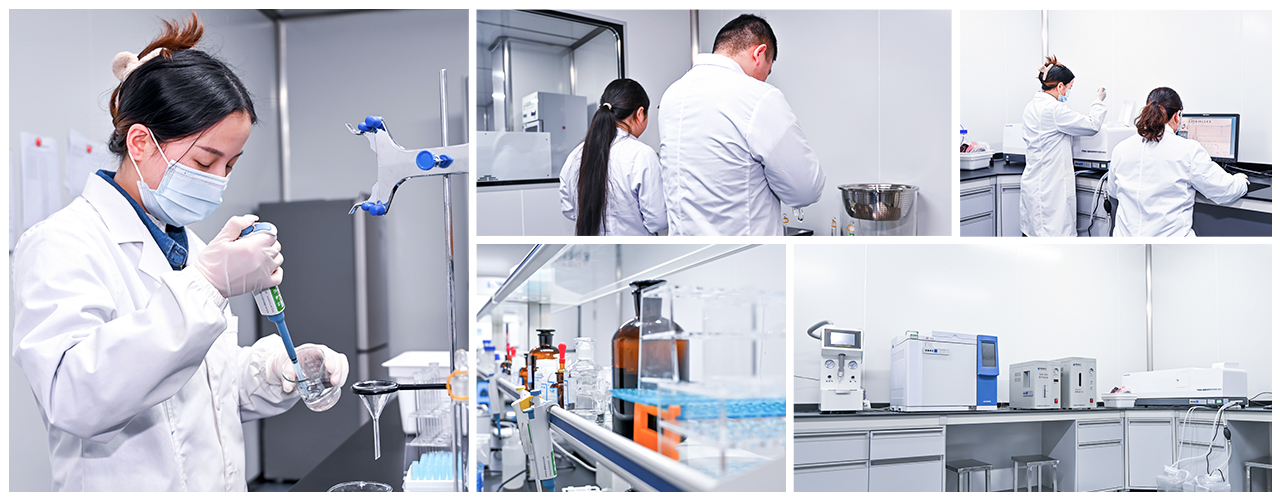
Inside AIMA’s GMP dermal filler production facility
AIMA International Group Co., Ltd. launched as a dedicated medical aesthetic product manufacturer in 2003, and has spent two decades building out a GMP-compliant production system tailored for injectable dermal fillers. Our 4,800 square meter modern production base houses Class 100 GMP clean rooms and three dedicated production lines, with an annual output of 5 million syringes and monthly production capacity of 50,000 units.
Our production team holds core patents for two industry-leading filler production technologies: NASHA (Non-Animal Stabilized Hyaluronic Acid) and HICE (High Concentration & Uniform Crosslinking Efficiency). NASHA technology produces a smooth, cohesive HA gel with balanced elasticity and lift, ideal for superficial to mid-dermis injection with low migration risk and 6-12 month duration. HICE technology creates a firmer, high-lift gel for deep subcutaneous contouring, with minimal post-injection swelling and strong tissue integration. We source only high-purity medical-grade non-animal derived HA, priced at $45,000 per kilogram, from suppliers that hold full CE GMP certification. Every raw material batch undergoes independent SGS testing before it enters our production floor, to confirm BDDE residue levels stay below 0.001% — half the maximum limit set by EU medical device regulations. Our in-house R&D lab maintains over 1,000 mature filler formulations, covering every indication from fine line correction to deep volume replacement.
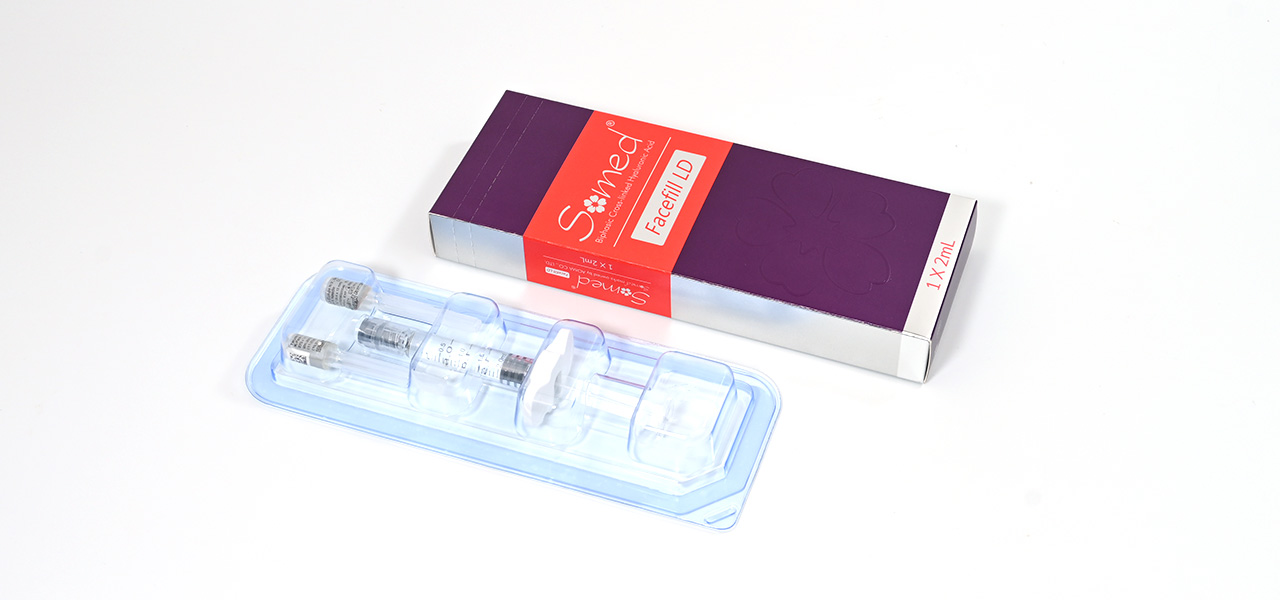
Every batch of filler goes through 17 separate quality checks before leaving the facility, including crosslinker residue testing, microbial limit testing, gel cohesivity and elasticity measurement, pH balance testing, and syringe seal integrity testing. Any batch that fails even one check is fully destroyed, with no exceptions. One of our longest-running core dermal filler products is Facefill Lidocaine, formulated for mid-face volume restoration, nasolabial fold correction, and temple contouring. The formula includes 0.3% lidocaine to reduce injection discomfort for patients, and uses our NASHA technology to create a smooth gel with consistent extrusion force, making it easy for injectors to work with. Post-injection swelling is minimal, with most patients returning to regular activities within 24 hours, and results last 8-10 months for most users.
OEM/ODM support built for brands at every stage
Many large GMP dermal filler factories lock new brands out with inflexible five- or six-figure minimum order quantities, forcing startup founders to tie up all their capital in inventory they may not be able to sell. We designed our OEM/ODM program to work with partners at every growth stage, with a No MOQ Pressure policy for emerging brands, and tiered bulk discounts for large distributors and clinic chains.
Our full-service support covers every step of launching a filler line: brand positioning guidance, custom logo design, bespoke packaging options, and fully customizable formula adjustments for HA concentration, crosslink density, lidocaine content, and gel texture. A Canadian Instagram-native beauty brand we partnered with in 2022 launched with an initial order of just 100 syringes, spread across three different filler formulations. Our team helped them design a soft pastel packaging line, and adjusted one formula to a lower crosslink density ideal for superficial tear trough injection, a gap they identified in their local market. By 2024, their annual order volume with us hit 120,000 syringes, with distribution across 120 clinics in Canada and the northern US.
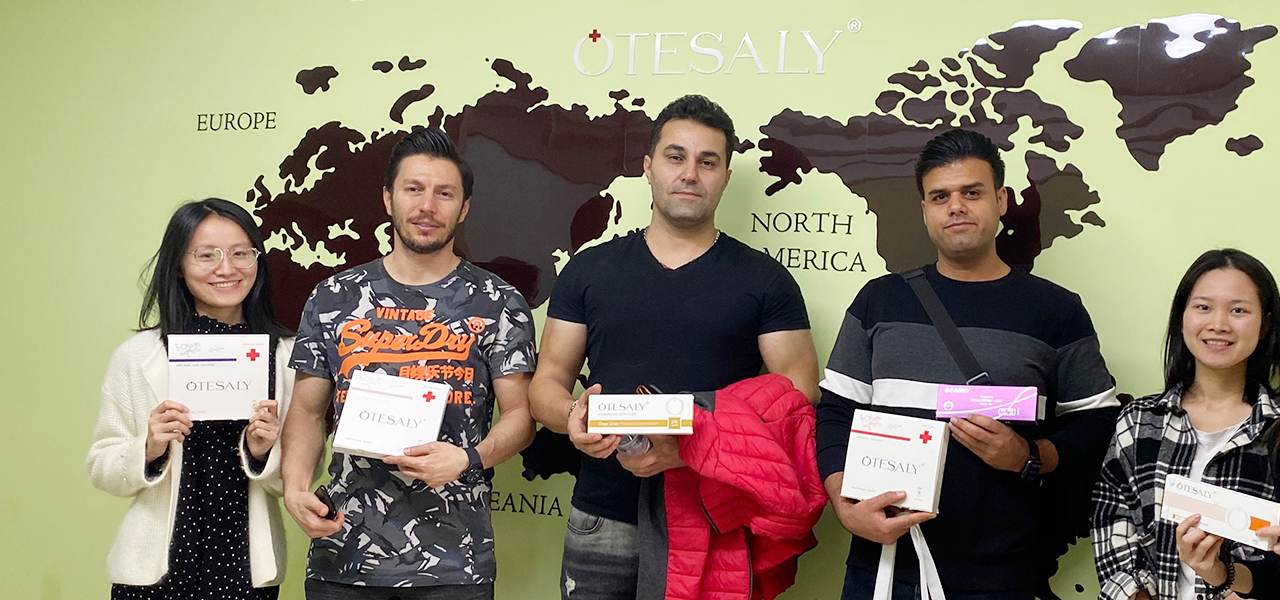
Lead times are fully transparent for all partners: sample orders ship within 3-5 working days, standard bulk orders deliver within 15-20 days, and an expedited production option is available for partners rushing to stock for events or peak season. As of 2024, we have delivered custom filler manufacturing solutions for over 521 brands across 47 countries, earning our place as a recipient of the industry’s “Top 10 Dermal Filler Manufacturers” award.
Compliance and after-sales support that eliminates supply chain risk
We do not claim to offer the cheapest dermal fillers on the market. The cost of medical-grade raw materials, Class 100 clean room maintenance, 17-step quality testing, and third-party audits means our unit prices sit at the mid-range of the market. Our product defect rate sits at 0.02%, well below the industry average of 0.3%, which translates to far lower costs for partners over time — no seized shipments, no customer injury claims, no brand reputation damage from low-quality product.
All production follows ISO 13485 quality management standards and Class III medical device manufacturing specifications. Our products hold verifiable EU CE certification and US FDA VCRP registration, and every shipment comes with a full set of compliance documents: batch-specific certificates of analysis, SGS test reports, raw material traceability records, and certification copies for customs and market regulatory checks. Our dedicated compliance team responds to all documentation requests within 24 hours, so partners never face delayed clearance or regulatory fines due to missing paperwork. For medical aesthetics wholesale partners, we also offer dedicated account management, flexible restocking schedules, and co-branded marketing materials to support local sales efforts. After delivery, our technical support team provides partners with full product training materials, injection guidance for clinical teams, and adverse response management protocols to support safe, effective product use.
Any factory can print “GMP certified” on its website. It takes 20 years of consistent investment in production facilities, R&D, quality control, and customer support to actually deliver dermal fillers that clinics can trust, and brands can build their reputation on. If you are vetting suppliers for your next filler line, you can reach out to our team to request full certification documents, product samples, or a virtual or in-person factory audit at any time.

Copyright @ 2026 AIMA International Group Co., Ltd.


