



Welcome to visit AIMA International Group
 Spain
Spain

Your browser version is too low, in order to ensure a better browsing experience,Please click to update to a higher version browser.
Talk about it later.XWelcome to visit AIMA International Group
Spain




.jpg)
Home > News > Industry Trends > FDA Dermal Filler Regulatory Overview: Compliance Standards, Market Entry Rules, and Trusted Supply Chain Solutions
Industry TrendsFor brands, clinic chains, and distributors entering the U.S. dermal filler market, misinterpreting FDA rules can lead to seized shipments, warning letters, permanent market bans, and irreversible brand damage. In 2023, a Texas-based startup aesthetics brand reached out to our team after a costly misstep: they sourced 12,000 syringes of hyaluronic acid filler from a small unvetted manufacturer, registered the product only under the FDA Voluntary Cosmetic Registration Program (VCRP), and assumed that was enough to clear customs. When their shipment arrived at the Port of Los Angeles, FDA field agents classified the product as an unapproved Class III medical device, seized the entire $210,000 inventory, and issued a formal warning letter that delayed their launch by 7 months, costing them $780,000 in pre-booked medspa partnerships.
How FDA Classifies Dermal Fillers: Clearing Up Common Industry Misconceptions
Many new market entrants operate under the false assumption that all injectable aesthetic products fall under cosmetic jurisdiction. The FDA draws a clear line between product categories based on intended use, ingredient profile, and depth of injection:
A Southern California medspa chain learned this distinction the hard way in 2022. They launched a private label hyaluronic acid filler line through a supplier that cut corners on manufacturing standards, skipping required biocompatibility testing and using non-medical grade HA raw material. During a routine FDA inspection of their clinic locations, testers found elevated endotoxin levels in three batches of the filler. The chain was fined $125,000, forced to issue a full product recall, and saw a 32% drop in repeat dermal filler clients in the 6 months following the incident.
Core FDA Regulatory Requirements for Dermal Filler Market Entry
Navigating FDA rules does not stop at product classification. Brands and their manufacturing partners must meet a non-negotiable set of standards across the entire product lifecycle to stay compliant:
Meeting these requirements demands a manufacturing partner with deep experience in global medical aesthetics regulation, not just a low-cost contract packager. AIMA International Group Co., Ltd., a 2003-founded dermal filler manufacturer recognized as one of the top 10 dermal filler makers globally, has built its production system around FDA and global regulatory alignment from the ground up. The company operates a 4,800 square meter modern production base with Class 100 GMP clean rooms and 3 dedicated production lines, designed to meet both ISO 13485 standards and Class III medical device manufacturing specifications.

Unlike many generic filler manufacturers that source low-grade HA raw material from unvetted suppliers, AIMA uses medical-grade non-animal derived hyaluronic acid valued at $45,000 per kilogram, sourced exclusively from CE GMP-certified suppliers. Every batch of raw material undergoes third-party testing by SGS to verify purity, cross-linking consistency, and absence of contaminants before entering production. The company holds core intellectual property for NASHA and HICE cross-linking technologies, with a library of over 1,000 mature, clinically tested formulations that can be adapted to meet U.S. market regulatory requirements. Many brands mistakenly believe that a VCRP registration equals FDA approval for their dermal filler products. This is not the case. The VCRP is a voluntary registration program for cosmetic products only, and registration does not convey FDA endorsement, nor does it satisfy requirements for injectable medical devices. AIMA maintains VCRP registration for its topical and cosmetic-grade aesthetic lines available through supplierfiller.com, while its medical-grade dermal filler portfolio is supported by full technical dossiers that meet the documentation requirements for 510(k) and PMA submissions, so clients can select the right registration pathway based on their product’s intended use. The company also holds EU CE certification for its medical device filler portfolio, with a dedicated regulatory team that supports clients through 510(k) and PMA application processes for the U.S. market.
AIMA’s production capacity supports partners of all sizes, with an annual output of up to 5 million syringes and monthly capacity of 50,000 syringes. Its OEM/ODM services cover the full brand development process, from brand positioning, logo design, and custom packaging to tailored formulation adjustments for HA concentration, cross-linking level, and added active ingredients. The company operates with a No MOQ Pressure model to support emerging brands testing the U.S. market, while offering tiered volume discounts for large distributors and national clinic chains. Sample orders ship within 3-5 business days, bulk orders are delivered in 15-20 days, and expedited production options are available for time-sensitive launch windows.
Selecting Compliant Dermal Filler Products for the U.S. Market
For brands looking to build a dermal filler line that aligns with FDA regulatory expectations, formulation choice is the first high-impact decision. Take Facefill Lidocaine, one of AIMA’s core dermal filler formulations designed for mid-to-deep dermal injection to correct nasolabial folds, restore cheek volume, and smooth moderate facial wrinkles.
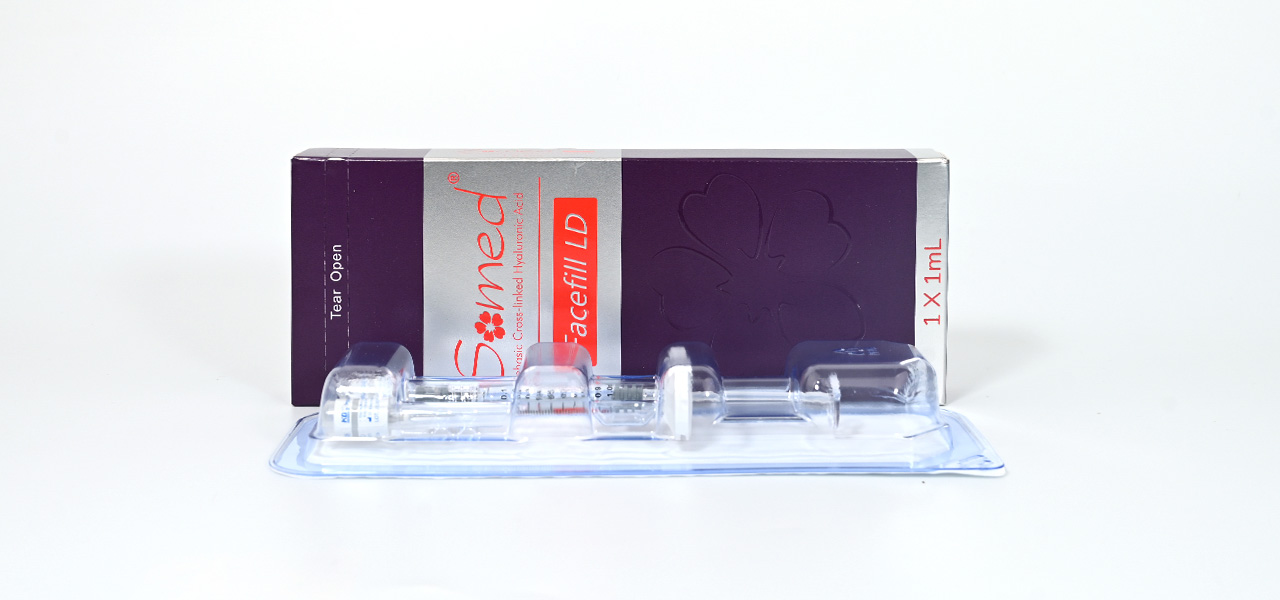
The formulation uses 24mg/ml cross-linked non-animal hyaluronic acid, with 0.3% lidocaine to reduce patient discomfort during injection. Every batch is tested for endotoxin levels, HA purity, cross-linking agent residual, and syringe sterility before release, with full traceability documentation that can be submitted to the FDA during registration or inspection. The formulation’s safety profile is supported by 8 years of clinical use across 47 countries, with an adverse event rate of less than 0.02% – well below the FDA’s threshold for acceptable dermal filler risk. To date, AIMA has delivered custom dermal filler solutions for over 521 brands across North America, Europe, the Middle East, and Asia Pacific, ranging from small independent medspa private labels to global multinational aesthetics brands.
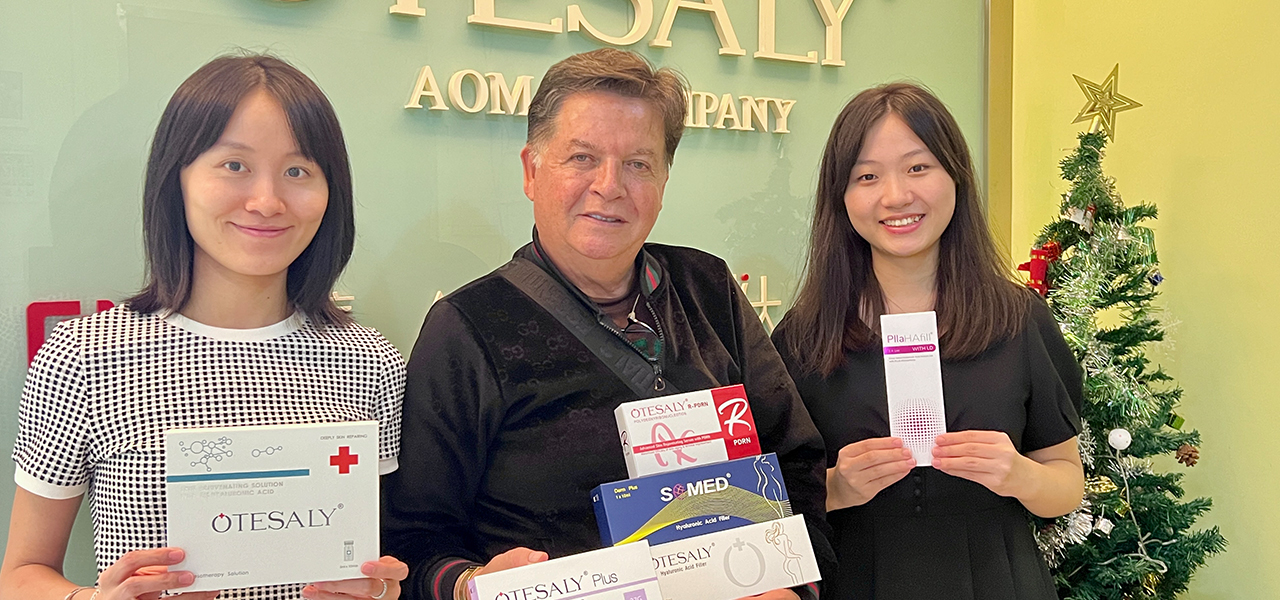
As a leading medical aesthetics wholesale supplier listed on supplierfiller.com, AIMA does not treat order delivery as the end of a client relationship. The dedicated wholesale support team provides 12 months of after-sales support for every order, including assistance with customs clearance documentation, adverse event response guidance, and real-time regulatory updates when FDA revises dermal filler rules. All orders come with accessible, audit-ready compliance files that can be presented to FDA inspectors, customs agents, or clinic partners on demand.
Common FDA Enforcement Triggers Dermal Filler Brands Must Avoid
Even with a compliant manufacturer, brands can run afoul of FDA rules by cutting corners on post-production processes. Data from FDA’s 2023 enforcement reports shows that 68% of dermal filler warning letters sent to brands and suppliers stem from three avoidable issues:
For brands that take the time to align with FDA rules, the U.S. dermal filler market offers significant long-term opportunity. Grand View Research data puts the 2024 U.S. dermal filler market size at $1.8 billion, with a projected 8.7% annual growth rate through 2030, driven by rising demand for minimally invasive aesthetic procedures across all age demographics. The brands that capture long-term market share are not the ones that cut corners on regulation to get to market fast – they are the ones that build trust with providers and patients by prioritizing safety, documentation, and full compliance from day one. When working with AIMA as a manufacturing partner, brands get more than just finished filler products. The company assigns a dedicated regulatory account manager to every U.S.-bound client, who conducts a full review of product labeling, intended use claims, and registration pathways before production begins. If an FDA inspector requests documentation for a product, AIMA’s team provides full support to compile and submit required files within 48 hours, eliminating the last-minute scrambling that trips up so many new brands. The company also offers product liability insurance coverage for all compliant orders, adding an extra layer of protection for brands building their presence in the competitive U.S. aesthetics market.

Copyright @ 2026 AIMA International Group Co., Ltd.


