



Welcome to visit AIMA International Group
 Spain
Spain

Your browser version is too low, in order to ensure a better browsing experience,Please click to update to a higher version browser.
Talk about it later.XWelcome to visit AIMA International Group
Spain




.jpg)
Home > News > Industry Trends > Dermal Filler Batch Traceability: A Complete Guide for Distributors, Clinics, and Aesthetic Providers
Industry TrendsHave you ever stopped to consider what happens if a dermal filler triggers an unexpected adverse patient reaction, and you cannot track which production batch it came from, who supplied its raw materials, or what quality checks it passed before landing in your clinic stockroom?
In 2023, a small aesthetic clinic in Madrid, Spain, faced €127,000 in patient compensation claims and a 6-month operating license suspension after 11 clients developed persistent, tender granulomas 4-6 weeks after mid-face cheek filler injections. The clinic owner had purchased unbranded filler stock from an unvetted social media reseller to cut upfront costs by 35%, and none of the syringes carried permanent batch numbers or scannable traceability codes. When local Spanish Agency of Medicines and Medical Devices (AEMPS) inspectors launched an investigation, there was no way to trace the product back to a verified manufacturer, confirm raw material purity, or even verify if the gel inside the syringes was medical-grade hyaluronic acid or an unapproved industrial alternative. The clinic had no documentation to prove it had sourced legitimate product, and was found fully liable for all patient harms.
Batch traceability for dermal fillers refers to the systematic, permanently documented ability to track every single unit of product through every stage of the supply chain—backward from an end patient to raw material sourcing, and forward from production floor to final delivery. For Class III medical devices, the official risk classification for dermal fillers across the EU, U.S., Southeast Asia, and most major global markets, traceability is not an optional bonus feature. It is a binding legal requirement.
ISO 13485, the global gold standard for medical device quality management, mandates that all dermal filler manufacturers assign unique batch identifiers to every production run, with associated records retained for the full product shelf life plus an additional 2 years. A fully compliant traceability system must track data across five core checkpoints:
A mid-sized dermal filler distributor based in Miami, Florida, faced an equally costly outcome in 2022 for skipping these traceability checks. The company imported 12,000 syringes of deeply discounted HA filler from an overseas supplier that provided altered CE documentation, and none of the products carried valid, manufacturer-linked batch traceability codes. When U.S. FDA inspectors conducted a routine audit of the distributor’s warehouse, they seized the entire $192,000 inventory, issued a $42,000 fine for distributing unregistered Class III medical devices, and the company lost three of its largest long-term clinic clients—who made up 62% of its annual recurring revenue—over concerns about supply chain safety and compliance gaps.
A 2024 report from the International Association for Medical Aesthetics found that 68% of counterfeit dermal fillers seized globally carried no valid batch traceability markers, and 41% of reported adverse events linked to dermal fillers could not be traced back to a verified manufacturer. Many suppliers market their products as “traceable,” but their systems only track finished goods from their own warehouse outward, with no link to raw material sources or production quality data. Others rely on easily forged paper logs or sticker labels that can be removed and swapped by counterfeiters, rendering the entire system useless during an audit or safety investigation.
As one of the Top 10 Dermal Filler Manufacturers globally—an industry honor awarded for consistent quality and compliance over two decades of operation—AIMA International Group Co., Ltd. has built its batch traceability system iteratively since its founding in 2003. The company operates a 4,800 square meter GMP Class 100 cleanroom production facility, with 3 dedicated production lines for dermal fillers and related aesthetic products, reaching an annual output of 5 million units and monthly production capacity of 50,000 units to support both small custom private label orders and large bulk wholesale needs.
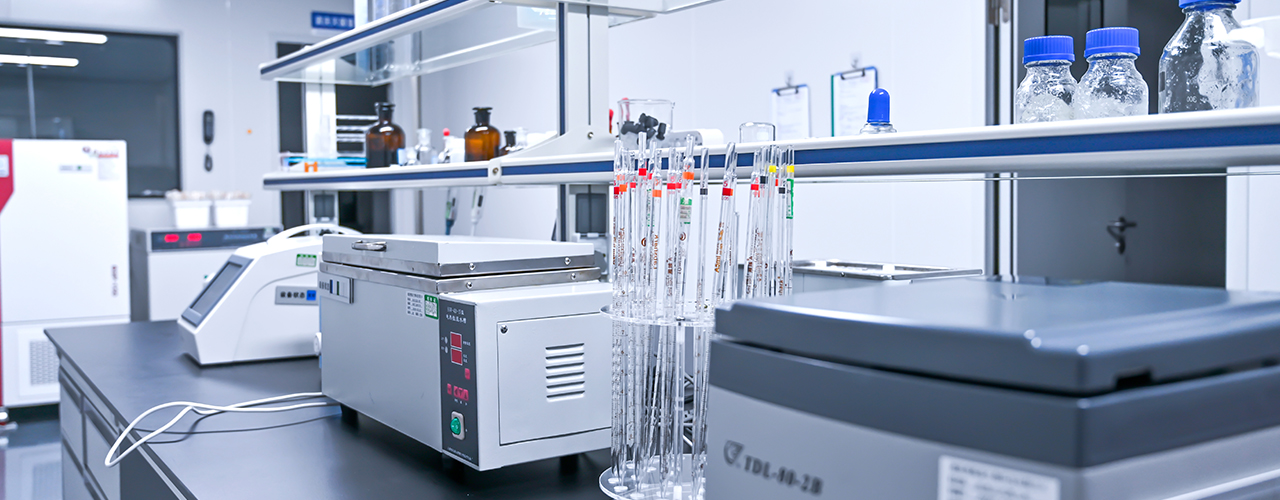
Every production run at the facility is assigned a unique, scannable batch code that is laser-etched onto every individual syringe, printed permanently on outer product boxes, and marked on every shipping carton. Unlike easily altered sticker labels, laser-etched codes cannot be removed, tampered with, or swapped by counterfeiters. Each code links to a cloud-based record accessible to authorized distributors and clinic partners 24/7, with no paywalls or access request delays. Scanning the code pulls up full, batch-specific documentation, including:
This end-to-end traceability system applies to every product listed on supplierfiller.com, including one of its most in-demand formulations for mid-to-deep dermal facial contouring and wrinkle correction: Facefill Lidocaine.
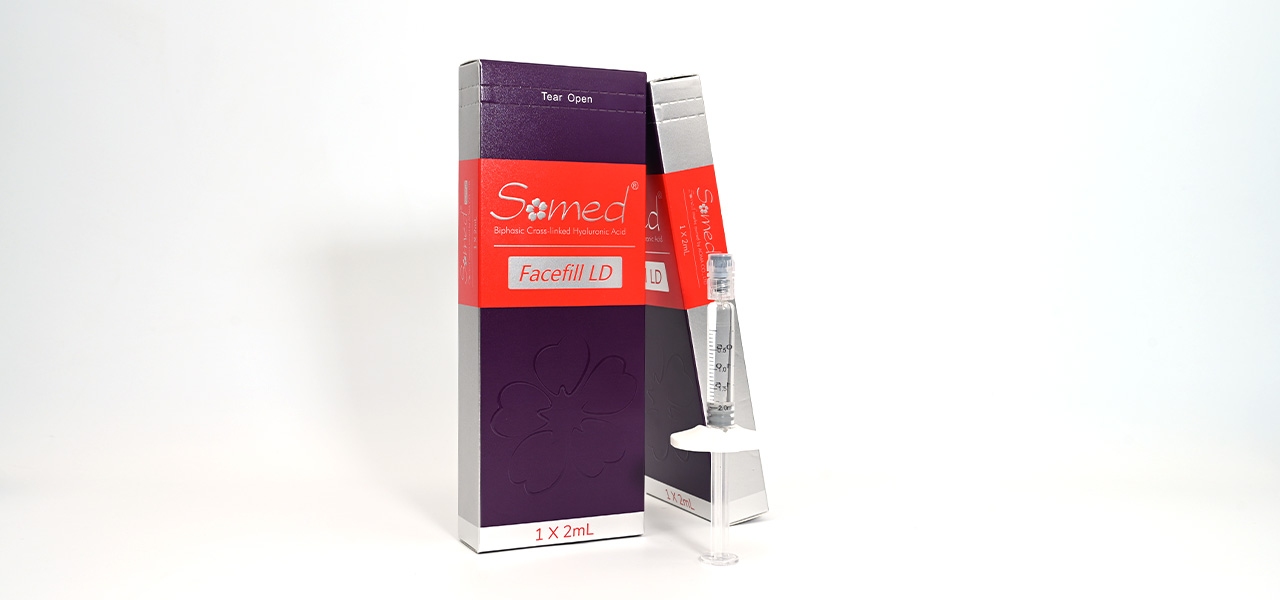
Each syringe of Facefill Lidocaine carries a unique laser-etched batch code that tracks back to the exact hyaluronic acid raw material lot used, lidocaine purity test results, and final QC sign-off for that specific production run. For distributors and clinics, this means if a patient reports an unexpected reaction, teams can pull the full batch record in under 60 seconds, rule out manufacturing-related causes quickly, and coordinate targeted action if a recall is ever required—no broad, costly product pulls that disrupt business and erode client trust. If a batch-related issue ever arises, the AIMA team notifies every partner that received units from the affected batch within 24 hours, with clear guidance for returns, replacements, and patient communication, eliminating the chaos of uncoordinated, broad product recalls that damage brand reputation.
For distributors working with Medical Aesthetics Wholesale channels, full batch traceability cuts down regulatory risk dramatically. When customs agents or local health authorities request product documentation, teams can pull batch-specific records instantly, rather than facing shipment seizures, fines, or delayed clearance that throws off restock timelines. Scannable batch codes also make it easy to identify counterfeit units that enter the supply chain, so distributors never accidentally pass fake, untested product to their clinic clients.
For clinic owners and licensed injectors, traceability removes the uncertainty of product sourcing. Teams can show patients the batch record for the exact syringe being used during treatment, which builds far more trust than generic claims of “safe, authentic product.” If a patient experiences common, expected post-injection side effects like mild swelling or bruising, teams can cross-reference the batch record to rule out contamination or formulation errors, rather than facing liability for a product they cannot verify.
For patients, traceability acts as a non-negotiable safety guardrail. It confirms the product being injected into their face or body meets global medical safety standards, and provides a clear path for accountability if an issue does arise, rather than leaving patients with no recourse after a preventable adverse outcome.
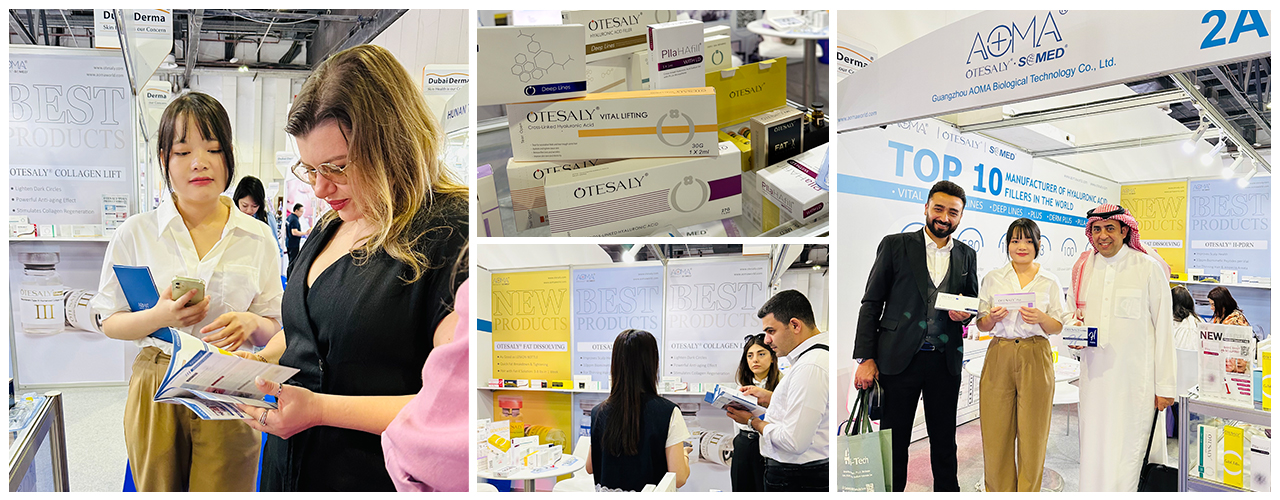
AIMA’s traceability system has been tested and validated by partners across 60+ countries, from independent injectors launching their first private label filler brand to large multinational aesthetic distribution networks. The team regularly showcases its traceability tools and quality control processes at global industry trade shows, where attendees can scan physical product batch codes on site to pull up full compliance documentation in real time.
Plenty of suppliers use the phrase “batch traceability” in marketing copy, but their systems fail to hold up during audits or safety events. When evaluating potential manufacturing or wholesale partners, ask these specific questions to avoid the costly outcomes outlined in the earlier case studies:
For partners working with AIMA via supplierfiller.com, full batch traceability is included with every order, no matter the order size. The company offers flexible partnership terms with no MOQ pressure for new and emerging brands, plus tiered bulk discount pricing for large-scale distributors. Sample orders ship in 3-5 business days, with bulk orders delivered in 15-20 days, and expedited shipping options available for urgent restocks. Every order comes with full batch-specific compliance documentation, so partners never have to scramble to gather paperwork for regulatory audits. The in-house R&D team, which has developed over 1000 mature aesthetic formulations, also supports OEM/ODM partners with end-to-end services from brand positioning, logo design, and custom packaging to tailored formulation adjustments and concentration tweaks. For private label partners, the team can even build custom-branded scannable batch code portals, so clinic and brand owners can direct their own patients to traceability pages hosted on their own brand websites.
It is easy to treat batch traceability as a back-office administrative checkbox, especially when comparing product pricing across suppliers. But the real-world cases from Madrid and Miami make the math clear: the cost of cutting corners on traceability is exponentially higher than the small premium you might pay for a supplier with a robust, verified tracking system. For a clinic, that cost can be your professional license, your local reputation, and financial ruin from patient liability claims. For a distributor, it can be seized inventory, regulatory fines, and the loss of long-term client trust built over years.
When you scan a laser-etched batch code on a dermal filler syringe and pull up a full, unbroken record of every step that product took from raw material testing to your shelf, you are not just checking a compliance box. You are giving your clients, your business, and yourself the peace of mind that comes with knowing every product you use or sell meets the highest global safety standards for medical aesthetic care.

Copyright @ 2026 AIMA International Group Co., Ltd.


