
Welcome to visit AIMA International Group
 Spain
Spain

Your browser version is too low, in order to ensure a better browsing experience,Please click to update to a higher version browser.
Talk about it later.XWelcome to visit AIMA International Group
Spain


.jpg)
Home > News > Industry Trends > Dermal Fillers with Lidocaine: Elevating Patient Comfort Without Compromising Aesthetic Outcomes
Industry TrendsHave you ever sat across from a first-time filler patient who grips the exam table armrests so tight their knuckles turn white, recounting a past injection where the sting was so sharp they walked out mid-procedure? You are not alone. 2023 data from the Global Aesthetics Survey shows 62% of first-time dermal filler patients list injection pain as their top reason for hesitating to book treatment—8 points higher than fear of unnatural results. That ouch factor doesn’t just cause momentary discomfort. It cuts into booking rates, tanks review scores, and pushes clients to seek out providers who prioritize a smoother, less painful experience.
Take Clinica Dermia, a small community medspa in Madrid, Spain. Back in 2022, the clinic relied on standard lidocaine-free hyaluronic acid fillers for all facial injection treatments. Their operational lead shared hard numbers during our first check-in: 2 out of every 10 booked filler patients canceled last minute, citing fear of needle pain. During procedures, 3 in 10 patients asked the injector to pause mid-injection from stinging or deep tissue pressure. Post-treatment surveys showed 24% of clients said pain levels exceeded their expectations, and they would consider other clinics for future treatments. That year, their 6-month filler repeat rate hit only 29%—17 points below the local average for similar practices.
A second example comes from GlowAesthetix, a startup DTC aesthetic brand based in Portland, Oregon. When the brand first launched in 2021, they sourced lidocaine-infused lip filler from a small, unvetted contract manufacturer to cut costs. Within three months of launch, they received four formal consumer complaints. Two patients reported zero numbing effect during injection, with pain so severe they broke skin gripping the disposable bed liners. Two other patients experienced full upper lip numbness that lasted more than 8 hours post-treatment, leading to difficulty drinking and speaking. One patient posted a TikTok recounting the experience that racked up 120,000 views, and the brand faced a preliminary inquiry from the Oregon Medical Board over product safety claims. The incident nearly shut the brand down before it found its footing.
For years, practices relied on topical numbing cream to reduce injection pain. The method comes with clear flaws. Patients have to wait 30 to 40 minutes for the cream to take effect, eating into appointment slot time. Many patients develop allergic reactions to the cream, presenting with redness, swelling, or a burning sensation around the treatment area. Most notably, topical cream only numbs the outermost layer of skin. It does nothing to block the deep, aching pressure that comes as gel is pushed into the dermis or supraperiosteal layer, which is where most deep filler placements happen.
Dermal fillers formulated with lidocaine solve many of these gaps. The standard clinical formulation uses 0.3% lidocaine HCl, a fast-acting local anesthetic, evenly distributed throughout the HA gel matrix. As the gel is injected, lidocaine comes into contact with local nerve endings, taking effect in as little as 30 seconds. It blocks both the sharp sting of the needle piercing the skin and the dull pressure of gel spreading under the tissue. The catch? This level of consistent comfort only happens when the lidocaine is evenly integrated into the gel, not haphazardly mixed in during final packaging.
Many low-cost lidocaine fillers on the market use simple post-production mechanical mixing to blend lidocaine into HA gel. Within three months of storage, the lidocaine separates from the gel matrix. The first few doses from a syringe may contain lidocaine levels high enough to cause hours of unwanted numbness, while the last few doses contain no lidocaine at all. These are the products that lead to the kinds of complaints GlowAesthetix faced in its early days.
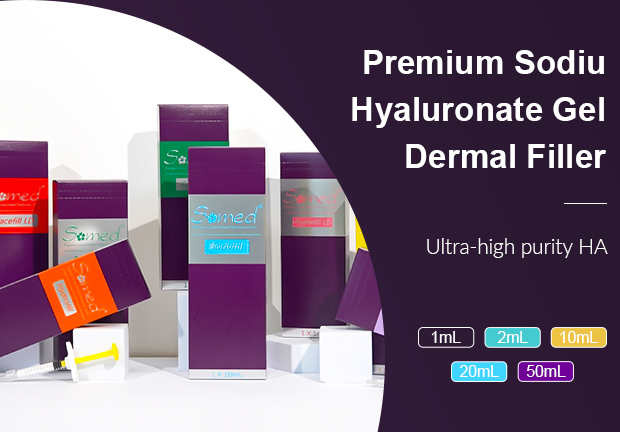
That gap in quality is what led the R&D team at AIMA International Group Co., Ltd. to develop Facefill Lidocaine, our flagship line of facial dermal fillers built from the ground up to prioritize patient comfort without sacrificing aesthetic results.
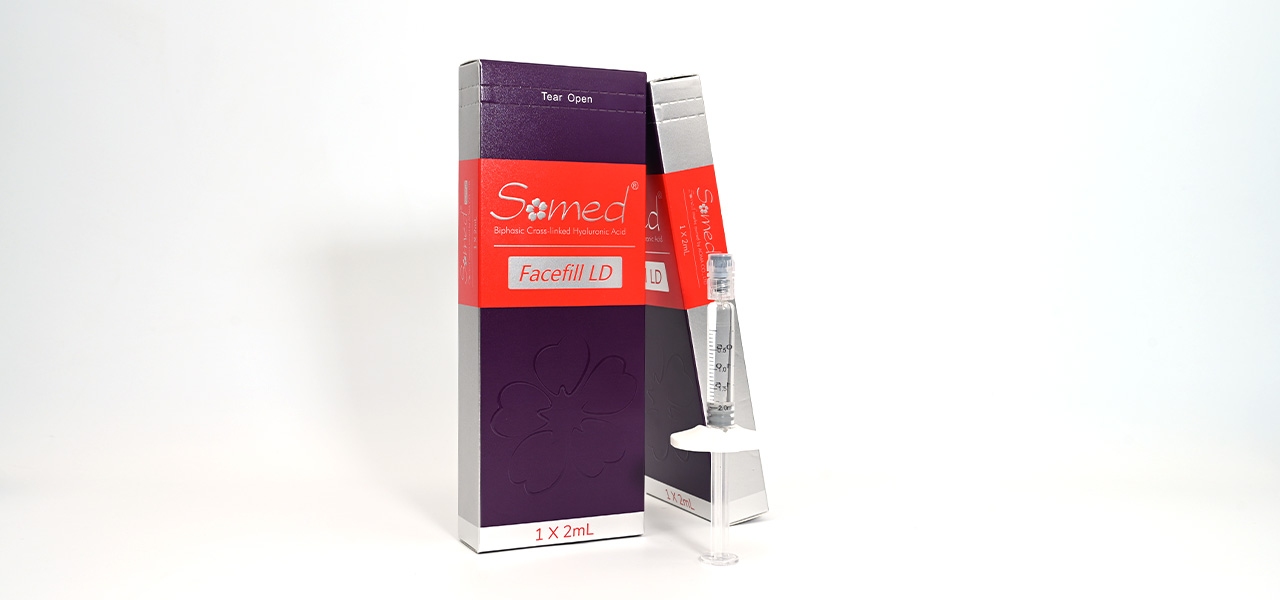
The line relies on two core patented technologies to deliver consistent, low-pain injections. The first is NASHA, or Non-Animal Stabilized Hyaluronic Acid technology, which creates uniformly sized HA gel particles with cross-linking levels calibrated between 12% and 18% depending on the treatment depth. The uniform particle size cuts extrusion force by 27% compared to the industry average, meaning injectors do not have to apply excess pressure to push gel through the needle, which is a major cause of deep tissue pain during injection. We source high-purity, medical-grade non-animal sourced HA for all our filler lines, at a raw material cost of 45,000 USD per kilogram. All raw material suppliers hold CE GMP certification, and every batch undergoes regular third-party testing via SGS to eliminate residual animal proteins or impurities that can trigger post-injection inflammation and extended soreness.
The second core technology is HICE, or Homogeneous Ingredient Co-encapsulation. Instead of mixing lidocaine into finished HA gel, our production team binds lidocaine molecules directly to HA chains during the cross-linking phase. This process ensures lidocaine concentration stays consistent to within ±0.01% per 0.1ml of gel, with zero separation over the product’s full shelf life. The formulation delivers numbing relief 30 seconds after injection, with effects lasting 18 to 22 minutes—exactly matching the average length of a full facial filler appointment. Numbness fully resolves within 60 minutes post-treatment, so patients can return to work, meals, or social plans without the awkward, long-lasting facial numbness common with poorly mixed lidocaine fillers. The Facefill Lidocaine line includes three SKUs tailored to different treatment areas: Fine for superficial lines like perioral wrinkles, Derm for mid-dermis folds like nasolabial lines, and Deep for deep volumization in the cheeks or jawline.
The global dermal filler market is crowded with options, and wholesale prices for lidocaine-infused fillers can vary by as much as 10x between suppliers. For new brands and practice owners sorting through options, it is easy to default to the lowest per-unit cost. That choice often comes with hidden costs: product recalls, patient complaints, compliance fines, and permanent damage to brand reputation.
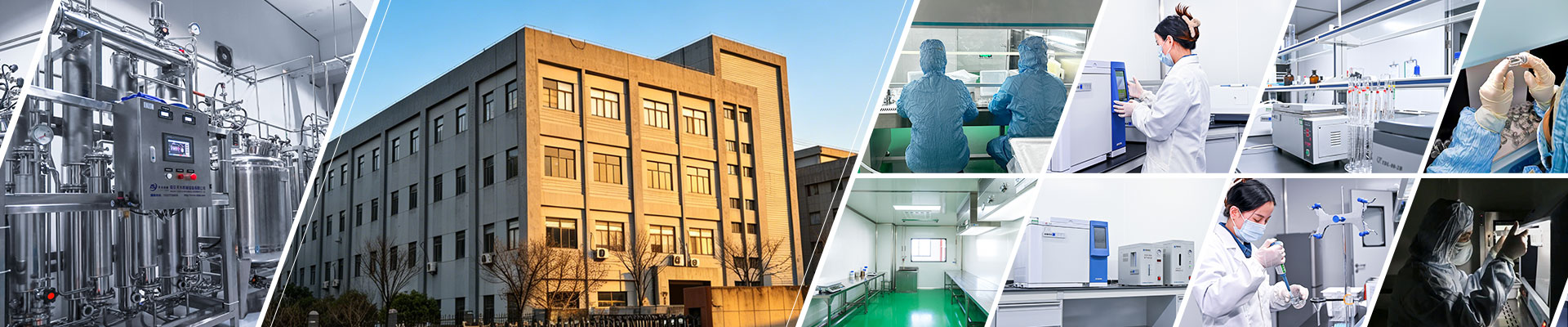
AIMA has operated as a dedicated medical aesthetics manufacturer since 2003, earning a spot among the global Top 10 Dermal Filler Manufacturers for our consistent quality and partner support. Our production campus spans 4,800 square meters, with Class 100 GMP clean rooms and three dedicated production lines built to Class III medical device manufacturing standards.
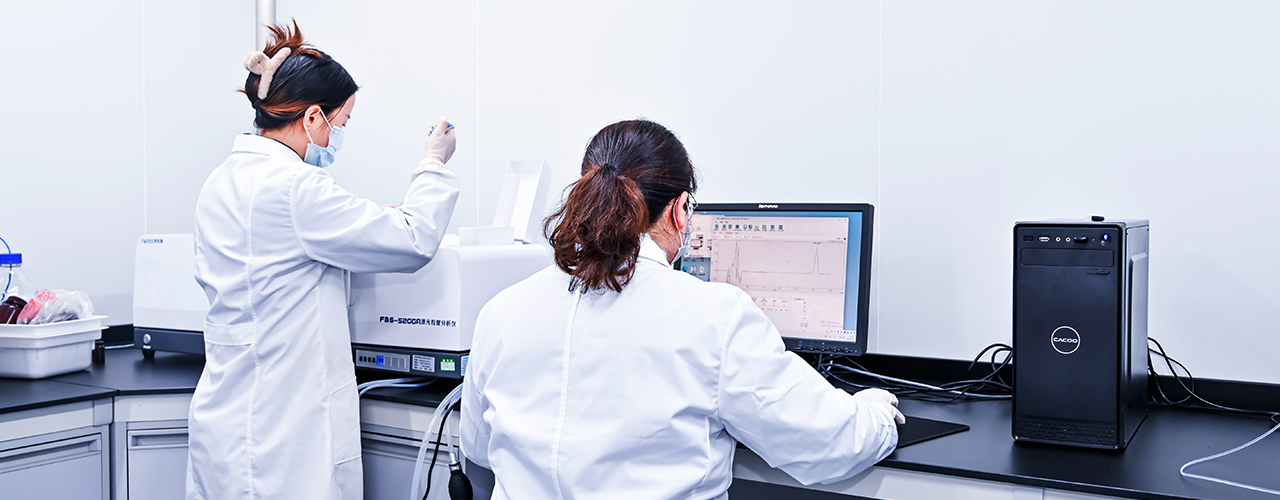
Our production capacity hits 5 million units annually, with a monthly output of 50,000 units to support partners of all sizes. We structure our partnership model to remove barriers for new and growing brands, with no MOQ pressure for emerging labels testing product-market fit. For large enterprise clients and national chains, we offer tiered bulk discounts to support large-scale rollouts. Lead times are built to match fast-moving aesthetic market demands: sample orders ship in 3 to 5 business days, bulk orders deliver in 15 to 20 days, and rush production options are available for time-sensitive launches. Our OEM/ODM support covers the full brand building process, from initial brand positioning, logo design, and custom packaging, to tailored formulation adjustments for specific HA concentrations, cross-linking levels, or ingredient additions. Our in-house R&D team holds over 1,000 mature, market-tested formulations to cut down product development timelines for partners.
Compliance sits at the core of every production run. Our full quality management system is certified to ISO 13485 standards. All dermal filler products hold EU CE certification and are registered with the U.S. FDA Voluntary Cosmetic Registration Program. Every batch shipped to partners comes with a full certificate of analysis, and we welcome third-party testing from SGS or other independent labs for full transparency. As a longstanding medical aesthetics wholesale supplier, we provide all partners with full compliance documentation for local market registration, plus access to our clinical support team 24/7 to answer questions about injection technique, adverse event management, or patient education materials. We do not disappear once an order ships.
The two partners we mentioned earlier made the switch to Facefill Lidocaine, and the results spoke for themselves. After switching to the line in late 2022, Clinica Dermia eliminated the 40-minute wait for topical numbing cream, cutting average appointment length by 35%. The clinic went from fitting 8 filler patients per day to 11, without adding extra provider hours. Last-minute cancellations tied to pain fear dropped from 20% to 4%. Post-treatment reviews mentioning pain fell from 24% to 3%. Six months after the switch, their filler repeat rate climbed to 58%—well above the local average.
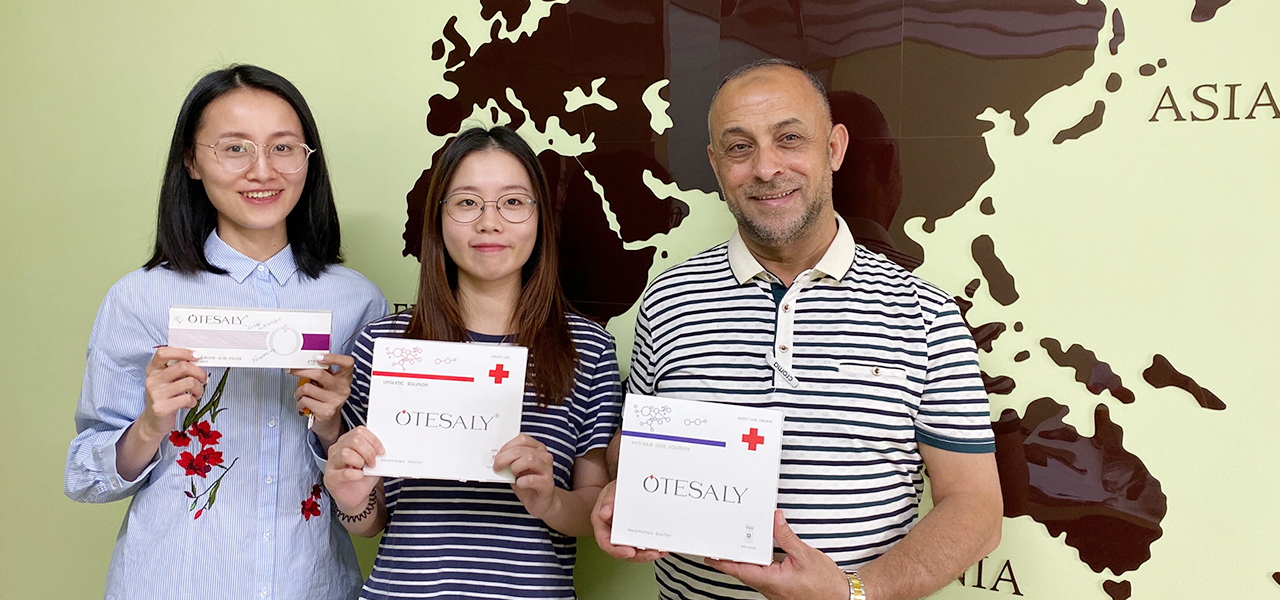
GlowAesthetix partnered with us in mid-2022 to reformulate their lip filler line using our HICE lidocaine integration and NASHA HA base. We supported the brand through a full packaging refresh, updated clinical safety data for their website, and provided third-party test reports to address the earlier social media backlash. The reformulated product delivered an average VAS pain score of 1.2 out of 10 in independent clinical testing, compared to a 4.7 out of 10 average for standard lidocaine-free fillers. By the end of 2023, the brand was selling 12,000 units of lip filler per month, with a 42% customer repeat rate, and secured supply contracts with two regional medspa chains in the Pacific Northwest.
Many brands and practices fixate on filler longevity, lift capacity, or price point when selecting products. They miss the fact that first-time patients carry vivid memories of injection discomfort long after they forget how long their filler lasted. A product that reduces that discomfort signals attention to detail, respect for patient boundaries, and a commitment to care that resonates far more than flashy marketing claims.
Practices can pair high-quality lidocaine fillers with small, low-effort adjustments to bring pain levels even lower for patients:
We do not claim lidocaine fillers are a one-size-fits-all solution. We offer matching lidocaine-free formulations for patients with known lidocaine sensitivities, with the same uniform gel texture and high-purity HA base to minimize discomfort for that patient group. All product packaging includes clear labeling of ingredients, contraindications, and post-care instructions to support safe, transparent clinical practice.
Full product specifications, test reports, and sample request forms for Facefill Lidocaine and our full aesthetic product line are available on supplierfiller.com. Our team responds to all partnership inquiries within 24 hours, with custom quotes tailored to each brand or practice’s unique needs.

Copyright @ 2026 AIMA International Group Co., Ltd.