
Welcome to visit AIMA International Group
 Spain
Spain

Your browser version is too low, in order to ensure a better browsing experience,Please click to update to a higher version browser.
Talk about it later.XWelcome to visit AIMA International Group
Spain

.jpg)
Home > News > Industry Trends > Private Label Dermal Filler: Why Filler Viscosity Makes or Breaks Your Aesthetic Brand
Industry TrendsBack in 2022, a startup medspa brand out of Miami reached out to our team after a catastrophic first product launch. They had sourced private label dermal filler from a small, unvetted manufacturer that marketed rock-bottom pricing, only to discover 3 months post-launch that the filler formulations had no standardized viscosity controls. The batch labeled for deep cheek augmentation had the same thin, runny consistency as a fine-line eye filler. 17 patients reported product migration, lumps under the skin, and complete loss of volume 4 weeks after injection. The brand’s Google review score dropped from 4.8 to 3.1 in 60 days, and they faced nearly $120,000 in refund requests.
How many new brands pour tens of thousands of dollars into packaging design, marketing, and injector training, only to lose it all because their filler’s viscosity is inconsistent or mismatched to its labeled use? Far more than you might guess. Most entrepreneurs entering the private label dermal filler space fixate on obvious selling points: lidocaine content, HA concentration, per-unit cost, and packaging design. Filler viscosity rarely makes the top of the priority list, yet it is the single physical property that most directly impacts injection experience, patient outcomes, and long-term brand reputation.
What Exactly Is Filler Viscosity, And Why Does It Matter?
Viscosity measures a dermal filler’s internal resistance to flow, tested under controlled shear rates that match the pressure applied during injection and movement of facial tissue post-treatment. Measured in Pascal-seconds (Pa·s), this property is not a marker of “better” or “worse” quality — it is a specification that must be matched exactly to the treatment area, injection depth, and desired patient outcome.
A European medspa chain with 12 locations learned this mismatch the hard way in 2023. Their previous private label supplier delivered a single “universal” filler formulation across all their SKUs, with a fixed viscosity of 220 Pa·s. When injectors used it for under-eye tear troughs (a treatment requiring <80 Pa·s viscosity to avoid Tyndall effect), 28% of patients developed bluish discoloration under the eyes that lasted 6+ months. When the same filler was used for jawline contouring (which needs >350 Pa·s for support), 62% of patients reported volume loss within 8 weeks, and the chain’s repeat filler booking rate dropped 41% in one quarter.
Common Private Label Filler Viscosity Pitfalls To Avoid
Walk the exhibit halls of any global aesthetic trade show, and you will find dozens of private label filler suppliers promising premium formulations at cut-rate prices. Most cut corners on viscosity control, leading to predictable issues for brands that partner with them:
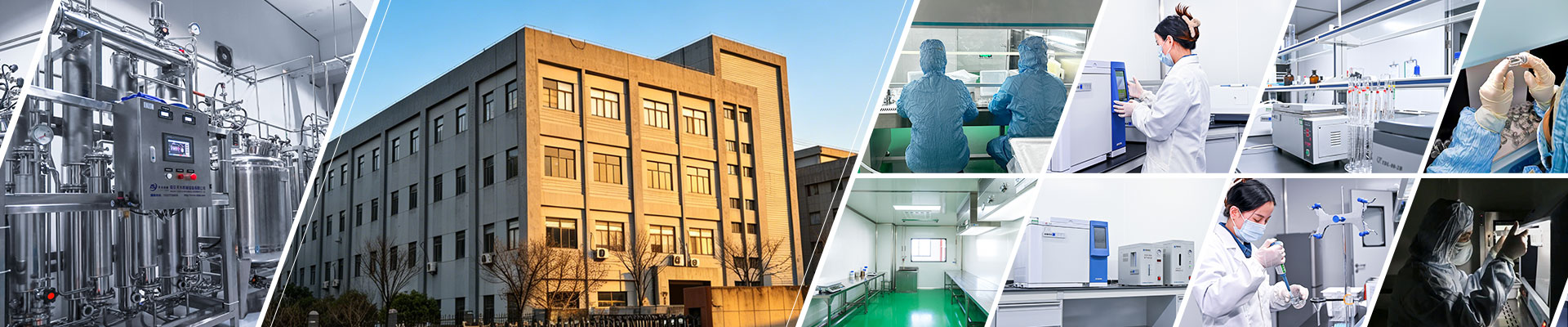
This is where AIMA International Group Co., Ltd. stands apart from generic private label suppliers. Founded in 2003, we have spent 20+ years refining dermal filler formulation, with specific focus on precise viscosity control across every product SKU. Our 4,800 square meter production facility operates with Class 100 GMP clean rooms and 3 dedicated production lines, with in-line viscosity testing performed every 15 minutes during production to keep batch-to-batch variance under 5% — a standard 6x stricter than the industry average of 30%.
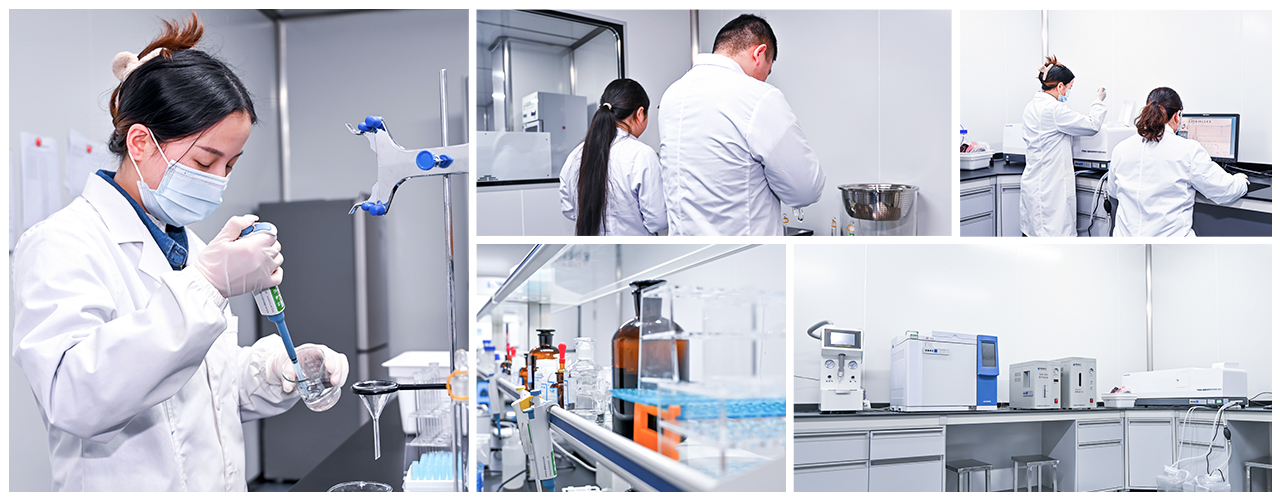
We hold two core formulation technologies that let us tune filler viscosity with pinpoint accuracy: NASHA (Non-Animal Stabilized Hyaluronic Acid) technology, which creates a smooth, biocompatible gel matrix free of animal-derived impurities, and HICE (High Internal Cohesion Crosslinking) technology, which lets us adjust crosslink density to hit exact viscosity targets without sacrificing cohesion or biocompatibility. We source only medical-grade, non-animal HA raw material that costs $45,000 per kilogram, from suppliers with full CE and GMP certification, with every raw material batch tested by third-party labs including SGS before entering production. Our R&D team maintains a library of over 1,000 proven formulations, cutting down development time for custom SKUs by 70% compared to competitors that build formulations from scratch for every client.
Build Your Private Label Filler Line With Custom Viscosity Options
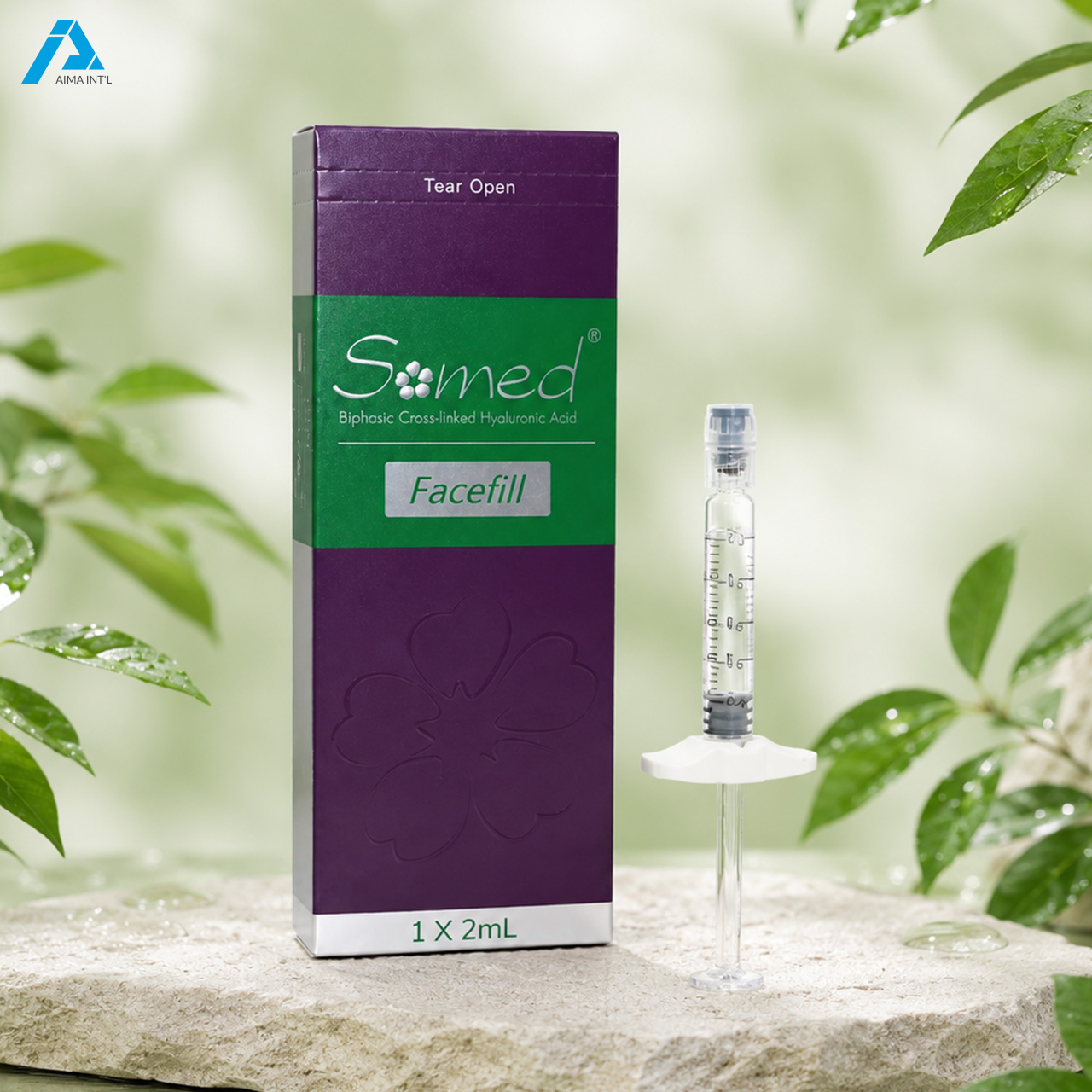
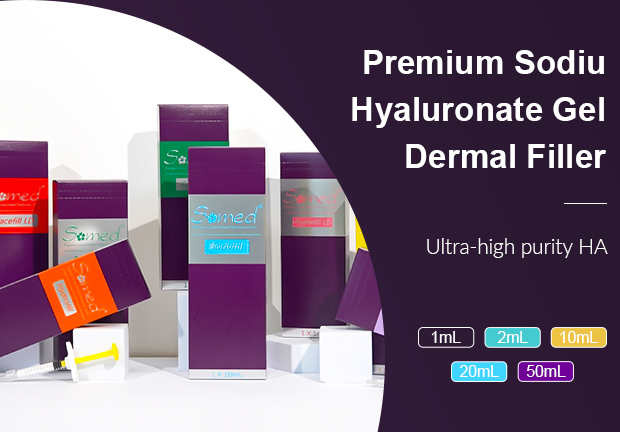
Unlike suppliers that force brands to pick from pre-made, inflexible SKUs, our OEM/ODM service lets you build a filler line tailored exactly to your client base, with custom viscosity, HA concentration, lidocaine content, and crosslink density to match the treatments your customers request. Our core facial filler SKU, Facefill, serves as the customizable base for hundreds of our partner brands, with available viscosity ranges from 80 Pa·s for superficial fine lines up to 380 Pa·s for deep facial contouring.
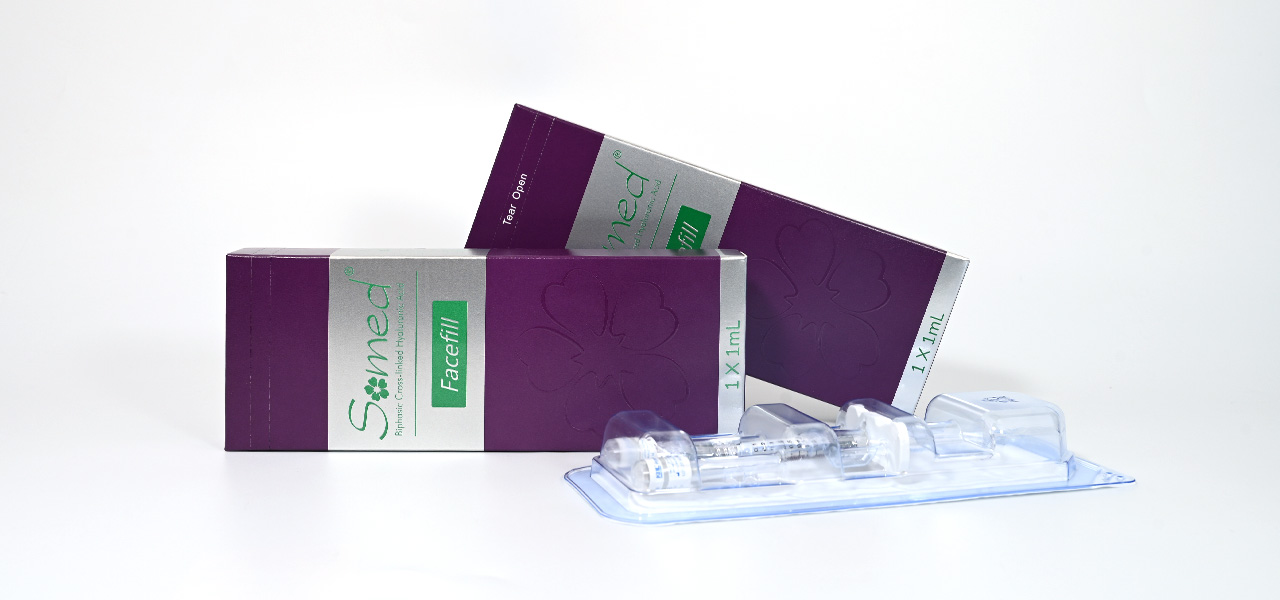
Our team supports you at every step of the brand building process: brand positioning, logo design, custom packaging, formulation tweaks, and even marketing material drafts to support your launch. We operate with no MOQ pressure for emerging brands, so you can test small batch runs of different viscosity grades without tying up tens of thousands of dollars in inventory. For larger brands and clinic chains, we offer tiered bulk pricing to keep margins strong as you scale.
Our production capacity hits 5 million units annually, with a monthly output of 50,000 units, so we can scale with your brand as you grow from a small local practice to a global distributed brand. Sample orders ship in 3–5 business days, with bulk orders delivered in 15–20 days, plus expedited production options for time-sensitive launches. To date, we have delivered custom private label filler solutions to over 521 brands across 60+ countries, earning our place as one of the top 10 dermal filler manufacturers globally.
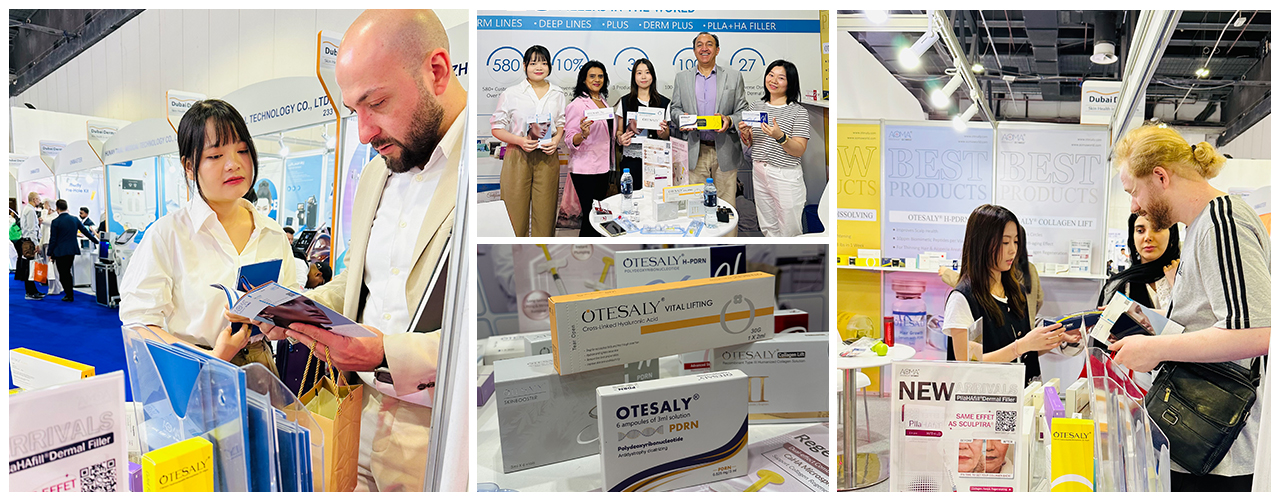
At the 2024 Dubai Beauty Exhibition, we connected with 37 new brand partners from the MENA region, 80% of whom listed flexible viscosity customization as their top requirement when selecting a private label manufacturer. Many of these brands had previously worked with suppliers that only offered 1–2 fixed viscosity options, leaving them unable to compete with established brands that carry full ranges of filler products for every treatment area.
Compliance And Support To Protect Your Brand
We know a single product quality issue can erase years of brand building, which is why we build quality and compliance into every step of production. Our entire manufacturing process follows ISO 13485 quality management standards, with production aligned to Class III medical device specifications. All our filler formulations hold EU CE certification and US FDA VCRP registration, so you can enter major global markets without lengthy regulatory delays.
Every batch of private label filler ships with a full set of compliance documents: batch COAs, SGS test reports, CE/FDA certification copies, and customs clearance documentation to smooth international shipping. Our dedicated medical aesthetics wholesale support team is available 72 hours a day to answer formulation questions, troubleshoot injector feedback, and resolve any quality issues with free replacement shipments or refunds, no hoops to jump through. We do not overpromise unrealistic results — we share clear clinical data for every viscosity grade, including expected duration, recommended injection depth, needle/cannula size, and common side effects, so your team can train injectors accurately and set realistic patient expectations.
If you are just starting to build your private label dermal filler line, skip the temptation to chase the lowest per-unit price. Ask every potential supplier for specific viscosity data for every SKU, batch variance records, and third-party test reports to confirm consistency. Ask if they can adjust viscosity to match your target treatments, or if you will be locked into pre-set formulations that do not fit your customer base. Ask for samples of every viscosity grade, and test the extrusion force, spreadability, and cohesion yourself before committing to a large order.
The Miami startup that reached out to us in 2022? We worked with them to build a 4-SKU filler line with matched viscosity grades: 70 Pa·s for periorbital lines, 180 Pa·s for lips and moderate folds, 280 Pa·s for mid-face volume, and 380 Pa·s for jawline and chin contouring. They re-launched 6 months later, and within a year, their review score climbed back to 4.7, with a 68% repeat booking rate for filler treatments. They now move 1,200 units of private label filler a month, with plans to expand to 6 SKUs next year.
The European medspa chain? We replaced their single universal filler with 3 viscosity-matched SKUs tailored to their highest-demand treatments, and trained their injector team on proper placement for each grade. Within 3 months, their complication rate dropped to under 2%, and their repeat filler booking rate recovered to pre-issue levels, hitting a 12-month high of 72%.
Filler viscosity is not a trivial technical specification to bury on a product data sheet. It is the foundation of how your product performs, how injectors experience working with your brand, and how satisfied patients are with their results. When you work with a private label manufacturer that prioritizes precise viscosity control, consistent quality, and flexible customization, you get a product line that can compete with the biggest global brands in the aesthetic space, without the years of R&D and capital investment required to build a manufacturing operation from the ground up.
Copyright @ 2026 AIMA International Group Co., Ltd.