
Welcome to visit AIMA International Group
 Spain
Spain

Your browser version is too low, in order to ensure a better browsing experience,Please click to update to a higher version browser.
Talk about it later.XWelcome to visit AIMA International Group
Spain

.jpg)
Home > News > Industry Trends > CE ISO 13485 & NMPA Approved Aesthetic Products: A Practical Guide to Global Compliance for Dermal Filler Sourcing
Industry TrendsAny brand or clinic operating in medical aesthetics has seen the headlines: shipments seized at international borders, clinics handed six-figure fines for stocking unapproved injectables, social media accounts suspended for promoting non-compliant products. These are not hypothetical worst-case scenarios. They play out every week for teams that source suppliers without digging into the fine print of regulatory credentials.
A flood of unvetted traders and middlemen has crowded the aesthetic supply space in recent years, many offering forged certificates, out-of-date audit reports, or paperwork tied to entirely unrelated products. Buyers who place orders based on surface-level claims of “certified” stock often find out too late that their inventory cannot be legally sold, used in clinical settings, or cleared through customs. All AIMA International Group Co., Ltd. products and custom manufacturing services are accessible to global buyers via supplierfiller.com, the company’s dedicated B2B sourcing platform built to cut through this noise for buyers prioritizing legitimate, market-ready stock.
Regulatory acronyms get thrown around loosely in aesthetic supply circles, and many buyers cannot tell the difference between legitimate certification and marketing fluff. Each credential carries specific, enforceable requirements for injectable products:
Common scams in the space include presenting Class I cosmetic CE self-declarations (used for low-risk items like face cream) as valid certification for injectables, sharing edited ISO 13485 certificates belonging to unrelated facilities, or providing NMPA registration numbers tied to different product models or manufacturers. Buyers who do not cross-check these details against official regulatory databases face direct, measurable consequences.
Marta, founder of startup aesthetic brand GlowAesthetics Warsaw, learned this lesson in 2022. She sourced 12,000 euros worth of hyaluronic acid fillers from a supplier she found on Instagram, which advertised “full CE approval” for its entire product line. The shipment was seized at the Port of Hamburg when customs agents reviewed the attached paperwork and found the CE certificate was registered for a topical cosmetic serum, not an injectable medical device. The entire stock was destroyed, and Marta was fined twice the shipment value for attempting to import non-compliant medical devices. Her brand’s social media accounts were flagged for promoting unapproved medical products, cutting her early launch reach by 70% for six months. She connected with the AIMA team through supplierfiller.com later that year, and gained access to fully documented product stock that let her complete EU CPNP registration in three weeks. She now moves 8,000 units of compliant filler per month across 120 partner clinics in Poland and Germany.
A second case played out for Hangzhou-based clinic chain ClearSkin Clinics in 2023. The operations team sourced dermal fillers from a local distributor that provided a scanned copy of an NMPA certificate, which they did not cross-check against the official NMPA database. During a routine regulatory inspection, agents found the certificate number belonged to a different manufacturer’s product, and the fillers in stock had no valid registration. The clinic was ordered to suspend operations for three months, fined 870,000 RMB, and saw its public review rating drop from 4.8 to 3.2 as word of the penalty spread. The chain lost nearly 3,000 pre-paid members during the shutdown. The team switched to AIMA’s NMPA-approved filler line after reopening, with all registration documents and batch release reports provided on file for future inspections. Customer foot traffic returned to 85% of pre-shutdown levels within two months.
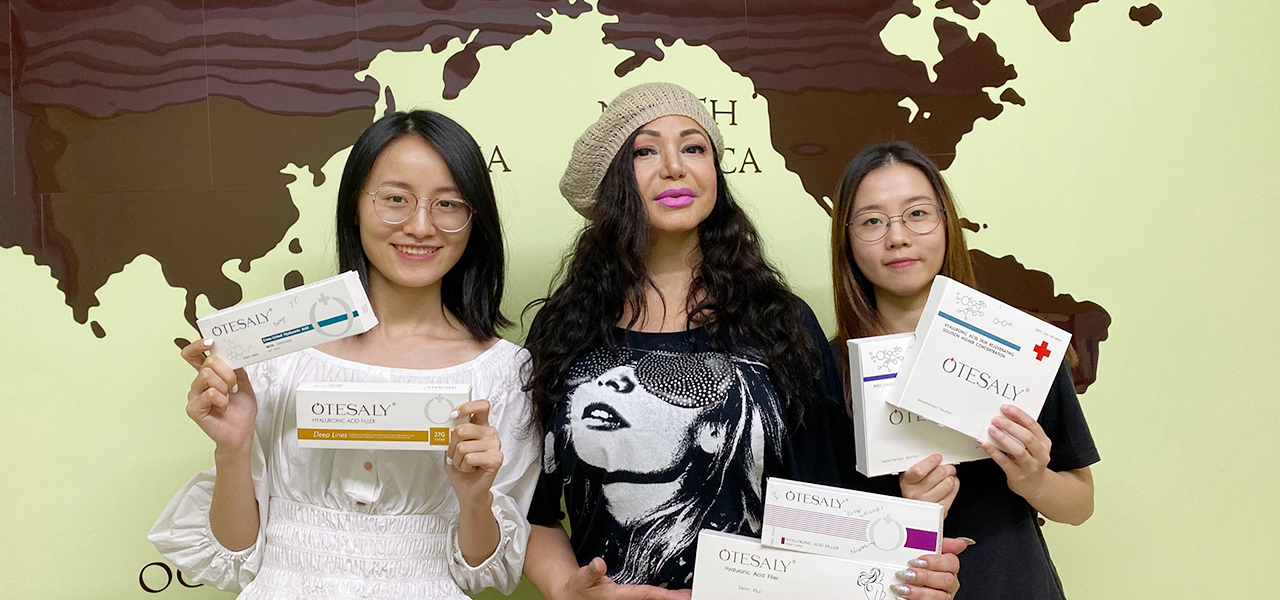
These are not isolated incidents. EU customs authorities seize more than 1.2 million units of unapproved aesthetic injectables each year, and China’s NMPA files more than 2,000 enforcement actions against unregistered injectable sellers annually. Penalties range from seized inventory and fines to permanent business license revocation, and even criminal charges in cases where unapproved products cause patient harm.
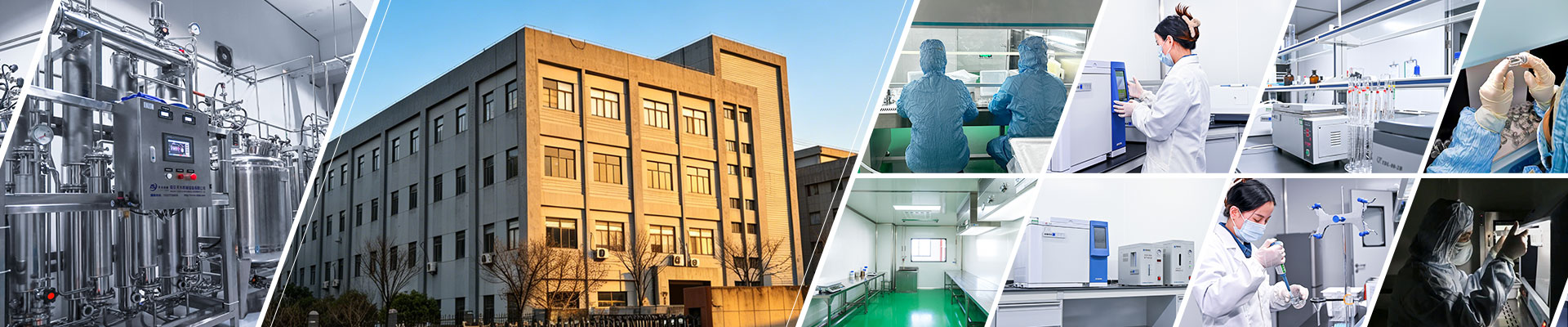
Founded in 2003, AIMA International operates as a dedicated medical aesthetic product manufacturer offering end-to-end OEM/ODM services for brands and clinic chains worldwide. The company holds an industry-recognized position as one of the Top 10 Dermal Filler Manufacturers globally, with a track record of delivering compliant stock to 521+ brands across 60+ countries. Its 4,800 square meter modern production facility operates with Class 100 GMP clean rooms and three dedicated production lines, built to meet the strictest environmental controls for injectable medical device manufacturing.
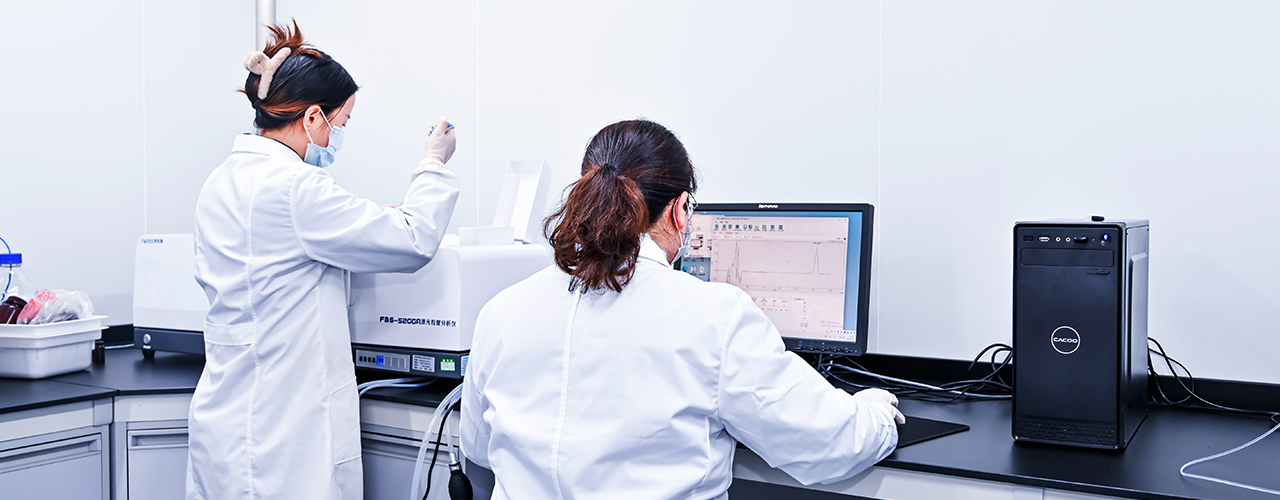
All production processes run in alignment with ISO 13485 quality management requirements, with documented checkpoints at every stage from raw material intake to final product packaging. The facility sources high-purity, medical-grade non-animal derived hyaluronic acid — valued at $45,000 per kilogram — from raw material suppliers that hold active CE GMP certification. Every incoming batch of raw material undergoes third-party testing via SGS to verify purity, endotoxin levels, and absence of contaminants before entering production.
In-house R&D teams hold patents for two core production technologies used across the product line: NASHA (Non-Animal Stabilized Hyaluronic Acid) technology, which creates uniformly sized cross-linked HA particles to reduce post-injection swelling and extend product longevity to 12-18 months; and HICE (High Concentration Isolation Crosslinking) technology, which reduces residual BDDE levels to below 0.1ppm — well under the EU regulatory limit of 2ppm — to cut risk of allergic reactions in patients. The R&D library holds more than 1,000 mature, market-tested formulations, allowing brands to launch custom products without lengthy development timelines.
Production capacity reaches 5 million units annually, with monthly output of up to 50,000 units to support both small startup orders and large enterprise volume needs. OEM/ODM services cover the full brand launch process, from brand positioning guidance, logo design, and custom packaging to tailored formulation adjustments and concentration matching for specific regional market preferences. The company operates with a No MOQ Pressure model for emerging brands, with order minimums starting as low as 50 units — a threshold rarely offered by large-scale filler manufacturers that typically require 1,000+ unit minimums. Large-scale enterprise partners qualify for tiered volume discounts. Sample orders ship within 3-5 working days, bulk orders deliver within 15-20 days, and expedited production options are available for teams working on tight launch timelines. Eligible product lines also hold FDA VCRP registration for U.S. cosmetic market access, covering nearly every major regional aesthetic market globally.
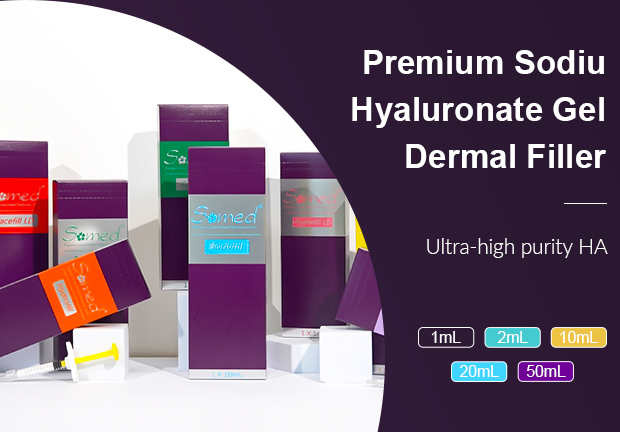
One of the most widely adopted products in the AIMA line, built specifically to meet cross-market compliance requirements, is Facefill Lidocaine. This injectable dermal filler is formulated for mid-to-deep dermal placement, designed to smooth nasolabial folds, add volume to the cheek area, and reduce the appearance of moderate to severe facial wrinkles. The formulation includes 0.3% lidocaine to numb tissue during injection, cutting patient discomfort significantly compared to lidocaine-free filler options.
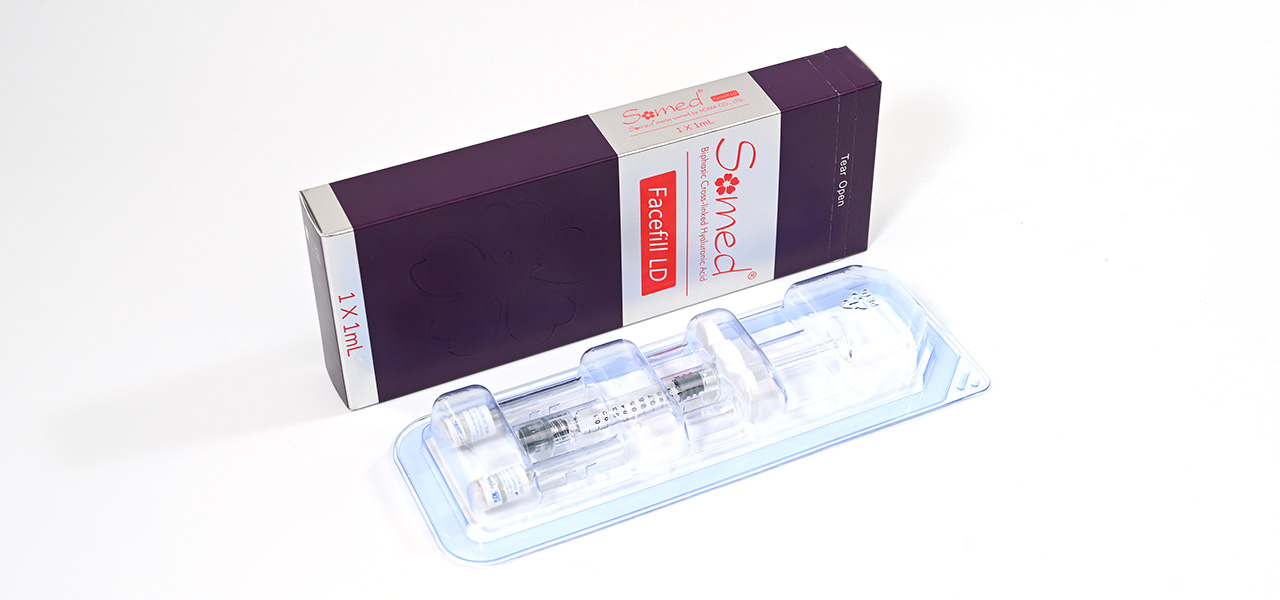
Facefill Lidocaine carries valid CE marking as a Class III medical device for EU market access, is produced under full ISO 13485 quality controls, and holds active NMPA approval for legal sale and clinical use in the Chinese market. The formulation has undergone independent clinical testing showing an adverse reaction rate of less than 0.2%, well below the industry average of 1.5% for comparable HA fillers. The gel has a consistent, smooth push force that gives clinicians precise control during injection, with a low migration risk that reduces the chance of uneven or lumpy results post-treatment. Independent lab testing confirms the product maintains volume for 12-18 months post-injection for most patients.
Unlike suppliers that only provide generic, uncheckable marketing claims about certification, AIMA provides full, verifiable documentation for every order shipped through the Medical Aesthetics Wholesale channel:
Post-sale support does not end when an order is delivered. A dedicated compliance support team responds to documentation requests within 24 hours, whether a partner needs additional paperwork for customs clearance or official stamped documents to present during a regulatory audit. Clinic partners gain access to free product injection training materials and adverse event response guides to support safe clinical use. Any products damaged during shipping are replaced within 48 hours of delivery confirmation, with no extra cost to the buyer. The team also tracks regulatory updates across all major markets, updating product documentation and labeling as requirements shift to keep partners’ inventory compliant over time.
Teams building sustainable, scalable aesthetic brands or clinic operations don’t need to juggle a dozen scattered suppliers or gamble on forged paperwork. The full AIMA product catalog, downloadable compliance files, and sample request portal are live at supplierfiller.com. In-house teams are available to walk through custom formulation needs, regional market access requirements, and flexible order terms matched to each buyer’s current growth stage.
Copyright @ 2026 AIMA International Group Co., Ltd.