



Welcome to visit AIMA International Group
 Spain
Spain

Your browser version is too low, in order to ensure a better browsing experience,Please click to update to a higher version browser.
Talk about it later.XWelcome to visit AIMA International Group
Spain




.jpg)
Home > News > Industry Trends > Dermal Filler Sterilization Validation: Protocols, Compliance Mandates, and Supplier Vetting Guide
Industry TrendsMany medical aesthetics brands pour resources into perfecting filler texture, marketing campaigns, and custom packaging when launching new dermal filler lines, only to face catastrophic setbacks from gaps in sterilization validation. Data from the 2024 International Aesthetics Adverse Event Report links 38% of filler-related infections and granuloma cases to incomplete or improperly executed sterilization processes. Do the single-page sterility test certificates your supplier sends over actually prove the product has passed robust, repeatable sterilization validation? For brands distributing injectable products, the answer to that question can mean the difference between a loyal customer base and six-figure losses from regulatory action, product recalls, or reputational damage.
What Exactly Is Dermal Filler Sterilization Validation?
Dermal fillers fall under Class III medical device classification in nearly every major global regulatory market, as they are injected directly into dermal tissue and remain in the body for months to years. Sterilization validation is not a one-off sterility test on a single finished batch. It is a documented, repeatable, auditable process proving a set sterilization method can consistently deliver products meeting SAL 10^-6 — the industry standard requiring no more than one viable microorganism per one million finished units.
This differs drastically from the microbial limit testing used for topical skincare products. A valid sterilization program tests three core performance metrics:
Costly Pitfalls From Cut Corners on Sterilization Validation
Brands often assume any GMP-certified factory will run proper validation, but gaps appear far more often than most new brand owners expect. We have worked with dozens of brands that came to us after losing significant time and money working with suppliers that cut corners on this process.
In 2022, a startup founder from Poland reached out after his first 12,000-unit HA filler shipment was seized at EU customs. He had selected a local contract manufacturer offering prices 32% below the industry average, attracted by low minimums and fast lead times. When regulators requested full sterilization validation documents for the shipment, the factory could only provide a single-page sterility report for one batch, with no records of biological indicator challenges, half-cycle testing, or packaging integrity validation. Lab testing of seized samples found Geobacillus stearothermophilus spores in 2 of 12 tested units — a direct sign the sterilization cycle was too short to meet SAL requirements. The entire batch was destroyed, costing the founder €118,000 in lost inventory and shipping fees. His brand was also added to the EU import watchlist, delaying his market entry by 18 months.
A Thai brand specializing in nasolabial fold fillers came to us in 2023 after a disastrous product launch. Their previous supplier had increased gamma irradiation doses to cut corners on bioburden control, without running post-sterilization performance testing. Within three months of launch, customer complaints poured in: the lidocaine in the filler had no numbing effect, the product broke down within three months of injection (compared to the advertised 12-month duration), and 12% of patients developed non-infectious redness and swelling at injection sites. Third-party testing found the high radiation dose had broken 37% of the crosslinked HA chains, degraded 62% of the lidocaine content, and created trace amounts of unreacted crosslinker byproducts. The brand faced a 43% product return rate, and months of work building a social media following was erased by negative reviews.
Global Regulatory Mandates for Filler Sterilization Validation
Regulators across major markets hold brands legally responsible for product safety, even when manufacturing is outsourced to a third-party factory. Brands that cannot produce complete validation documents during audits face product seizures, fines, and permanent bans from market access. Core requirements across jurisdictions include:
Many brands make the mistake of assuming a factory-level CE or ISO certificate covers individual products. These certificates confirm a facility has a quality system in place, but they do not replace SKU-specific sterilization validation — the exact document regulators will request during a market audit.
AIMA International’s Approach to Rigorous Sterilization Validation
As one of the top 10 global dermal filler manufacturers named in the 2024 Global Aesthetics Supply Chain Awards, AIMA International Group Co., Ltd. has produced injectable aesthetic products since 2003. Our 4,800 square meter production facility runs Class 100 GMP clean rooms with three dedicated production lines, with separate teams handling sterilization process development, validation execution, and independent quality auditing to eliminate conflicts of interest in test results.
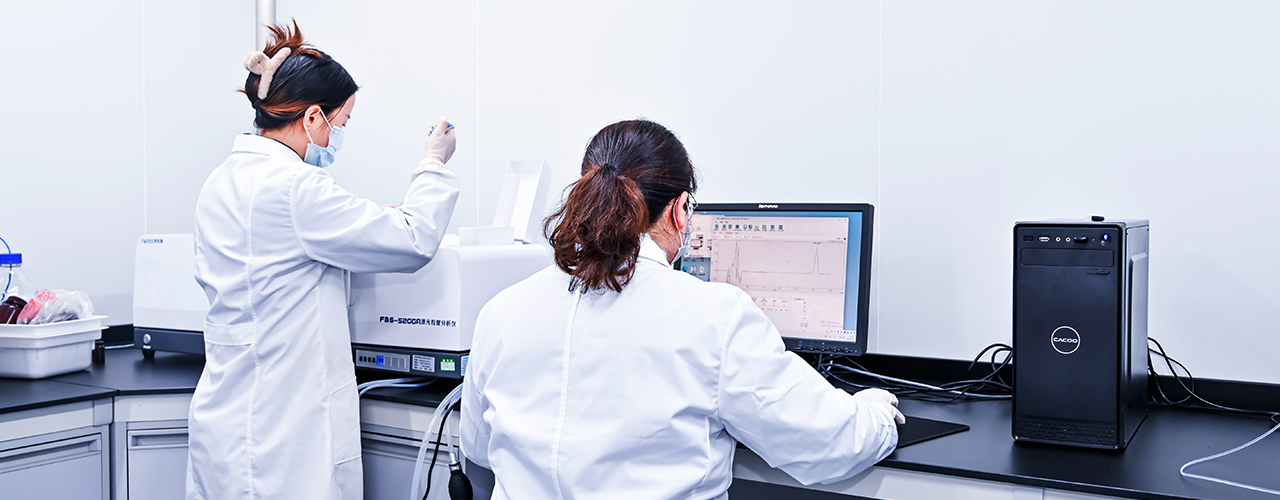
Our R&D team holds patents for NASHA and HICE HA crosslinking technologies, and we source only medical-grade non-animal sourced HA (valued at $45,000 per kg) from CE GMP certified suppliers, with raw materials regularly tested by SGS and other third-party labs. For our HA filler lines, we use an optimized terminal moist heat sterilization process, selected after years of testing to avoid the chemical residue risks of ethylene oxide and the HA degradation risks of high-dose gamma irradiation. Our validation process for every filler SKU follows five non-negotiable steps:
Our top-selling Facefill Lidocaine mid-viscosity dermal filler is a perfect example of how rigorous validation translates to consistent product performance. Designed for mid-dermis injection to address nasolabial folds, mild cheek volume loss, and perioral fine lines, the formula includes 0.3% lidocaine to reduce patient discomfort during injection.
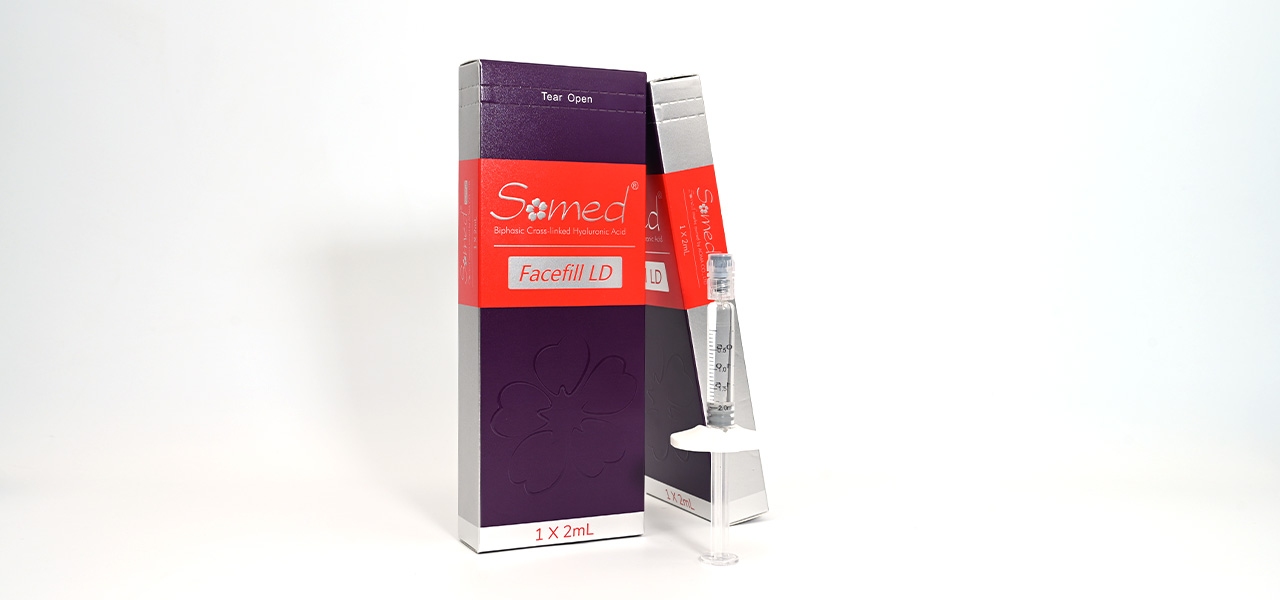
During validation for this SKU, our R&D team ran 42 separate sterilization cycle tests to adjust temperature, hold time, and chamber pressure, landing on a cycle that delivers full microbial kill while preserving 98% of crosslinked HA structure and 97% of lidocaine activity post-sterilization. The finished product delivers a consistent 8-10 month duration in tissue, with immediate numbing effect that cuts patient pain scores by 72% compared to non-lidocaine fillers. Facefill Lidocaine holds full CE certification and US FDA VCRP registration, manufactured in compliance with Class III medical device standards and ISO 13485 quality requirements. We keep full sterilization validation reports for every production batch on file, ready to share with partners for local regulatory submissions.
Vetting Your Filler Supplier: Questions to Ask Before Signing a Contract
A 2024 independent industry audit of 72 dermal filler OEM suppliers found 41% could not produce complete, unredacted sterilization validation reports for their core SKUs, instead relying on generic factory certificates that do not cover individual product lines. When evaluating potential suppliers, skip the surface-level questions about pricing and lead times, and ask directly for:
At AIMA International, we provide all of this documentation to every partner, no matter the order size. Our production capacity reaches 5 million units annually, with monthly output of up to 50,000 units, allowing us to support both small startup brands and large global distributors. We operate with no MOQ pressure for new brands, with volume discounts available for large enterprise partners. For medical aesthetics wholesale partners, we provide dedicated account management, batch traceability access, and fast replacement shipping for any orders damaged in transit, with full compliance documentation available for every shipment to smooth customs clearance and market registration. Sample orders ship in 3-5 working days, bulk orders deliver in 15-20 days, and expedited production options are available for time-sensitive launches. Our OEM/ODM services cover every step of brand development, from brand positioning, logo design, and custom packaging to tailored formula adjustments for HA concentration, crosslink density, and lidocaine content, drawing on our library of over 1000 mature product formulations.
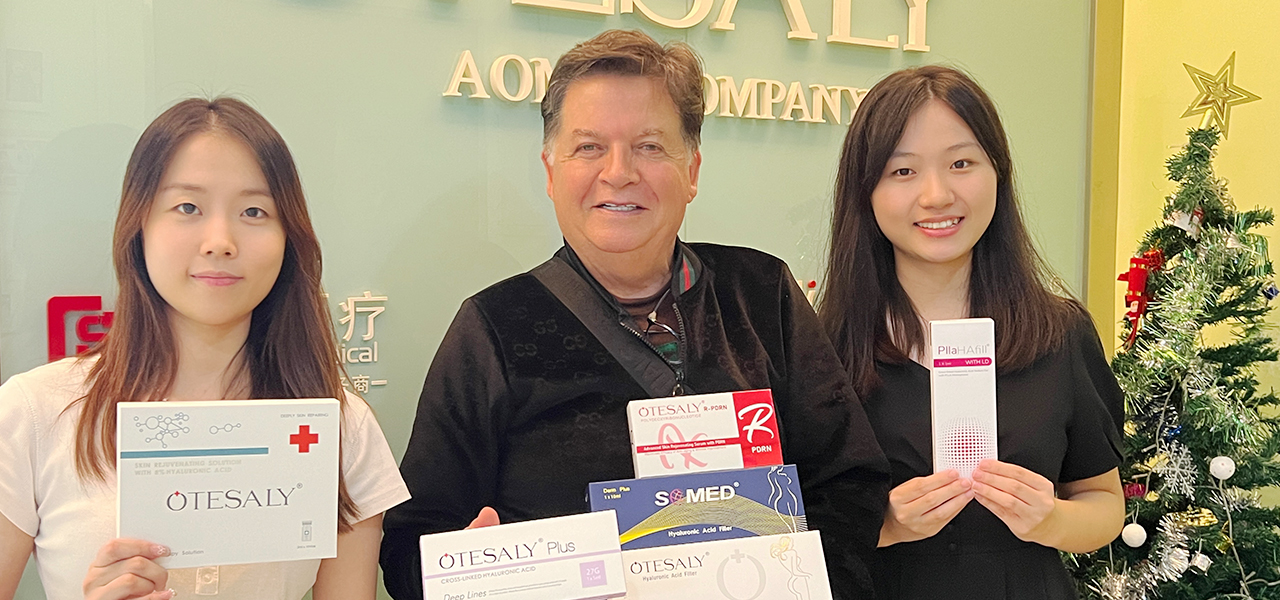
To date, we have supported over 521 brands across 62 countries to launch compliant, well-tested dermal filler lines, with dedicated regulatory support to help partners navigate local registration requirements. We stand behind every batch we produce, with batch-specific sterilization records, third-party test reports, and compliance documents available for review before shipment. Any partner can request random third-party testing of their order before it leaves our facility, with full transparency into every step of the production and sterilization process.
Sterilization validation is not a paperwork exercise to check off before launch. It is the baseline barrier between safe, effective products and untested goods that put patients at risk and expose brands to irreversible losses. Brands that prioritize suppliers with transparent, auditable validation processes avoid the preventable mistakes that derail hundreds of new aesthetics lines every year. Teams interested in reviewing sample products, validation documents, or custom OEM quotes can reach out directly via supplierfiller.com, with no lengthy sales pitches or hidden qualification requirements to access information.

Copyright @ 2026 AIMA International Group Co., Ltd.


