



Welcome to visit AIMA International Group
 Spain
Spain

Your browser version is too low, in order to ensure a better browsing experience,Please click to update to a higher version browser.
Talk about it later.XWelcome to visit AIMA International Group
Spain




.jpg)
Home > News > Industry Trends > Dermal Filler Biocompatibility Testing: Standards, Risks, and Buyer Guide for Aesthetics Professionals
Industry TrendsWhat Exactly Is Dermal Filler Biocompatibility Testing?
Many new entrants to the aesthetics space assume dermal fillers are ready for sale as long as they create visible volume when injected. That assumption leads to ruined reputations, regulatory fines, and permanent patient harm. Dermal fillers are implantable medical-grade materials, placed into the dermal or subcutaneous layer where they remain for 6 months to 2 years. Every point of contact between the filler material and human tissue can trigger an immune response. Biocompatibility testing is a standardized evaluation framework designed to confirm filler materials do not cause toxicity, irritation, allergic reaction, chronic inflammation, genetic damage, or abnormal tissue growth when in contact with human cells, tissue, or blood.
All major global regulators, including EU CE marking bodies, the US FDA, and regional health authorities, require dermal fillers to meet ISO 10993 biological evaluation of medical devices standards for market approval. A casual note from a local lab claiming “safe for use” does not meet these requirements. A compliant biocompatibility test battery for dermal fillers includes seven core endpoints:
If you come across dermal fillers priced lower than the cost of legitimate medical-grade HA raw materials, there is a 90% chance the manufacturer only completed the first, lowest-cost cytotoxicity screening and skipped the remaining six tests. A full ISO 10993 test battery for a single dermal filler SKU costs over $120,000 USD and takes six months to complete — an investment small unregistered workshops will never make.
Test reports don’t win clients on their own. But they will shield you from 99% of preventable disasters when regulators audit, clients file complaints, or insurance claims land on your desk.
Real Costs of Skipping Proper Biocompatibility Testing
In 2022, we spoke with a founder of a Polish startup skincare brand who had pivoted from topical skincare to dermal fillers after seeing the category’s growth. He picked a local unlicensed small-batch manufacturer for his first production run, who provided a single in-vitro cytotoxicity report and claimed the product was “medical-grade safe.” Three months after launch, he had sold 1,200 syringes and received 17 consumer reports of delayed redness, hard nodules, and in four cases, granuloma formation 2-4 weeks after mid-face injection. When Polish pharmaceutical regulators audited the product, they found the manufacturer had skipped sensitization and implantation testing entirely, used industrial-grade hyaluronic acid, and had residual BDDE crosslinker levels three times the EU safety limit. The founder was forced to recall every unit on the market, pay out €190,000 in consumer compensation, and write off €80,000 in pre-launch marketing costs. The brand never recovered. When he reached out to our team for OEM support months later, he shared that he had lost every euro of profit he earned in his first four years in business.
In 2023, a procurement lead for a Saudi Arabia-based chain of aesthetic clinics shared a similar story at a regional trade event. The clinic had cut costs by sourcing lip fillers from an unvetted trade supplier, with pricing 60% lower than authorized wholesale channels. The team checked outer packaging for authenticity marks but did not request full biocompatibility documentation before stocking the product. After treating 27 clients in the first week, 8 developed severe lip swelling, ulceration, and localized infection within 72 hours. The local health department shut the clinic down for two weeks for compliance failures, issued a fine equivalent to $72,000 USD, and the clinic lost nearly 300 repeat long-term clients. An investigation later traced the filler to an unregistered workshop that mixed food-grade hyaluronic acid with lidocaine in a non-sterile space. No biocompatibility testing, no sterility testing, no batch records existed for the product.
These are not isolated horror stories. Industry data shows 32% of dermal fillers sold through unregulated online channels lack complete ISO 10993 test documentation, and carry a 12x higher adverse reaction rate than fully compliant products.
How AIMA Builds Biocompatibility Guardrails for Every Batch of Dermal Fillers
AIMA International Group Co., Ltd. — a recipient of the global “Top 10 Dermal Filler Manufacturer” industry award — has developed and produced medical aesthetic products since 2003. In two decades of operation, we have watched dozens of brands collapse after cutting corners on biocompatibility and safety testing. We build safety guardrails starting at the raw material stage, long before production begins.
We use non-animal derived medical-grade hyaluronic acid sourced from CE GMP-certified suppliers, at a raw material cost of $45,000 per kilogram — 15 times more expensive than cosmetic-grade HA used in budget serums and unregulated fillers. Every batch of raw material that enters our facility undergoes third-party testing, and SGS teams conduct quarterly unannounced audits of our raw material storage, production lines, and quality control lab to eliminate potential biocompatibility risks from animal protein residues, crosslinker impurities, or microbial contamination before production even starts.
Our 4,800 square meter modern production facility is equipped with Class 100 GMP clean rooms and three dedicated production lines, operating in full alignment with ISO 13485 quality management systems and Class III medical device manufacturing standards. Our facility reaches an annual production capacity of 5 million syringes, with monthly output up to 50,000 units to support both small startup orders and large bulk contracts.
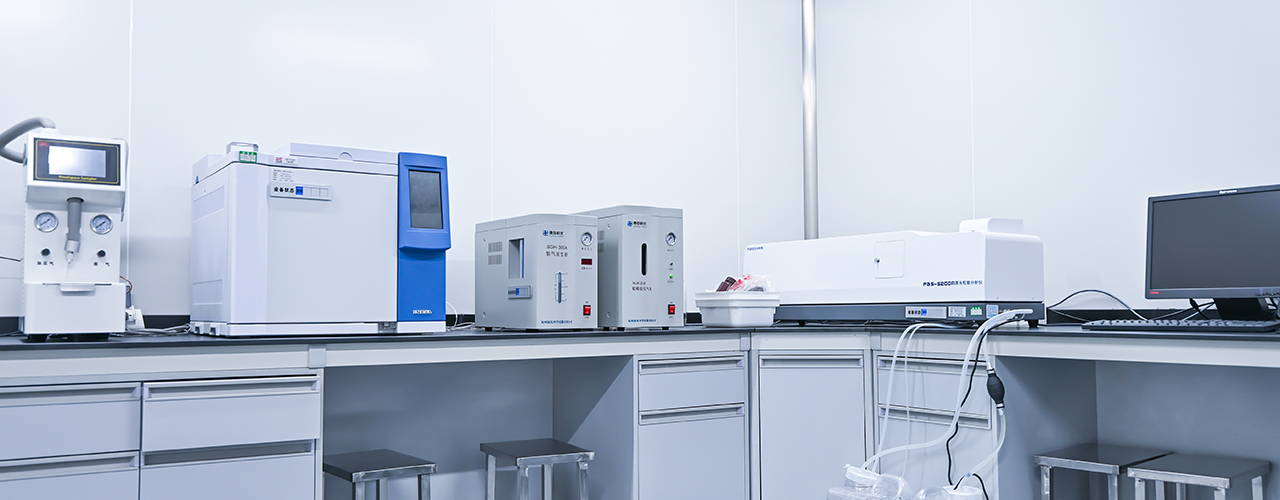
Before any new formulation moves to mass production, we send samples to GLP-accredited third-party labs to complete the full ISO 10993 biocompatibility test battery — no skipped tests, no doctored reports. Our in-house R&D team, which holds patents for NASHA (Non-Animal Stabilized Hyaluronic Acid) technology and HICE (High Concentration & Uniform Crosslinking Efficiency)crosslinking technology, maintains a library of over 1,000 proven formulations. Every new formula goes through three rounds of internal biocompatibility screening during R&D, to bring residual BDDE levels below 0.001% — 10 times lower than the EU’s 0.01% safety threshold — to cut immune response risks at the formulation level.
Our flagship mid-face dermal filler, Facefill Lidocaine, is a perfect example of how rigorous biocompatibility testing translates to real-world clinical safety. Formulated for mid-dermal implantation to address nasolabial folds, lost apple volume, and moderate facial wrinkles, the blend includes 0.3% lidocaine to cut injection discomfort for patients.
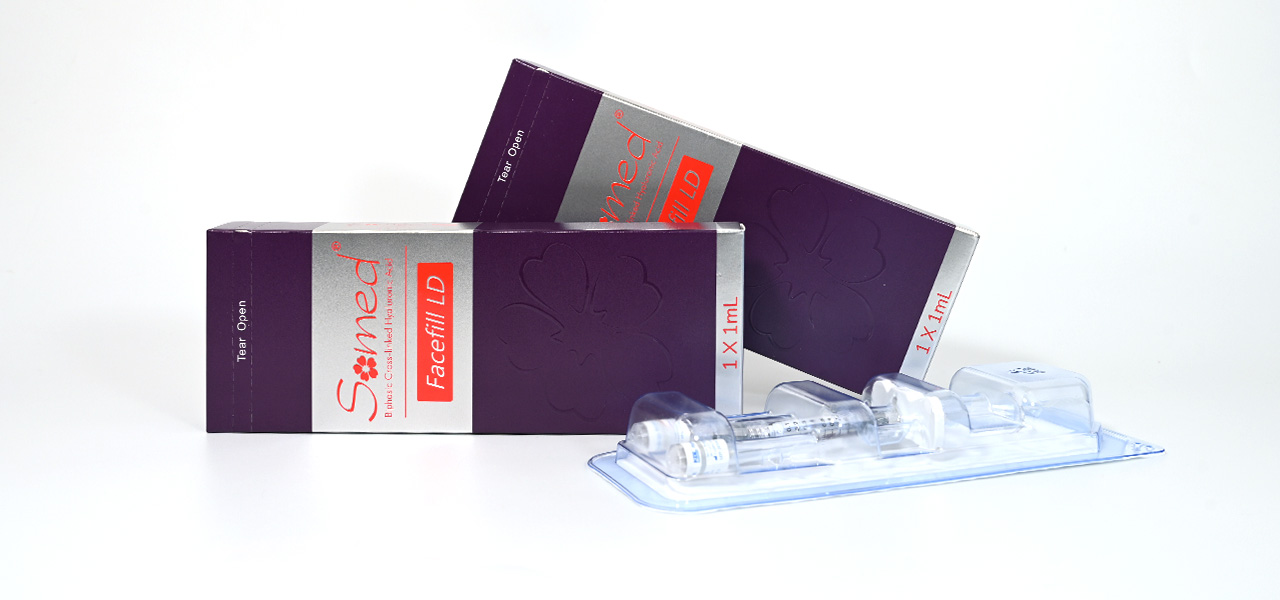
We spent seven months completing the full ISO 10993 test battery for Facefill Lidocaine before its initial launch. Final test results showed a 0-grade cytotoxicity rating (no cell damage), zero positive skin sensitization responses, an intracutaneous reactivity score of 0.2 (well below the 1.0 safety threshold), and no abnormal inflammatory tissue response in 90-day subchronic implantation trials. The gel biodegrades fully over 12-18 months with no residual nodule formation. The product holds full EU CE certification and US FDA VCRP registration, and has been distributed to 47 countries since launch six years ago, with over 3.2 million syringes sold to date. Post-market surveillance data shows an adverse reaction rate of just 0.018% — far below the 0.3% global industry average for dermal fillers.
Key Checks for Buyers Vetting Dermal Filler Suppliers
Sifting through filler suppliers to find a reliable partner takes due diligence. These four checks will help you avoid the most common pitfalls:
We have offered OEM/ODM services for dermal fillers and aesthetic products since our founding, building custom solutions for over 521 aesthetic brands across the globe. Our end-to-end support covers brand positioning, logo design, custom packaging, and tailored adjustments to formula HA concentration, crosslink density, and active ingredient blends to match client needs. We do not enforce high minimum order quantities — emerging brands can place small trial orders with no MOQ pressure, while large clinic chains and national distributors qualify for tiered volume discounts. Sample orders ship within 3-5 business days, standard bulk orders deliver within 15-20 days, and expedited production options are available for clients with tight timelines.
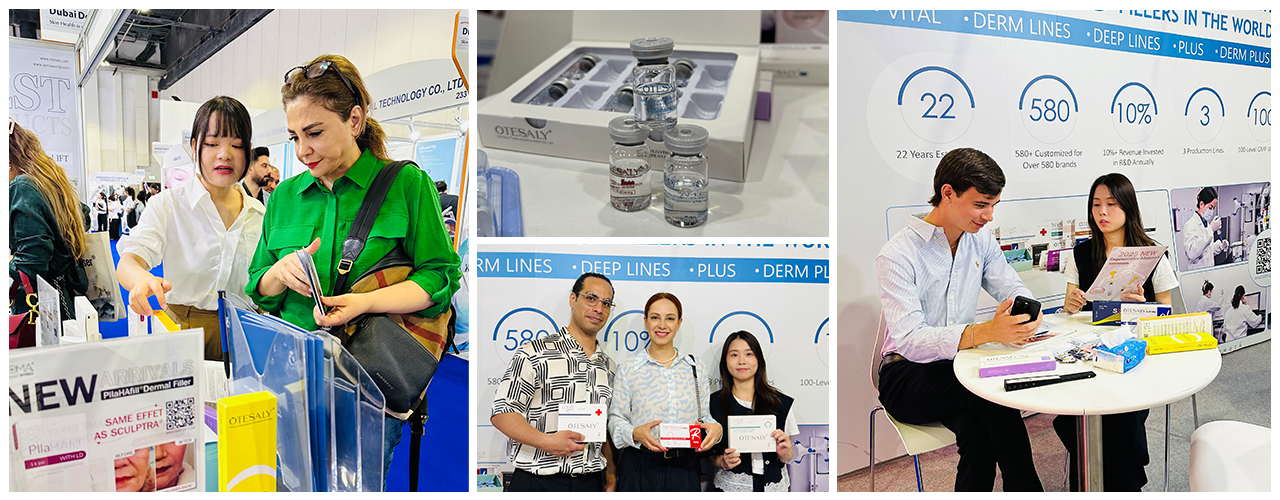
Each year, our team exhibits at the Dubai Beauty Exhibition to connect with clinic owners, brand founders, and distributors across the Middle East, Europe, Africa, and Southeast Asia. We hear dozens of stories at every show: buyers whose shipments were seized by customs because suppliers failed to provide valid test reports, clinic owners left to handle client complications alone after suppliers cut off contact, new brands that lost their entire startup budget to fake CE-marked products.
We never claim our fillers are “risk-free” for every patient. Individual immune responses vary, and even the most rigorously tested filler can trigger a rare reaction in a patient with unrecognized sensitivities. What we do guarantee is that every syringe leaving our facility is backed by full, traceable biocompatibility test data, every batch comes with complete compliance documentation for customs and regulatory checks, and our technical support team is available to walk clients through adverse event response protocols, injector training, and registration paperwork. We do not disappear after a payment clears.
Common Misconceptions About Dermal Filler Biocompatibility
After 20 years in the industry, we hear the same myths repeated by new buyers and brand founders every month. These assumptions lead to costly mistakes.
The first myth: “Hyaluronic acid exists naturally in the human body, so all HA fillers are automatically biocompatible.” Natural HA in the skin is uncrosslinked and breaks down within 48 hours. Dermal fillers use crosslinked HA to create long-lasting volume, and residual crosslinker, protein impurities from raw material processing, or microbial contamination from poor manufacturing can trigger severe immune responses — even if the base HA molecule is identical to what the body produces.
The second myth: “A CE mark or FDA registration means all biocompatibility testing is complete.” Certificate fraud is rampant in the dermal filler space. Many sellers use certificates issued for other products, other manufacturers, or expired test reports to market untested goods. Always cross-reference certificate numbers, product SKUs, and manufacturer names against official regulatory databases before placing a bulk order.
The third myth: “Biocompatibility testing is a one-and-done requirement.” Any change to raw material suppliers, production equipment, crosslinking processes, or clean room protocols can shift a product’s biocompatibility profile. We test one out of every 10 production batches for cytotoxicity and endotoxin levels as part of our ongoing quality control, rather than relying on a single test report from a product’s initial launch.
The dermal filler industry rewards operators who cut corners in the short term. Those who skip testing, use cheap raw materials, and fake compliance documents can undercut legitimate suppliers by 60% or more, and turn a quick profit before regulators or adverse events catch up. But brands and clinics that stay in the market for decades do not build their reputation on the cheapest possible product. They build it on products patients can trust, backed by data that proves safety, batch after batch. You can browse our full dermal filler product line, request access to full test reports, or book a custom sample order directly at supplierfiller.com.

Copyright @ 2026 AIMA International Group Co., Ltd.


