



Welcome to visit AIMA International Group
 Spain
Spain

Your browser version is too low, in order to ensure a better browsing experience,Please click to update to a higher version browser.
Talk about it later.XWelcome to visit AIMA International Group
Spain




.jpg)
Home > News > Industry Trends > Dermal Filler Shelf Life Validation: Protocols, Standards, and Manufacturer Best Practices for Safe, Market-Ready Products
Industry TrendsMost people in the medical aesthetics supply chain see the expiration date printed on a dermal filler box as a fixed, reliable number—usually 2 or 3 years from the manufacture date. Few stop to ask where that number comes from, or what testing stands behind it. Have you ever unboxed a sealed, in-date filler only to find watery syneresis seeping from the gel, uneven push force during injection, or unexpected post-treatment inflammation in patients with no history of filler reactions? Many of these issues trace back to missing, incomplete, or non-compliant dermal filler shelf life validation.
Shelf life validation is not an arbitrary number a manufacturer prints on packaging to match competitors. It is a systematic, data-driven testing process run across product development, pilot production, and full commercial manufacturing to confirm a filler maintains full safety, performance, and consistency when stored under labeled conditions for the full duration of its marked expiration window.
As Class III medical devices, dermal fillers are held to far stricter stability requirements than topical cosmetics. A guess based on industry averages is not enough to justify an expiration date. Every month of marked shelf life needs supporting test data to prove the product does not degrade, become contaminated, or lose expected performance over time. Cut corners on this process, and the costs fall directly on brand owners, distributors, and ultimately, patients.
Regulators across major markets recognize two core testing frameworks for medical device stability, paired with a standardized set of performance and safety metrics tested at regular intervals.
Across both testing frameworks, labs measure four core categories of metrics to validate shelf life:
In 2022, we worked with a startup brand founder from Canada who learned these risks first-hand. She had partnered with a small local contract manufacturer to launch her branded HA filler line. The manufacturer ran just 2 months of accelerated aging testing before stamping a 2-year expiration date on every box. Six months after launch, she began receiving complaints from clinic partners: some syringes had gritty, inconsistent push force, and a small number showed visible flocculent precipitate in the gel. She sent remaining inventory to a third-party lab, which found 12-month stored samples had lost 22% of their cross-link density, a portion of packages failed seal integrity tests, and endotoxin levels were creeping close to safety thresholds. She recalled over 3,200 sold units, compensated clinics for lost revenue and patient follow-up costs, and lost over $120,000 in the process—plus early damage to the brand reputation she had spent two years building.
Rules around acceptable shelf life data have tightened significantly over the past five years, as regulators crack down on non-compliant injectable products.
AIMA International Group Co., Ltd. has operated as a medical aesthetics product manufacturer since 2003, offering end-to-end OEM/ODM services for brands worldwide. We have been named one of the Top 10 Dermal Filler Manufacturers globally, with production aligned to ISO 13485 quality management standards, full compliance with Class III medical device manufacturing specifications, CE certification for our filler lines, and FDA VCRP registration.
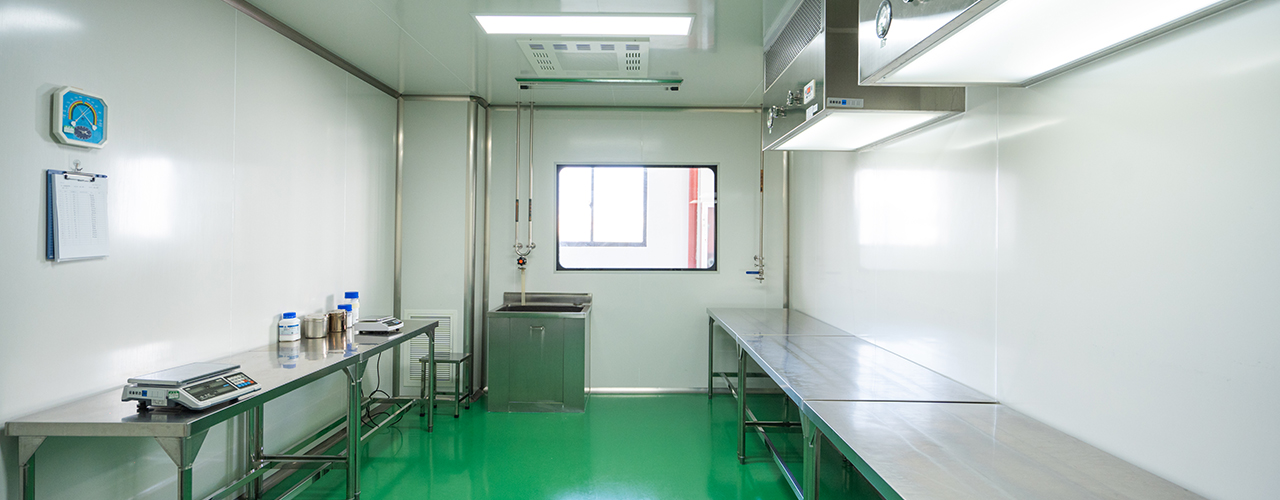
Our 4,800 square meter modern production facility houses Class 100 GMP clean rooms and 3 dedicated production lines, supporting an annual production capacity of up to 5 million units, with monthly output reaching 50,000 units to serve both small startup runs and large-volume enterprise orders. We operate an independent stability testing center on-site, equipped with over $2.8 million worth of testing equipment: constant temperature and humidity chambers, rotational rheometers, high-performance liquid chromatography systems, gas chromatographers, sterile testing isolation systems, and packaging integrity testers. All shelf life testing is run in-house, with no outsourced testing steps that could break data traceability.
Before any new formulation moves to full commercial production, we launch parallel 36-month real-time aging and matched accelerated aging studies, logging test data from every interval into our cloud-based quality traceability system for full client access. Once production is live, we retain retention samples from every single batch in our controlled sample storage room, tracking performance across the full labeled shelf life, and retaining samples for 6 months post-expiration before disposal.
Facefill Lidocaine, one of our core facial dermal filler offerings, is built on our proprietary NASHA and HICE cross-linking technology, using medical-grade non-animal sourced hyaluronic acid valued at $45,000 per kilogram. All raw material suppliers hold CE GMP certification, with regular third-party audits run by SGS to confirm material purity.
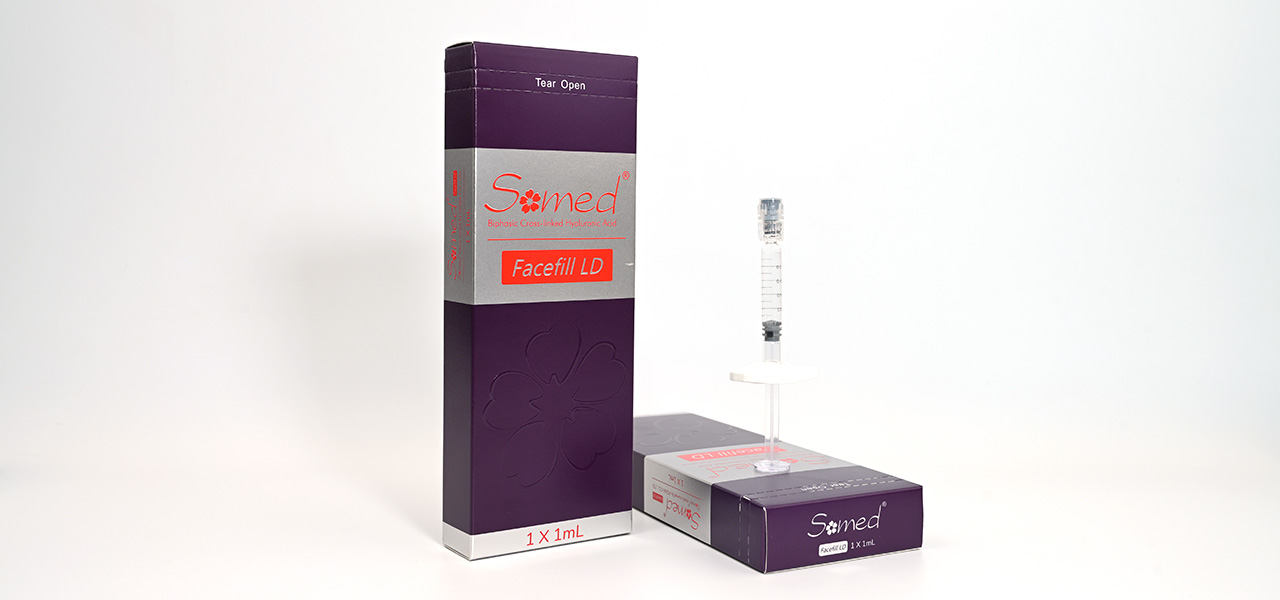
For Facefill Lidocaine, we completed 24 months of full real-time aging testing, running full panel assessments every 3 months. Test results show that when stored at 2-25°C away from direct light, the product maintains 96.2% of its original cross-link density at 24 months, lidocaine content stays at 98.7% of labeled value, extrusion force varies by less than 8% across the full shelf life, and all safety metrics (sterility, endotoxin, particulates, residual cross-linker) stay well within global standard limits. Packaging seal integrity hit 100% across all test intervals. These results support our labeled 2-year shelf life for the product, and all test reports are available to partners for use in global market registration and customs clearance.
Our OEM/ODM services cover end-to-end brand support, from brand positioning, logo design, and custom packaging to formulation tweaks and concentration adjustments to match client target markets. Our R&D team holds over 1,000 proven formulations across dermal fillers, skin boosters, and regenerative aesthetics products, letting clients launch products quickly without lengthy development timelines. We operate with no MOQ pressure to support emerging brands, while offering volume discounts for large-scale enterprise partners. Sample orders ship in 3-5 working days, bulk orders deliver in 15-20 days, with expedited production options available for time-sensitive launches. To date, we have delivered custom solutions for over 521 brands across the globe.
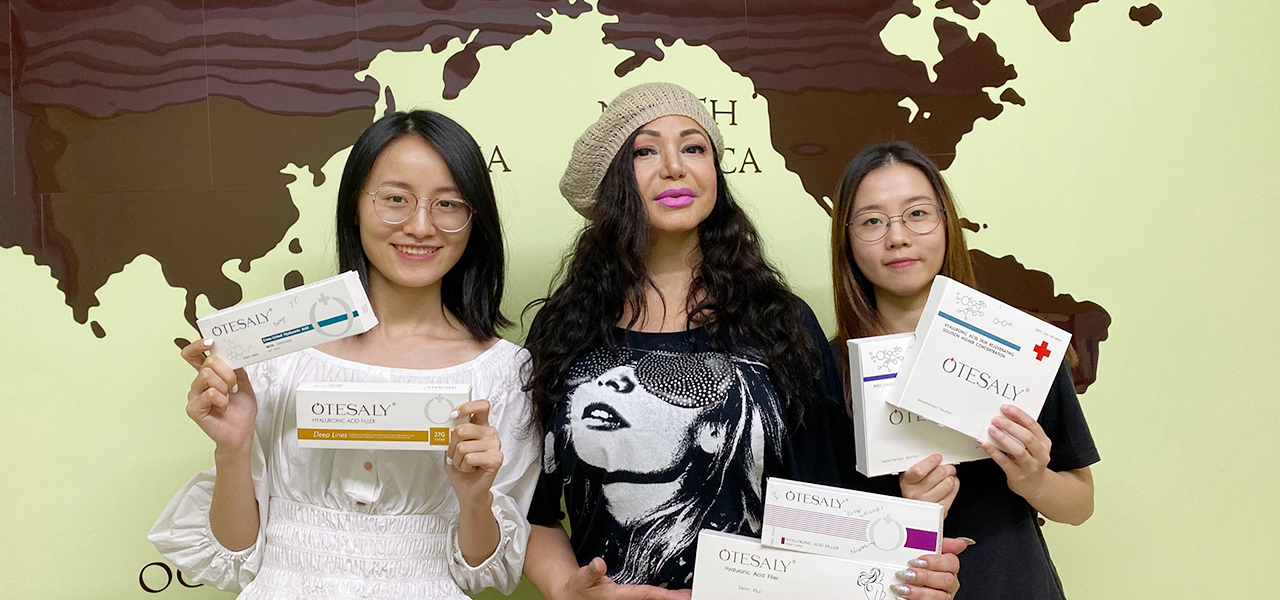
The Canadian startup founder who lost $120,000 to non-compliant stability testing became one of those partners in late 2022. We adjusted the elastic modulus and cross-link density of our Facefill Lidocaine formulation to match her brand’s target mid-face filling indication, and provided the full set of real-time aging, accelerated aging, and packaging integrity test reports to support her Health Canada product registration. Her brand is now sold across Canada and Southeast Asia, with 18 months of post-launch data showing zero stability-related complaints from clinic partners, a 42% customer repurchase rate, and 2023 annual sales topping $1.8 million.
We regularly see brands ask for longer labeled shelf life to reduce inventory waste, with some requesting 3-year or longer expiration dates regardless of formulation limits. For standard single-phase HA fillers, the evidence-backed shelf life for stable, well-formulated products is 2 years. Marking a longer shelf life without supporting data only raises safety risks for patients and compliance risks for brand owners. We never adjust labeled expiration dates to meet unreasonable client requests; every marked expiration window is tied directly to collected test data.
All shelf life validation reports we provide follow ISO 13485 documentation standards, with signed, stamped records from our in-house lab that are accepted by global regulators and available for third-party verification. If partners need supplementary stability documentation for registration or customs clearance, our technical team responds within 24 hours to provide required materials. Every shipment comes with a batch-specific certificate of analysis, including a quality guarantee for the full shelf life. If products stored under labeled conditions show performance failures within the expiration window, we cover return, replacement, and associated documented losses for our partners.
Many teams building medical aesthetics brands pour most of their resources into marketing, traffic acquisition, and price negotiation, while treating product quality controls like shelf life validation as a checkbox exercise for registration. These test protocols are not just paperwork to get products across borders. They protect patient safety, preserve brand reputation, and prevent the kind of costly, avoidable losses that can sink a new brand before it gains traction.
Next time you vet a dermal filler supplier, ask three questions before discussing unit pricing or MOQs: How many months of real-time aging data do you have for this formulation? Can you share raw test data from every sampling interval? What ongoing retention sample tracking do you run for commercial batches? If the supplier cannot give clear, documented answers to those questions, even the lowest quote comes with hidden costs that will eventually come due. Injectable products carry inherent responsibility for patient safety, and every data point in a shelf life validation report is part of upholding that responsibility.

Copyright @ 2026 AIMA International Group Co., Ltd.


