



Welcome to visit AIMA International Group
 Spain
Spain

Your browser version is too low, in order to ensure a better browsing experience,Please click to update to a higher version browser.
Talk about it later.XWelcome to visit AIMA International Group
Spain




.jpg)
Home > News > Industry Trends > Dermal Filler Packaging Integrity Testing: Protocols, Compliance Standards, and Supplier Verification for Aesthetic Brands
Industry TrendsIn 2022, a startup U.S. lip filler brand sourced 12,000 units of hyaluronic acid (HA) dermal fillers from a small-scale contract manufacturer in Southeast Asia. The products launched on Amazon and the brand’s Shopify store to strong initial sales, but three months later, 12 customer complaints rolled in reporting redness, hard lumps at injection sites, and two cases of superficial skin abscesses. The FDA launched an investigation, and the root cause had nothing to do with contaminated raw materials. The rubber plungers on the pre-filled syringes created an average 2.3-micron gap with the glass barrel. During cross-ocean shipping, Staphylococcus epidermidis from the ambient environment seeped through the gaps, contaminating the gel. The brand spent $278,000 on product recalls and customer settlements, its store rating dropped from 4.7 to 2.1, and it exited the North American filler market entirely within six months.
Most aesthetic brands evaluating dermal filler suppliers fixate on raw material purity, cross-linking technology, lidocaine concentration, and product pricing. Few dig into the details of dermal filler packaging integrity testing, even though packaging failure is the third leading cause of dermal filler adverse events, accounting for 34% of global FDA medical aesthetic product recalls between 2019 and 2023. Have you ever asked your supplier to share their step-by-step packaging testing protocols? Injectable filler packaging is not a simple container. It is the final physical barrier protecting sterile gel from contamination, degradation, and damage across the entire supply chain, from factory production line to a clinician’s treatment room.
What Exactly Is Dermal Filler Packaging Integrity Testing?
Dermal filler packaging integrity testing refers to a systematic set of validation protocols applied to pre-filled syringes, blister overwraps, and secondary shipping packaging, designed to confirm packaging maintains full protective performance through the product’s entire shelf life and supply chain journey. It is not the cursory visual check for obvious leaks many small factories run right before products leave the warehouse. For Class III medical device-grade dermal fillers, a robust testing program covers six core performance dimensions, aligned with global medical device standards:
In 2023, a German medical aesthetic wholesaler supplied a batch of mid-weight HA fillers to 17 local chain aesthetic clinics. Clients reported the products delivered 30% of the advertised longevity, with inconsistent push force during injection. Third-party lab testing found the blister packaging on the batch had an oxygen transmission rate (OTR) seven times the acceptable industry threshold. Over six months of warehouse storage, 32% of the HA cross-links broke down, and gel viscosity dropped by 41%. The wholesaler issued full refunds totaling €186,000, lost three long-term clinic clients it had worked with for over five years, and received a €42,000 fine from EU regulatory bodies for selling products that did not match registered performance claims.
Common Gaps in Packaging Integrity Testing Across the Filler Supply Chain
Many small to mid-sized contract manufacturers cut corners on packaging integrity testing to reduce operational costs. Some only run tests on the first 10 units produced at the start of a batch, then test one unit per 10,000 units for the rest of the production run, leading to a defect miss rate of over 15%. Others only test seal performance under static room temperature conditions, skipping simulations of air pressure changes at high altitude, temperature swings in unmarked shipping containers, or constant vibration during long-haul trucking. A small number of manufacturers even use recycled plastic for blister packs to cut material costs, leading to inconsistent barrier performance and risk of microplastic leaching into the filler gel.
These gaps exist because proper packaging integrity testing requires dedicated lab equipment, trained quality control staff, and 3-7 days of additional testing time per batch—costs many low-cost suppliers are unwilling to absorb.
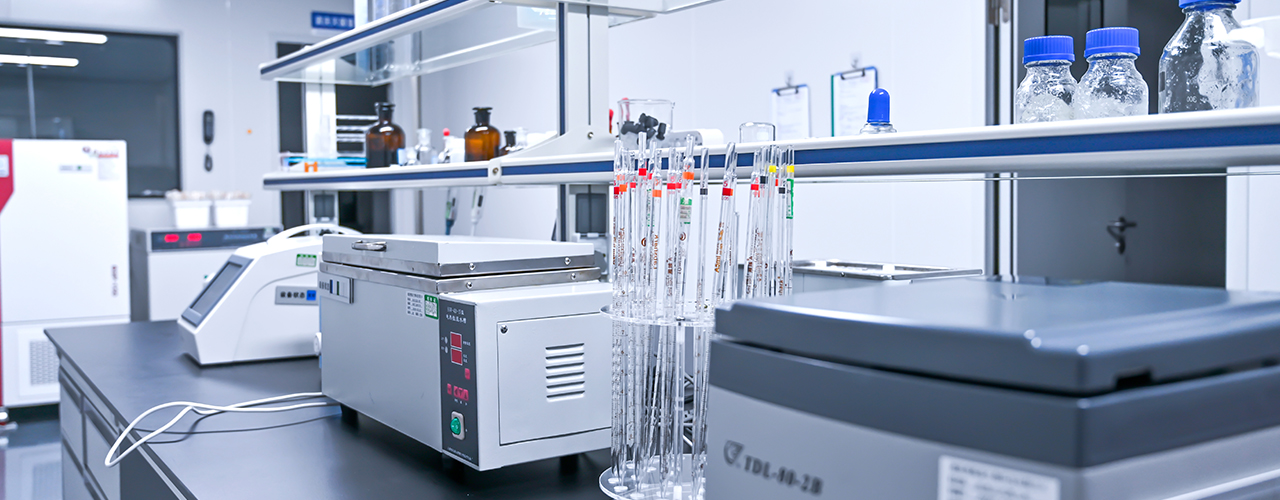
As one of the Top 10 Dermal Filler Manufacturers globally, AIMA International Group Co., Ltd. — the operator of supplierfiller.com — has embedded packaging integrity testing into every stage of production since its founding in 2003, rather than treating it as a final box-ticking exercise before shipment. The company runs a 4,800 square meter modern production base with Class 100 GMP clean rooms and three dedicated production lines. Packaging materials go through a first round of compatibility and barrier performance testing the moment they arrive at the factory warehouse, before they ever reach the production floor. During production, quality control staff pull two syringes from the line every 30 minutes to run seal strength and micro-leak checks. Once a full batch is produced, samples are sent to independent third-party labs including SGS for full packaging integrity validation before any units are cleared for shipment.
Rigorous Testing in Action: Quality Checks for Core Filler Lines
New clients often ask why AIMA’s filler pricing runs 5-8% higher than quotes from smaller factories. The answer becomes clear once they review the 27+ pages of quality control documentation included with every batch. Take one of the brand’s most popular dermal filler formulations, Facefill Lidocaine, a mid-weight HA filler blended with 0.3% lidocaine designed for nasolabial fold correction and mid-face volume restoration.
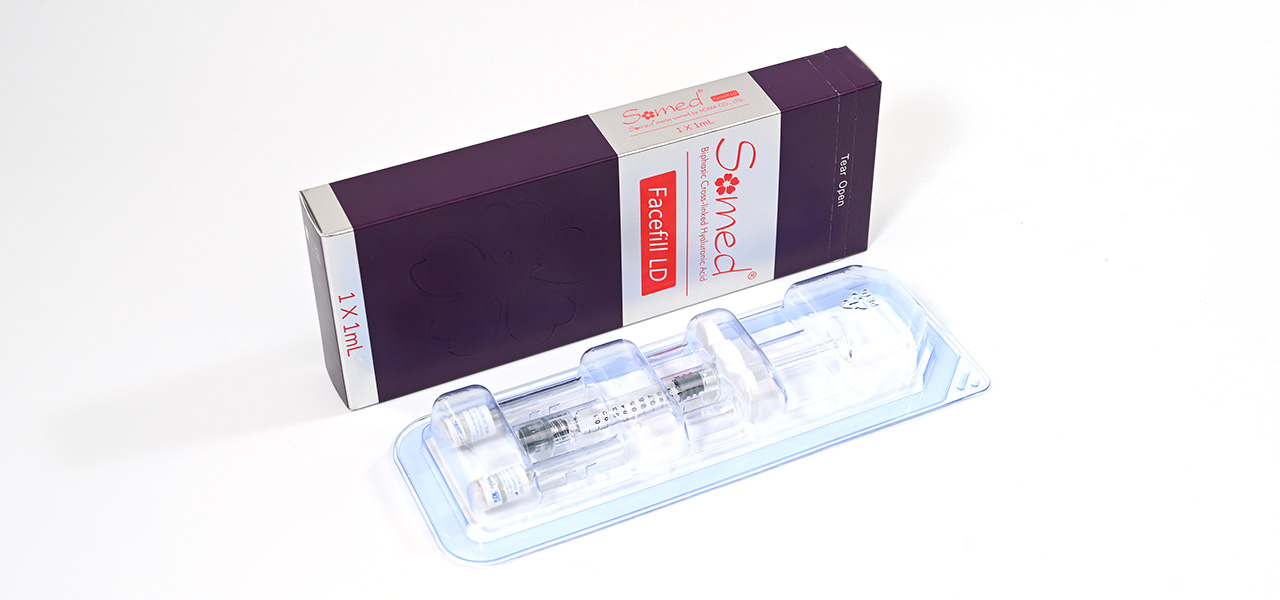
Every batch of Facefill Lidocaine goes through the full slate of packaging integrity checks before release. The formulation is produced with AIMA’s proprietary NASHA and HICE cross-linking technologies, using medical-grade non-animal sourced HA valued at $45,000 per kg, sourced from CE GMP certified suppliers with regular SGS third-party purity audits. The brand maintains a library of over 1,000 mature filler formulations to match client needs for different viscosity, longevity, and injection depth requirements. The pre-filled syringes use USP Class VI certified borosilicate glass barrels, with Teflon-coated rubber plungers that do not adsorb lidocaine from the gel or leach harmful compounds into the formulation. The blister overwrap uses pharmaceutical-grade aluminum-plastic composite film with an OTR of 0.03 cc/(m²·24h), well below the 0.1 cc/(m²·24h) industry threshold for HA fillers. Finished packaged units go through 72 hours of environmental stress testing, including 12 cycles of temperature swings between -10°C and 45°C, 3-axis vibration simulating 10,000+ km of cross-continental shipping, and 1.2m drop tests to replicate rough handling by logistics providers. No unit leaves the warehouse unless it passes every single test.
AIMA holds ISO 13485 quality management certification, follows Class III medical device production specifications, and maintains FDA VCRP registration and EU CE certification for all its filler lines. The company produces up to 5 million filler units annually, with a monthly production capacity of 50,000 units. Even at this scale, testing protocols never get scaled back. Teams across the factory have seen too many brands lose years of built-up reputation over a tiny, preventable seal defect.
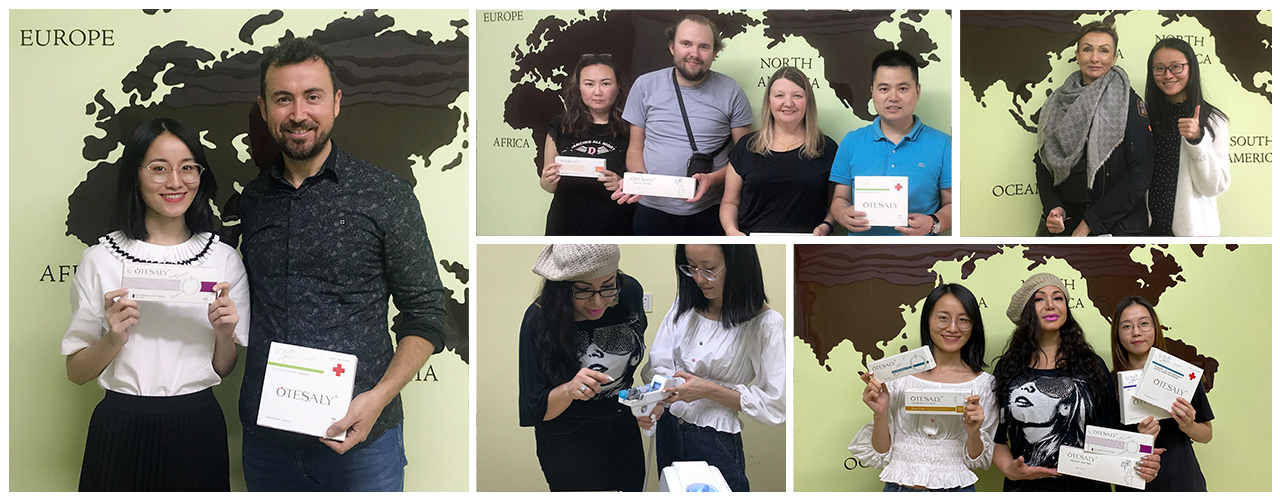
As of 2024, AIMA has provided custom OEM/ODM solutions for over 521 aesthetic brands across 60+ countries. The company supports both emerging brands with no MOQ pressure, flexible order terms, and end-to-end support from brand positioning, logo design, custom packaging, to formula and concentration adjustments, and large-scale enterprise clients with volume-based bulk discounts. Sample orders ship in 3-5 working days, bulk orders deliver in 15-20 days, and expedited production options are available for clients with tight launch timelines. For every order, clients receive full batch documentation, including complete packaging integrity test reports, SGS third-party inspection records, CE and FDA registration files, all of which can be used to support local market regulatory registration and sales compliance.
What to Verify When Auditing a Supplier’s Packaging Testing Protocols
Brands sourcing dermal fillers should never take a sales representative’s word that “packaging is secure.” There are four concrete checks to run during supplier audits to avoid costly packaging-related failures:
Packaging integrity testing is often framed as an added cost, but it is one of the highest-return investments a filler brand can make. The per-unit cost of running full packaging tests averages less than $0.12 per syringe. A single packaging-related recall, by contrast, can cost hundreds of thousands of dollars in fines, refunds, and long-term brand damage that takes years to repair. One Australian client that partnered with AIMA in 2022 previously lost over $120,000 to leakage and product degradation issues from a prior supplier. Two years later, the brand ranks in the top three for online dermal filler sales in the Australian market, with zero packaging-related customer complaints across 180,000 units sold.
Brands can review full testing protocols, product specifications, and OEM/ODM service details for all AIMA dermal filler lines directly on supplierfiller.com, or reach out to the team to request sample products and full batch documentation for review before placing orders.

Copyright @ 2026 AIMA International Group Co., Ltd.


