



Welcome to visit AIMA International Group
 Spain
Spain

Your browser version is too low, in order to ensure a better browsing experience,Please click to update to a higher version browser.
Talk about it later.XWelcome to visit AIMA International Group
Spain




.jpg)
Home > News > Industry Trends > Dermal Filler Stability Testing: Full Protocols, Compliance Standards, and How Top Manufacturers Validate Product Safety
Industry TrendsAnyone sourcing or formulating dermal fillers has heard horror stories of batches that separated in transit, lost viscosity after three months on the shelf, or triggered unexpected inflammatory reactions in patients long after passing initial quality checks. Most of these issues trace back to one gap in the production process: incomplete, rushed, or entirely skipped dermal filler stability testing. Unlike topical skincare products, dermal fillers are Class III medical devices injected directly into dermal and subdermal tissue, so even minor shifts in formulation over time can lead to uneven results, patient discomfort, or serious adverse events.
What Exactly Does Dermal Filler Stability Testing Measure?
Stability testing for dermal fillers is a multi-stage, long-term assessment designed to confirm a product maintains consistent safety, performance, and chemical properties across its entire labeled shelf life, through expected transportation and storage conditions, and right up to the point of injection. It is not a single pass/fail test run on a single batch right after production. It is an ongoing quality control process that tracks changes across dozens of metrics over months or years.
The High Cost of Cutting Corners on Stability Testing
We have worked with hundreds of brands that learned this lesson the hard way, often after losing tens of thousands of dollars to product recalls, patient compensation, and permanent damage to their brand reputation.
In 2022, a startup dermal filler brand from Poland reached out to our team after a disastrous first product launch. They had partnered with a small contract manufacturer that offered rock-bottom pricing, but the manufacturer only ran basic quality checks on finished products before shipping, with no ongoing stability program. Six months after launch, the brand started receiving reports from clinics: syringes from the same batch had wildly different extrusion forces—some were so hard to push that clinicians struggled to inject through 30G needles, others were thin and watery with no lifting capacity. Three patients developed persistent redness and swelling lasting more than two weeks after injection, and one patient developed a hard subcutaneous nodule that required dissolution with hyaluronidase. Third-party testing of retained samples found that cross-linked HA in the syringes had degraded by 32% after six months of storage, with cross-link density varying by 27% between individual syringes in the same batch. Residual free BDDE levels hit 3.8μg/g, nearly double the EU safety limit of 2μg/g, because the manufacturer never tested for leachable cross-linkers as the HA network broke down over time. The brand was forced to recall 12,000 syringes, issue public apologies, and rebuild their entire product line from scratch.
A second case came in 2023, when a large medical aesthetics distributor from Saudi Arabia connected with our team at a regional trade show. They had been sourcing a PLLA-based dermal filler from another supplier for 18 months, and started receiving complaints after a particularly hot summer. Products stored in their Riyadh warehouse, where summer temperatures regularly hit 42°C even with climate control, developed distinct layers after three months of storage: a thin, watery clear layer on top, and a dense white sediment of PLLA microspheres at the bottom of the syringe that would not fully resuspend even with vigorous shaking. Twelve patients who received these products developed 0.5-1cm subcutaneous nodules from agglomerated PLLA particles, leading to more than $120,000 in patient compensation and a temporary hit to the distributor’s reputation with local clinics. The root cause? The supplier had only tested the filler’s stability at a constant 25°C lab temperature for one month before launch, never running high-temperature storage tests or validating that the suspension system would hold up in extreme heat.
These are not rare edge cases. A 2023 industry audit of 47 small-batch dermal filler brands on the global market found that 62% did not have complete, third-party verified stability data to support their labeled 2-year shelf life, and 38% failed basic accelerated stability tests when evaluated by independent labs.
How Top Manufacturers Build Stability Into Every Batch
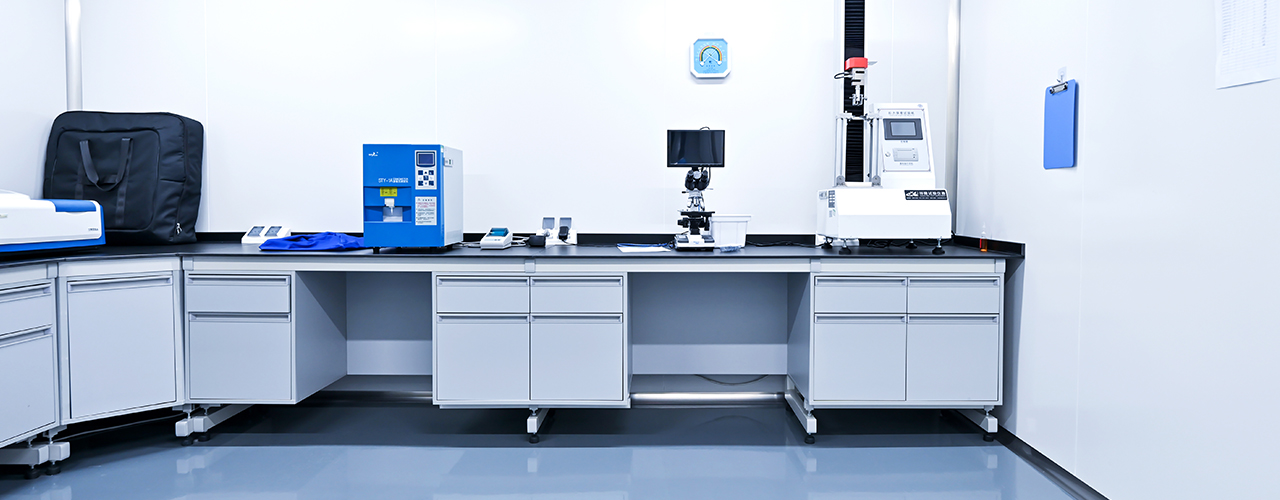
As one of the top 10 dermal filler manufacturers globally, AIMA International Group Co., Ltd. has built its 20+ year reputation on rigorous stability testing that outpaces basic regulatory requirements, since our founding in 2003. Our 4,800 square meter modern production base operates Class 100 GMP clean rooms across 3 dedicated production lines, with a dedicated quality control lab that runs stability testing on every single batch we produce.
We start stability checks at the raw material stage: all our medical-grade, non-animal derived HA is sourced from CE GMP-certified suppliers, with a purity level that puts raw material costs at $45,000 per kilogram. Every incoming raw material lot goes through initial stability screening before it even enters production, with regular third-party testing from SGS to validate purity and consistency. Our core NASHA and HICE cross-linking technologies create more uniform, degradation-resistant HA networks than standard cross-linking methods, giving our formulations a built-in stability advantage from the start. With more than 1,000 mature formulations in our R&D library, we have decades of data on how different ingredient combinations perform across storage conditions, eliminating the trial-and-error that leads to unstable products from newer manufacturers.
Take our PllaHAfill Lidocaine for example, a biostimulatory filler that combines cross-linked HA, non-cross-linked HA, PLLA microspheres, and 0.3% lidocaine for long-lasting volume restoration with minimal injection pain. This type of combination filler has far more complex stability requirements than single-ingredient HA fillers: formulators have to prevent PLLA microsphere agglomeration and sedimentation, maintain consistent HA cross-link density, keep lidocaine concentrations within a narrow therapeutic range, and ensure no leachable compounds trigger inflammation over the product’s 24-month shelf life.
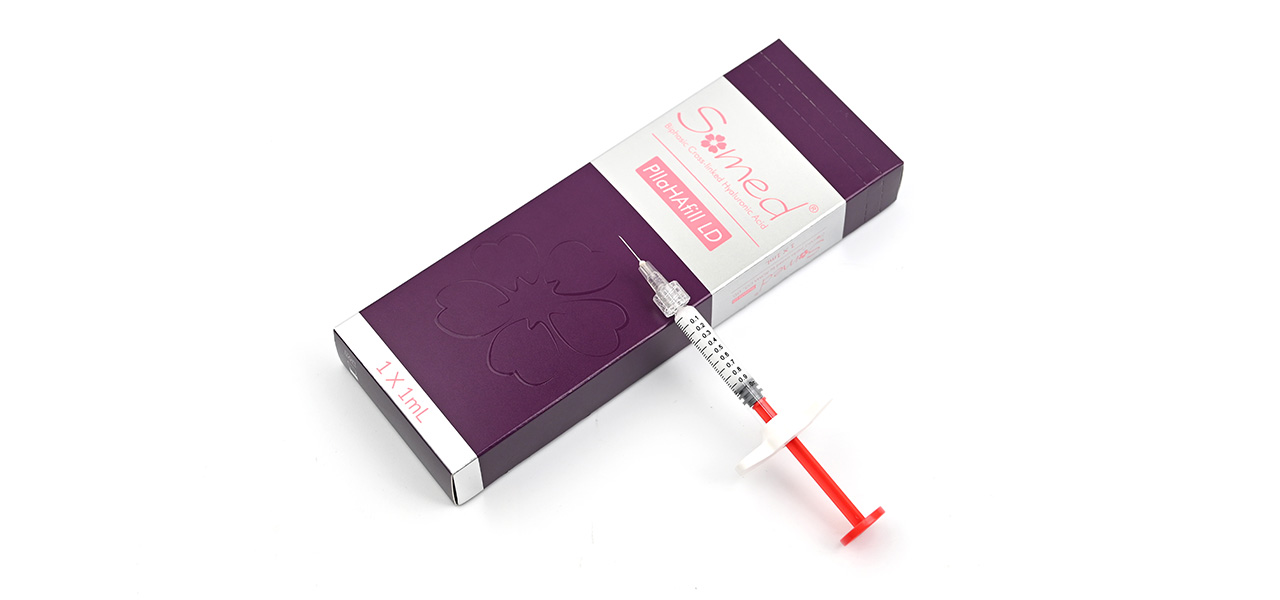
Before this product ever launched to market, our R&D team ran 30 months of stability testing across all required parameters:
This rigorous testing is why the Saudi Arabian distributor we mentioned earlier now orders 8,000 units of PllaHAfill Lidocaine per month, with zero reports of separation, nodule formation, or performance inconsistency even during the hottest summer months. The Polish startup brand we worked with also switched their entire product line to our manufacturing, using our stability test reports to secure CE marking for their branded line, and now supplies more than 120 clinics across Poland with a 68% client reorder rate.
What to Ask Your Supplier About Stability Testing
Brands, distributors, and clinics sourcing dermal fillers do not need to run their own stability tests to vet products, but they do need to ask the right questions to avoid partnering with manufacturers that cut corners:
As a medical aesthetics wholesale supplier, we provide full access to all stability documentation, regulatory certificates, and batch records for every client, whether they are ordering a small sample batch to launch a new brand or placing bulk orders for national distribution. Our production capacity hits 5 million units annually, with 50,000 units of monthly capacity to support orders of all sizes. We offer flexible OEM/ODM services with no MOQ pressure for emerging brands, including support with brand positioning, logo design, custom packaging, and tailored formulation and concentration adjustments, alongside volume discounts for large enterprise clients. Sample orders ship in 3-5 working days, with bulk orders delivered in 15-20 days, and expedited production options available for tight timelines. To date, we have delivered custom dermal filler solutions for more than 521 brands across 60+ countries.
Dermal filler performance and safety does not end when a syringe comes off the production line. The months a product spends in transit, on warehouse shelves, and in clinic storage are just as critical to patient outcomes as the formulation itself. Rushing stability testing to get products to market faster might save money in the short term, but it erodes trust with clinics and patients, and creates avoidable risk for everyone in the supply chain. We work with every client to match stability protocols to their specific market needs, so the product that arrives in a clinic’s exam room performs exactly as it was designed to, every single time.

Copyright @ 2026 AIMA International Group Co., Ltd.


