
Welcome to visit AIMA International Group
 Spain
Spain

Your browser version is too low, in order to ensure a better browsing experience,Please click to update to a higher version browser.
Talk about it later.XWelcome to visit AIMA International Group
Spain


.jpg)
Home > News > Industry Trends > Dermal Filler Rheology Explained: How Gel Properties Shape Clinical Results
Industry TrendsIf you’ve ever injected a dermal filler that felt too runny to hold a lifted cheek contour, or so stiff that it left visible lumps under thin perioral skin, you’ve encountered the real-world impact of rheology. Most product spec sheets lead with hyaluronic acid (HA) concentration and crosslinking percentage, but those numbers tell less than half the story of how a filler will perform once it enters tissue. Even two fillers with identical 20mg/ml HA content and identical crosslinking rates can produce wildly different clinical results, all because of differences in how the gel flows, deforms, and holds shape under skin.
What Exactly Is Dermal Filler Rheology?
Rheology is the branch of physics focused on how materials flow and change shape when placed under stress. For dermal fillers, that stress starts the moment you press down on the syringe plunger, continues as the gel moves through the needle or cannula into tissue, and lasts for months as the gel withstands constant movement from facial muscles, pressure from overlying fat and skin, and gradual degradation from natural hyaluronidase in the body.
A common misconception floats among newer injectors and brand owners: higher HA concentration equals better lift and longer duration. That assumption has led to thousands of bad patient outcomes. A 25mg/ml filler with poor crosslink structure can have less lifting capacity than a well-formulated 18mg/ml filler, because rheology — not raw concentration — dictates how the gel behaves in vivo. Many budget manufacturers cut corners by boosting HA concentration to create a firmer feel at room temperature, but that firmness vanishes the moment the gel warms to body temperature, leading to rapid migration and early breakdown.
Core Rheology Metrics Every Injector and Brand Owner Should Know
You don’t need a material science degree to evaluate filler rheology, but you do need to know what each common metric means for clinical performance. All valid rheology testing for dermal fillers is conducted at 37°C, matching normal human body temperature — tests run at room temperature produce artificially high G’ values that have no relevance to real patient results.
We’ve seen first-hand what happens when brands and clinics ignore these metrics. Take a Barcelona-based aesthetic clinic that reached out to the AIMA team in 2022. The clinic had been sourcing a budget private-label cheek filler from a small manufacturer, marketed as a “high-lift volumizer” with 24mg/ml HA. Within three months, 18 of their patients reported filler migration — the gel had slid down from the cheek apex to the lower mid-face, creating a jowly appearance that required multiple hyaluronidase sessions to correct. When the clinic sent samples of the filler to an independent lab for testing, they found the product’s labeled G’ value of 300Pa was wildly inaccurate; actual G’ measured just 87Pa, with a tanδ of 0.72, meaning it had almost no elastic structure and flowed easily under tissue pressure.
A second scenario played out with a startup aesthetic brand based in Los Angeles, preparing to launch their first lip filler line in 2023. Their initial manufacturer produced a filler with a G’ value perfectly suited for lip volume (120Pa), but the extrusion force hit 32N through a 27G needle. Every injector who tested the product complained of hand cramping during full lip procedures, and 30% of test patients developed small, palpable nodules because the uneven extrusion pressure forced clumps of gel into the tissue. The brand had already spent $120,000 on packaging and pre-launch marketing, and faced a total product write-off before they ever made a single retail sale.
How AIMA Engineers Rheology for Consistent Clinical Results
As a recipient of the “Top 10 Dermal Filler Manufacturers” industry award, with operations dating back to 2003, AIMA International Group Co., Ltd. has spent two decades refining how we tune gel rheology to match specific clinical needs. We don’t rely on generic, one-size-fits-all gel formulations. Our core NASHA (Non-Animal Stabilized Hyaluronic Acid) and HICE (Highly Cohesive Crosslinking Technology) platforms let us adjust individual rheology metrics independently, so we don’t have to trade off high lifting power for smooth extrusion, or high cohesivity for natural tissue integration.
We start with raw material quality, because no amount of process tuning can fix inconsistent input material. We use medical-grade, non-animal derived hyaluronic acid sourced exclusively from CE GMP-certified suppliers, with a purity grade valued at $45,000 per kilogram. Every raw material batch undergoes third-party testing via SGS to ensure no residual crosslinkers, protein impurities, or contaminants that could alter gel consistency or trigger adverse reactions.
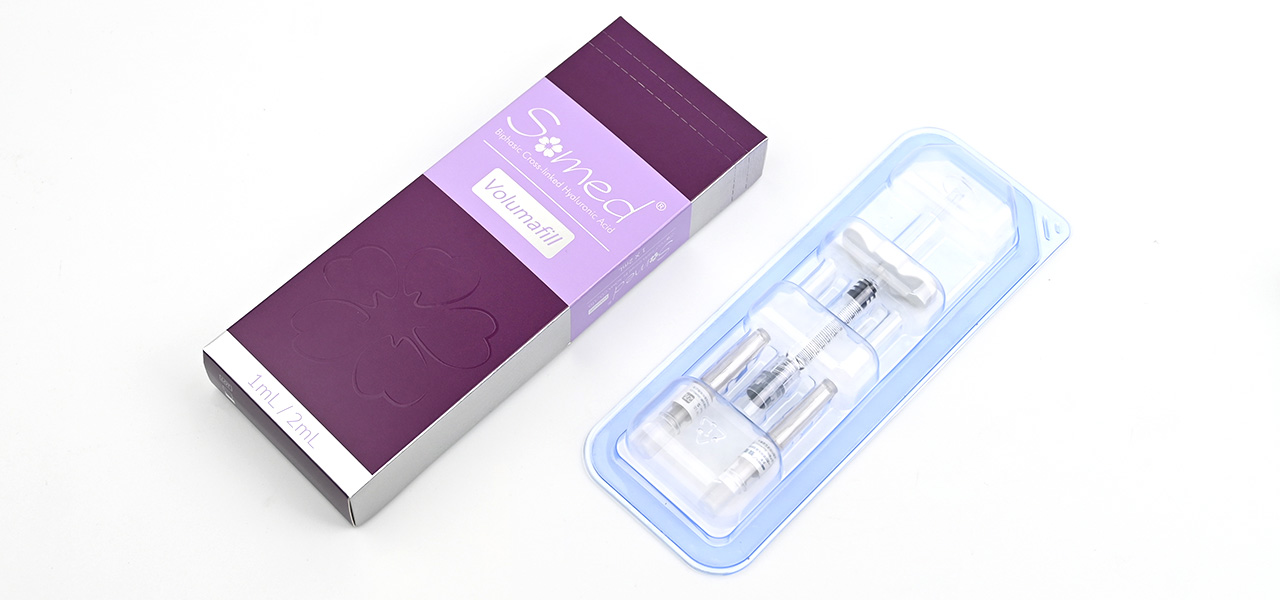
For deep volumetric correction, our Volumafill dermal filler is calibrated specifically to address the exact pain points clinics and brands face with poorly formulated volumizers. Unlike budget fillers that post misleading room-temperature rheology numbers, every Volumafill parameter is measured at 37°C to reflect real in-vivo performance:
Consistency matters more than any single rheology number. A filler that hits a perfect G’ value one batch and is 50% softer the next will erode patient trust and lead to unpredictable results. Every batch of Volumafill, and every other filler we produce, is tested on a rotational rheometer in our in-house quality control lab before it leaves the facility.
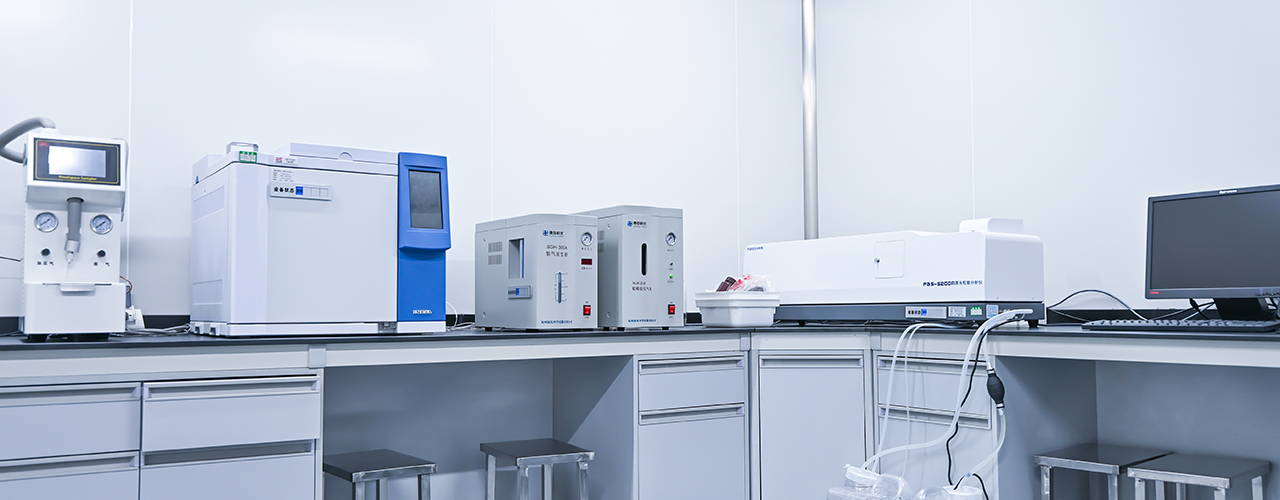
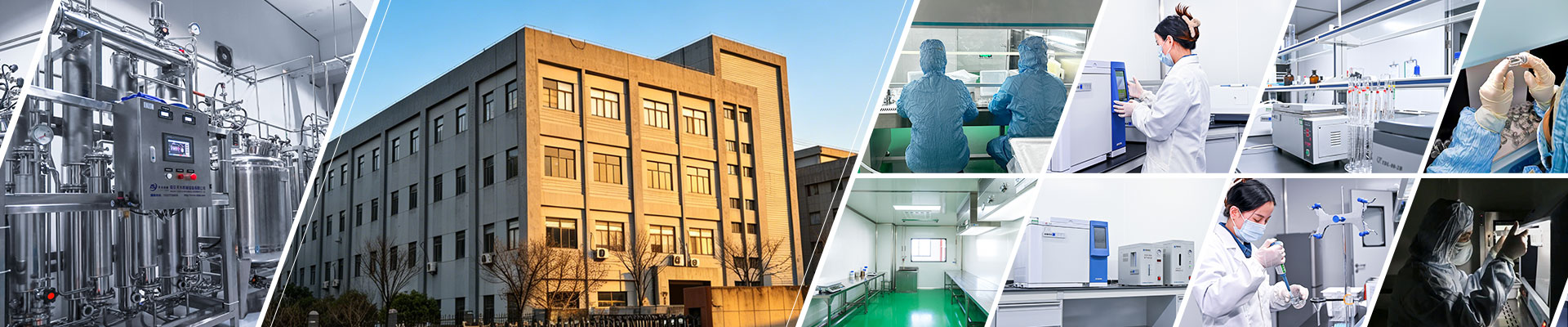
Our 4,800 square meter GMP Class 100 clean room facility runs three dedicated production lines, with annual production capacity of 5 million units and monthly output of up to 50,000 units. Process controls hold rheology parameter variance to within ±5% across every syringe — a level of consistency most small manufacturers cannot match, even at twice the price point. We don’t hide test data behind marketing claims. Every medical aesthetics wholesale client receives a full batch-specific test report, including full rheology profiles, sterility results, and impurity screening, so they can answer any injector or patient question with hard, verifiable data. All production follows ISO 13485 quality management standards and Class III medical device manufacturing requirements, with full CE certification and FDA VCRP registration to support market entry across North America, Europe, the Middle East, and APAC.
Matching Rheology Profiles to Clinical Use Cases
There is no “best” rheology profile for all filler uses. The right profile depends entirely on injection depth, treatment area, and patient goal. Misplacing a high-G’ structural filler in the superficial dermis, or using a low-G’ fine line filler for jawline contour, is a recipe for bad results, no matter how high quality the product is.
For brands building their own dermal filler lines, we don’t force pre-set formulations. Our R&D team holds more than 1,000 mature formulations, and we can adjust every rheology parameter to match your brand’s target clinical use case, from ultra-soft skinboosters to firm structural volumizers. We support every stage of brand growth, with no MOQ pressure for emerging brands testing their first product runs, and tiered bulk discount structures for large-scale enterprise clients. Our end-to-end OEM/ODM support covers brand positioning, logo design, custom packaging, and tailored formulation adjustments for specific market needs. Sample orders ship in 3-5 business days, with bulk production runs delivered in 15-20 days, plus expedited production options for tight launch timelines. To date, we’ve built custom filler formulations for 521 brands across 47 countries.
The Barcelona clinic that struggled with migrating filler switched to Volumafill for their deep cheek contour procedures in late 2022. At their 6-month follow-up check, they recorded zero cases of migration, and patient satisfaction for cheek treatments jumped from 62% to 94%. The Los Angeles lip filler startup worked with our R&D team to adjust their formulation, tuning the crosslink density and gel particle size to bring extrusion force down to 19N while retaining their target 120Pa G’ value. The brand launched in early 2024, and hit 12,000 units sold in their first six months, with an injector satisfaction score of 4.8/5.
Rheology isn’t some abstract lab metric reserved for material scientists. It’s the reason one filler feels natural and lasts as advertised, and another leaves patients with lumps, migration, and regret. When you source dermal fillers — whether for your own clinic or for a global retail brand — skip the marketing buzzwords, ask for full, temperature-matched rheology test reports, and work with a manufacturer that understands how small adjustments to gel physics change real patient outcomes. All our wholesale partners have access to our full technical library, including rheology guides for every product, injection training resources, and ongoing support from our clinical and R&D teams to ensure every treatment delivers consistent, natural results.

Copyright @ 2026 AIMA International Group Co., Ltd.