



Welcome to visit AIMA International Group
 Spain
Spain

Your browser version is too low, in order to ensure a better browsing experience,Please click to update to a higher version browser.
Talk about it later.XWelcome to visit AIMA International Group
Spain




.jpg)
Home > News > Industry Trends > Dermal Filler Quality Control Tests: What Every Clinic, Brand, and Distributor Needs to Know Before Sourcing
Industry TrendsHave you ever wondered why two dermal fillers labeled with identical hyaluronic acid concentration can feel completely different during injection, or trigger wildly different patient reactions? In 2022, a small aesthetics brand based in Poland reached out to our team after a devastating product recall. They had sourced 12,000 syringes of crosslinked HA dermal filler from a supplier offering prices 40% below market average, and skipped requests for full quality control documentation to speed up their launch. Within three weeks of rolling out the product, 11 patients reported severe localized inflammation, abscesses, and prolonged redness post-injection. Independent lab testing later found the filler carried bacterial endotoxin levels 12 times the allowable limit for injectable medical devices. The brand paid out over €127,000 in patient compensation, lost 80% of their stockist accounts in six months, and came within weeks of shutting down entirely.
Stories like this are far too common in the global dermal filler market, where unvetted suppliers cut corners on quality control to undercut prices. Unlike topical skincare products, dermal fillers are injected beneath the skin, often into deep dermal or subdermal layers. A single failed quality test can lead to permanent patient harm, massive legal liability, and irreversible damage to a brand or clinic’s reputation.
Many new buyers assume quality control starts and ends with a quick visual check of sealed syringes before shipment. In reality, compliant dermal filler testing is a layered, end-to-end process that covers every stage of production, from raw material delivery to final packaged product. For medical device-grade dermal fillers, there are no shortcuts — every test exists to mitigate a specific, documented risk to patient safety.
A large share of dermal filler quality issues trace back to untested raw materials. Low-cost suppliers often source industrial-grade hyaluronic acid produced for food or cosmetic use, which costs a fraction of medical-grade material but carries high levels of residual proteins, heavy metals, and microbial contaminants.
Founded in 2003, AIMA International Group Co., Ltd. is a dedicated medical aesthetics manufacturer offering OEM/ODM services for global partners. We use high-purity, non-animal derived medical-grade hyaluronic acid, with a raw material cost of $45,000 per kilogram. All raw material suppliers hold full CE and GMP certifications, and undergo regular third-party audits from firms including SGS to ensure consistent quality across every delivery. Every batch of raw material goes through a mandatory test battery before it ever reaches the production floor:
Our 4,800-square-meter modern production facility houses three dedicated production lines within Class 100 GMP clean rooms, where 100% of incoming raw material tests are run in our connected in-house lab, eliminating the risk of contaminated material moving into production. 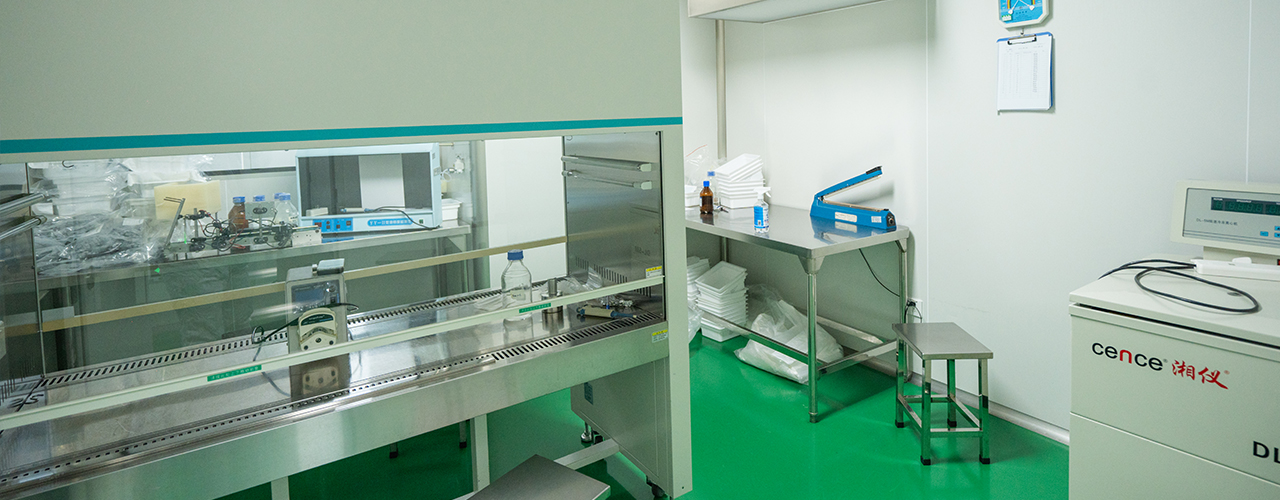
Our in-house R&D team holds over 1000 mature, tested dermal filler formulations, built on our proprietary NASHA and HICE crosslinking technologies. During production, technicians pull samples at set intervals to run tests that catch inconsistencies before product is filled into syringes. Core in-process tests include:
Take our CaHafill Lidocaine formulation as an example. This CaHA-based dermal filler is designed for deep volume restoration and long-term collagen stimulation, with 0.3% lidocaine added to reduce patient discomfort during injection. During production, every 20 minutes of the mixing process, lab technicians pull samples to test CaHA microsphere size distribution (target range 25-45μm, small enough to avoid needle clogging, large enough to trigger controlled collagen production) and lidocaine concentration (tolerance range ±2% of labeled value, far stricter than the industry standard ±10% threshold). 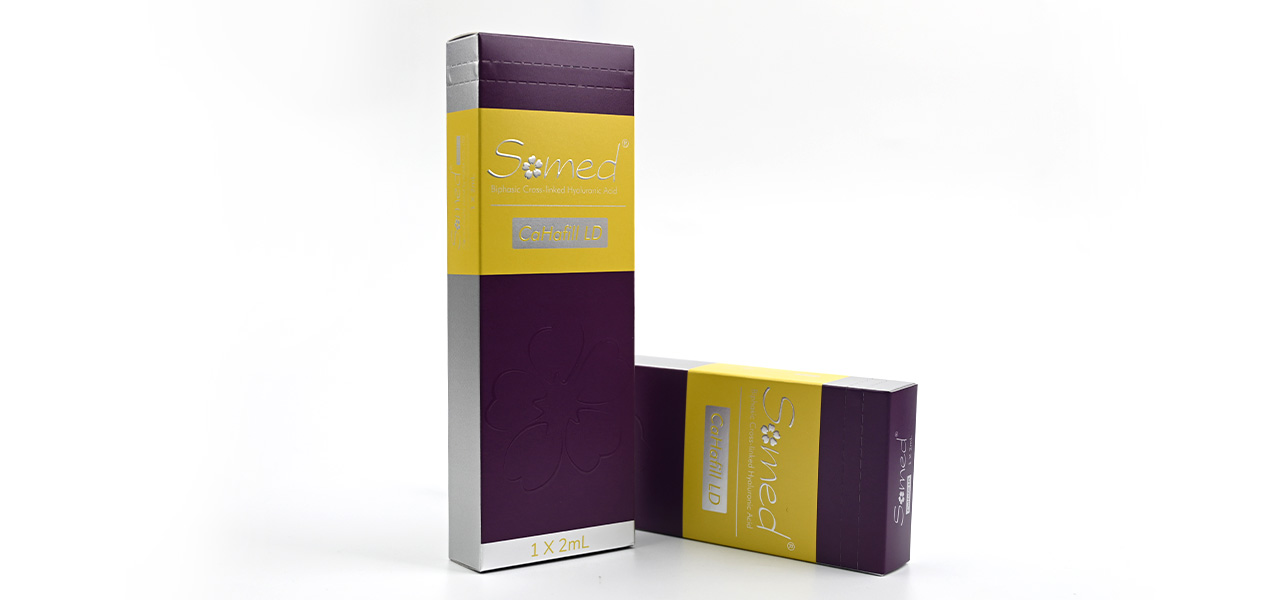
A large aesthetic clinic chain based in the UAE learned the cost of skipping these checks the hard way in 2023, when they sourced a generic CaHA filler from a low-cost supplier to cut operational costs. The supplier skipped in-process homogeneity checks, leading to lidocaine concentrations that varied by 18% across syringes in the same batch. Some patients felt searing pain during injection because their syringe contained almost no lidocaine, while others experienced facial numbness that lasted more than 48 hours from syringes with excess lidocaine. The chain switched to our CaHafill Lidocaine line after that incident, and has reported zero adverse events linked to ingredient inconsistency across 14 months of regular orders.
Our annual production capacity hits 5 million syringes, with a monthly output of up to 50,000 syringes. We never ramp production at the cost of final pre-shipment testing, which acts as the last safety net before product reaches partners and patients. Every production batch goes through a full final test battery:
As a recipient of the “Top 10 Global Dermal Filler Manufacturers” award, we hold ISO 13485 certification, comply with Class III medical device manufacturing specifications, hold EU CE certification for our filler lines, and are registered with the U.S. FDA Voluntary Cosmetic Registration Program. Across 20 years of production, our batch rejection rate for failed QC tests sits at 3.2%, and post-market adverse event reports are below 0.02% of all syringes sold — a track record we maintain by never releasing a batch that does not meet every test threshold, even if it means delaying a shipment. We meet hundreds of clinic owners, brand founders, and distributors every year at industry events like the Dubai Beauty Exhibition, where we bring full batch test reports for attendees to review on site. 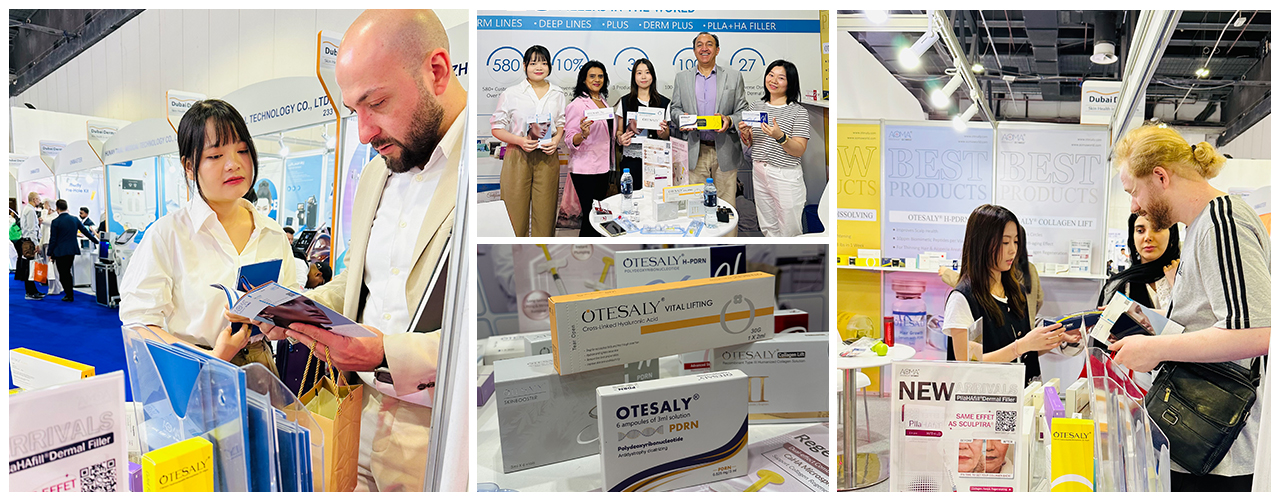
If a supplier offers dermal fillers at prices that seem too good to be true, they are almost certainly cutting corners on one or more required tests. Some of the most common shortcuts we have identified across two decades in the industry include:
Do the math: if a supplier is selling a 1ml crosslinked HA filler for $8 per syringe, how can they afford to run $2,000 worth of HPLC, endotoxin, and sterility tests on every batch, let alone use high-purity medical grade raw materials? The numbers simply do not add up.
You do not need to run independent lab tests on every batch you source, but you should always request the following documents before placing a bulk order, to confirm a supplier follows rigorous QC protocols:
For brands building their own dermal filler lines, our QC protocols apply equally to custom formulations. We offer end-to-end OEM/ODM support covering brand positioning, logo design, custom packaging, and formula and concentration adjustments, with no MOQ pressure for new brands looking to launch their first product line, and volume discounts for large enterprise partners. Sample orders ship in 3-5 business days, bulk orders deliver in 15-20 days, and expedited production options are available for time-sensitive launches. To date, we have developed custom dermal filler solutions for over 521 brands across 60+ countries.
Dermal filler quality control is not a single test, or a checkbox on a compliance form. It is a layered, consistent process that starts the moment raw material arrives at the production facility, and continues through every step of manufacturing, packaging, and shipping. For clinics, cutting corners on QC to save a few dollars per syringe can erode years of patient trust. For brands, a single QC failure can sink a business before it gains traction. For distributors, selling untested product can lead to permanent bans from regional markets, and significant legal liability.
When you source dermal fillers, ask specific questions about test protocols. Ask to see batch records. Ask how many samples per batch are tested, and what failure thresholds are in place. Any supplier that is confident in their QC processes will not hesitate to share that information.

Copyright @ 2026 AIMA International Group Co., Ltd.


