



Welcome to visit AIMA International Group
 Spain
Spain

Your browser version is too low, in order to ensure a better browsing experience,Please click to update to a higher version browser.
Talk about it later.XWelcome to visit AIMA International Group
Spain




.jpg)
Home > News > Industry Trends > Dermal Filler COA Explained: What It Covers, Common Scams, and How to Verify Authenticity for Your Aesthetic Practice
Industry TrendsLast year, a small medical spa owner in Miami named Mia lost $120,000 in client settlements and faced 6 months of state medical board investigation after three patients developed hard, tender nodules at filler injection sites. She had purchased dermal fillers from an unvetted online supplier offering prices 35% below market rate, and the seller had provided a one-page PDF labeled “COA” to “prove” product legitimacy. The document turned out to be doctored—lifted from a competing brand’s 2021 batch report, with the logo swapped and numbers altered to hide unsterile production and non-medical grade hyaluronic acid content.
Half a world away in Dubai, a chain aesthetic clinic’s procurement director Karim lost 78,000 AED in refunds and restocking fees after a batch of lip fillers left patients reporting extreme injection pain and delayed redness. The COA provided by his then-supplier only listed hyaluronic acid concentration with a generic “pass” mark, with no data on lidocaine content or endotoxin levels. Third-party testing later revealed the batch contained 30% of the labeled lidocaine dose and carried endotoxin levels 3x the EU safety limit.
These stories are not outliers. A 2023 report from the International Association for Medical Aesthetics found that 42% of grey market dermal fillers sold online come with forged or incomplete COAs, and 68% of practice owners who purchased these products could not name more than two core line items to check on a legitimate COA. If you have ever treated a COA as a perfunctory checkbox in your procurement process, this breakdown will walk you through exactly what these documents are, what they must include, and how to avoid getting scammed.
COA stands for Certificate of Analysis. Unlike broad compliance documents such as CE marks or FDA facility registrations—which apply to an entire product line or manufacturing site—a valid dermal filler COA is a batch-specific quality report issued after a production run completes full testing. It acts as a birth certificate for that exact set of filler units, listing verifiable test results to confirm the product matches labeled formulations, meets global safety standards, and carries no hidden contaminants.
Many new practice owners confuse COAs with other compliance paperwork. A CE certificate proves a product category meets EU safety rules, but it says nothing about whether a specific batch was contaminated during production. An FDA VCRP registration confirms a manufacturer has submitted product ingredient data to the agency, but it does not test individual batches for crosslinker residue or endotoxin levels. Think of it this way: a driver’s license proves someone is legally allowed to drive, but a pre-trip inspection report confirms their specific car has working brakes and no mechanical faults on the day you ride with them. The COA is that pre-trip inspection for every batch of filler you order.
A legitimate COA is never a single line saying “product passes quality checks”. It will include concrete, numerical test results for every parameter that impacts patient safety and product performance. Skip any supplier that sends a COA missing any of the items below:
This is exactly where Karim went wrong with his previous supplier. The COA he received skipped every safety and performance metric beyond HA concentration, so he had no way of knowing the lidocaine content was too low to reduce patient pain, or that endotoxin levels were high enough to trigger adverse reactions.
As dermal filler demand continues to rise, bad actors have become increasingly sophisticated at faking COAs to move low-quality, unsterile product. Watch for these common red flags during supplier vetting:
If a supplier can’t even be bothered to produce an accurate, batch-specific COA, what corners are they cutting on the actual production floor?
As a manufacturer named among the top 10 dermal filler producers globally, AIMA International Group Co., Ltd.—the team behind supplierfiller.com—builds COA transparency into every step of its production workflow. Founded in 2003, the company operates a 4,800 square meter modern production base with Class 100 GMP clean rooms and 3 dedicated production lines, running every batch through 12 separate quality checkpoints before any COA is issued. Raw materials are sourced exclusively from CE GMP certified suppliers, using high-purity medical grade non-animal hyaluronic acid valued at $45,000 per kilogram, with regular third-party testing from SGS to validate raw material purity. All test data is stored in a searchable digital system, accessible to every wholesale customer for batch traceability.
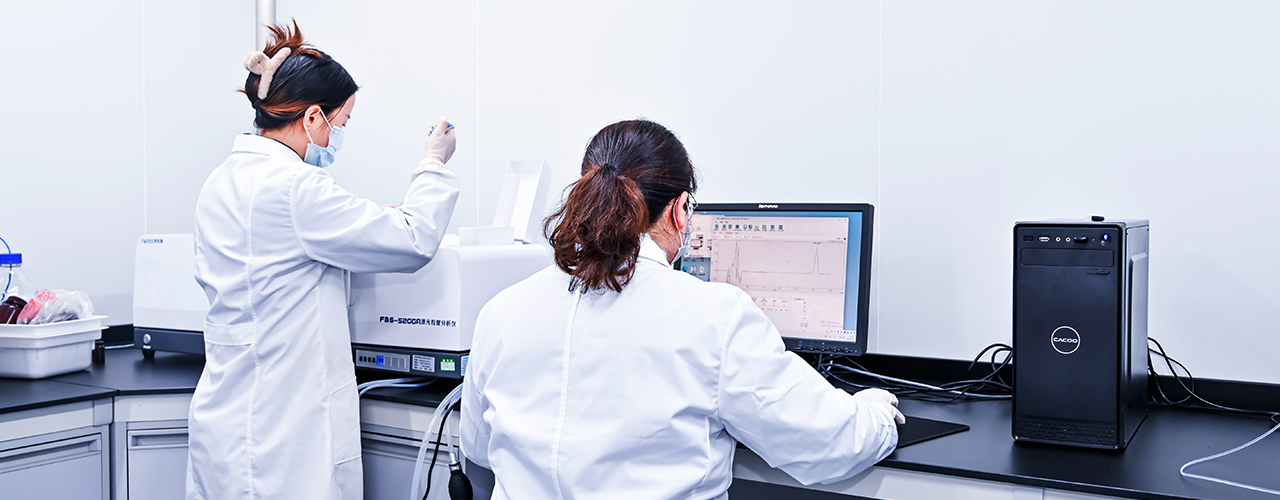
You don’t need a lab science degree to confirm a COA is legitimate. These three steps will catch 99% of fake or incomplete reports before you accept a shipment:
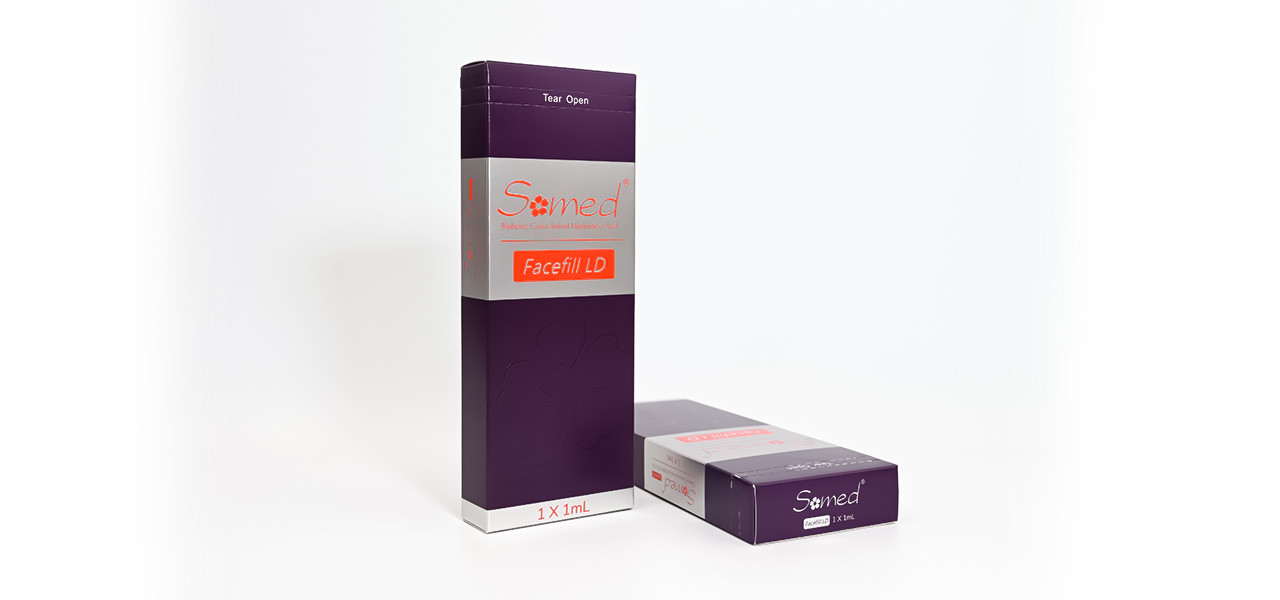
One of the most popular dermal filler options available through supplierfiller.com is Facefill Lidocaine, a mid-viscosity HA filler formulated for mid-face volumization, nasolabial fold correction, and mild cheek contouring. Every batch of Facefill Lidocaine ships with a full, batch-specific COA that lists every required safety and performance metric: 24mg/ml non-animal HA concentration, precisely calibrated 0.3% lidocaine for patient comfort, BDDE residue levels below 0.8mg/kg (well under the EU safety limit), endotoxin levels below 0.1EU/ml, and full G’ and cohesivity data to guide injection depth placement. Customers can scan a QR code on each product box to pull up the matching COA instantly, no back-and-forth emails required.
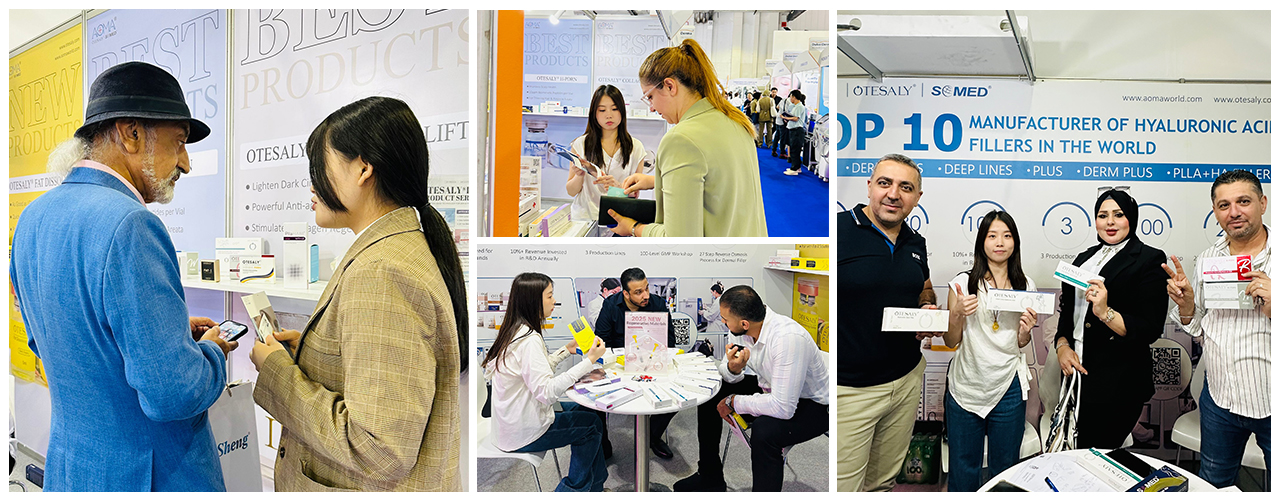
Many practice owners weigh filler procurement decisions almost entirely on per-unit price, but Mia’s story shows how quickly a “cheap” shipment can cost you tens of thousands in settlements, legal fees, and reputational damage. Karim learned this lesson first-hand after his bad filler batch, and began prioritizing COA transparency as his top procurement requirement during his 2023 visit to the Dubai Beauty Exhibition, where he connected with the AIMA International team. He reviewed sample COAs for the full Facefill line at the booth, tested the batch traceability system on site, and placed a sample order that same week.
Two years later, Karim’s clinics stock Facefill Lidocaine as their primary mid-face filler, and he reports a 28% jump in filler treatment repeat rates, with zero reported adverse reactions linked to product quality. He keeps physical copies of every batch COA at his clinic front desks, and shares the QR code traceability link with any patient who asks about product safety. This level of transparency has helped his clinics stand out in a crowded Dubai aesthetic market, where patients increasingly research product safety before booking treatments.
AIMA International supports partners of all sizes with flexible wholesale terms, building on 20 years of dermal filler manufacturing experience. The company holds over 1,000 mature filler formulations, leveraging proprietary NASHA and HICE crosslinking technologies to create products that match the performance of top global brands. Production capacity hits 5 million units annually, with a monthly output of 50,000 units to support both small emerging brands and large clinic chains. OEM/ODM partners can access end-to-end support, from brand positioning, logo design, and custom packaging to tailored formulation and concentration adjustments, with no MOQ pressure for new brands and volume discounts for large enterprise orders. Sample orders ship in 3-5 business days, bulk orders deliver in 15-20 days, and expedited production options are available for time-sensitive launches. To date, the company has delivered custom dermal filler solutions for over 521 brands across 60+ countries.
All production follows ISO 13485 quality management standards, with full compliance with Class III medical device production regulations. Products hold EU CE certification and US FDA VCRP registration, giving wholesale partners full confidence that every shipment meets global compliance rules. The Medical Aesthetics Wholesale support team provides dedicated after-sales support for every order, including full COA documentation, batch traceability access, and rapid response for any product-related questions, so practices never have to navigate quality issues on their own.
COAs are not pointless paperwork. They are the only paper trail that proves the filler you are injecting into a patient’s face is sterile, accurately formulated, and free of harmful contaminants. They protect your patients from avoidable adverse reactions, protect your practice from legal liability, and build long-term trust with clients who want to know exactly what is going into their skin.
Next time you reach out to a dermal filler supplier, don’t lead the conversation with a request for the lowest per-box price. Start by asking for a sample COA for the exact product you plan to order, and ask them to walk you through their batch traceability process. Any supplier that hesitates, sends a generic unmarked document, or refuses to help you verify report authenticity is not worth partnering with. Your medical license, your clinic’s reputation, and your patients’ well-being carry far more value than a few dollars of upfront cost savings.

Copyright @ 2026 AIMA International Group Co., Ltd.


