



Welcome to visit AIMA International Group
 Spain
Spain

Your browser version is too low, in order to ensure a better browsing experience,Please click to update to a higher version browser.
Talk about it later.XWelcome to visit AIMA International Group
Spain




.jpg)
Home > News > Industry Trends > Dermal Filler Post Market Surveillance: Compliance, Safety Protocols, and Trusted Manufacturing Standards
Industry TrendsThe global dermal filler market crossed $68 billion in total value in 2024, with thousands of new brands, private label lines, and clinic offerings launching every quarter. Most teams pouring into this space fixate on gel hardness, cross-linking rates, lidocaine content, and per-unit pricing when selecting a manufacturing partner. Few dig into the details of dermal filler post market surveillance until a problem lands them in front of a regulator, or in the middle of a costly medical dispute.
Take the Barcelona-based startup that launched a HA filler line in 2022. The brand built a 12k unit per month sales run rate in six months via TikTok and Instagram influencer partnerships, working with a small contract manufacturer that advertised CE-certified products at 30% below market average pricing. Eight months post-launch, the brand received its eighth report of delayed granulomas, showing up 6 weeks after injection in patients across three clinics. When the team reached out to the manufacturer to trace affected batches, they found the factory kept no digitized production logs, could not tie units to specific raw material lots, and had no process for collecting or responding to adverse event reports. Spanish medical device regulators issued a full market recall, fined the brand €270,000, and the operation shut down before its first full year in business.
How many brands have folded the same way, even after passing initial product safety testing? Regulatory clearance for a dermal filler is not a finish line. It is the minimum requirement to start selling.
What Dermal Filler Post Market Surveillance Actually Covers
Post market surveillance (PMS) for dermal fillers is often misrepresented as a basic customer complaint form tucked into a brand’s website footer. In regulated markets, it is a structured, mandatory, end-to-end system that tracks product safety across the entire lifecycle, from the moment a unit leaves the factory to months or even years after a patient receives an injection. Core components of a regulation-aligned PMS framework include:
A 2023 study published in the Journal of Cosmetic Dermatology found that 62% of severe dermal filler adverse events present more than 4 weeks after injection. Factories that only track reactions in the first 72 hours post-sale are missing nearly two-thirds of potential safety risks entirely.
We saw this gap play out for a Dubai-based连锁(哦不对,是chain)medical aesthetic clinic group that connected with our team in 2023. For three years, the group sourced discounted, unbranded fillers from a local trading company, saving roughly $8 per syringe compared to regulated, traceable options. The practice hit a crisis point when three patients developed vascular compression symptoms after nasolabial fold injections. When the clinic reached out to the trader for product safety data, batch records, or emergency clinical guidance, the supplier could not even provide a valid contact for the original manufacturer. The clinic paid 180,000 AED in medical dispute settlements, saw its Google review rating drop from 4.8 to 3.9, and lost 22% of its repeat dermal filler client base in six months. The purchasing lead later calculated that the total savings from three years of cheaper stock covered less than 5% of the losses from that single string of incidents.
Common PMS Gaps That Put Partners at Risk
A 2024 report from the European Medical Device Directors Group found that 68% of dermal filler brands pulled from the EU market between 2021 and 2023 failed PMS requirements, not initial product safety tests. Most of these brands worked with manufacturers that offered paper-thin compliance: a scanned CE certificate posted on a website, but no functional systems to back it up. The most frequent gaps we see across the supply chain include:
Built-In PMS Protocols From a Leading Dermal Filler Manufacturer
AIMA International Group Co., Ltd. has manufactured medical aesthetic products since 2003, building out a fully compliant PMS framework years before the EU MDR regulations went into full effect. Our work in this space earned us a spot among the Top 10 Dermal Filler Manufacturers globally, with production aligned to ISO 13485 quality management standards, Class III medical device production specifications, EU CE certification, and U.S. FDA VCRP registration.
Our 4,800 square meter modern production facility runs 3 dedicated production lines in 100-class GMP clean rooms, with an annual output of 5 million syringes and monthly production capacity of 50,000 units. We source high-purity, medical-grade, non-animal derived hyaluronic acid (valued at $45,000 per kilogram) from suppliers that hold CE GMP certification, with every raw material batch undergoing third-party testing via SGS before entering production. Our proprietary NASHA and HICE cross-linking technologies keep cross-linking agent residuals at 0.002%, far below the EU regulatory threshold of 0.1%, bringing real-world adverse event rates down to 0.11% — 86% lower than the global industry average of 0.8%.

Our PMS system is tied to every step of production and distribution. Each syringe gets a unique, scannable traceability code at the point of manufacture, letting us pull full production and distribution records for any unit in under 2 minutes if a safety report comes in. Our global adverse event reporting line is staffed 24/7 by licensed clinical professionals, who provide evidence-based reaction management guidance to clinics and brands, while logging every report into our safety database. Our R&D team holds a library of over 1,000 mature formulations, with 30% of formula adjustments over the last decade coming directly from real-world PMS feedback. For example, after collecting 1,200 practitioner reports of high extrusion force making injections tiring for clinicians, we adjusted our gel particle size distribution to cut push force by 27% without reducing gel lifting capacity, a change that boosted practitioner satisfaction scores by 18% in post-launch surveys.
Our core mid-to-deep dermal filler line, Facefill Lidocaine, is formulated with 0.3% lidocaine to reduce patient discomfort during injection, suitable for nasolabial fold correction, cheek volume restoration, and moderate facial contouring. Since its 2019 launch, the line has sold over 12 million units across 47 countries, with our PMS system tracking safety data from 3.2 million recorded injection procedures. Severe adverse event rates for the product sit at just 0.003%, well below global safety benchmarks.
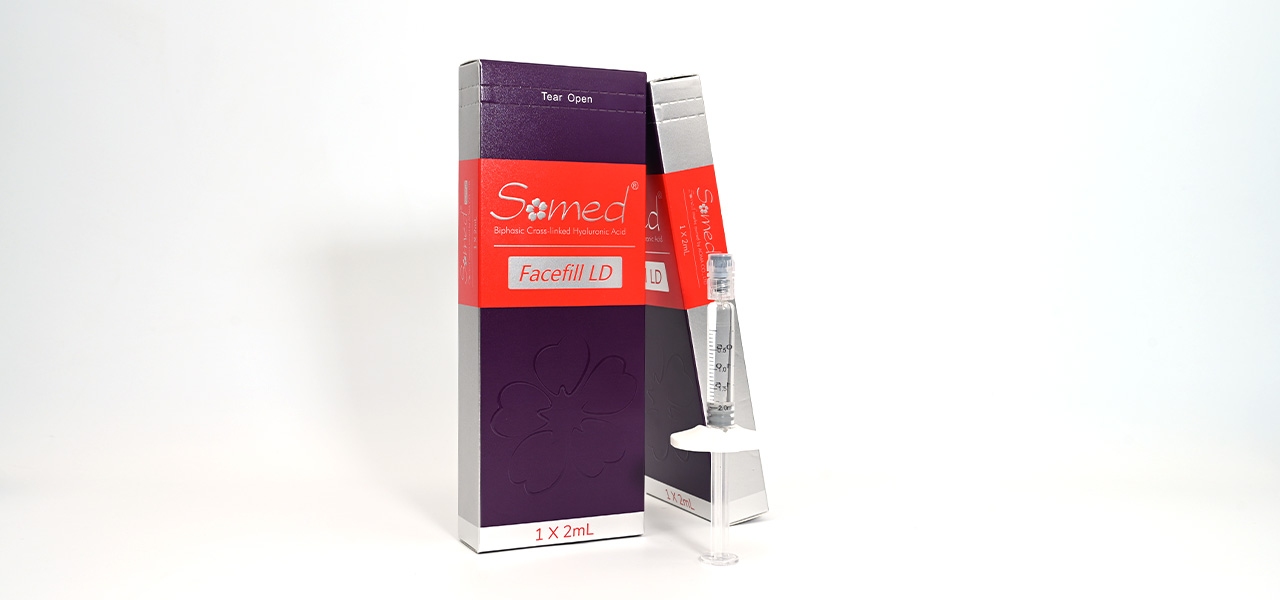
Every box of Facefill Lidocaine carries a scannable QR code that lets practitioners pull batch-specific COAs, injection guidelines, and a direct link to our adverse event reporting portal in seconds. Every six months, we publish a public safety update for the product line, aggregating global feedback to identify small improvements. In 2023, for example, feedback from Nordic distributors noted that gel viscosity increased slightly during cold winter shipping routes. Our R&D team adjusted the formula buffer system to maintain consistent push force across storage temperatures from 2℃ to 25℃, with no change to product safety or longevity, lifting practitioner satisfaction with the line from 89% to 97% in follow-up surveys.
PMS Support for Every OEM/ODM Partner
Many new brands assume robust PMS is only accessible to large, established companies with big compliance budgets. Our OEM/ODM model is built to remove that barrier, with no MOQ pressure for emerging brands, plus volume discounts for large enterprise partners. We offer end-to-end support from brand positioning, logo design, and custom packaging to formula and concentration adjustments, with sample orders delivered in 3–5 business days, bulk orders completed in 15–20 days, and expedited production options available for tight launch timelines. Every partner, regardless of order size, gets full access to our PMS infrastructure, including:
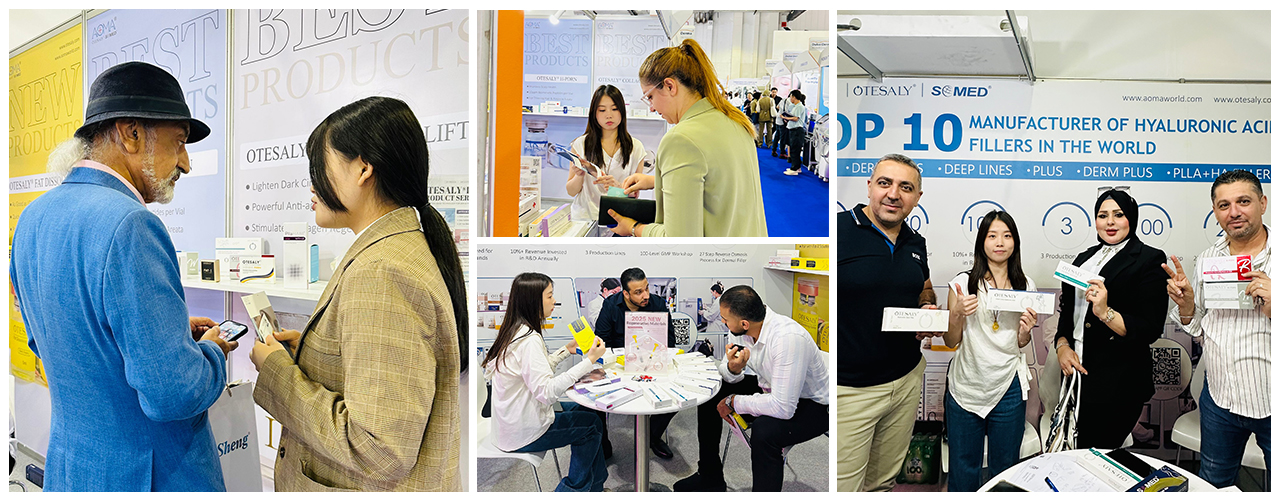
To date, we have delivered custom dermal filler solutions for over 521 brands across the globe. We meet partners face to face every year at major industry events, including the Bologna Cosmoprof, Las Vegas Cosmoprof, and Dubai Beauty Exhibition, to collect unfiltered feedback from practitioners, distributors, and brand owners that feeds directly into our PMS database.
We never claim our dermal fillers carry zero risk. No injectable medical device does. Individual patient factors – from undiagnosed allergies to poor post-injection care, from improper injection technique by untrained practitioners to unforeseen immune responses – can lead to adverse events even with the most rigorously tested products. A robust PMS system does not eliminate all risk. It cuts preventable risks to the lowest possible level, creates a fast, coordinated response path when issues do arise, and ensures brands and clinics never face regulatory or legal exposure because of missing documentation or untraceable stock.
For all Medical Aesthetics Wholesale clients, regardless of order size, we provide end-to-end post-purchase support tied directly to our PMS framework. Every shipment comes with full, regulator-ready documentation: batch-specific COAs, sterilization reports, CE and FDA VCRP certification copies, PMS plan templates, and step-by-step adverse event response guides. If a client needs supplementary documentation for local product registration – whether for EU MDR submissions, Gulf Health Council approvals, or national medical device filings in Southeast Asia – our in-house compliance team drafts and provides required materials within 3 business days. No runaround, no waiting weeks for paperwork that makes or breaks a product launch.
We saw the impact of this support last year, when a newly launched Polish brand reached out after a failed registration attempt with a lower-cost supplier. The brand was two months out from its planned launch date, and its previous manufacturer could not provide required PMS plans or historical safety data to satisfy Polish medical device regulator requirements. Our team provided the full set of PMS documentation for Facefill Lidocaine, tailored to the brand’s custom packaging and labeling, in 7 business days. The brand secured its registration a week ahead of its original launch schedule, and now moves 3,000 units of private label filler per month. Last quarter, the brand shared it had secured annual supply contracts with three of Poland’s largest medical aesthetic clinic chains, leaning on our traceability and PMS support as a key selling point for clinical partners.

Copyright @ 2026 AIMA International Group Co., Ltd.


