



Welcome to visit AIMA International Group
 Spain
Spain

Your browser version is too low, in order to ensure a better browsing experience,Please click to update to a higher version browser.
Talk about it later.XWelcome to visit AIMA International Group
Spain




.jpg)
Home > News > Industry Trends > Aesthetic Products ODM: How Custom Manufacturing Helps Aesthetic Brands Scale Profitably in 2025
Industry TrendsWhat stops most new aesthetic brands from launching their first product line? It is rarely a lack of marketing ideas or audience demand. More often, it is the opaque, high-risk manufacturing process that sinks 60% of new beauty brands before they ever make their first sale. For clinic owners, independent aesthetic practitioners, and beauty entrepreneurs, working with a qualified aesthetic products ODM partner removes the need to invest millions in building GMP-certified production facilities, running clinical trials, or sourcing raw materials independently — but only if you pick a partner that delivers consistent quality, compliant products, and flexible terms aligned with your brand’s growth stage. All the production capabilities, service terms, and product options outlined in this guide are available to brands worldwide via Supplierfiller.com, the curated B2B platform connecting buyers with verified, compliance-focused medical aesthetics manufacturers.
Common Pain Points That Derail Aesthetic Brand Launches
Take Mia Carter, a board-certified aesthetic nurse practitioner based in Miami, who tried to launch her own line of hydrating injectables in 2023. She sourced a manufacturer from an online B2B platform that quoted prices 30% lower than established suppliers. The first 2,000 units arrived with no valid FDA registration documents, and independent lab tests found trace amounts of animal-derived hyaluronic acid linked to 12 reports of localized allergic reactions among her trial clients. She lost $78,000 in product costs, legal fees, and client refunds, and put her launch on hold for 11 months before connecting with a qualified ODM provider.
Another client, a mid-sized aesthetic clinic chain based in Munich with 14 locations across Germany and Switzerland, spent 18 months working with a large European contract manufacturer to develop their custom anti-aging injectable line. The manufacturer enforced a 50,000-unit minimum order requirement, forcing the clinic to tie up €210,000 in inventory for a single SKU. When the clinic requested a formula adjustment to reduce post-injection swelling for sensitive skin types, the manufacturer quoted a 6-month lead time and €40,000 in reformulation fees. The chain ended up writing off 35% of their initial inventory because the formula did not match their client base’s needs, before switching to a flexible ODM model.
These stories are not outliers. Across the aesthetic industry, new and scaling brands face the same recurring set of challenges when sourcing manufacturing:
What Separates a Reliable Aesthetic Products ODM Partner From Low-Quality Suppliers
Aesthetic injectables and topical products fall under strict regulatory frameworks in nearly every major market, from the EU’s Medical Device Regulation to the U.S. FDA’s guidelines for cosmetic and medical device products. A supplier that can’t produce verifiable, batch-specific compliance documentation is not a bargain — it is a liability waiting to happen.
Trusted ODM partners invest heavily in core production technology to deliver consistent, safe products that meet global regulatory standards. Two key technologies set high-quality aesthetic product manufacturers apart:
Raw material sourcing is another clear marker of quality. Low-cost suppliers often use industrial-grade HA that costs less than $200 per kilogram, which is formulated for use in topical creams and not suitable for injection. Reputable ODMs use medical-grade, non-animal sourced HA that costs $45,000 per kilogram, sourced exclusively from suppliers that hold CE GMP certification, with every batch tested by independent third parties like SGS to confirm purity.
Custom Aesthetic Product Options for Every Brand Niche
The best ODM partners don’t force brands to pick from a small catalog of pre-made products. They offer a full range of formulation options that can be tweaked to match a brand’s target audience, price point, and unique selling point. For brands looking to tap into the fastest-growing segment of the global aesthetic market, custom Skinbooster formulations are one of the most requested ODM solutions.
Unlike traditional dermal fillers that add targeted volume to areas like the lips or cheeks, Skinboosters are micro-injectable HA formulations designed to deliver deep, long-lasting hydration across large treatment areas including the face, neck, décolletage, and hands. They improve skin texture, reduce fine lines, and boost natural elasticity without altering a patient’s natural facial contours, making them a top pick for patients in their 20s to 50s looking for subtle, natural-looking results. Brands can customize HA concentration (from 5mg/ml to 20mg/ml), add active ingredients like PDRN for repair, glutathione for brightening, or peptide complexes for anti-aging benefits, and fully customize packaging, vial size, and branding to stand out on crowded clinic shelves.
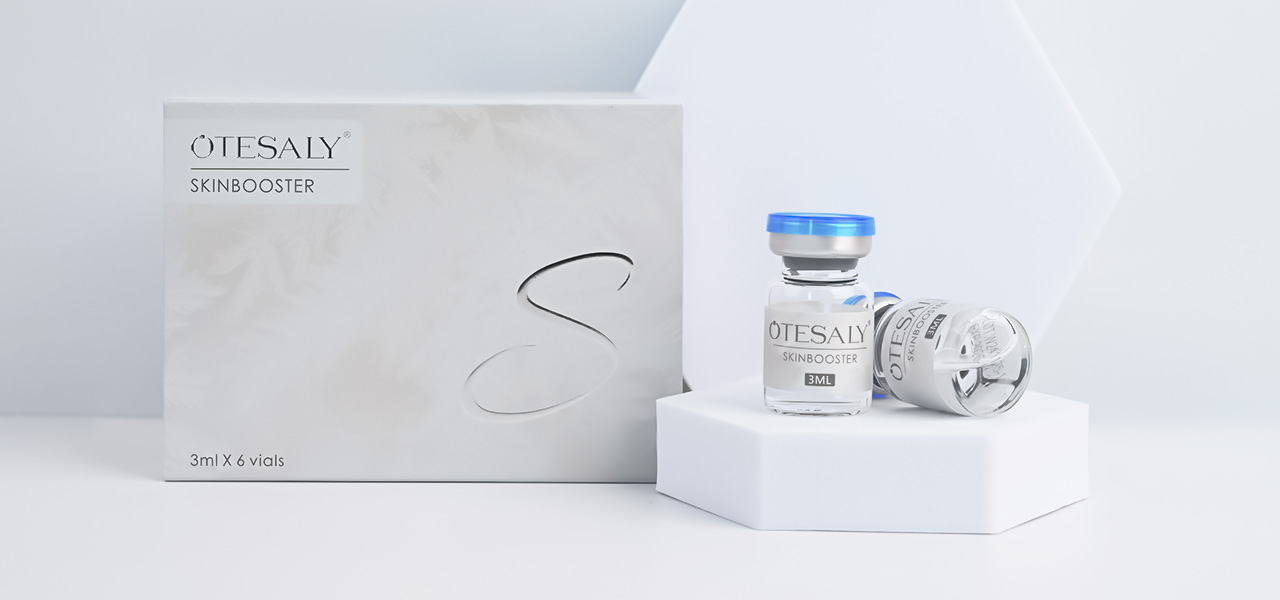
Beyond Skinboosters, established ODM providers typically offer a full catalog of proven formulations for every major aesthetic category, including dermal fillers for lip, face, and body volumization, fat-dissolving solutions, PDRN ampoules for hair growth and skin repair, collagen stimulators, and brightening treatment products. With a library of over 1,000 clinically tested formulations, brands don’t need to spend years developing products from zero — they can take an existing, market-proven base formula and adjust it to match their exact needs, cutting launch timelines from months to weeks.
Production Capabilities and Support That Grow With Your Brand
AIMA International Group Co., Ltd. has operated as a dedicated aesthetic products manufacturer and ODM/OEM service provider since 2003, earning recognition as one of the Top 10 Dermal Filler Manufacturers in the global industry. The company’s 4,800-square-meter modern production base houses Class 100 GMP clean rooms and 3 specialized production lines, built to meet ISO 13485 quality management standards and Class III medical device manufacturing specifications.
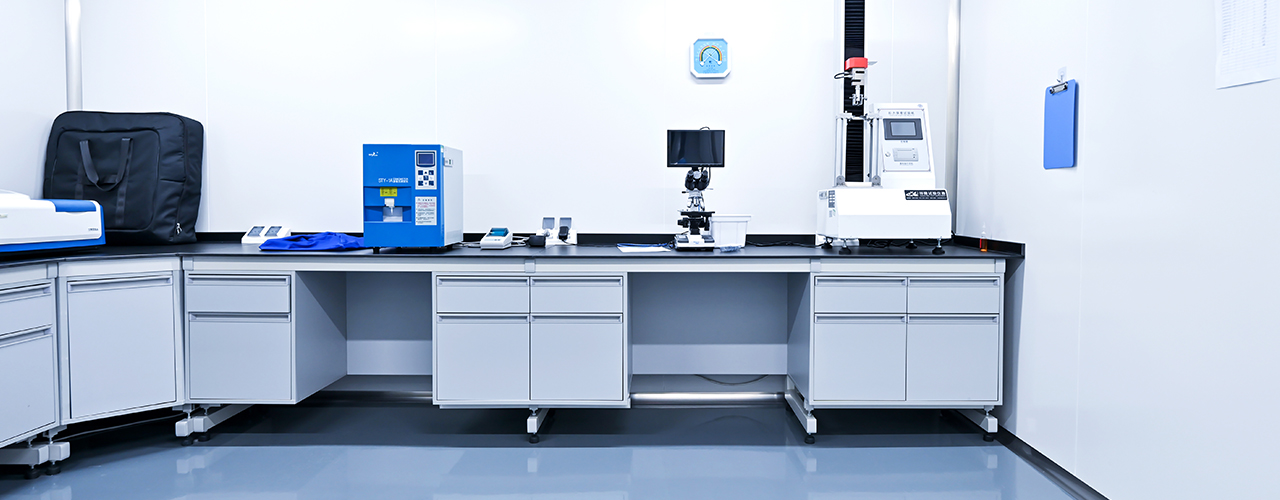
The facility supports a maximum annual output of 5 million units, with a steady monthly production capacity of 50,000 units. Unlike manufacturers that only offer production services, the AIMA ODM team supports brands across every step of the launch journey: from initial brand positioning, logo design, and fully custom packaging, to formula adjustments and concentration tuning for specific treatment goals.
The company’s cooperation model is built to work for brands at every growth stage. Emerging brands can launch with no MOQ pressure, allowing them to test small product batches with their existing client base without tying up capital in excess inventory. Larger, established brands qualify for tiered bulk discounts that keep per-unit costs competitive as they scale into new markets. Sample orders are processed and shipped in 3 to 5 working days, while full bulk orders are delivered in 15 to 20 days, with expedited production options available for brands working around tight launch deadlines. Brands can browse available formulation options, request custom quotes, and connect directly with the production team through Supplierfiller.com, with dedicated account support to walk through every step of the ODM process.
Every order comes with full, verifiable compliance documentation to support smooth global distribution for Medical Aesthetics Wholesale partners, including batch-specific Certificates of Analysis, SGS third-party test reports, valid CE certifications, FDA VCRP registration documentation, MSDS sheets, and dedicated customs clearance support. The quality control team runs 17 separate inspection checks from raw material intake to finished product packaging, and maintains a transparent product recall protocol for any batch that fails to meet published quality standards. No exaggerated claims are made about product performance: for example, the team will never market a dermal filler as lasting 5+ years, as independent clinical data confirms crosslinked HA products naturally break down in the body over 6 to 18 months depending on formulation, injection depth, and patient metabolism.
Building Long-Term Partnerships Across Global Aesthetic Markets
To date, AIMA has delivered custom ODM solutions for over 521 aesthetic brands across 62 countries, ranging from independent solo practitioners launching their first private-label product to large multinational clinic chains with hundreds of locations. The team regularly connects with brand partners and industry practitioners at major global aesthetic trade shows to stay aligned with emerging market trends and gather direct feedback from providers on what their patients are asking for.
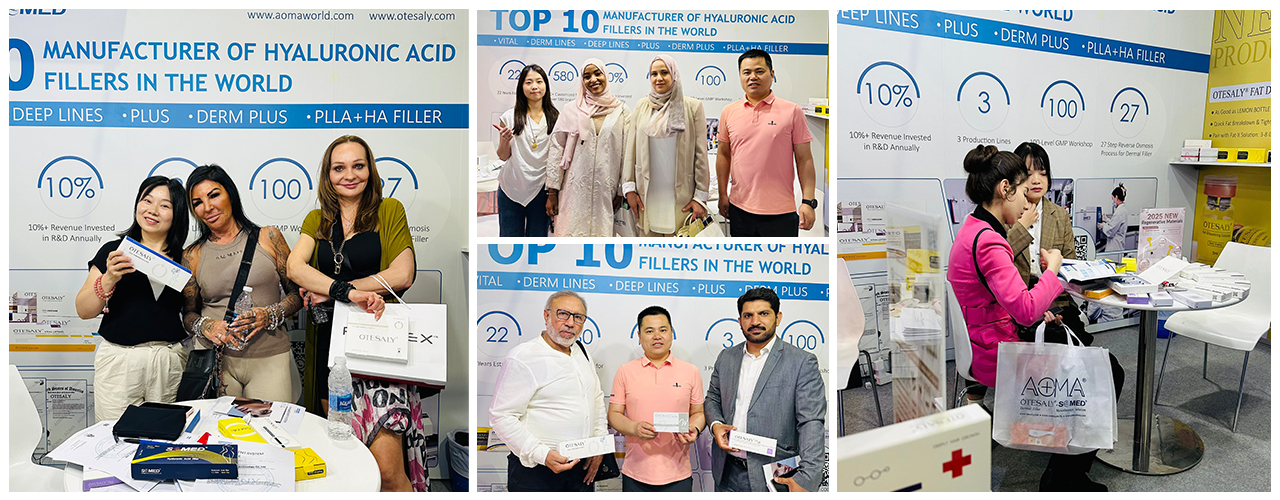
At the 2024 Dubai Beauty Exhibition, for example, the team spoke with 17 brand owners from the GCC region who noted that standard Skinbooster formulations did not provide enough long-lasting hydration for patients living in extremely arid desert climates. The R&D team adjusted a base Skinbooster formula to include a higher molecular weight HA blend and added a small concentration of centella asiatica extract to soothe sensitive skin, delivering the first custom sample batches to three UAE-based brands in just 3 weeks. Those custom SKUs went on to sell over 12,000 units in their first 3 months on the market, outperforming the brands’ existing imported Skinbooster lines by 42%.
This kind of responsive, partner-focused support is what separates transactional contract manufacturers from long-term ODM partners. Brands don’t just get a product to put their logo on — they get access to two decades of aesthetic product development experience, a global network of regulatory experts, and a production team that can adjust quickly as market demands shift. For entrepreneurs tired of navigating supply chain delays, compliance risks, and inflexible manufacturing terms, a specialized aesthetic products ODM removes the biggest barriers to building a profitable, trusted brand in the fast-growing global medical aesthetics space.

Copyright @ 2026 AIMA International Group Co., Ltd.


