
Welcome to visit AIMA International Group
 Spain
Spain

Your browser version is too low, in order to ensure a better browsing experience,Please click to update to a higher version browser.
Talk about it later.XWelcome to visit AIMA International Group
Spain

.jpg)
Home > News > Industry Trends > Start Your Aesthetic Brand The Low-Risk Way: A Complete Guide To Private Label Skin Boosters In 2025
Industry TrendsLast year, a Miami-based nurse injector named Mia reached out to the team at supplierfiller.com after 8 months of failed attempts to launch her own aesthetic brand. She had built a loyal client base of 400+ regulars at the medspa where she worked, and knew her audience was asking for natural, dewy skin results instead of the overfilled, stiff look that had fallen out of favor with consumers. She first reached out to three well-known private label manufacturers, only to hit the same walls every time: one required a 5,000-unit minimum order that would have tied up $120,000 of her personal savings, another sent samples that caused small, tender lumps in two test clients due to impure HA raw material, and the third could not provide valid CE documentation for shipments to her international clients in the Caribbean. She missed the entire summer medspa season — the highest revenue window for skin treatments in South Florida — and lost an estimated $40,000 in pre-booked treatment revenue before she found a manufacturing partner that fit her needs.
Mia is not alone. A 2024 survey of 200 new aesthetic brand founders found that 68% abandoned their launch plans within the first year due to inaccessible manufacturer terms, compliance gaps, or low-quality products that damaged client trust. For anyone looking to start an aesthetic brand, private label skin boosters represent one of the highest-margin, fastest-growing product categories in the current medical aesthetics market — but only if you partner with a manufacturer that sets your brand up for long-term success.
Data from the American Med Spa Association shows skin booster treatments grew 38% in 2024, outpacing traditional dermal filler growth by 2.1x. Consumers are shifting away from dramatic, volume-focused facial treatments toward subtle, skin-health focused results: the kind of glow that looks like you spent a week on a coastal vacation, not like you left a plastic surgeon’s office. Skin boosters fit this demand perfectly. They are injected into the superficial dermis to deliver deep, long-lasting hydration, stimulate natural collagen production, and improve texture, fine lines, and dullness with minimal downtime. Most clients return for maintenance treatments every 3-4 months, creating a reliable, recurring revenue stream for brands and clinics.
Building a skin booster product from scratch is not feasible for most new founders. Setting up a GMP-compliant production facility, sourcing medical-grade raw materials, running safety testing, and navigating global medical device registrations can cost upwards of $2 million before you sell a single unit. Private label manufacturing eliminates all those upfront barriers. You work with an established producer to put your own branding on clinically tested, compliant formulations, so you can focus on building relationships with clients and clinics instead of managing lab operations.
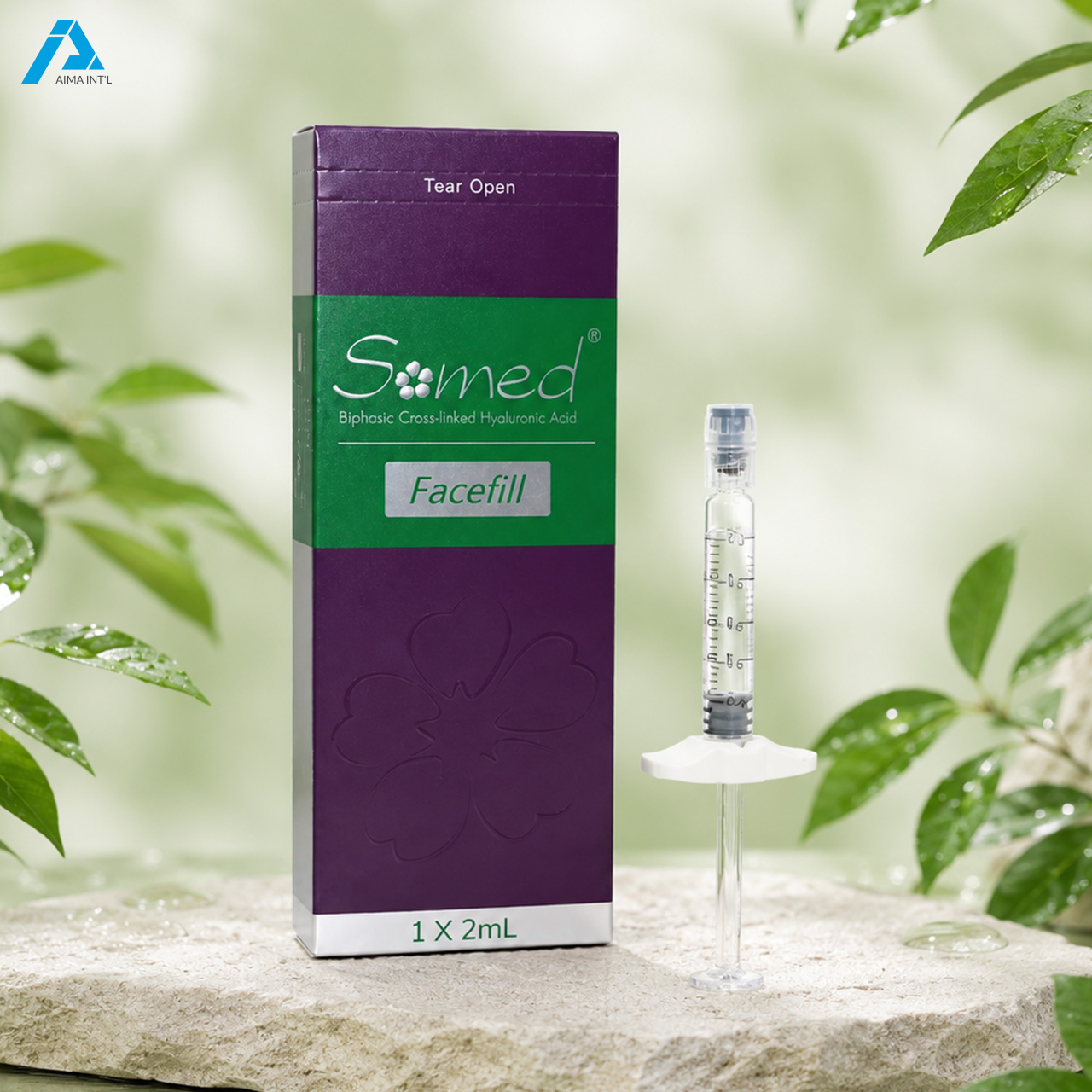
For founders building their line around skin health-focused treatments, the private label Skinbooster offered via supplierfiller.com checks every box for clinical performance and client satisfaction.
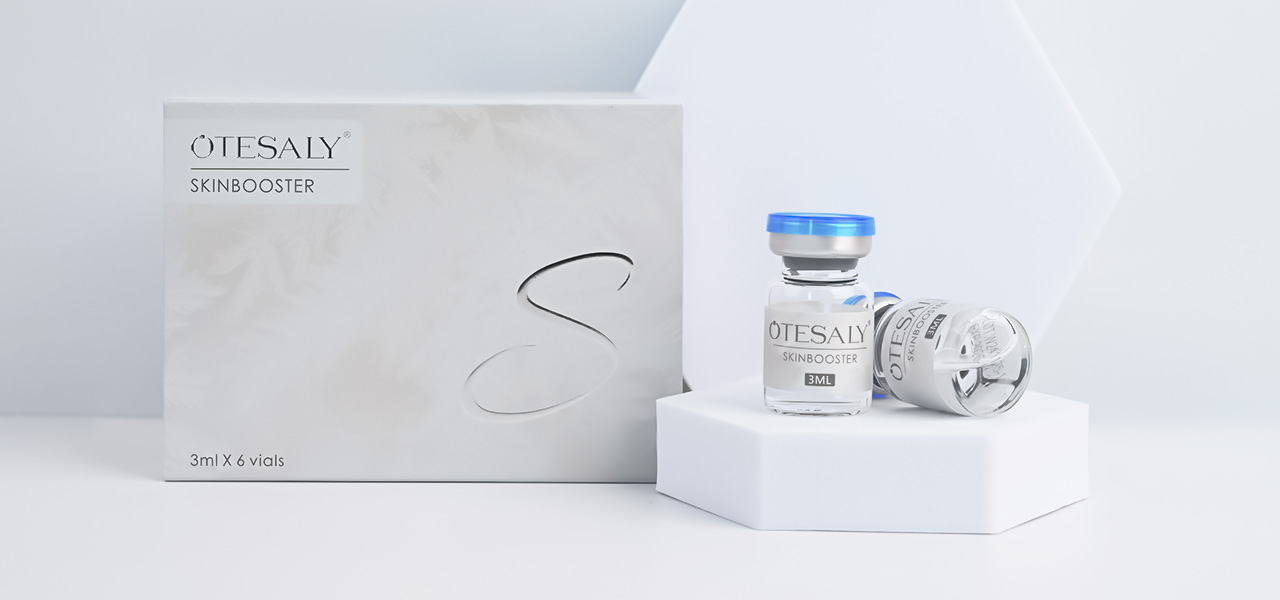
Formulated with medical-grade, non-animal derived hyaluronic acid sourced from CE GMP-certified suppliers, this skin booster uses two core production technologies to deliver consistent, reliable results. NASHA, or Non-Animal Stabilized Hyaluronic Acid, creates HA gel particles of uniform size and crosslinking density, cutting risk of allergic reaction and ensuring the gel integrates evenly into skin without causing hard lumps or uneven texture post-injection. The proprietary HICE (Highly Concentrated Isothermal Crosslinking Extraction) process locks HA molecules into a stable network that stays active in the dermis for 3-4 months per treatment, compared to just 2-3 weeks for uncrosslinked HA serums used in basic spa facials. The raw material used in these formulations costs $45,000 per kilogram, held to the same purity standards used by top global aesthetic brands.
It is easy to get drawn in by low sample prices or flashy website photos when searching for a manufacturing partner. Many founders only compare per-unit cost, missing critical red flags that can sink their brand before it gains traction. There are three non-negotiable factors to evaluate before signing any supply agreement:
A huge share of “private label aesthetic suppliers” listed online are trading companies with no production space of their own. They source generic, untested products from small unregulated workshops, mark up prices by 30% or more, and have no control over quality or lead times. If a supplier cannot share unfiltered photos or video of their clean rooms, production lines, and quality control labs, walk away.
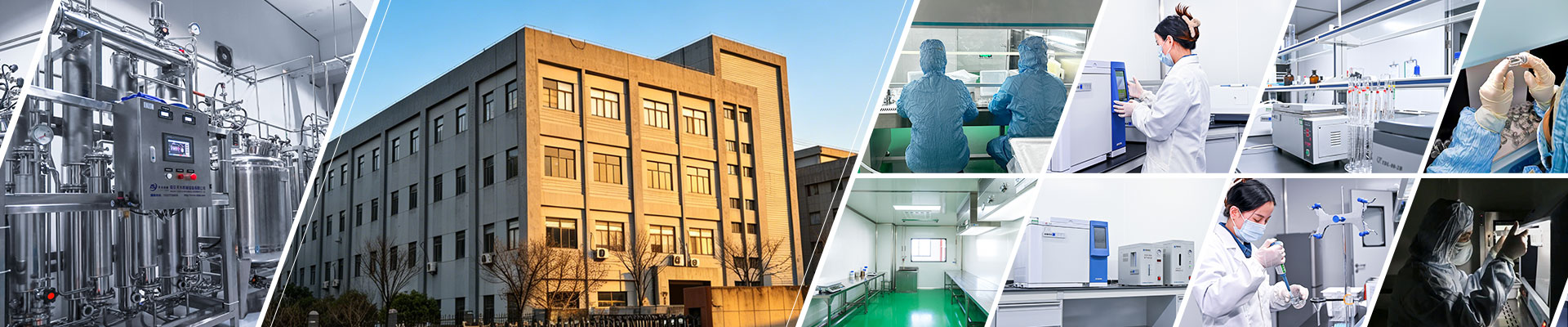
AIMA International Group Co., Ltd., the manufacturer behind supplierfiller.com, has operated in the medical aesthetics space since 2003. The company runs a 4,800 square meter modern production facility outfitted with Class 100 GMP clean rooms and 3 dedicated production lines.
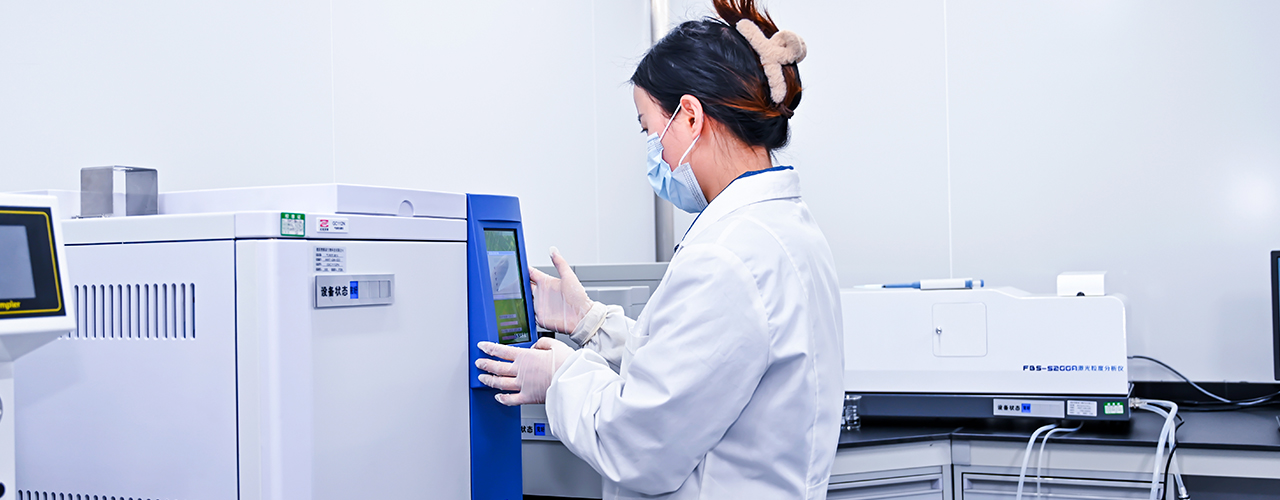
The facility follows ISO 13485 quality management standards and meets Class III medical device production specifications. It holds EU CE certification and US FDA VCRP registration, with all raw material batches undergoing regular third-party testing via SGS. The company is formally recognized as one of the Top 10 Dermal Filler Manufacturers in the global market, with an annual production capacity of 5 million units and monthly output of up to 50,000 units. There is no middleman markup, and production timelines are locked in for every client order.
Most established manufacturers set private label minimum order quantities at 3,000-10,000 units per SKU, a threshold that requires new founders to tie up tens of thousands of dollars in inventory before they even test product-market fit. Mia ran into this exact barrier with her first three supplier inquiries, with MOQs that would have required her to take out a high-interest personal loan to cover initial inventory costs.
AIMA’s private label program operates with No MOQ Pressure, a flexible model designed to support emerging brands. New founders can order small sample batches to test with clients, adjust formulations, and refine their branding without large upfront costs. As brands scale and order larger volumes, tiered bulk discounts apply to improve profit margins. Sample orders ship in 3-5 business days, while bulk production runs are completed in 15-20 days, with expedited production options available for time-sensitive launches.
Many suppliers treat private label as a transactional service: you send a logo file, they print it on a pre-made box, and they ship you product with no further guidance. New founders are left to figure out packaging compliance, formulation adjustments for their specific audience, and brand positioning on their own, often leading to mislabeled products that get held at customs or fail to resonate with buyers.
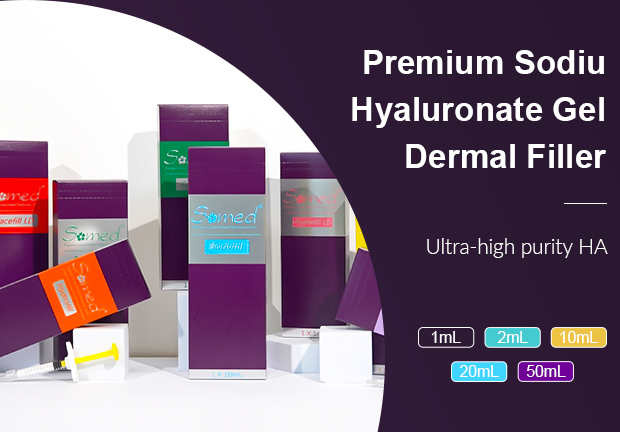
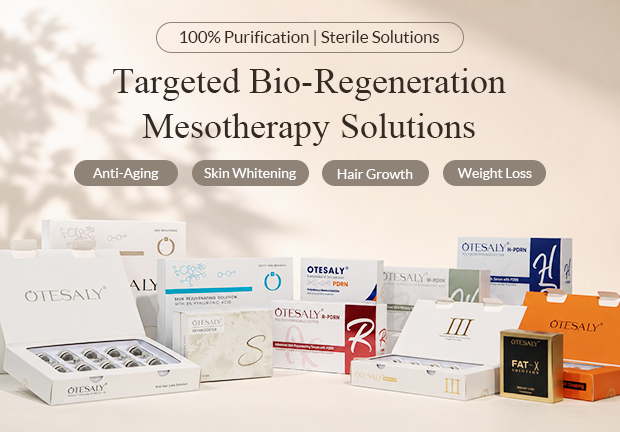
AIMA’s team supports clients through every step of the launch process, from initial brand positioning, logo design, and custom packaging selection to formulation tweaks and concentration adjustments for specific client needs. The company holds a library of more than 1,000 mature, tested formulations, so brands can select a base that fits their audience — whether that is a lightweight skin booster for first-time aesthetic clients, a PDRN-infused formula for post-procedure skin repair, or a brightening blend for clients targeting hyperpigmentation — instead of settling for a one-size-fits-all product.
Mia launched her brand, GlowMed Aesthetics, in 27 days from her first outreach to supplierfiller.com. She did not have a huge marketing budget, a team of employees, or prior experience running a product brand. She followed a straightforward, low-risk process that works for every type of founder, from solo injectors to e-commerce sellers looking to break into the aesthetics space:
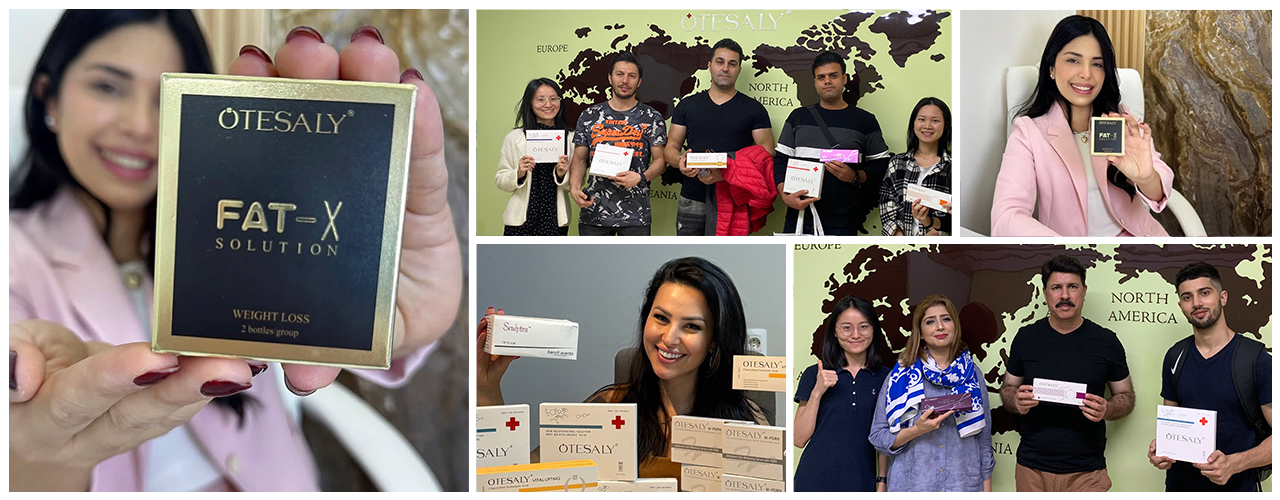
Mia is one of more than 521 brands AIMA has supported with custom private label solutions. Jakub, a Polish e-commerce seller who previously distributed retail skincare products to beauty salons, faced a costly setback in 2023 when a 27,000 Euro shipment of unbranded skin boosters from an unvetted supplier was seized at customs for missing CE documentation. He connected with AIMA shortly after, starting with a 200-unit sample order to test with his salon network. Jakub now stocks his private label Skinbooster across 42 medical aesthetic clinics in Poland, placing his first 8,000-unit bulk order 6 months after his initial sample request.
There is a lot of misinformation floating around about private label aesthetic products, much of it spread by big brands that want to convince new founders they cannot compete without multi-million dollar budgets. A few of the most persistent myths are worth addressing directly:
It is worth noting that no product or partnership guarantees success. Building a sustainable aesthetic brand requires consistent work to build trust with clients, train providers on proper injection technique, and create treatment plans that deliver real results. Clinical testing on AIMA’s Skinbooster shows measurable improvements in skin hydration, fine line reduction, and pore appearance for 92% of test subjects 4 weeks after a standard 3-treatment course, with no reports of serious adverse events when administered by a licensed aesthetic provider. All claims are backed by third-party SGS testing reports available to every private label client, so brands can market their products with full confidence in clinical validation. Working with a manufacturer that prioritizes quality, flexible terms, and long-term client support removes the biggest barriers that stop most founders from ever getting their brand off the ground. For founders ready to launch with a private label skin booster that meets global clinical standards, the team at supplierfiller.com offers free initial consultations to walk through formulation options, branding support, and pricing for brands of every size.
Copyright @ 2026 AIMA International Group Co., Ltd.