
Welcome to visit AIMA International Group
 Spain
Spain

Your browser version is too low, in order to ensure a better browsing experience,Please click to update to a higher version browser.
Talk about it later.XWelcome to visit AIMA International Group
Spain
.jpg)
Home > News > Industry Trends > Dermal Filler Manufacturer: A Complete Guide to GMP Certified OEM Services for Aesthetic Brands & Clinics
Industry TrendsHave you ever spent months drafting a brand identity for your dermal filler line, only to hit a wall when a manufacturer cuts corners on compliance, slaps a fake GMP logo on their website, and leaves you holding a shipment seized by border control? You are not alone. Data from 2023 aesthetic industry supply chain reports shows 38% of new dermal filler brands face product holds, recalls, or customer adverse events in their first year of operation, all traced back to partnering with manufacturers that cut corners on production standards.
Throw a rock at any global beauty trade show, and you will hit a dozen suppliers claiming to be “GMP certified” for dermal filler production. Most of these claims refer to cosmetic-grade GMP standards, which apply to topical products like serums and moisturizers. Dermal fillers are classified as Class III medical devices in most major markets, including the EU, US, and GCC states. That means production must meet far stricter requirements.
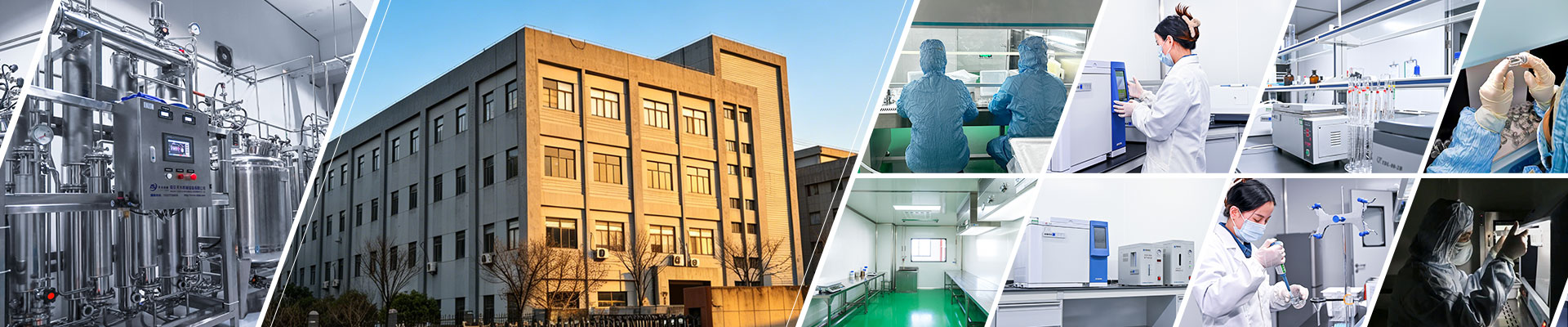
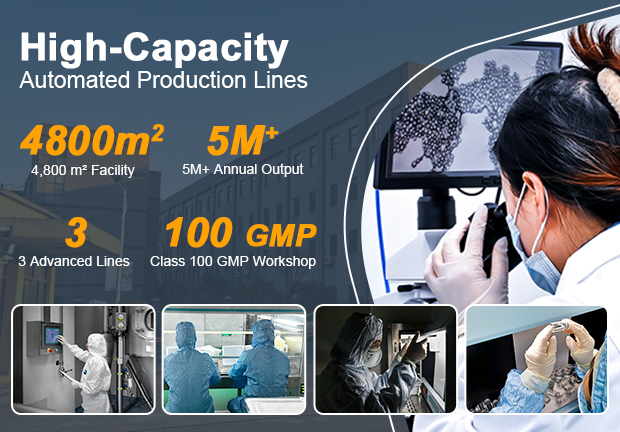
True GMP certification for dermal filler production requires alignment with ISO 13485 medical device quality management systems, Class III medical device production specifications, and regular third-party audits from recognized bodies like SGS or TUV. Production spaces must meet Class 100 cleanroom standards, meaning no more than 3,520 particles larger than 0.5 microns per cubic meter of air — the same standard used for manufacturing ophthalmic surgery supplies. AIMA International Group Co., Ltd., the team behind supplierfiller.com, has operated as a dedicated medical aesthetic product manufacturer since 2003, with a 4,800-square-meter modern production base fitted with exactly this standard of Class 100 GMP cleanrooms and 3 specialized production lines.
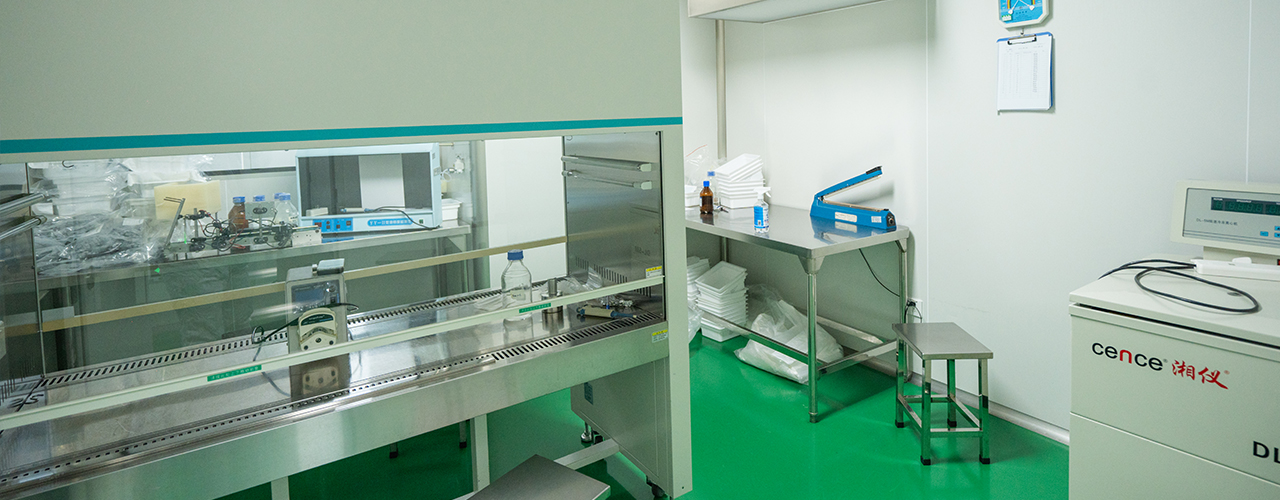
Many new brand owners mistake a GMP certificate PDF on a supplier’s website for proof of compliance. The difference between cosmetic GMP and medical device GMP is the difference between a product you rub on your skin and a product injected into facial tissue. Get this wrong, and you do not just lose inventory — you face regulatory fines, customer injury claims, and permanent damage to your brand reputation.
Dermal filler production does not leave room for error. Crosslinking rates that are off by 2% can lead to product lumps that require surgical removal. Raw material contamination with endotoxins can trigger severe allergic reactions or infection. Unvalidated sterilization processes can lead to biofilm formation months after injection.
GMP-certified production eliminates these risks at every step. At AIMA, production teams follow documented standard operating procedures for every stage of manufacturing, from raw material intake to final packaging. The facility sources medical-grade, non-animal derived hyaluronic acid (HA) with a market value of $45,000 per kilogram, all from CE GMP-certified raw material suppliers. Every incoming batch of raw material goes through third-party testing for purity, endotoxin levels, and molecular weight before it ever touches a production line.
The in-house R&D team holds patents for two core production technologies used across its filler lines:
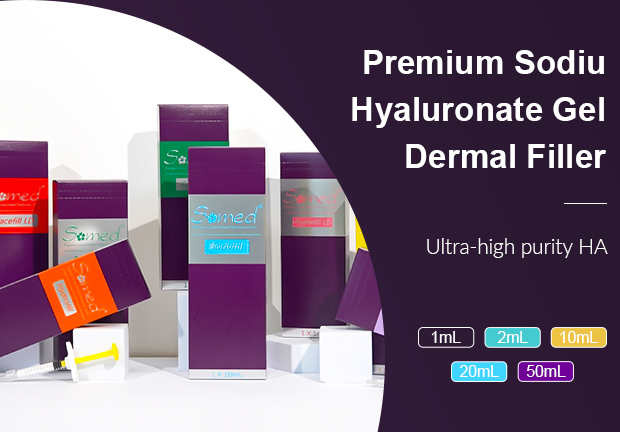
The team maintains a library of more than 1,000 mature, clinically tested formulations, so brand partners do not need to invest years and hundreds of thousands of dollars in product development from scratch. All production aligns with Class III medical device specifications, with products holding EU CE certification and US FDA VCRP registration for seamless market entry.
A lot of new brand owners assume OEM services start and end with printing a logo on pre-made filler syringes. A GMP-certified manufacturer with deep industry experience will act as an extension of your team, covering every touchpoint needed to launch a successful line:
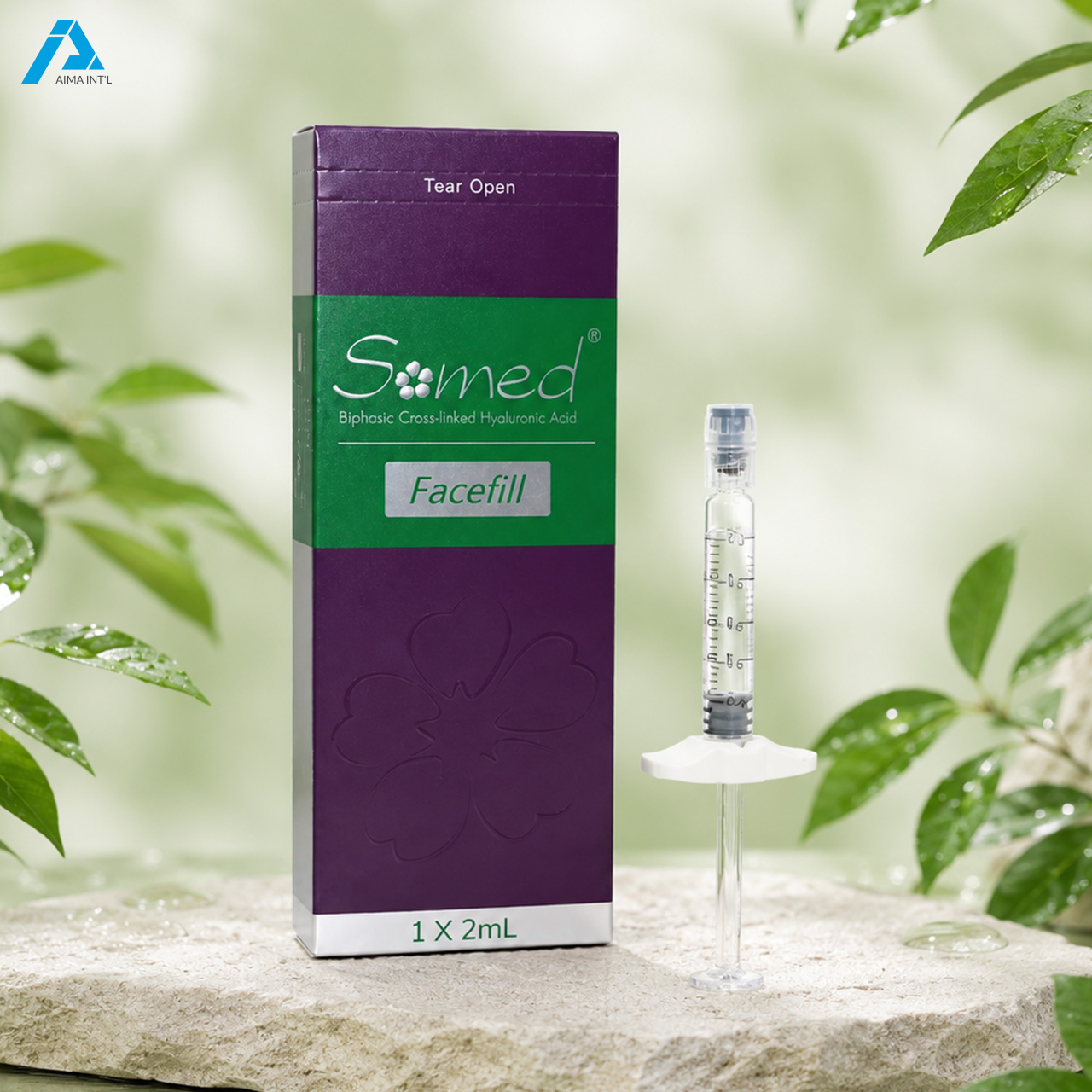
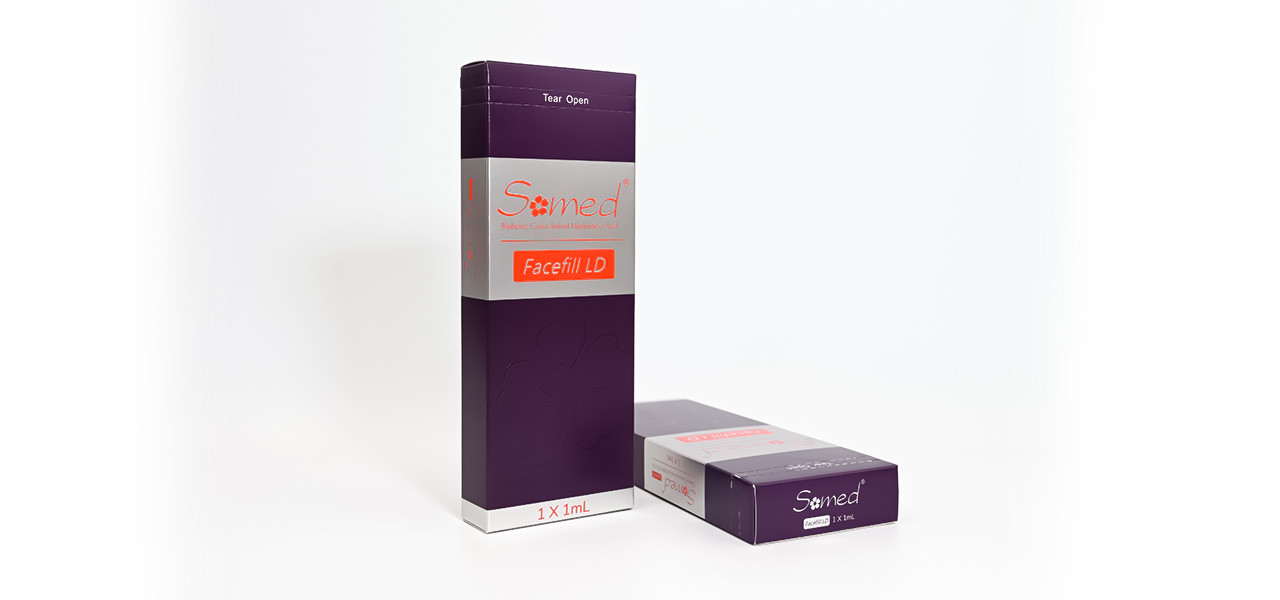
One of the most requested formulations for OEM partners is Facefill Lidocaine, a mid-viscosity dermal filler designed for mid-face contouring, nasolabial fold correction, and mild cheek volume restoration. The formula includes 0.3% lidocaine to reduce injection discomfort by 76% compared to lidocaine-free fillers, with a smooth, malleable texture that avoids the “overfilled” look many patients dislike. It remains a top seller for 60% of AIMA’s brand partners focused on facial aesthetic lines.
After 20 years in the industry, the AIMA team has worked with hundreds of brands that came to supplierfiller.com after bad experiences with unvetted manufacturers. Two stories come up so often they feel like a broken record for the account management team.
The first comes from a Miami-based startup founded by a board-certified aesthetic nurse in 2022. The brand targeted Gen Z consumers looking for natural, “no-makeup” filler results, and initially selected a manufacturer offering prices 30% below the industry average. The supplier’s website displayed a GMP certificate logo, and the sales team promised full FDA compliance for US shipments. After the brand paid a 30% deposit and waited 6 weeks for production, the entire 12,000-unit shipment was seized by FDA agents at the Port of Los Angeles. The manufacturer’s “GMP certificate” was for cosmetic production, not medical device manufacturing, and the HA used in the fillers was low-purity, animal-derived material with no traceability documentation. The brand lost $127,000 in inventory, plus $82,000 in pre-launch TikTok influencer marketing spend, and faced a major cash flow crunch. The founder reached out to AIMA 2 weeks after the seizure, and the team supported them with a full reformulation of their core filler, all required FDA VCRP documentation, and an initial trial order of just 800 units to get them back on track. Samples arrived in 4 days, bulk production was completed in 18 days, and the brand now moves 1,200 units a month, with a 2024 launch planned for Ulta Beauty’s online aesthetic marketplace.
The second common pain point is inflexible minimum order quantities that lock small clinics and emerging brands out of the private label space. In 2023, a high-end aesthetic clinic group based in Dubai approached AIMA at the Dubai Beauty Exhibition, after 3 months of failed negotiations with European filler manufacturers. The group operated 5 flagship clinics catering to high-net-worth clients, and wanted to launch a private label filler line tailored to their patient base’s preference for sharp, defined facial contouring. Every manufacturer they spoke to required a minimum order of 10,000 units per SKU, which would have forced the clinic to tie up more than $270,000 in inventory — a completely unreasonable investment for a line they only needed 1,500 units to launch across their locations. One supplier agreed to a smaller order, but quoted a 9-week lead time that would have missed the post-Ramadan tourist peak, when demand for aesthetic procedures jumps 47% year over year.
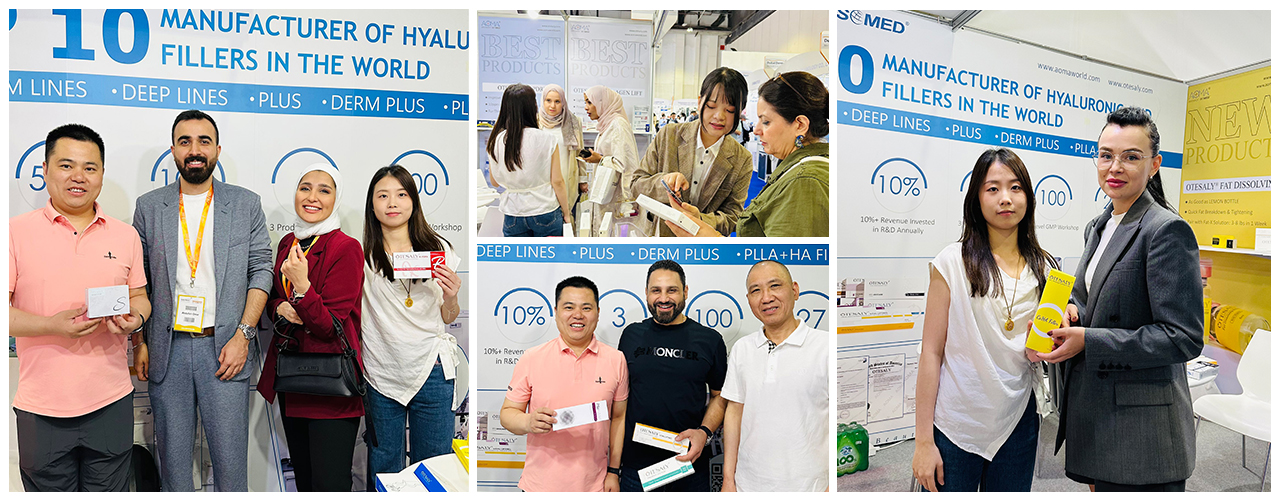
The AIMA team built a custom formulation for the clinic, adjusting the HICE crosslink structure to create a higher G-prime gel with enough structural support for the contoured look their patients wanted, and accepted the 1,500-unit order with no upcharges for small batch production. The order was delivered in 16 days, a full week ahead of the peak tourist season launch, and the clinic’s private label line now makes up 32% of their total dermal filler service revenue.
You do not need a background in supply chain management to weed out unqualified manufacturers. Use these simple, actionable checks before you put down a deposit:
Plenty of factories can produce a filler syringe that meets basic safety standards. The manufacturers that earn a spot on the Top 10 Dermal Filler Manufacturers list (an industry honor AIMA has held for 6 consecutive years) stick with partners long after the shipment leaves the warehouse.
For all Medical Aesthetics Wholesale and OEM partners, AIMA provides ongoing support long after delivery:
The facility’s total annual production capacity hits 5 million units, with monthly output of up to 50,000 units, so partners can scale from small trial orders to mass market distribution without needing to switch manufacturers as they grow.
Launching a dermal filler brand is not the same as launching a lipstick line or a facial serum. Your products are injected into patients’ skin, and every decision you make about production partners carries real weight for patient safety and your brand’s long-term success. If you are vetting GMP-certified OEM partners for your filler line, you can browse full service details and formulation options at supplierfiller.com, or reach out directly to request a free custom quote and sample pack. The team responds to all inquiries within 24 hours, with no sales pressure to place orders before you are confident the partnership is a fit.
Copyright @ 2026 AIMA International Group Co., Ltd.