
Welcome to visit AIMA International Group
 Spain
Spain

Your browser version is too low, in order to ensure a better browsing experience,Please click to update to a higher version browser.
Talk about it later.XWelcome to visit AIMA International Group
Spain



.jpg)
Home > News > Industry Trends > How to Build a Profitable Brand Around Fat Dissolving Injections (OEM/ODM)
Industry TrendsBuilding a profitable fat dissolving injection brand requires more than finding a low-cost formula and printing a logo on the box. A viable brand needs a defined professional customer, defensible product positioning, market-specific compliance documents, stable manufacturing, controlled claims and a repeat-purchase strategy. Through an experienced OEM/ODM partner, a distributor or aesthetics company can develop its formula, concentration, packaging, brand identity and wholesale program without constructing its own factory. Profit comes from disciplined positioning and dependable supply—not from exaggerated promises about rapid weight loss or permanent results.
Compliance reminder: Fat dissolving injectables are regulated differently across countries. Product classification may depend on the formula, intended purpose, claims, route of administration and local law. Brand owners should obtain qualified legal and regulatory advice before importing, promoting or distributing any injectable product.
The body-contouring category attracts clinics, medical spas and distributors because it sits between topical skincare and surgical procedures. Professional buyers may be interested in products intended to support localized aesthetic treatment protocols, provided those products are lawful in the destination market and administered by appropriately qualified professionals.
From a business perspective, the category can produce recurring orders. Clinics rarely buy a single unit and disappear. They need stock for scheduled treatment courses, staff training, patient consultations and ongoing promotional campaigns. A distributor that earns the clinic’s trust can therefore develop predictable reorder activity.
Still, demand alone does not guarantee profit. A crowded market quickly punishes brands that look interchangeable. When five suppliers offer similar boxes, similar concentrations and the same vague “advanced formula” message, buyers usually compare price. That is a race with a familiar ending: thinner margins, inconsistent quality and expensive customer complaints.
A profitable brand must give professional customers a clear reason to reorder from the same supplier. That reason may be dependable documentation, reliable batch consistency, better clinic support, localized packaging, faster replenishment or a carefully designed product portfolio.
“Anyone interested in body contouring” is not a workable target audience. An OEM project becomes more efficient when the brand owner defines who will purchase, use and reorder the product.
The answers affect almost every OEM/ODM decision. A clinic-focused product may need detailed professional instructions and training support. A distributor-focused offer may need multilingual packaging, wholesale cartons and territory-specific documents. Trying to serve every customer with one package usually creates a forgettable brand.
OEM, or Original Equipment Manufacturing, generally means that a manufacturer produces a product according to specifications supplied or selected by the brand owner. The buyer may provide the formula, concentration, packaging requirements and product positioning.
ODM, or Original Design Manufacturing, gives the manufacturer a larger development role. The factory may propose an existing formula platform, recommend packaging, adapt the concentration and support the creation of a market-ready product.
A startup without an internal formulation team will often move faster with ODM. An established brand with its own technical specifications may prefer OEM. Many real projects fall somewhere between the two: the manufacturer provides a mature base formula while the brand customizes selected features, packaging and commercial presentation.
| Development Area | OEM Approach | ODM Approach |
|---|---|---|
| Formula | Buyer provides or closely defines specifications | Manufacturer proposes a mature formula platform |
| Development speed | May require more technical review and testing | Usually faster when an existing formula is selected |
| Customization | Potentially extensive | Focused on practical, commercially useful options |
| Best suited to | Experienced brands with technical resources | Startups, distributors and faster product launches |
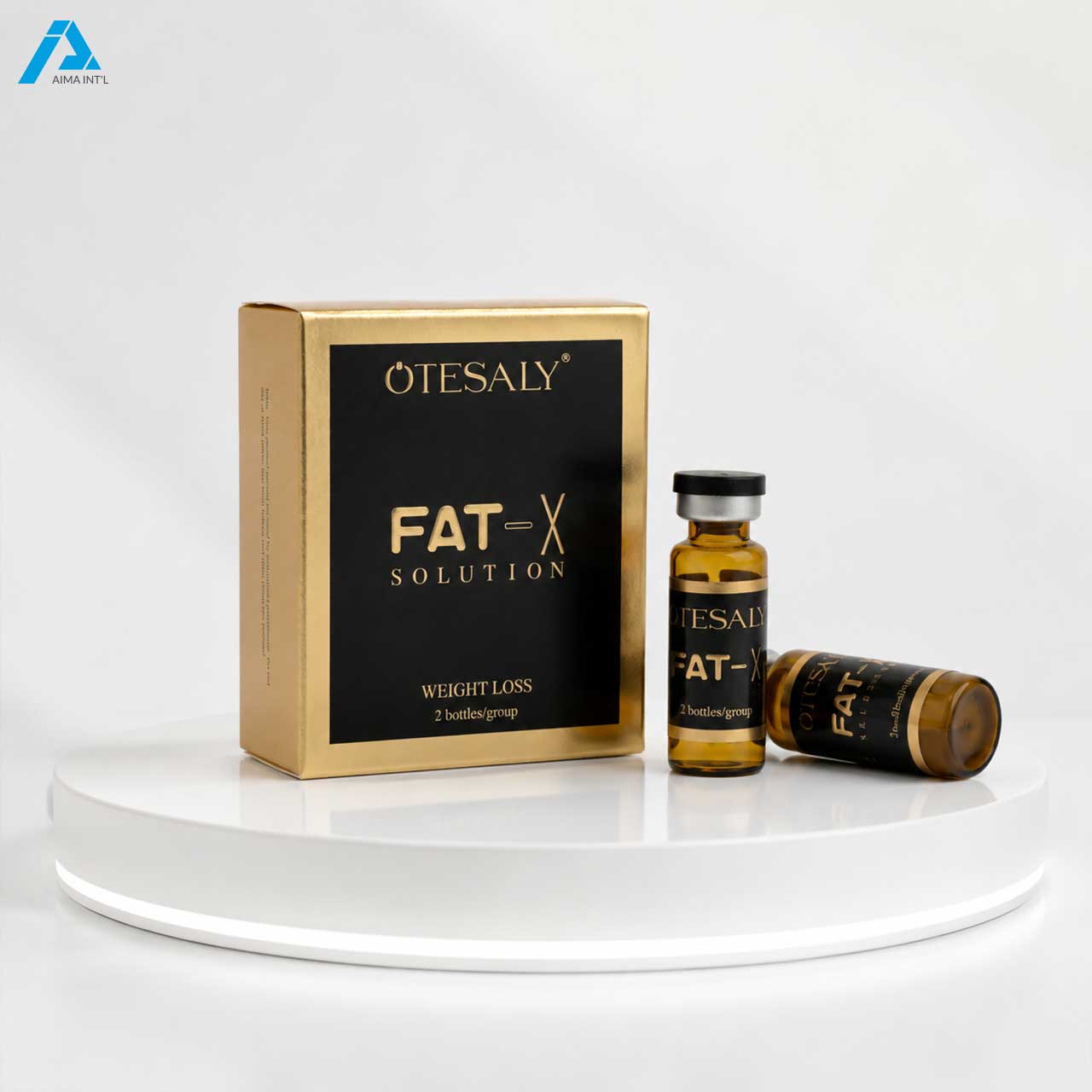
For a brand built around fat dissolving injections, FAT-X is the most relevant product option in the Supplierfiller portfolio. It can serve as a starting point for an OEM/ODM discussion covering formula specifications, concentration options, vial or ampoule presentation, package count, labeling and brand design.
The product name alone, however, does not determine regulatory status or suitability for sale. Before placing an order, the buyer should review the complete ingredient information, intended-use statement, available testing documents, storage requirements, shelf life, contraindication information and classification in the destination country.
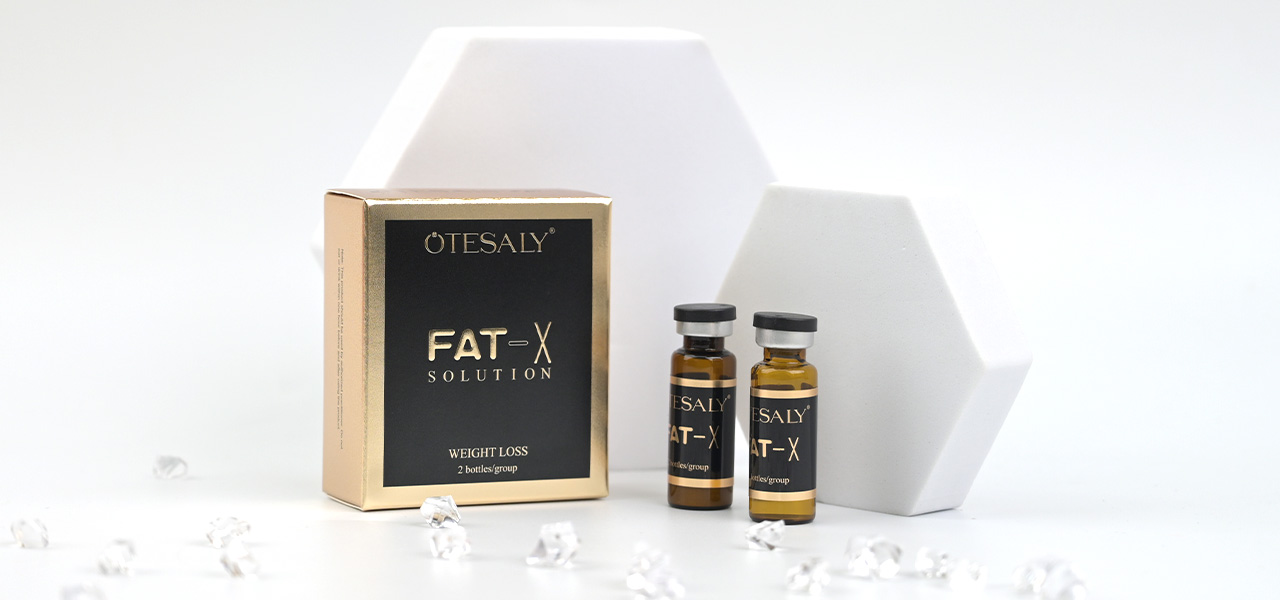
A sensible launch may begin with one focused FAT-X configuration rather than several nearly identical versions. A single product is easier to register, document, train and stock. Once clinics demonstrate stable reorder behavior, the brand can consider additional strengths, package sizes or complementary products.
Packaging is visible, so founders often start there. The financial model deserves attention first. A low factory quotation can become an unprofitable landed product after freight, customs clearance, testing, regulatory consulting, samples, replacement stock, sales commissions and clinic education are added.
Calculate the fully landed cost per sellable unit. This should include manufacturing, primary packaging, printed materials, outer cartons, international shipping, insurance, duties, local warehousing, payment charges and a reasonable allowance for damaged or unsellable goods.
Consider a new distributor that selects the lowest quotation available and orders a large quantity to obtain a discount. After arrival, the local consultant identifies missing label information and requests additional technical documents. The stock remains in a warehouse while the company pays for redesign, translation and regulatory review. The original unit price looked attractive, but cash is trapped in inventory that cannot yet be sold. A smaller, properly documented pilot order would have cost less overall.
A clinic-focused brand launches with aggressive social-media promotion and signs thirty accounts in two months. Sales then stall. Clinics complain that they received product boxes but no structured onboarding, patient-selection guidance, storage reminders or clear contact for complaints. The brand treated the first invoice as the finish line. In professional aesthetics, the first order is usually a trial; the second and third orders reveal whether the business is working.
A fat dissolving injection supplier should be evaluated as a long-term production partner rather than a one-time trading contact. Buyers need to know where the product is manufactured, how batches are controlled, what happens when a complaint occurs and whether the manufacturer can reproduce the same specification six months later.
According to information provided by the company, AIMA International Group Co., Ltd., the company associated with Supplierfiller, was established in 2003 and operates as a medical-aesthetics manufacturer offering OEM and ODM services.
The company reports a 4,800-square-meter production base, a Class 100 GMP cleanroom and three professional production lines. It also reports experience with NASHA and HICE technologies, more than 1,000 mature formulas and annual production capability of up to five million units.
These figures can be useful during supplier screening, but professional procurement should go one step further. Ask for current facility photographs, relevant audit records, quality-system certificates, batch documentation and a live or recorded factory tour. A polished website is helpful; traceable evidence is better.

Supplierfiller states that its manufacturing follows the ISO 13485 quality-management framework and that the company holds CE-related documentation. It also describes production aligned with requirements for higher-risk medical products. Buyers should request copies and verify the certificate holder, issuing organization, validity dates, product scope and exact model names covered.
A factory-level certificate does not automatically authorize every private-label product made in the facility. In the European market, medical-device CE marking follows a conformity-assessment process, and the applicable route depends on the product’s classification, intended purpose and technical documentation. The same caution applies to historical U.S. cosmetic registrations. Supplierfiller’s company information refers to an FDA VCRP record, but the FDA stopped accepting VCRP submissions in March 2023 as it implemented registration and product-listing requirements under the Modernization of Cosmetics Regulation Act. A former VCRP filing should not be presented as current FDA approval, and a cosmetic registration does not establish authorization for an injectable drug or medical device.
Buyer rule: Never use the phrases “FDA approved,” “CE certified” or “registered medical device” on private-label packaging until a qualified professional has confirmed that the exact product, intended use, formulation and brand configuration are covered.
Claims are one of the largest risks in this category. Phrases such as “permanent fat removal,” “works on every body area,” “no side effects” or “guaranteed results” may sound commercially powerful, but they can create regulatory, legal and reputational exposure.
In the United States, the FDA has warned that unapproved fat dissolving injections have been associated with reports of infections, scarring, skin deformities, cysts and painful knots. The agency also warns against online self-purchase and self-injection. The FDA-approved deoxycholic-acid product Kybella has a specific indication related to moderate-to-severe submental fullness in adults. That approval should not be generalized to other formulas, brands or treatment areas. A responsible B2B brand sells to licensed professionals through lawful channels. It should not encourage self-injection, make unsupported therapeutic claims or copy the indication of another approved product.
A premium-looking box can help a sales representative open the door, but clinic usability keeps the account. Packaging should be designed around handling, identification, storage and traceability.
AIMA states that its OEM/ODM service can cover brand positioning, logo design, packaging customization and adjustments to formulas or concentrations. Brand owners should document every approved specification in a signed product requirement sheet before production begins.
Skipping samples to save a few days is rarely a smart trade. A pilot process lets the buyer inspect appearance, packaging, print quality, documentation and shipping performance before committing substantial capital.
Supplierfiller reports a sample-order lead time of approximately three to five working days and a bulk-order period of roughly fifteen to twenty days, with expedited options available. Actual timing should be confirmed in the purchase agreement because custom packaging, compliance review and destination-country procedures can extend the schedule.
Many brands can supply a box. Fewer can help a clinic use, store, explain and reorder the product through a consistent professional process. This is where a private-label business can escape pure price competition.
Medical aesthetics wholesale depends heavily on after-sales confidence. When a clinic reports damaged packaging or questions a batch number, it needs a documented response—not silence from a sales account that was active only until payment arrived.
A launch can look successful because the first production batch sells into distributor inventory. That does not prove end-market demand. Track how quickly clinics consume stock, how many accounts reorder and which objections repeatedly delay purchases.
Supplierfiller states that it offers flexible cooperation without heavy MOQ pressure for emerging brands and volume discounts for larger buyers. This model may help a new brand test demand before tying up excessive working capital. Exact minimum quantities will still depend on the formula, packaging design and degree of customization.
Based on company-provided information, AIMA International Group has supplied customized solutions for more than 521 brands. Its stated services cover brand positioning, logo design, packaging customization, formula selection and concentration adjustment.
The company also reports access to more than 1,000 mature formulas, monthly output of up to 50,000 units and annual capacity of up to five million units. These capabilities may make Supplierfiller relevant to both emerging brands testing a market and established distributors requiring larger production runs.
Buyers should still perform independent due diligence. Request the current documents that apply to FAT-X, confirm the permitted claims in the destination country and have the final artwork reviewed before production. A reliable manufacturer should be comfortable with this level of scrutiny.
Yes. An OEM/ODM manufacturer can produce and package the product under your brand. The brand owner remains responsible for confirming regulatory requirements, claims, importer obligations and lawful distribution in each target market.
FAT-X is the closest match for a brand focused specifically on the fat-dissolving category. Its final formula, concentration, presentation and intended use should be confirmed directly with the manufacturer.
No. CE marking applies within a defined European regulatory framework and must cover the specific product concerned. Other countries may request separate registration, importer licensing, labeling or testing.
No. VCRP was a voluntary cosmetics reporting program and was discontinued in 2023. It was not product approval, and it should never be used to imply authorization of an injectable product.
Usually not before completing compliance review and testing market demand. A pilot order may have a higher unit cost but can protect cash flow and reveal packaging, documentation or positioning problems before they become expensive.
Profitability comes from an appropriate landed cost, defensible pricing, controlled customer-acquisition spending and repeat clinic orders. Strong documentation, stable batches and responsive after-sales support usually matter more than flashy claims.
A responsible brand should not encourage consumers to purchase injectable products for self-administration. Distribution, advertising and administration must follow the laws of the destination market and should be limited to appropriately qualified professional channels where required.
The strongest fat dissolving injection brands are not built around a dramatic product claim. They are built around a repeatable commercial system: a suitable formula, verified documentation, controlled manufacturing, professional distribution and support that clinics can depend on.
FAT-X may provide a practical starting point for an OEM/ODM project with Supplierfiller. Before moving forward, brand owners should request samples, review product-level documents and define the packaging and claims required for their target country.
Discuss a FAT-X OEM/ODM Project
Contact Supplierfiller to request available FAT-X specifications, sample options, customization details and product-level documentation. Final product selection and commercial claims should be reviewed against the regulations of your destination market before ordering.
Copyright @ 2026 AIMA International Group Co., Ltd.