
Welcome to visit AIMA International Group
 Spain
Spain

Your browser version is too low, in order to ensure a better browsing experience,Please click to update to a higher version browser.
Talk about it later.XWelcome to visit AIMA International Group
Spain

.jpg)
Home > News > Industry Trends > Private Label Dermal Filler: How to Build Your Own Aesthetic Brand with Low MOQ
Industry TrendsHave you ever spent months mapping out an aesthetic brand identity, drafting social media content plans, and surveying your audience about their ideal filler results—only to hit a wall when a manufacturer quotes a 5,000-unit minimum order quantity for a single SKU? You are not alone.
Take Marta, a nurse injector running a small boutique clinic in Barcelona. She built a loyal local following over seven years for her natural lip filler technique, with 60% of her returning clients asking if she ever planned to launch her own branded filler line. She started reaching out to manufacturers in 2021, expecting a straightforward path to white label products.
The three EU-based manufacturers she contacted all required MOQs between 3,000 and 10,000 syringes per SKU. She ran the numbers. At her clinic’s average filler usage rate, she would need three years to move 3,000 syringes. Most dermal fillers carry a two-year shelf life. That math never works. She reached out to two lower-cost trading companies based in Asia, which advertised 500-unit MOQs, but neither could provide valid CE certification or raw material traceability reports. She refused to risk her clinic’s reputation and medical license on unvetted product.
For decades, private label dermal filler lines were reserved for large corporate aesthetic brands with massive marketing budgets and warehouse space to hold years of inventory. Small clinic owners, independent injectors, and rising beauty founders were locked out, forced to resell other brands’ products with razor-thin margins and no way to build long-term brand equity. Low-MOQ private label options have popped up across the market in recent years, but many cut corners that put brands and their patients at risk.
Low MOQ does not have to mean low quality. The ability to offer small-batch custom orders comes down to production scale, mature formulation libraries, and flexible operational workflows—not cheap raw materials or skipped quality checks. Keep these non-negotiable standards top of mind as you evaluate partners:
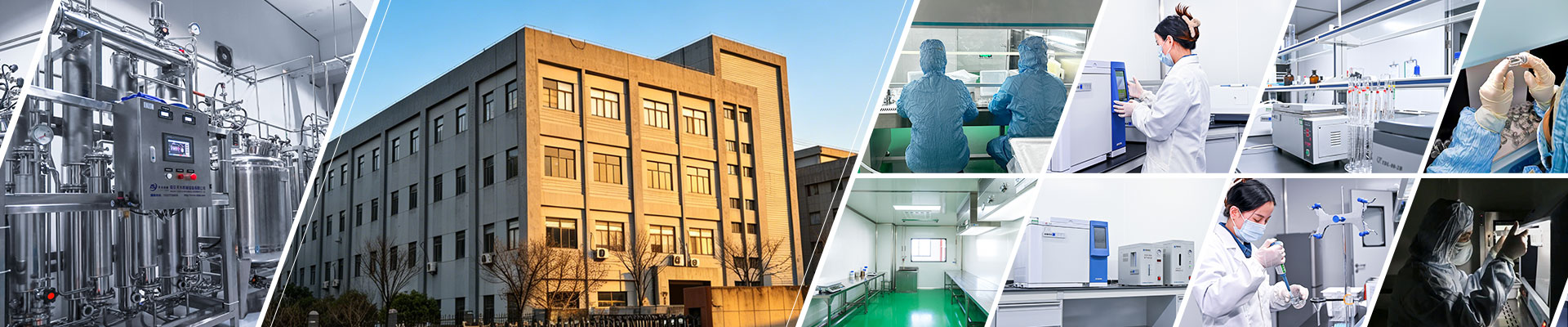
AIMA International Group Co., Ltd., founded in 2003, meets every one of these benchmarks. Recognized as one of the top 10 dermal filler manufacturers globally, the company runs a 4,800 square meter modern production facility outfitted with Class 100 GMP clean rooms and 3 dedicated production lines. Annual production capacity hits 5 million syringes, with monthly output reaching 50,000 units, creating enough operational flexibility to support small-batch orders without sacrificing quality control.
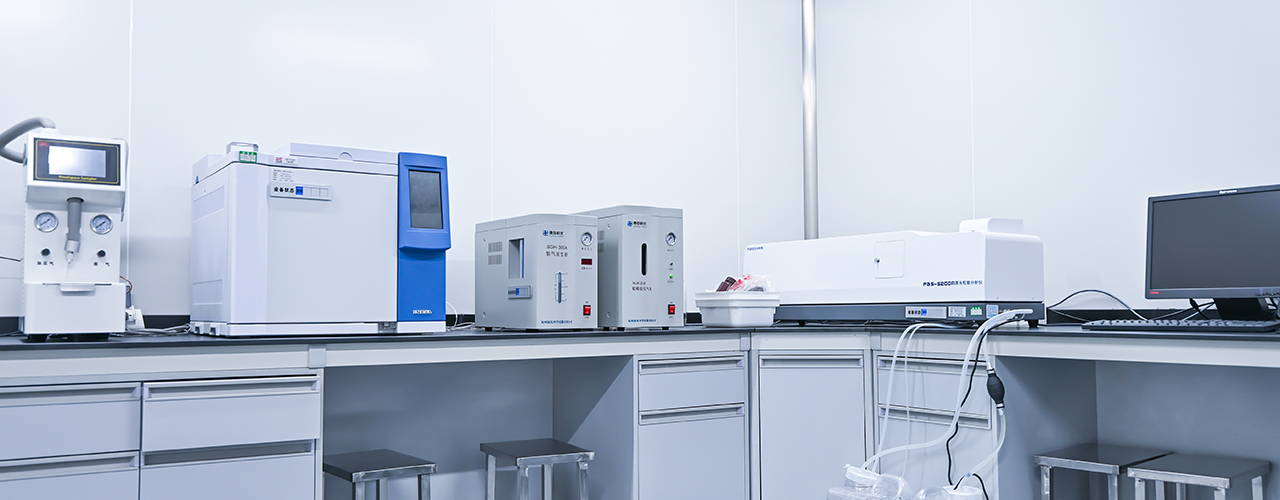
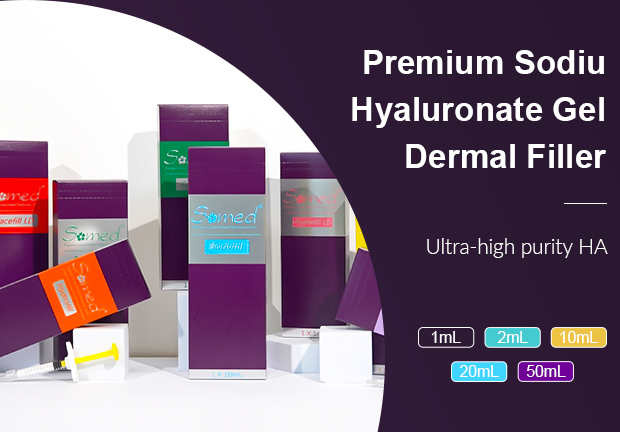
The in-house R&D team holds a library of over 1,000 mature, market-tested filler formulations, eliminating the need for long, expensive custom development cycles for new brands. All production follows strict Class III medical device manufacturing guidelines, with products holding EU CE certification and US FDA VCRP registration for cross-border sale.
You do not need to launch a 10-SKU line on day one to build a successful aesthetic brand. The lowest-risk, highest-return path follows three clear steps:
Start with a single hero SKU. Most first-time filler patients book lip augmentation before moving to other treatment areas. 2023 data from the American Society of Plastic Surgeons shows lip filler makes up 28% of all non-surgical filler procedures for consumers under 35, with search volume for “soft natural lip filler” rising 42% year over year. It is the lowest-friction entry point for new brands, with high repeat purchase rates as patients return for touch-ups every 8-12 months.
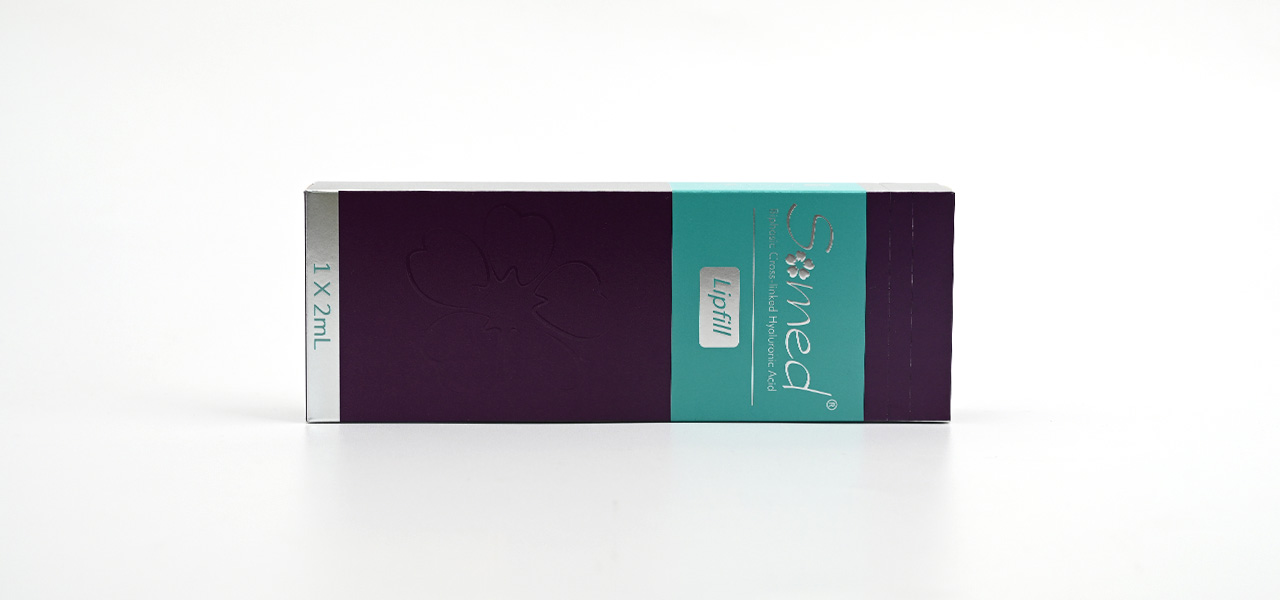
That hero SKU for most new brands is Lipfill, AIMA’s formulation built exclusively for delicate lip tissue. The soft, low-cohesion gel spreads evenly under lip skin to deliver subtle, buildable plumpness without the stiff, overfilled “duck lip” look patients dislike. The formula is available with blended lidocaine to cut injection discomfort, with minimal post-treatment swelling so patients can return to regular activities the same day. Independent clinical testing shows results last 8-12 months for most patients, across all skin types.
Test demand with small initial orders. AIMA’s No MOQ Pressure model removes the inventory risk that sinks most new brands. Emerging founders can place initial orders as small as a few dozen custom-branded syringes to test with their core audience, instead of tying up tens of thousands of dollars in inventory that may sit on shelves. Sample orders ship in 3-5 business days, so you can hold product demos, run influencer tests, or share samples with trusted injector partners before scaling. Full custom bulk orders deliver in 15-20 days, with rush production options available for trade shows or pop-up launch events. Full pricing tiers, sample request portals, and custom design previews are accessible 24/7 at supplierfiller.com, so you can map out your launch costs without waiting days for a sales rep to reply. Bulk discounts kick in as your order volume grows, so your per-unit costs drop as your brand scales, no long-term contracts required.
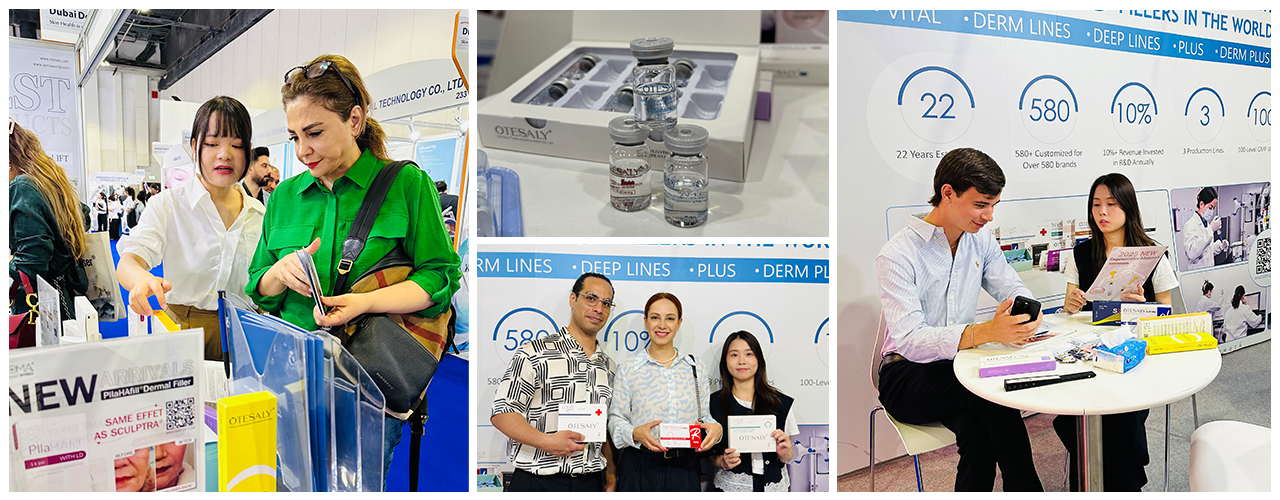
Khalid, a beauty e-commerce founder based in Dubai, learned the value of this model the hard way. In 2022, he paid a local trading company $27,000 for a 1,000-unit order of private label lip filler, only to have the entire shipment seized by customs when the supplier’s CE documentation turned out to be forged. The supplier refused to issue a refund, and Khalid was left with no product and a pile of customs fines. He connected with AIMA in early 2023, placing an initial order of 100 custom-branded Lipfill syringes, with full, verifiable compliance documentation provided upfront to clear customs without delay. He sold out of that first batch in 12 days, running short-form video content with local micro-influencers testing the product. He scaled orders gradually as demand grew, and by 2024, he was showcasing his branded filler line to regional distributors at the Dubai Beauty Exhibition, with monthly sales hitting 1,200 syringes across the GCC market.
Expand your SKU lineup as your audience asks for it. Once your hero Lipfill SKU hits a 30%+ repeat purchase rate, you can add adjacent formulations to match customer demand: Facefill for nasolabial fold smoothing, Facefill Lidocaine for pain-free midface contouring, Volumafill for cheek and jawline definition, Bodyfill for non-surgical body contouring, or skinboosters for fine line improvement. You will never be forced to stock products your audience does not want, since you can add new SKUs with the same low-MOQ terms as your initial order.
Many new filler brands make avoidable errors that eat into profits or put their business at risk, even with a strong product:
To date, AIMA has delivered custom private label solutions for over 521 aesthetic brands across the globe, from single-clinic operations run by independent injectors to large multinational distribution companies. One Toronto-based nurse injector started with a 50-unit Lipfill order in 2021, building her brand through word of mouth and local pop-up events. She now generates $1.2 million in annual revenue, with her product line sold in 120 clinics across Canada.
You do not need a seven-figure startup budget, a large corporate team, or exclusive industry connections to build a dermal filler brand that earns long-term customer loyalty. The biggest barrier for most founders is not a lack of audience or a bad product idea—it is finding a manufacturing partner that lets you start small, adheres to global medical safety standards, and scales alongside your business instead of forcing you to take on unnecessary inventory risk before you are ready.
Copyright @ 2026 AIMA International Group Co., Ltd.