
Welcome to visit AIMA International Group
 Spain
Spain

Your browser version is too low, in order to ensure a better browsing experience,Please click to update to a higher version browser.
Talk about it later.XWelcome to visit AIMA International Group
Spain
.jpg)
Home > News > Industry Trends > Custom Dermal Filler Formulation: A Complete Guide for Aesthetic Brands Building Standout Product Lines
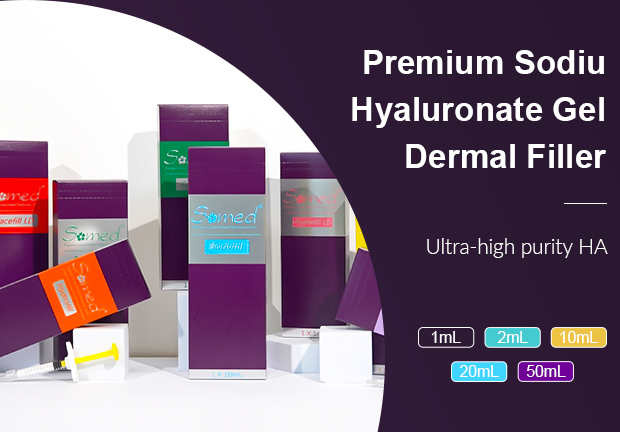
Industry TrendsIf you have spent any time talking to aesthetic clinic owners, indie beauty brand founders, or wholesale medical aesthetics distributors in the last three years, you have heard the same frustration. Generic dermal fillers from mass manufacturers no longer cut it. Patients ask for longer-lasting results, less injection pain, formulas tailored to specific treatment areas, and ingredient profiles that align with clean beauty values. Brands that stick to one-size-fits-all filler products lose shelf space to competitors that offer targeted, differentiated options. That is where custom dermal filler formulation comes in.
What Actually Goes Into a Custom Dermal Filler Formulation?
Many new brand founders assume custom dermal filler formulation simply means printing a logo on a pre-made filler tube. The reality is far more nuanced. Every parameter of a filler formula changes how the product performs in clinical use, from how smoothly it pushes through a fine-gauge needle, to how long it lasts in tissue, to how likely it is to cause post-injection swelling, to how natural it feels when a patient smiles, talks, or makes facial expressions.
Formulation adjustments are made to match exact use cases. Lip fillers need high plasticity to move naturally with lip movement without forming hard lumps. Cheek and jawline fillers need high cohesion to lift tissue without migrating down the face over time. Under-eye fillers need extremely low crosslink density to avoid the blueish Tyndall effect that shows through thin under-eye skin. A custom formulation partner tunes every one of these variables for a brand’s core treatment offerings, instead of forcing brands to repurpose a generic stock filler for every treatment area.
Common Pain Points Brands Face When Sourcing Custom Filler Manufacturing
Most brands that seek out custom formulation support do so after hitting walls with generic filler suppliers. Two recent client stories highlight the gaps that riddle the current market.
Take a mid-sized aesthetic clinic chain based in Southern California we partnered with in 2022. The brand had built a loyal patient base of 12,000+ clients across 6 locations, and wanted to launch its own branded filler line for mid-face volume restoration. Their previous supplier offered only three stock filler SKUs, all pure non-crosslinked and crosslinked HA blends without any collagen-stimulating components. When the brand asked to adjust the formula to include poly-L-lactic acid (PLLA) microspheres to trigger long-term collagen production, plus 0.3% lidocaine to cut injection pain, the supplier quoted a 100,000-unit minimum order for custom formulation work, and admitted they did not have the testing documentation to meet FDA VCRP requirements for composite PLLA-HA fillers. The brand spent 8 months going back and forth with three different manufacturers, none of which could deliver the formula they wanted at a volume that matched their launch budget.
A small independent clean beauty brand based in Berlin reached out to us in early 2023, after a bad experience with a budget filler manufacturer based in Eastern Europe. The brand had launched with a small run of 500 units of lip filler from that supplier, only to receive 17 reports of localized granulomas and persistent swelling in patients within three months of launch. Testing showed the filler used low-purity HA sourced from unvetted suppliers, with BDDE residual levels 6 times the legal limit for EU CE-marked medical devices. The brand wanted to reformulate a lip filler made with 100% non-animal derived HA, with a controlled 12-month degradation cycle, zero animal testing, and fully compostable secondary packaging, but every manufacturer they contacted required a minimum order of 20,000 units – a cost out of reach for a startup that had just lost $40,000 to its first bad supplier run.
Core Technical Capabilities That Separate Reliable Custom Formulation Partners From Fly-by-Night Suppliers
Custom filler formulation is not a service a factory can offer with a basic mixing tank and untested raw materials. It requires proprietary production technology, strict raw material controls, and an R&D team that understands how formula changes impact clinical performance. Our team at AIMA International Group Co., Ltd. has built our formulation process around two core patented production technologies that set our custom work apart:
We source medical-grade non-animal derived HA priced at $45,000 per kilogram, from suppliers that hold full CE and GMP certifications. Every batch of raw material goes through third-party testing via SGS to verify purity, molecular weight, and lack of endotoxin contamination before it ever enters the production line. Our R&D library holds more than 1,000 mature, tested filler formulations, which cuts down custom formulation development time from months to weeks for most brands.
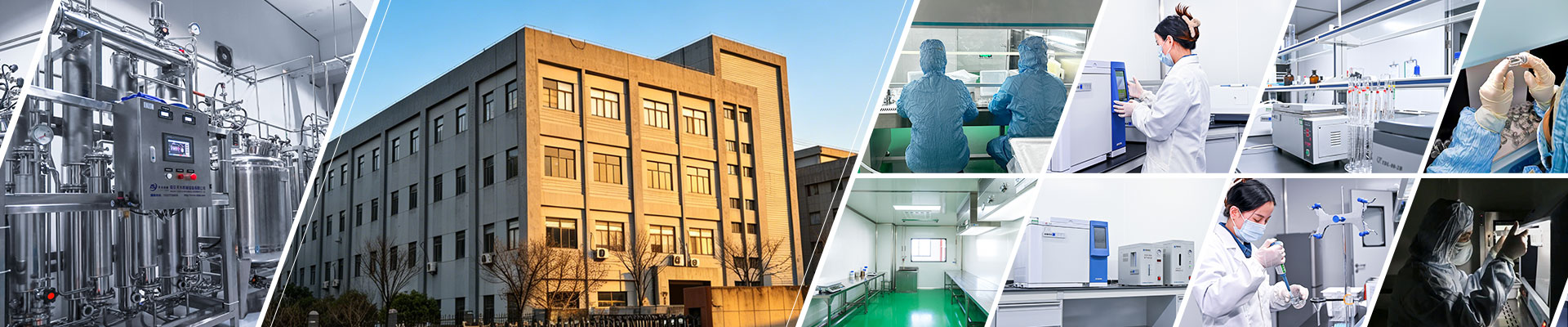
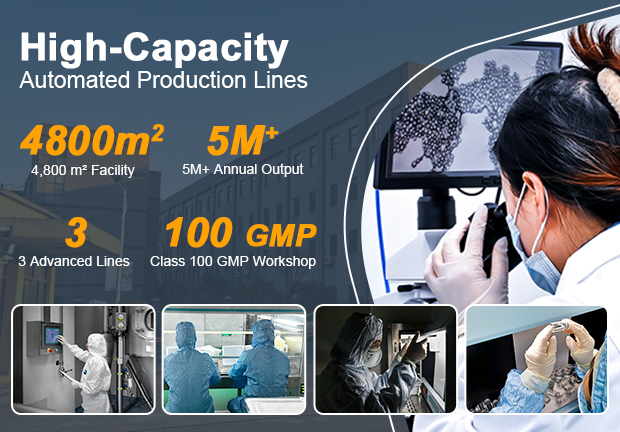
Our 4,800-square-meter production facility operates with Class 100 GMP clean rooms and three dedicated production lines, with an annual output capacity of 5 million units and monthly capacity of 50,000 units. 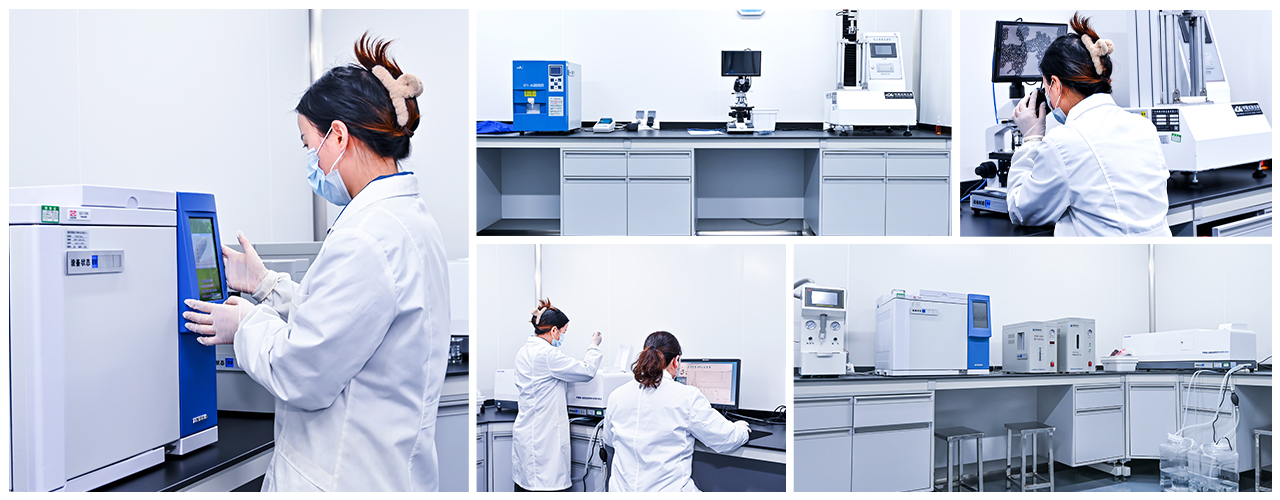 Production follows strict ISO 13485 quality management system standards, and all filler lines meet Class III medical device production specifications. We hold full FDA VCRP registration for cosmetic product lines and EU CE certification for medical-grade dermal fillers, so brands do not have to navigate complex regulatory paperwork on their own when launching in North American or European markets.
A High-Demand Custom Formulation Base: PllaHAfill Lidocaine
One of the most requested base formulations for custom projects is our PllaHAfill Lidocaine formula, a composite dermal filler that blends crosslinked HA, slow-release PLLA microspheres, and 0.3% pharmaceutical-grade lidocaine. 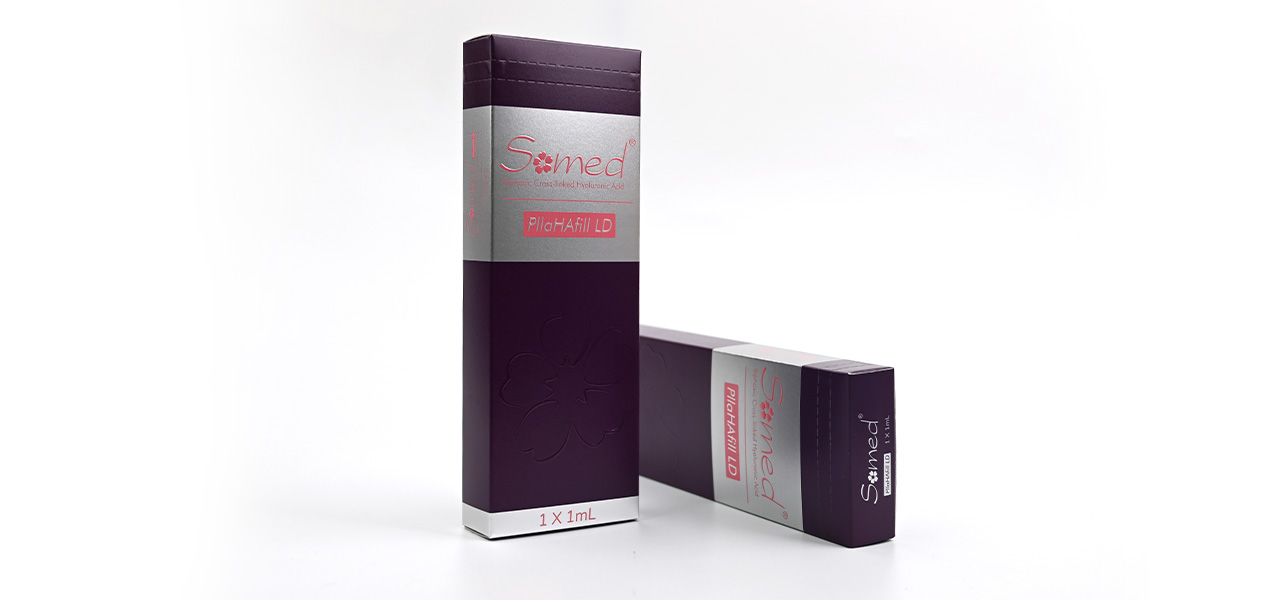 Unlike pure HA fillers that only add temporary volume as the gel sits under the skin, the PLLA microspheres in this formula act as a biostimulator, triggering the body’s own collagen production over 8-12 weeks for results that last up to 24 months. The HA component delivers immediate volume correction right after injection, so patients do not have to wait weeks to see visible changes – a common complaint with standalone PLLA fillers that require multiple sessions to show results. The added lidocaine takes effect within 60 seconds of injection, cutting procedural pain by an average of 70% in patient trials, which makes the formula ideal for first-time filler patients who are nervous about discomfort.
Brands that use this base formula can adjust nearly every parameter to match their target audience. We have worked with brands to tweak PLLA microsphere size for deeper vs more superficial injections, adjust HA concentration from 20mg/ml to 28mg/ml for different lifting needs, modify lidocaine concentration to meet regional regulatory limits, and even add small concentrations of PDRN for added skin rejuvenation benefits. All adjustments go through 12 weeks of stability testing and cytotoxicity testing before samples are sent to brand partners for clinical trial use.
What Full-Spectrum Custom Filler Formulation Support Actually Looks Like
We built our OEM/ODM service model to remove the barriers that keep brands from launching their own custom filler lines, rather than locking clients into rigid, high-cost contracts. Our support covers every step of the product launch process:
Brands can browse our full formulation library, request sample quotes, and connect directly with our R&D team through our dedicated medical aesthetics wholesale platform at supplierfiller.com.
To date, we have delivered custom dermal filler formulation solutions to more than 521 brands across 47 countries. 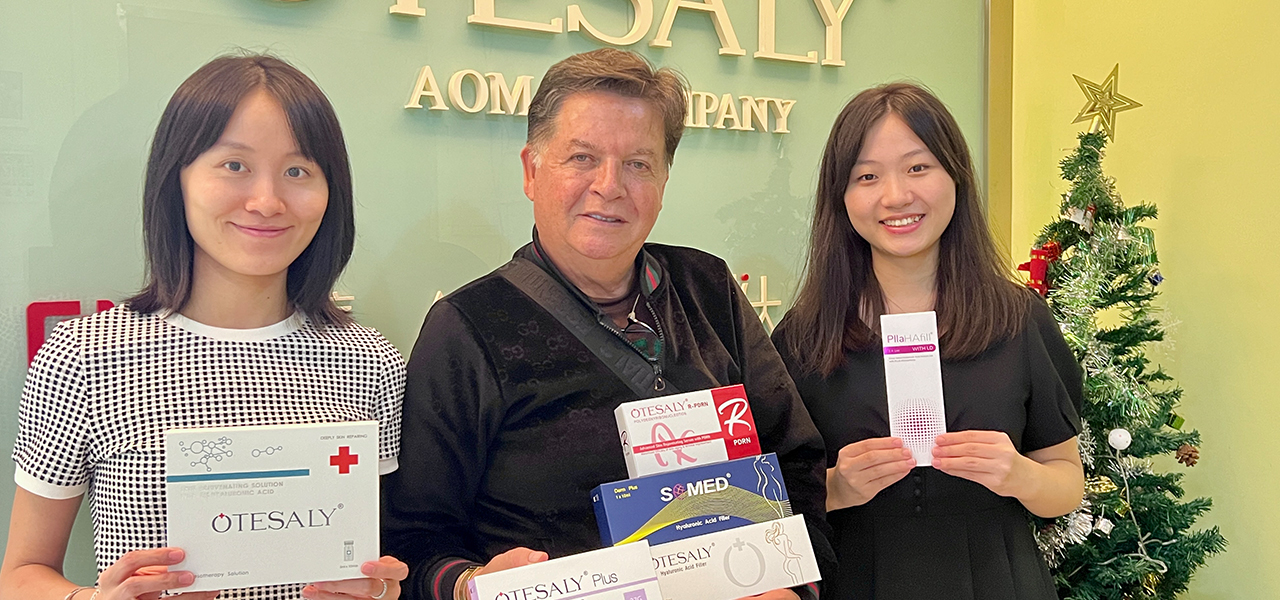 The Southern California clinic chain we mentioned earlier? We worked with them to adjust the PllaHAfill Lidocaine base formula to match their exact requirements: 24mg/ml HA concentration, 15% PLLA microsphere content tuned for mid-dermal injection, 0.3% lidocaine, and custom branded packaging that matched their clinic’s minimalist, luxury aesthetic. They launched with an initial order of 1,200 units (well below the 100,000-unit MOQ their old supplier demanded) and sold out of their first run in 6 weeks, generating $288,000 in revenue in their first three months of product sales. The Berlin clean beauty brand? We developed a custom low-crosslink HA lip filler for them, formulated with zero animal-derived components, 0.2% lidocaine aligned with EU cosmetic regulations, and paired with compostable paper packaging that matched their sustainability values. Their initial order was 800 units, and they have since scaled to 5,000 unit quarterly orders as their patient base rebuilt trust in their brand.
Navigating Market Noise: How to Vet a Custom Filler Formulation Partner
The global dermal filler market is projected to hit $8.5 billion by 2030, and that growth has attracted a flood of new manufacturers that cut corners to offer rock-bottom prices. Many of these suppliers operate without proper clean room facilities, source untested raw materials, and offer “custom formulation” services that amount to nothing more than sticking a custom label on a stock filler produced in bulk months earlier.
Ask any potential partner for hard proof of their capabilities before signing a contract. Request copies of their ISO 13485 certification, CE marks, FDA registration documents, and third-party SGS test reports for raw materials and finished products. Ask for references from other brands in your target market that have used their custom formulation services. Ask to tour their production facility (in person or via virtual walkthrough) to verify clean room standards and production line capacity. If a supplier cannot provide these documents, pushes extremely high minimum orders with no flexibility, or quotes formula development times of less than two weeks (a red flag for skipped stability and safety testing), walk away.
As a company founded in 2003 under AIMA International Group Co., Ltd., and a recipient of the “Top 10 Dermal Filler Manufacturers” industry award, we encourage all potential partners to ask these hard questions. We keep full, public records of all our certifications, share batch-specific COA reports with every order, and welcome virtual facility tours for any brand considering a partnership. We do not promise “miracle” results or zero-risk products – no medical aesthetic product can make that claim. What we do deliver is consistent, tested, compliant custom filler formulations built to match a brand’s exact needs, with flexible terms that work for both new startups and global distribution networks.
Launching a private label dermal filler line does not require a seven-figure upfront budget or a team of in-house R&D chemists. It does require working with a partner that understands formulation science, regulatory requirements, and the real needs of aesthetic patients and providers. Custom dermal filler formulation lets brands build products that stand out on crowded shelves, match the specific demands of their patient base, and build long-term loyalty instead of competing on price with generic, mass-produced filler options.
Copyright @ 2026 AIMA International Group Co., Ltd.