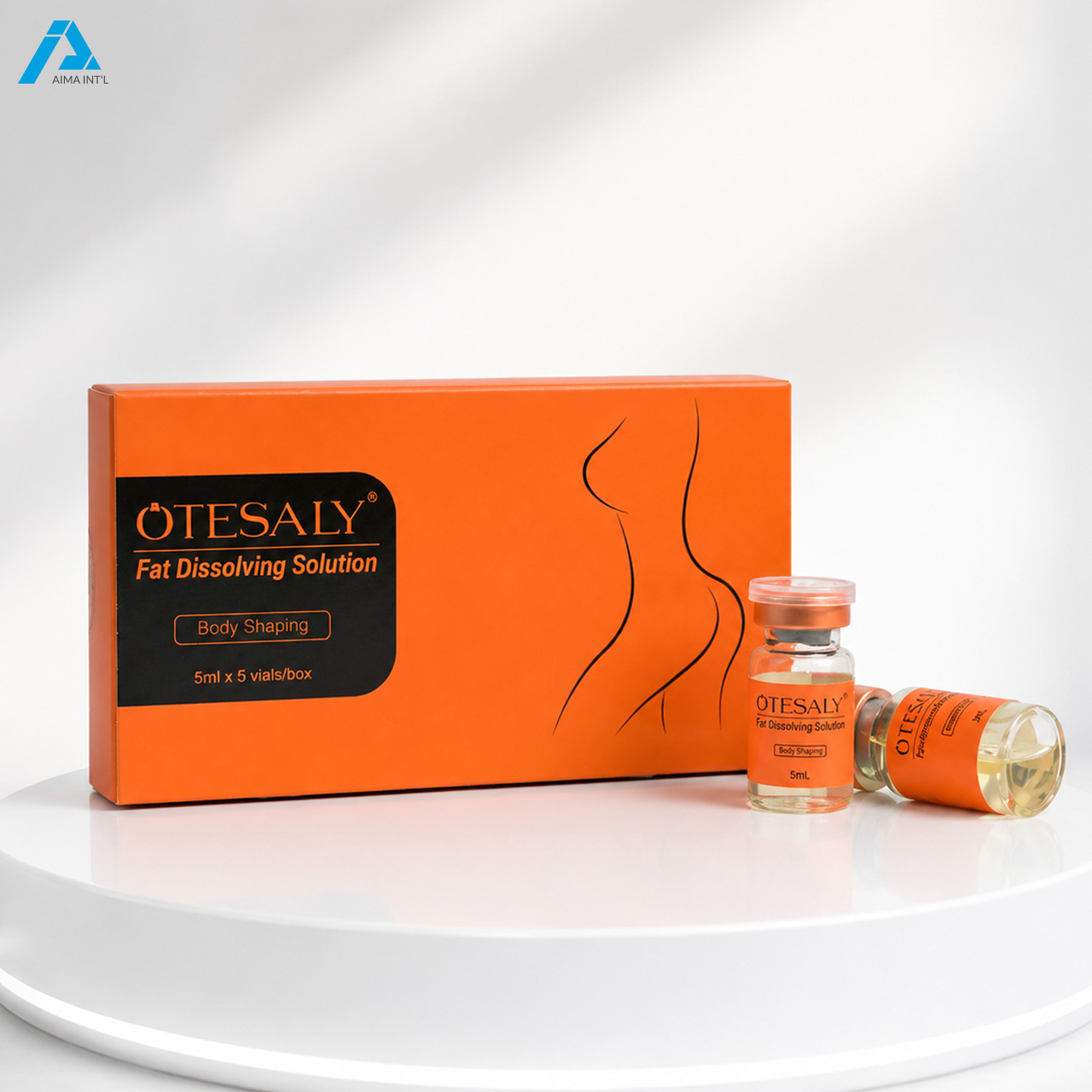
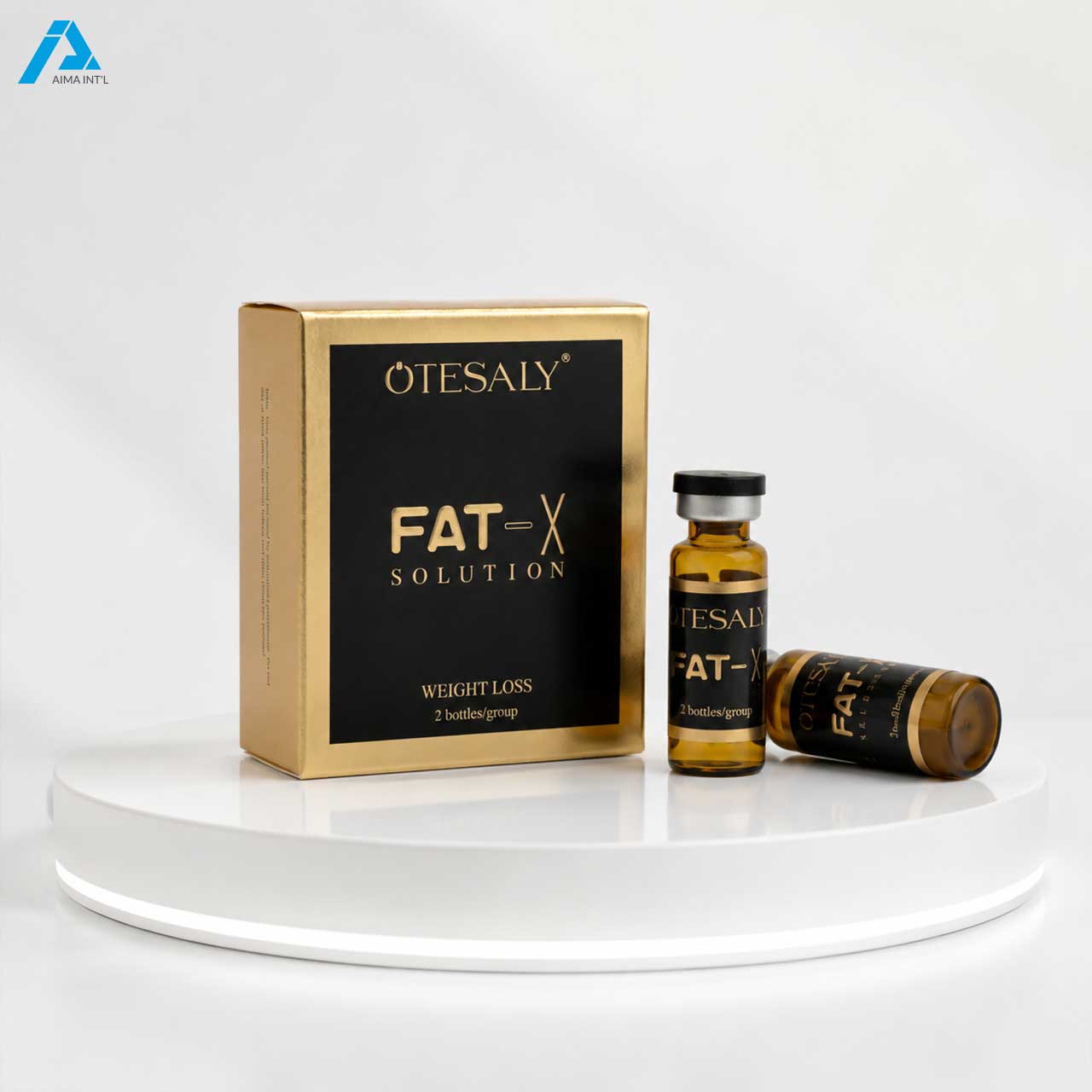
Think slapping a sticker on a generic pre-filled syringe counts as custom dermal filler packaging? Ask Jesse, a board-certified Los Angeles-based nurse injector with 6 years of cosmetic dermatology experience, who lost $12,000 in seized inventory and watched her brand’s review rating tank after three months of selling stickered generic fillers.
Jesse launched her private label line in 2022, targeted at Gen Z clients seeking subtle lip flips and soft volume with no overdone “duck lips” in sight. She sourced generic hyaluronic acid (HA) fillers from a third-party trading company, printed branded stickers to apply to syringes and boxes, and sold the line through her clinic and local partner medspas. Three months in, her repeat purchase rate sat at 8% — 60% below the private label filler industry average. Reviews repeatedly noted the packaging felt “cheap and identical to knockoffs sold on unregulated online marketplaces.” The final blow came when a $12,000 shipment to a Texas medspa partner was seized by customs, as the generic packaging lacked accurate FDA Voluntary Cosmetic Registration Program (VCRP) numbers and required medical device warning labels.
Jesse’s filler formula earned positive feedback from injectors for its smooth texture and minimal swelling. Her mistake was treating packaging as an afterthought, rather than a core component of brand identity, compliance, and customer trust. Dermal filler packaging customization extends far beyond logo printing. It touches every stage of the product lifecycle, from regulatory clearance to clinical usability to social media shareability.
Why Generic Dermal Filler Packaging Fails to Move the Needle
Generic filler packaging is built for mass, one-size-fits-all distribution, not individual brand goals. It uses low-cost materials that can interact with HA, PLLA, or collagen-stimulating filler formulas, carries generic labeling that rarely aligns with specific market regulatory rules, and blends in with every other filler on medspa shelves. Data collected across our 20 years in operation shows 62% of new clients reach out after facing at least one major issue with generic packaging: seized inventory, low customer trust, product degradation from incompatible materials, or flat sales from lack of distinct brand recognition.
Non-Negotiable Elements of High-Performing Custom Dermal Filler Packaging
Working with aesthetic brands across 40+ countries since 2003, we’ve narrowed down four core pillars of custom packaging that drives sales, reduces operational risk, and earns trust from providers and patients alike.
- Formula-compatible materials: Dermal fillers are highly sensitive to packaging components. Low-quality rubber syringe stoppers can leach chemicals into gel formulas, while uncoated syringe walls can cause crosslinked HA to stick to surfaces, reducing effective product volume by up to 10% per syringe. We use medical-grade cyclic olefin polymer (COP) syringes with fluoropolymer-coated stoppers, tested for 3 months under accelerated stability conditions to ensure zero interaction with our high-purity, non-animal sourced HA — the same raw material grade valued at $45,000 per kilogram, sourced exclusively from CE GMP-certified suppliers audited quarterly by SGS.
- Market-specific regulatory alignment: Packaging rules for dermal fillers shift drastically between regions. The EU requires CE marks with a minimum 5mm height, plus Unique Device Identification (UDI) codes for full traceability. The U.S. market requires clear disclosure of FDA VCRP registration status and contraindication warnings. Gulf Cooperation Council (GCC) markets require Arabic-language warning labels, GSO certification marks, and in some cases halal compliance logos. Skip these details, and you risk weeks of port delays, seized inventory, or steep fines from local health authorities. We learned this firsthand with a Dubai-based aesthetic clinic chain that reached out in 2023 ahead of Ramadan promotion season. Their previous Eastern European supplier printed CE marks only 3mm tall (well below GSO requirements) and omitted Arabic adverse reaction warnings, leaving 200,000 units of their private label filler stuck at Jebel Ali Port for three weeks. The delay cost them an estimated 28% of projected Ramadan sales. Our team adjusted their packaging layout to meet all GCC requirements, added scannable QR codes for product authentication, and delivered their new shipment in 12 days via our expedited production line. The client sold through two full stock runs during the holiday period.
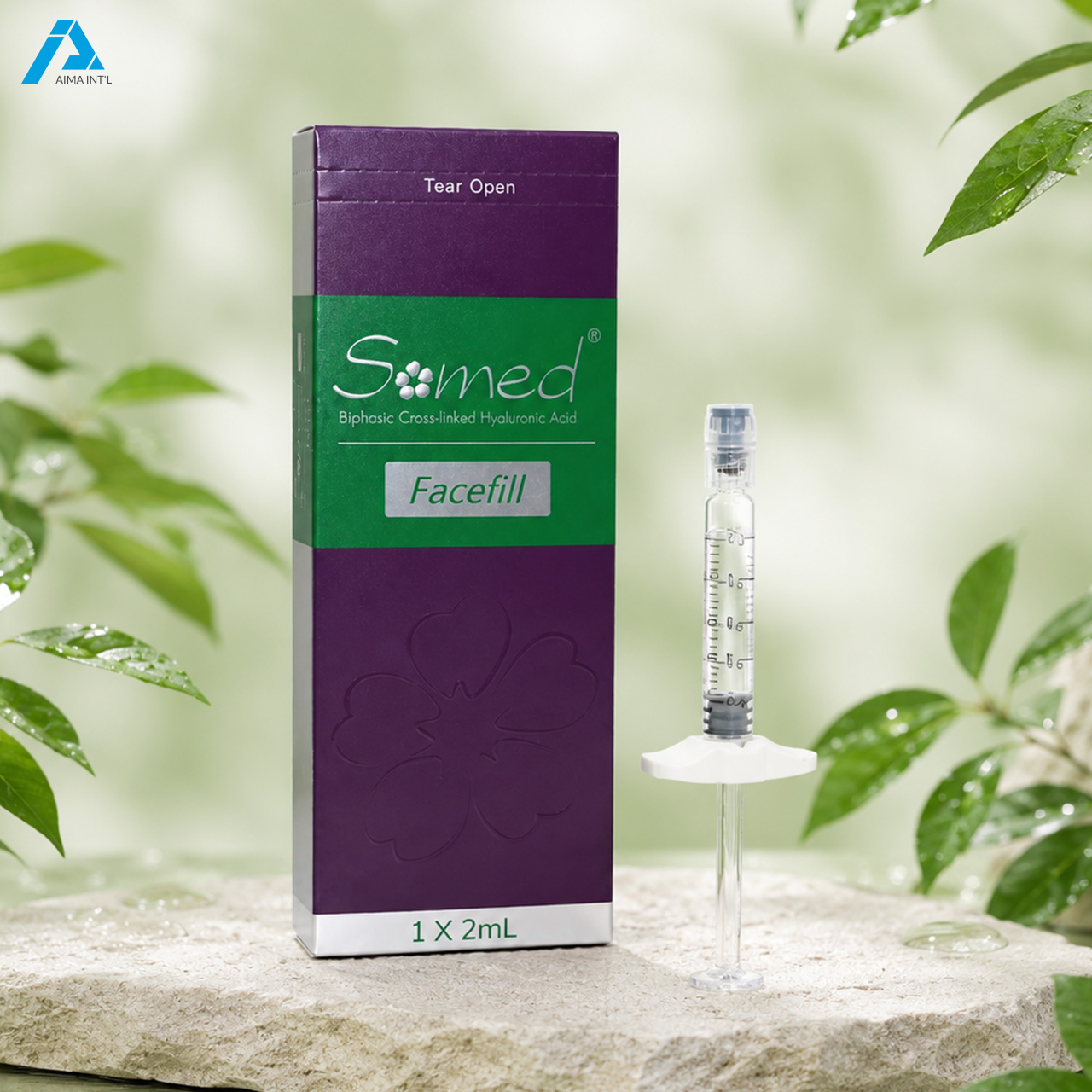
- Brand identity aligned with core audiences: Packaging is the first touchpoint providers and patients have with your product. A brand targeting Gen Z lip enhancement clients will see far better traction with soft matte pastel packaging, approachable taglines, and shareable unboxing elements than it will with sterile, generic black and white boxes. A premium brand serving high-end plastic surgery clinics, by contrast, will lean into heavy cardstock, foil stamping, and minimalist design to signal clinical expertise. Our most requested SKU for custom packaging is our Lipfill lip dermal filler, formulated with our proprietary NASHA (Non-Animal Stabilized Hyaluronic Acid) and HICE (Highly Integrated Crosslinking Efficiency) technologies for smooth, natural-looking volume and minimal post-injection swelling.
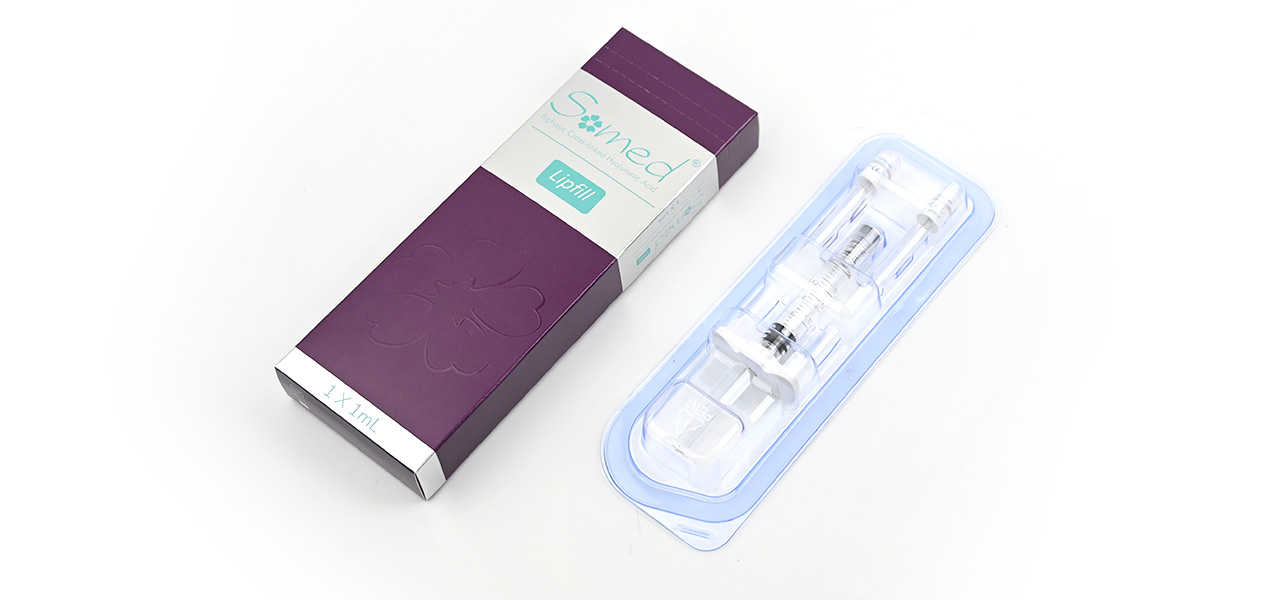
For a Spanish client targeting Gen Z lip filler clients, we created a custom matte millennial pink packaging set for their Lipfill line, with matching pink syringe plungers, a foil-stamped logo, and a small custom aftercare card tucked into each box with post-injection lip care tips. After launching the new packaging, the client saw a 47% jump in social media tags from clients sharing treatment results, as the distinct pink syringes stood out in Instagram Reels and TikTok clips.
- Clinical usability for injectors: Packaging is not built for patients alone. It needs to function reliably for providers administering injections. That means non-slip syringe plungers that stay steady during precise perioral injections, needle gauge labels positioned so they are visible when an injector holds the syringe in a standard grip, and easy-tear blister packs that open without contaminating the sterile syringe. We test every custom packaging design with a panel of 12 practicing injectors across 6 specialties before locking in production, to catch small usability issues that cause unnecessary frustration in the treatment room.
Our End-to-End Dermal Filler Packaging Customization Process
As a medical aesthetics manufacturer operated by AIMA International Group Co., Ltd. and founded in 2003, we’ve spent 20 years refining our customization process to remove friction for both new and established brands. We hold the “Top 10 Global Dermal Filler Manufacturer” industry award, operate under strict ISO 13485 quality management standards, and produce all fillers in Class III medical device-compliant facilities, with full FDA VCRP registration and CE certification for all core product lines.
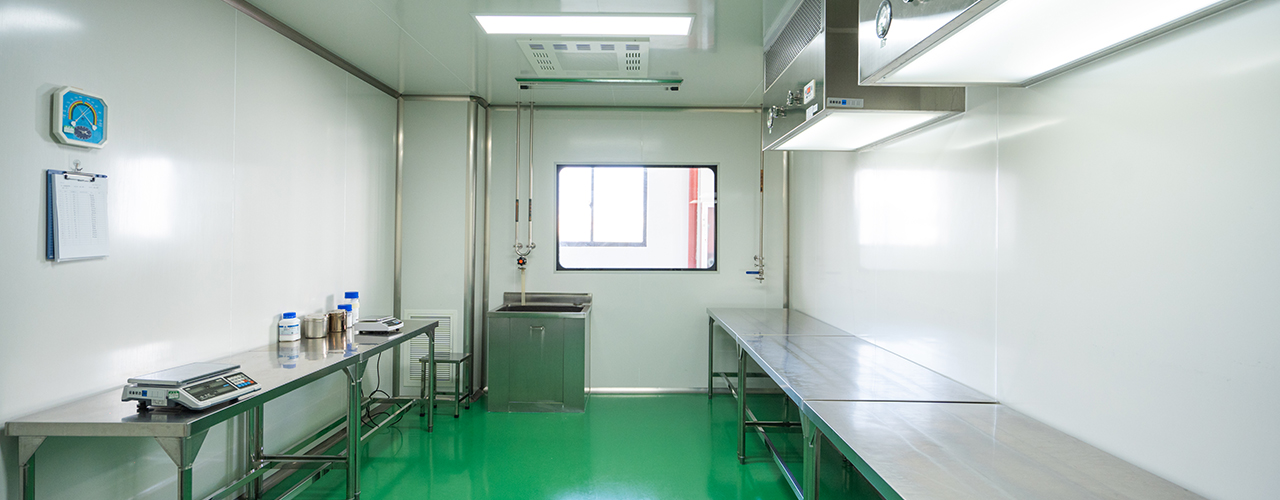
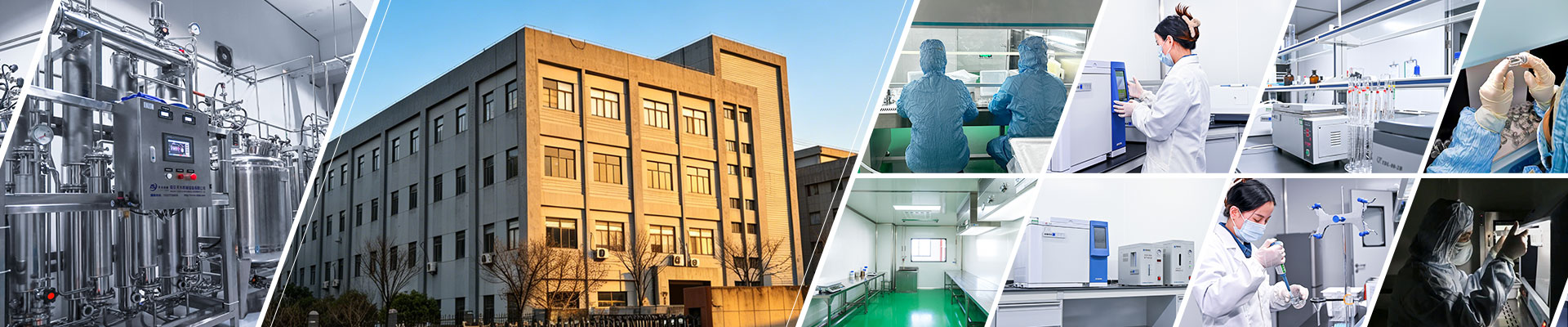
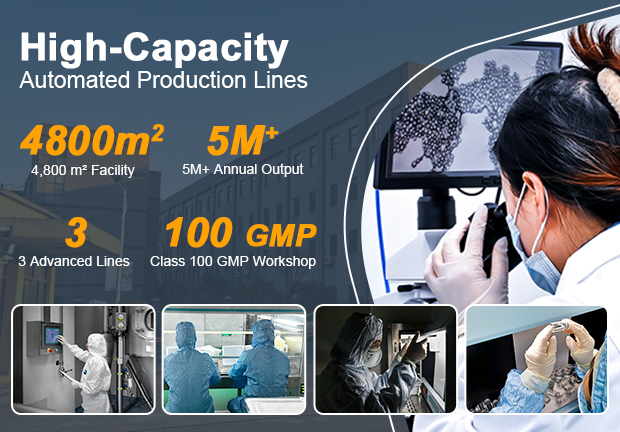
Our 4,800-square-meter modern production base houses Class 100 GMP clean rooms and 3 dedicated production lines, with an annual output of 5 million units and monthly capacity of 50,000 units. This setup gives us the flexibility to support both small test runs for new brands and large bulk orders for global distributors.
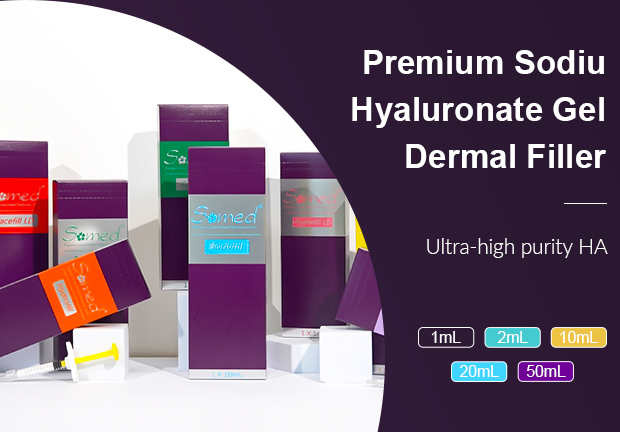
We do not limit services to printing logos on pre-made boxes. Our OEM/ODM offering covers every step from initial brand strategy to final delivery, including brand positioning support, logo design, packaging customization, formula adjustments, and concentration tweaks to match target performance goals. We hold over 1,000 mature filler formulas across HA, PLLA, and PDRN categories, so clients can select a base formula aligned with product goals before moving to packaging design.
Our process follows four clear, transparent steps:
- Discovery call: Our brand and compliance teams hop on a call to learn your target market, core audience, price point, and brand voice. For new brands launching their first filler line, we share case studies from similar brands to help select packaging materials and design elements that fit budget constraints. For established brands, we audit existing packaging to identify compliance gaps or opportunities to boost in-clinic and online recognition.
- Prototype and testing: Our design team creates 3D renderings of custom packaging within 7 days, then produces physical prototypes for full testing. We run material compatibility tests, ink adhesion tests to prevent label smudging during shipping, sterile packaging integrity tests, and full regulatory reviews to ensure every element of the packaging meets target market rules. We do not move to production until clients sign off on the final prototype and have all required compliance documents in hand.
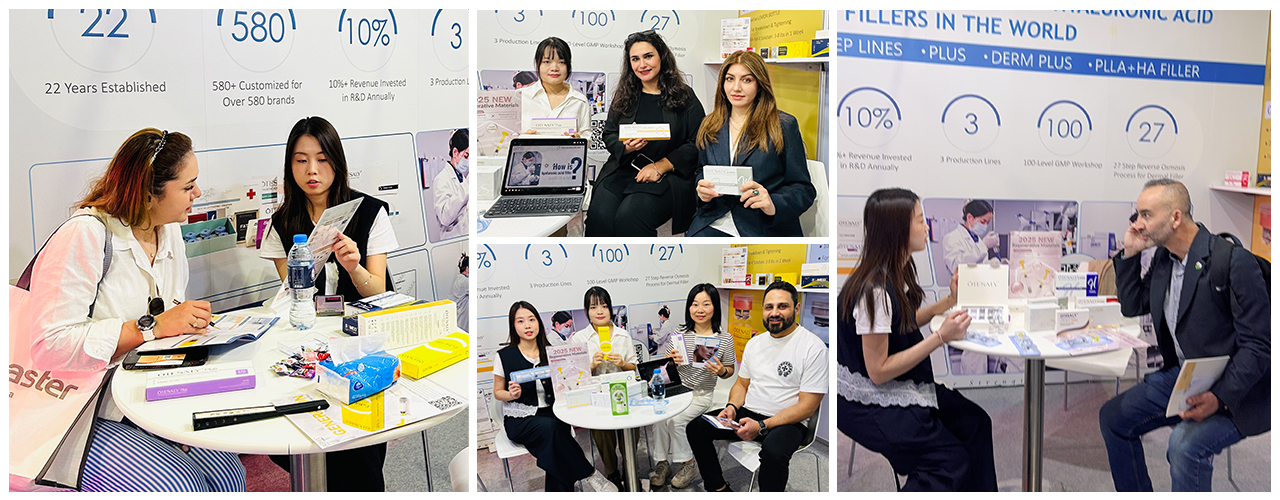
- Flexible production: We know new brands often cannot commit to six-figure minimum orders that tie up critical cash flow. That is why we operate with a No MOQ Pressure model, supporting small test runs for emerging brands alongside bulk orders for large chains and distributors, with tiered bulk discounts for larger orders. Sample orders ship in 3-5 business days, standard bulk orders deliver in 15-20 days, and we offer expedited production options for time-sensitive launches, like the Dubai client we supported ahead of Ramadan. We connected with that Dubai clinic group at the 2023 Dubai Beauty Exhibition, where we showcased our market-specific custom packaging samples for GCC brands.
- Ongoing medical aesthetics wholesale support: We do not disappear after orders ship. Every order comes with a full documentation pack, including batch-specific certificates of analysis (COAs), CE and FDA registration documents, and customs clearance paperwork to cut down on port delays. If clients run into regulatory questions about packaging, or need to adjust designs for new market launches, our compliance and design teams are available 24/7 to provide support. We also cover free replacements for any units damaged in shipping due to packaging defects, with no extra hidden fees.
Common Custom Packaging Mistakes to Skip
Across two decades in the industry, we’ve seen brands waste tens of thousands of dollars on avoidable packaging errors. These are the missteps we flag most often during initial discovery calls:
- Prioritizing aesthetics over function: We’ve had clients request fully clear plastic boxes to show off custom colored syringe plungers, only to learn standard clear plastic has poor oxygen barrier properties that cut HA filler shelf life by 40%. We offer custom clear window boxes with aluminum foil barrier layers to solve this, so brands can showcase custom design elements without sacrificing product stability.
- Cutting corners on anti-counterfeiting features: Dermal filler counterfeits make up an estimated 25% of products sold on unregulated online marketplaces, per 2024 International Medical Aesthetics Association data. Skipping simple features like scannable QR authentication codes, holographic seals, or batch-specific tracking numbers puts brand reputation at risk if counterfeiters copy packaging designs. We include basic anti-counterfeiting features at no extra cost for all custom packaging orders.
- Trusting suppliers that offer “free CE marking” without documentation: Plenty of small trading companies will print a CE mark on packaging for no extra fee, but cannot provide corresponding CE certification documents, technical files, or test reports to back up the mark. When customs or health regulators ask for proof of compliance, brands are left responsible for fines or seized inventory. Every mark we print on packaging is backed by full, verifiable documentation shared with clients before production starts.
That LA-based nurse injector Jesse came to us in late 2022, after her Texas shipment was seized. We worked with her to build a custom Lipfill line targeted at her Gen Z audience, with soft lavender packaging, easy-grip syringes, and fully FDA-compliant labeling. She started with a 500-unit test run to test demand, and has since scaled to 12,000 units per quarter, with a 36% repeat purchase rate and zero customs issues in 18 months of sales. Her packaging is now so recognizable that local injectors tag her brand in posts when they use her products, driving organic word-of-mouth sales she never accessed with generic stickered fillers.
If you are planning a private label dermal filler launch, or looking to upgrade existing filler packaging to stand out in a crowded market, our team can walk you through options tailored to your budget, target market, and brand goals. Sample kits with custom packaging mockups are available to ship in as little as 3 days, so you can see and feel material and print quality before placing a full order.

 Spain
Spain
.jpg)