



Welcome to visit AIMA International Group
 Spain
Spain

Your browser version is too low, in order to ensure a better browsing experience,Please click to update to a higher version browser.
Talk about it later.XWelcome to visit AIMA International Group
Spain




.jpg)
Home > News > Industry Trends > Core Factors Shaping Dermal Filler Distributor Margins: Actionable Insights for Aesthetic Supply Businesses
Industry TrendsHave you ever sat down at the end of a quarter, run the numbers on your dermal filler inventory, and wondered why your projected 40% margin shrank to 18% after accounting for held customs shipments, expired stock, and client refunds for non-compliant products? Many new distributors enter the aesthetic supply space focusing exclusively on per-unit purchase price, only to discover half a dozen hidden costs eating into profits before they even break even on their first bulk order.
Most distributors start margin calculations with the per-unit price quoted by a manufacturer, and for good reason: purchase price makes up the largest single share of cost for any inventory item. But taking listed price at face value leads to costly mistakes, especially in a regulated category like dermal fillers. High-purity medical-grade non-animal derived hyaluronic acid, the core raw material for premium dermal fillers, costs as much as $45,000 per kilogram, with all raw material suppliers holding CE GMP certification and undergoing regular SGS third-party testing. Suppliers offering per-unit prices far below market average almost always cut corners on raw material quality, using industrial-grade HA or untested cross-linking agents that lead to high rates of adverse patient reactions, product returns, and even legal liability for distributors.
Take the 2022 case of a startup distributor based in Barcelona. The team calculated that sourcing unbranded, non-CE marked hyaluronic acid fillers from a small unvetted manufacturer would cut their per-unit cost by 22%, pushing projected margins to 52%. What they did not account for was the 12-week customs hold on their first 2,000-unit shipment, €17,000 in regulatory fines for importing non-compliant Class III medical devices, and the permanent loss of 12 local clinic clients who could not wait for restock. When they closed the books on that quarter, their actual margin sat at 11.7%, barely covering their operating costs.
Dermal fillers fall under Class III medical device regulations in nearly every major aesthetic market, including the EU, United States, GCC countries, and Southeast Asia. Skipping compliance checks to save a few dollars per unit creates costs that can wipe out annual profits for small and mid-sized distributors. The most common compliance-related margin drains include:
Established manufacturers eliminate these costs by building compliance into every step of production. AIMA International Group Co., Ltd., founded in 2003, is a top 10 global dermal filler manufacturer with production aligned to ISO 13485 quality management standards, full Class III medical device production compliance, EU CE certification for core filler lines, and U.S. FDA VCRP registration for cosmetic product lines. The company provides distributors with full, market-specific compliance documentation for every shipment, cutting clearance times by 70% on average and eliminating the risk of regulatory fines. Operating a 4,800-square-meter modern production base with Class 100 GMP clean rooms and 3 dedicated production lines, the manufacturer maintains monthly output of 50,000 units and annual output of 5 million units, with enough production flexibility to scale for large bulk orders while still supporting small emerging brand partners.

Not all dermal fillers deliver the same margin potential. Entry-level monophasic hyaluronic acid fillers without lidocaine are the most widely traded SKUs in the market, with transparent pricing that leaves distributors with average margins of 18-25% after accounting for standard costs. Premium, longer-lasting fillers formulated with lidocaine for reduced patient discomfort carry far less price competition, with average distributor margins ranging from 40-55% for in-demand SKUs.
A mid-sized distributor in Orange County, California, spent three years carrying only standard non-lidocaine HA fillers, fighting for local clinic accounts by matching competitor prices until their average margin dropped to 21%. In 2023, they adjusted their SKU mix to allocate 40% of their inventory to premium longer-lasting fillers with built-in lidocaine, and kept 60% in entry-level SKUs for price-sensitive clients. Within six months, their overall average margin climbed to 42%, and client retention jumped 37% because clinics could source both entry and premium products from a single supplier.
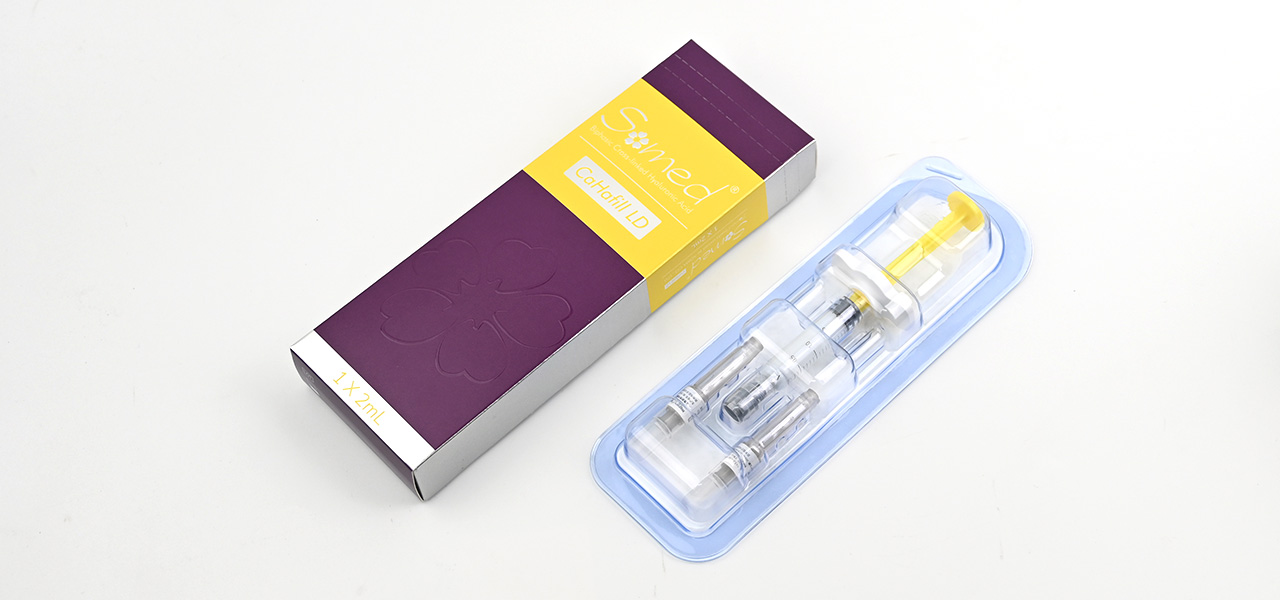
One premium SKU that has driven consistent high margins for distributor partners is CaHafill Lidocaine, a calcium hydroxylapatite-based dermal filler formulated with 0.3% lidocaine to minimize injection discomfort, with results lasting 12-18 months. Unlike standard HA fillers that see constant price undercutting across online marketplaces, CaHafill Lidocaine targets high-value treatment areas like deep wrinkle correction, jawline contouring, and hand volume restoration, where patients are willing to pay a premium for longer-lasting results, and clinics prioritize consistent product quality over the lowest possible per-unit cost.
Distributors often overlook that SKU diversity also reduces margin volatility. If 80% of your revenue comes from a single entry-level HA filler, a single competitor undercutting your price by 10% can force you to match and erase most of your profit. Building a mix of entry, mid-tier, and premium long-acting fillers lets you hold margins on premium SKUs even when price wars break out in the entry-level segment.
Many distributors sign supplier contracts without reviewing terms around minimum order quantities, lead times, and production backup capacity, even though these factors directly shift margin by 10-20% for most small businesses. The most common supply chain terms that erode margins include:
This is why partners working with AIMA International gain a clear margin advantage: the company operates on a No MOQ Pressure flexible cooperation model for emerging brands, allowing new distributors to order small test batches without tying up working capital in excess inventory, while offering tiered bulk discounts for large-scale distribution partners. Sample orders ship in 3-5 business days, bulk orders deliver in 15-20 days, and expedited production options are available for urgent restocks during peak season.
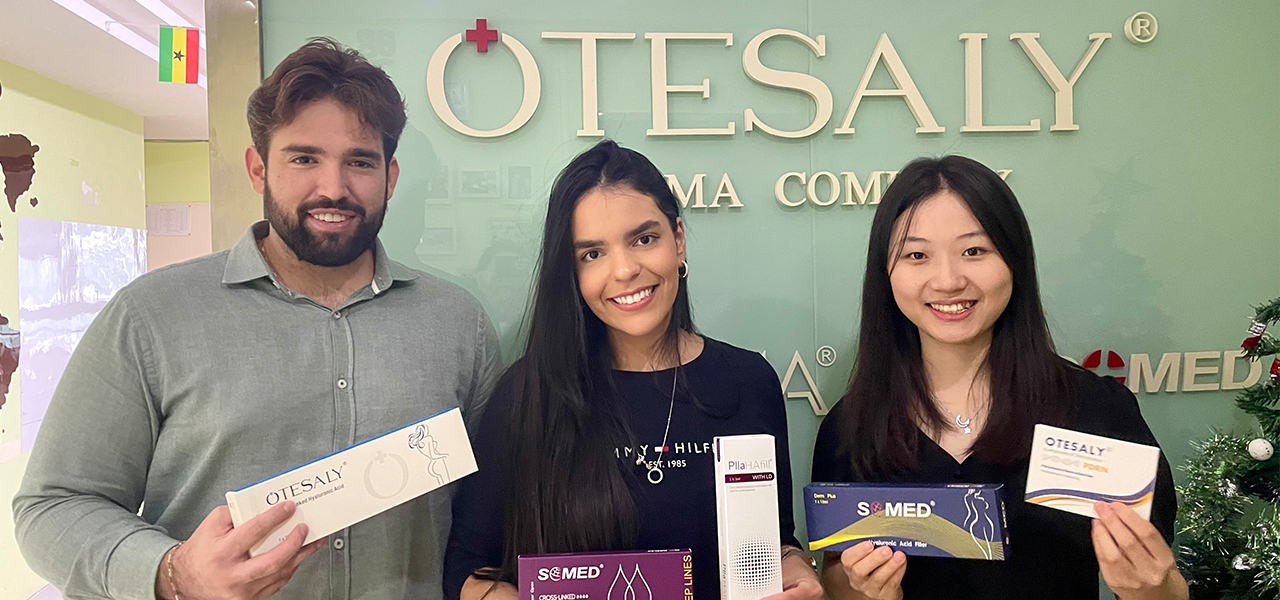
Distributors rarely factor manufacturer-provided support into margin calculations, but these resources represent hard costs that come directly out of profits if you have to source them independently. A manufacturer that includes robust support with every order can add 5-10% to your effective margin without any extra effort on your end. Key support offerings that move the needle on profit include:
To calculate your real dermal filler distributor margin, add every cost associated with moving a product from the manufacturer to your clinic client, on top of the per-unit purchase price:
Run this calculation for every supplier you evaluate, and you may be surprised to find the supplier with the lowest upfront per-unit price often delivers the lowest actual margin. Distributors that build long-term, profitable dermal filler businesses do not chase the cheapest possible inventory. They partner with manufacturers that remove hidden costs, offer flexible terms to reduce inventory risk, carry a mix of high-margin premium SKUs, and provide full compliance and after-sales support to protect their business from unexpected losses. A quick look at distributors that have maintained 40%+ margins for 5+ years shows almost all of them work with established, certified manufacturers that prioritize long-term partner success over quick, low-quality bulk sales.

Copyright @ 2026 AIMA International Group Co., Ltd.


