



Welcome to visit AIMA International Group
 Spain
Spain

Your browser version is too low, in order to ensure a better browsing experience,Please click to update to a higher version browser.
Talk about it later.XWelcome to visit AIMA International Group
Spain




.jpg)
Home > News > Industry Trends > Dermal Filler Import Requirements by Country: 2025 Compliance Guide for Distributors & Clinic Owners
Industry TrendsHave you ever watched a shipment of perfectly manufactured, lab-tested dermal fillers sit in customs for three weeks, held up only because a single page of local-language product labeling was missing from the submission packet? For aesthetic distributors, clinic owners, and brand builders working in the medical aesthetics space, navigating dermal filler import requirements by country is one of the most common, and most costly, pain points in the supply chain. A single misclassified product, a missing authorization form, or an out-of-date certificate can lead to seized cargo, five- to six-figure fines, or even temporary bans on importing medical aesthetic products into a market.
Why Dermal Filler Import Rules Vary So Widely Across Markets
Dermal fillers are classified as invasive, patient-facing products in nearly every global market, but the exact regulatory bucket they fall into shifts dramatically from one border to the next. Some countries group all cross-linked HA, CaHA, and PLLA fillers with high-risk Class III medical devices, requiring years of clinical data and local oversight to approve. Others treat superficial, low-crosslink formulas as high-risk cosmetics, with lighter registration requirements but strict rules around marketing claims. A smaller handful of markets have no formal regulatory framework for fillers at all, though that is rapidly changing as the global medical aesthetics market grows.
Take the 2023 case of a Valencia-based independent distributor who spent three years building a successful skincare import business before expanding into dermal fillers. He assumed the CE mark he used for his cosmetic serum lines would cover filler shipments, and placed a €120,000 order for HA fillers from a manufacturer without medical device certification. When the shipment arrived at the port of Valencia, Spain’s AEMPS (Spanish Agency of Medicines and Medical Devices) inspected the cargo, found the CE certificates applied only to cosmetic products, not Class III medical devices, and seized the entire load. The distributor was placed on an import watchlist, and barred from applying for medical aesthetic import licenses for three years. When he reached out to our team months later, he said he had no idea the same CE mark could cover two completely different product categories with entirely separate compliance requirements.
Core Import Requirements for Major Dermal Filler Markets
We have worked with importers in 60+ countries over the past two decades, and have mapped out the non-negotiable requirements for the highest-volume dermal filler markets below. These rules shift regularly, so always cross-check with a local licensed customs broker before booking a shipment, but this framework will help you avoid the most common clearance failures.
European Union (27 Member States)
Since the full implementation of the MDR (Medical Device Regulation 2017/745) in 2021, all dermal fillers marketed for volume replacement, wrinkle reduction, or facial contouring are classified as Class III medical devices across the EU. Importers must present the following documents at clearance:
The most common mistake we see in EU shipments is importers presenting CE certificates issued for cosmetic products, rather than medical devices. Notified Bodies issue separate certificates for each product class, and customs agents are trained to cross-check certificate numbers against the official EU NANDO database before releasing cargo.
United States
The U.S. FDA splits dermal filler regulation into two clear pathways. Any filler marketed for mid-to-deep dermal injection, wrinkle correction, lip augmentation, or facial volume restoration is classified as a Class III medical device. Importers of these products must complete FDA establishment registration, device listing, and hold either a 510(k) clearance or PMA approval for the specific product. Every shipment requires prior notice submission to FDA before the cargo arrives at a U.S. port.
Superficial skin boosters formulated for micro-needling application, with no claims of structural filling or contouring, may be imported through the FDA Voluntary Cosmetic Registration Program (VCRP). Products on this pathway cannot include any language on packaging or marketing materials referencing filling, plumping, or long-term contour changes, or they will be flagged for misclassification and seized.
ASEAN Markets (Thailand, Singapore, Malaysia, Indonesia)
ASEAN member states operate under the shared ASEAN Medical Device Directive (AMDD) framework, but local implementation varies widely. Singapore’s Health Sciences Authority (HSA) enforces requirements nearly identical to EU MDR rules, requiring product registration and a local licensed importer of record. In Thailand, all dermal fillers must be registered with the Thai FDA by a local licensed entity, with submissions including a certificate of free sale (CFS) from the product’s country of origin, CE or FDA approval documents, and in some cases, small-scale local clinical observation data.
A Bangkok-based chain of aesthetic clinics learned this lesson the hard way in 2024. The clinic’s procurement team had spent years importing topical skincare and superficial skin boosters through Thailand’s general cosmetic import pathway, and assumed the same process would work for a shipment of high-crosslink HA facial fillers. They only packed CE certificates and basic product test reports for clearance, and did not apply for the required Class II medical device import license before the cargo arrived at Laem Chabang Port. The shipment was held in bonded storage for 47 days, racking up storage and demurrage fees equal to 38% of the total cargo value. By the time all license applications were approved, the clinic’s annual beauty promotion event had passed, and pre-sold orders for 200+ filler treatments were refunded, leading to nearly 200,000 THB in lost revenue.
Malaysia’s Medical Device Authority (MDA) requires all filler shipments to be pre-listed in the national medical device database, with batch-specific test reports attached to every customs submission. Indonesia mandates halal certification for all imported aesthetic products, even those made with non-animal source materials, as part of its national import requirements for consumer-facing health products.
Middle East Markets (UAE, Saudi Arabia)
The Middle East is one of the fastest-growing dermal filler markets globally, and regulators have tightened import rules significantly since 2022. In the UAE, all dermal fillers sold outside free trade zones must be registered with the Ministry of Health and Prevention (MOHAP) and carry an official e-mark, even if the products are stored in Dubai free zone warehouses. Saudi Arabia’s SFDA requires all imported fillers to be registered on the national medical device electronic platform, with a local authorized agent named on all registration documents. Submissions must include CE certificates, ISO 13485 documentation, and an official export certificate from the product’s country of origin.
We meet hundreds of local distributors and clinic owners at the Dubai Beauty Exhibition every year, walking them through the exact document sets needed to clear shipments into the GCC market.
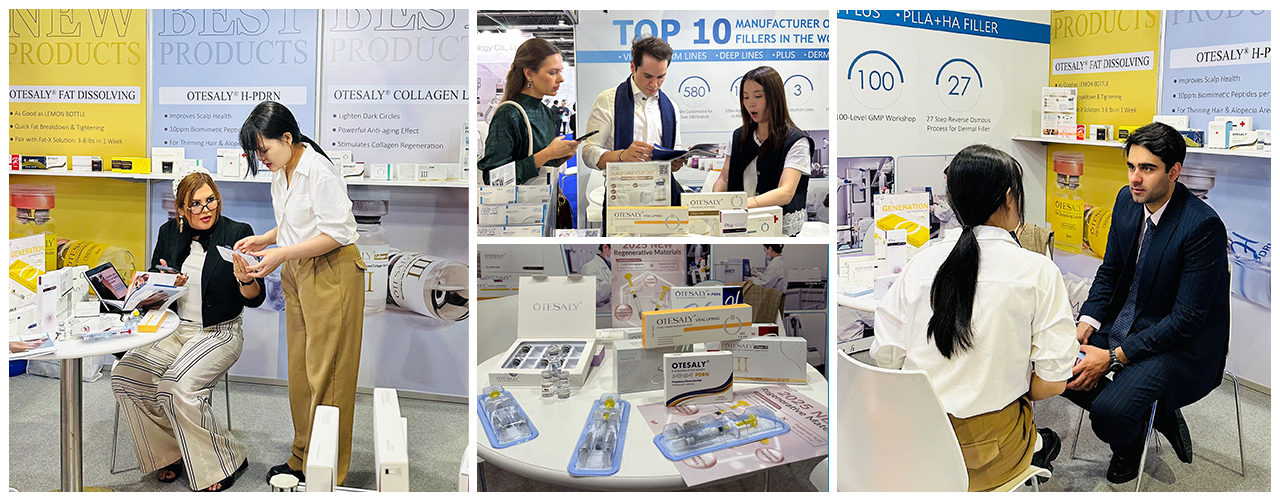
Over the past three years, our team has supported 47 local Middle East brands through the full MOHAP and SFDA registration process for filler products, cutting average registration time by 40% compared to brands working with suppliers who lack pre-prepared compliance files.
Japan & South Korea
Japan’s Pharmaceuticals and Medical Devices Agency (PMDA) classifies dermal fillers as Class IV highly controlled medical devices. Importers must hold a domestic Japanese medical device sales license, and products must go through a full pre-market approval process that requires local clinical trial data. The full registration cycle for a new filler product in Japan typically takes 18–24 months, even for products already approved in the EU or U.S. South Korea’s Ministry of Food and Drug Safety (MFDS) offers a faster review pathway for fillers already holding CE or U.S. FDA approval, but all products must list a local Korean import manager, and all packaging must be printed in Korean with clear disclosures of material type, crosslink density, expected duration of effect, and contraindications.
How a Qualified Supplier Eliminates Import Headaches
Most import delays and seizures do not happen because importers are intentionally cutting corners. They happen because the manufacturer they work with cannot produce the required documents, or produces generic certificates that do not meet local regulatory requirements. Many small-scale filler factories operate with only cosmetic production certifications, and cannot provide the medical device test reports, clinical files, or authorized representative letters needed to clear shipments in regulated markets.
AIMA International Group Co., Ltd. has manufactured medical aesthetic products since 2003, and holds an industry-recognized position as one of the Top 10 Dermal Filler Manufacturers globally. Our team built our production and compliance systems specifically to meet the strictest medical device import rules across major global markets, so our customers do not have to piece together documentation on their own.
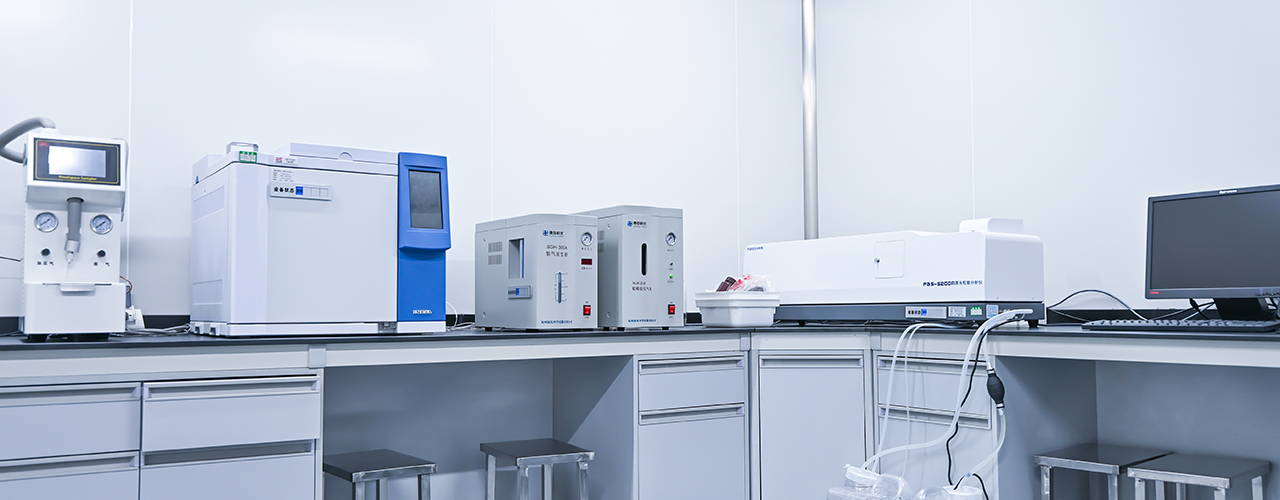
Our 4,800 square meter modern production facility operates with Class 100 GMP clean rooms and three dedicated production lines, following ISO 13485 quality management standards for all filler production, and fully aligned with Class III medical device manufacturing specifications. We hold valid EU CE certification for our filler lines, and have completed U.S. FDA VCRP registration for our skin booster and superficial filler ranges.
We use medical-grade, non-animal sourced hyaluronic acid valued at $45,000 per kilogram, sourced exclusively from suppliers with CE GMP certification. Every production batch undergoes third-party testing through SGS to confirm purity, crosslink consistency, and absence of contaminants, and all test reports are available to customers for customs submission at any time. Our in-house R&D team holds core patents for NASHA crosslinking technology and HICE sustained-release technology, with a library of over 1,000 mature, market-tested filler formulations.
One of our most in-demand filler formulations for global import is CaHafill Lidocaine, a calcium hydroxylapatite blended dermal filler formulated with 0.3% lidocaine to reduce patient discomfort during injection. The formula is designed for deep dermal and sub-dermal injection, for facial contouring, mid-face volume replacement, and jawline definition, with results lasting 12–18 months post-treatment.
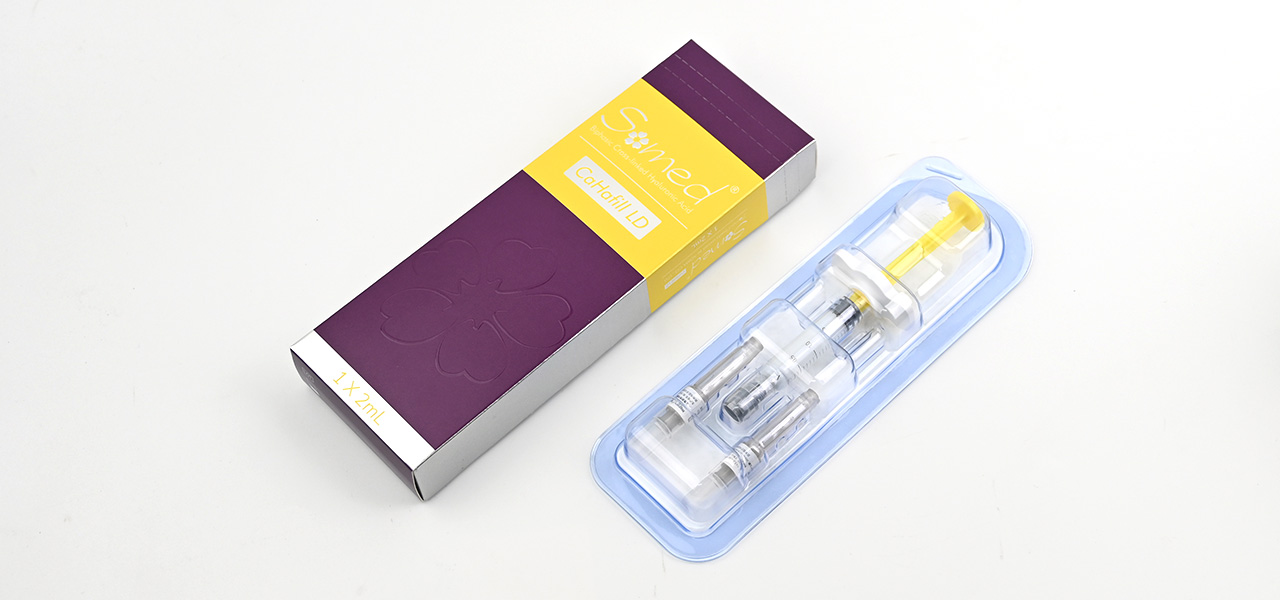
We developed CaHafill Lidocaine from the earliest R&D stages to align with EU MDR, FDA, AMDD, and GCC regulatory requirements, so all technical files, biocompatibility reports, clinical evaluation documents, and free sale certificates are pre-prepared for every market. Customers importing this product do not need to pay for extra third-party testing or draft clinical reports from scratch; we provide customized document sets matched to the exact import requirements of their destination country.
Our production capacity reaches 5 million units annually, with a stable monthly output of 50,000 units. We offer flexible cooperation terms with no MOQ pressure to support emerging aesthetic brands, and volume-based discounts for large clinic chains and national distributors. Sample orders ship within 3–5 business days, standard bulk orders are delivered within 15–20 days, and expedited production options are available for time-sensitive launches. Our full OEM/ODM support covers every step of brand development, from brand positioning, logo design, and custom packaging, to formulation adjustments and concentration tweaks to meet local market rules. To date, we have delivered custom filler solutions for over 521 aesthetic brands across the globe.
Every customer working with us on Medical Aesthetics Wholesale orders gets dedicated support from our compliance team through the entire import process. We help cross-check document sets against local customs requirements, provide notarized and translated versions of certificates as needed, and respond to customs inquiries within 24 hours if issues arise at the port. We do not make unrealistic promises about registration timelines or market access; for markets like Japan that require multi-year local clinical trials, we share clear timelines and cost breakdowns upfront, so customers can plan their market entry without surprises. If any shipment experiences quality issues or damage in transit, our after-sales team processes replacements or refunds without lengthy approval processes.
Costly Import Mistakes to Avoid
After two decades of supporting filler imports across global markets, we see the same handful of mistakes cause 90% of clearance delays and seizures:
Building a successful dermal filler business does not require chasing the lowest possible unit cost from unvetted suppliers. It requires working with a partner who understands the rules of every market you sell in, and can back every shipment with verified, regulator-ready documentation. We have seen too many new brands lose their entire startup budget to seized shipments, because they chose a supplier that could not produce a valid CE certificate or batch test report when customs asked for it. For invasive products injected directly into a patient’s skin, cutting corners on compliance is a risk no brand or clinic can afford to take.

Copyright @ 2026 AIMA International Group Co., Ltd.


