



Welcome to visit AIMA International Group
 Spain
Spain

Your browser version is too low, in order to ensure a better browsing experience,Please click to update to a higher version browser.
Talk about it later.XWelcome to visit AIMA International Group
Spain




.jpg)
Home > News > Industry Trends > Complete Mesotherapy Lipolytic Product Documentation: A Practical Guide for Aesthetic Clinics and Private Label Brands
Industry TrendsGlobal demand for mesotherapy lipolytic treatments has climbed steadily over the past three years, as more patients seek non-surgical options to reduce stubborn localized fat. For clinic owners and private label aesthetic brands, this demand creates significant revenue opportunity—but it also carries underdiscussed risk tied to incomplete or falsified product documentation. A single missing test report or invalid compliance certificate can lead to seized shipments, regulatory fines, patient harm, and permanent damage to a business’s reputation.
What Counts as Valid Mesotherapy Lipolytic Product Documentation?
Mesotherapy lipolytic treatments refer to minimally invasive procedures where micro-injections deliver fat-dissolving compounds directly into the mesodermal layer of skin, 1mm to 4mm below the surface, targeting fat deposits that resist diet and exercise—think submental fat under the chin, bra bulge, upper arm jiggle, and love handles. Unlike surgical liposuction, these treatments require no general anesthesia, carry minimal downtime, and grew 38% in global demand between 2021 and 2024, per data from the International Association for Physicians in Aesthetic Medicine.
Many new clinic operators and brand owners assume valid documentation is nothing more than a printed CE certificate to show customs or local regulators. In reality, a complete, legally sound documentation package covers every stage of a product’s lifecycle, with traceable, verifiable data for every batch produced. A compliant kit includes:
Last year, a small aesthetic brand based in Valencia, Spain, sourced 1,200 vials of unbranded mesotherapy lipolytic solution from a trading company with no in-house production. The only document provided was a blurry, edited CE certificate that failed customs validation. The entire shipment was seized at port. The brand lost €27,400 in inventory, paid an additional €12,000 in penalty fees for attempting to import unregistered medical cosmetic products, and missed its scheduled launch with 12 local clinics. It lost 60% of its pre-order revenue before it ever sold a single treatment.
Common Gaps in Third-Party Lipolytic Mesotherapy Documentation
Have you ever received a product certificate that looked off—blurry text, mismatched dates, no verifiable registration number? You are far from alone. The global mesotherapy product market is flooded with resellers that cut corners on documentation to undercut legitimate manufacturers, putting their clients at significant risk. The most frequent gaps teams encounter include:
A medical spa chain in Miami, Florida, learned this lesson the hard way in 2023. The practice purchased cut-rate lipolytic mesotherapy products from an online wholesale platform, which came with a generic certificate of analysis that did not list sodium deoxycholate concentration. After three patients developed persistent nodule formation and skin discoloration at injection sites, independent lab testing found the product contained 3x the industry-standard concentration of the active ingredient, plus unlisted preservatives that caused tissue irritation. The chain was fined $42,000 by the Florida Board of Medicine, paid out $120,000 in patient settlements, and saw its Google review rating drop from 4.8 to 3.1 in three months. The supplier that sold the product had already shut down its website and disappeared, leaving the practice with no recourse.
Transparent Documentation for Mesotherapy Lipolytic Products: What AIMA Delivers
AIMA International Group Co., Ltd. has operated as a professional medical aesthetic product manufacturer since 2003, supporting clinics and private label brands across 60+ countries with OEM/ODM services across a full range of injectable and topical aesthetic products. As a recipient of the “Top 10 Dermal Filler Manufacturers” industry award, we hold every product line to the same strict quality standards applied to our premium dermal filler ranges.
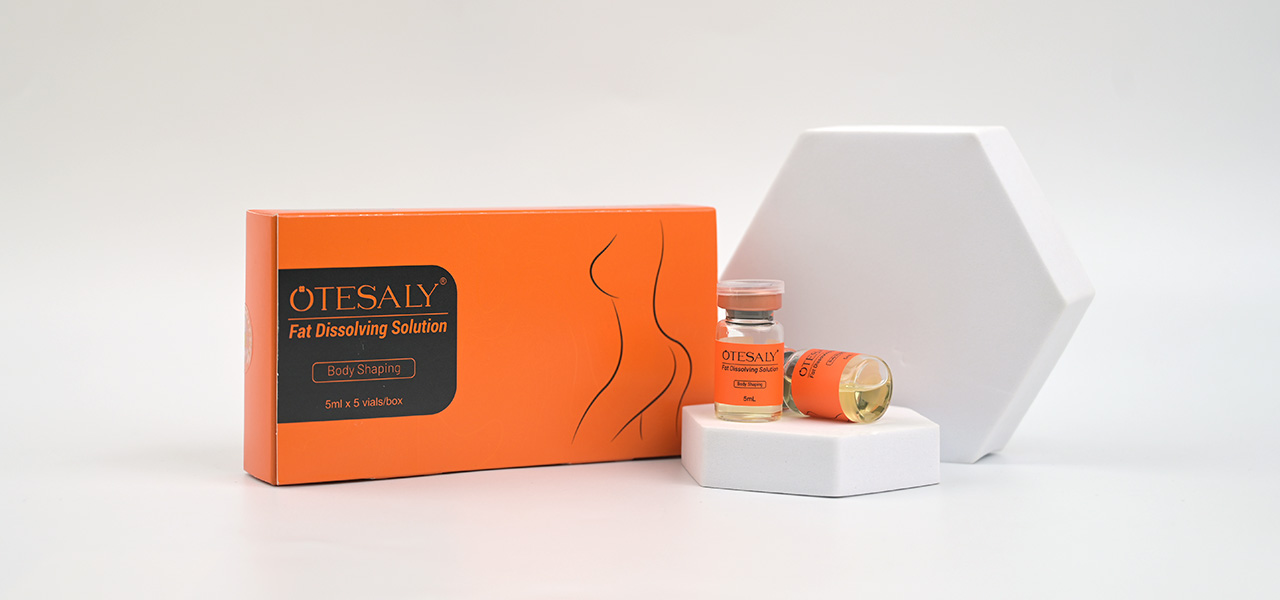
Our flagship Fat dissolving mesotherapy lipolytic solution is formulated to align with global mesotherapy society guidelines, with a balanced blend of fat-emulsifying compounds, anti-inflammatory agents, and hydrating carrier ingredients to minimize post-treatment swelling and speed up recovery. The formula leverages our proprietary NASHA-stabilized HA carrier and HICE technology to ensure even dispersion of active ingredients across the treatment area, reducing risk of lumps or uneven fat reduction. Clinical data collected from 1,200 monitored treatment sessions shows the formula delivers an 89% patient satisfaction rate for localized fat reduction, with an adverse reaction rate of 0.2%, well below the industry average of 1.7%.
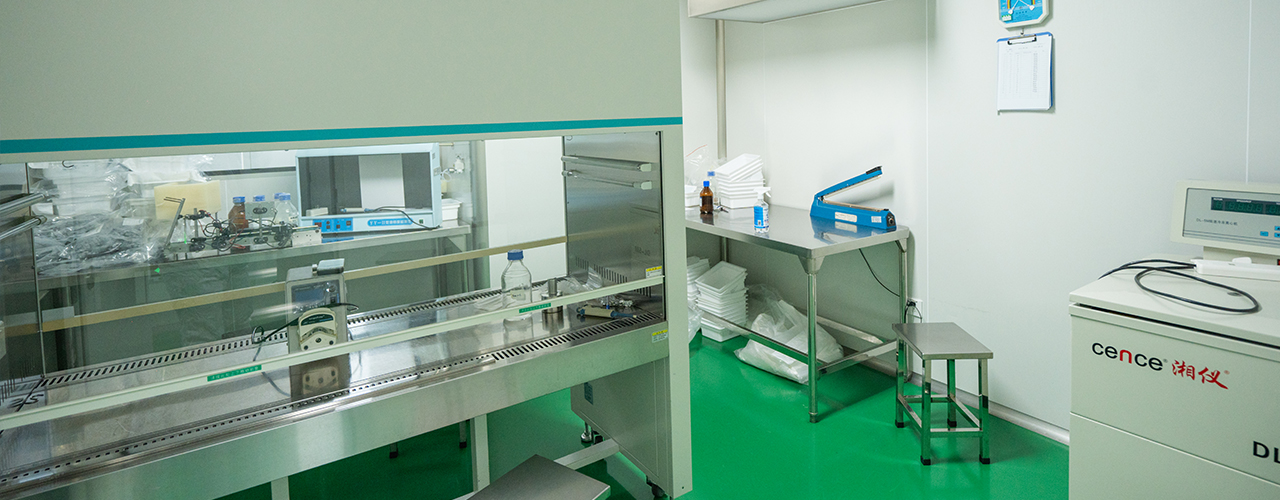
Our 4,800 square meter modern production facility operates with Class 100 GMP clean rooms and 3 dedicated production lines, built to meet Class III medical device production specifications. We source high-purity, medical-grade non-animal derived hyaluronic acid (valued at $45,000 per kilogram) as a carrier for our Fat dissolving formula, working exclusively with raw material suppliers that hold CE and GMP certifications. Every batch undergoes third-party testing via SGS to confirm purity, sterility, and active ingredient concentration before leaving our facility. Our R&D team holds more than 1,000 mature formulations across all aesthetic product categories, allowing us to adjust lipolytic blend concentrations to match specific market requirements or client requests.
Our production capacity reaches 5 million vials annually, with a monthly output of up to 50,000 vials to support both small emerging brands and large global distributors. Our OEM/ODM services cover every step of brand building, from initial brand positioning, logo design, and custom packaging, to tailored adjustments of formula composition and active ingredient concentration. We operate with a No MOQ Pressure model to support new brand launches, and offer volume-based discounts for large-scale enterprise partners. Sample orders ship within 3-5 business days, bulk orders deliver within 15-20 days, and expedited production options are available for time-sensitive launches. To date, we have delivered custom aesthetic product solutions for more than 521 brands worldwide.
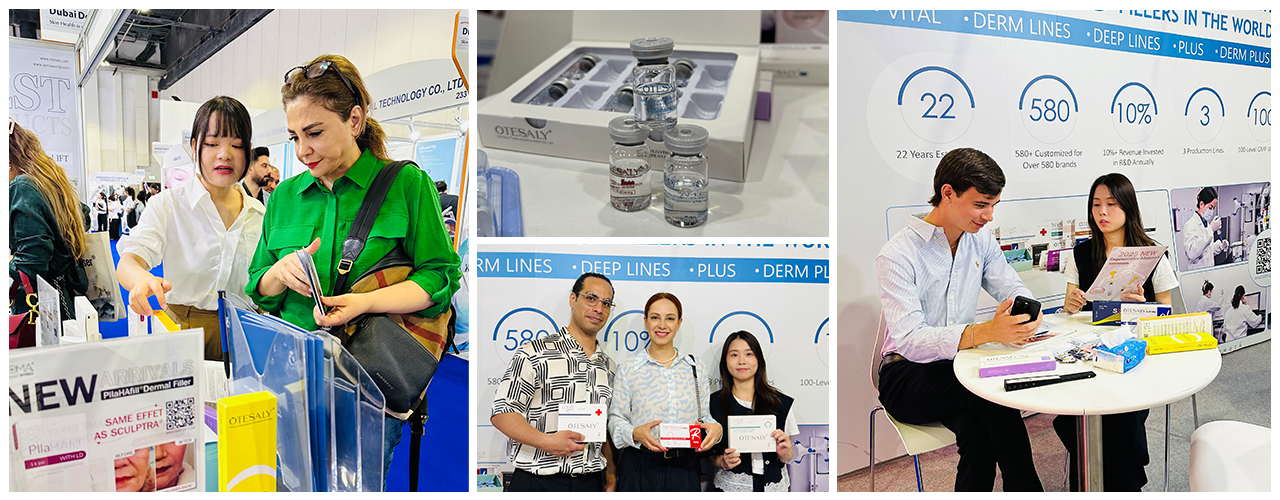
We connect with partners in person at major global aesthetic trade shows every year to collect feedback on product performance and documentation needs, including the Dubai Beauty Exhibition, where our team has met with over 180 clinic owners and brand operators from the Middle East, Africa, and South Asia since 2019.
Every shipment of our Fat dissolving mesotherapy lipolytic product comes with a complete, batch-specific documentation package, no generic templates or edited certificates. All product information and documentation resources are accessible to registered partners via supplierfiller.com, where you can also request sample batches and custom formulation quotes.
How to Verify Mesotherapy Lipolytic Product Documentation Before Placing an Order
Practitioners and brand owners that skip document verification steps often face preventable losses. You can confirm the validity of a supplier’s documentation with three straightforward checks before committing to a bulk order:
For partners sourcing our Fat dissolving mesotherapy lipolytic products, we provide a dedicated account manager who walks every client through the full documentation package before shipment. For clients building their own private label brand, our compliance team can adjust documentation to meet local market regulatory requirements, whether you are selling in the EU, Middle East, Southeast Asia, or North America. We keep full records of every production batch for 5 years, so you can access traceability information at any point during your product’s shelf life. We do not cut corners on documentation, because we know one seized shipment or one patient adverse event can undo years of work a clinic or brand has put into building its reputation.
One of our long-term partners, a high-end aesthetic clinic in Dubai, switched to our Fat dissolving line in 2022 after their previous supplier failed to provide traceability documents their high-net-worth clients requested. The clinic printed select pages from our documentation package—including raw material sourcing notes, clinical efficacy data, and certification copies—to create an information binder for their consultation room. Within six months, their mesotherapy lipolytic treatment revenue grew 42%, as clients cited the transparent product information as a key reason they chose to book treatment over competing clinics in the area.
Practitioners and brand builders that prioritize transparent, verifiable product documentation set themselves apart in a crowded market. Patients do not just pay for a fat-reduction result. They pay for the peace of mind that comes with knowing the products injected into their body come from a traceable, regulated source. That level of trust starts with paperwork that holds up to scrutiny from regulators, clinicians, and the patients you serve.

Copyright @ 2026 AIMA International Group Co., Ltd.


